REVIEW · KRAKOW
Krakow: Auschwitz-Birkenau Tour Limited to 15 Visitors
Book on GetYourGuide →Operated by Hello Cracow · Bookable on GetYourGuide
A small group makes Auschwitz easier to face. This Krakow Auschwitz-Birkenau day trip keeps things tight and efficient, with hotel pickup and a licensed local guide in a group capped at 15. You also get a calmer rhythm than the big crowd days, while still seeing the core sites across Auschwitz I and Auschwitz II Birkenau.
I especially like the way the tour handles logistics: skip-line entry and a smooth, paced route that avoids long waiting around security. I also like that you’ll be wearing headsets in Auschwitz I, so you catch the guide’s wording and context without craning or losing track.
One thing to consider: this is a solemn place, and the tour moves at a set tempo. There’s a lot of walking on uneven ground, and food isn’t included unless you bring a packed lunch (the day includes time between the two camps).
In This Review
- 5 Things You’ll Notice Right Away on This 15-Visitor Tour
- The Value of a Small Group at Auschwitz and Birkenau
- Hotel Pickup From Krakow: How the Day Starts Smoothly
- Skip-Line Entry: Getting Into Auschwitz With Less Waiting
- Auschwitz I: Headsets, the Death Wall, and What to Watch For
- Birkenau II: Railway Lines, Watchtowers, and the Scale of Systemic Violence
- The Packed Lunch Reality: Food Timing, What’s Allowed, and What to Bring
- Price and Logistics: Why $89 Can Be Fair Value for a 7-Hour Day
- Who This Tour Fits Best (and Who Should Rethink It)
- Should You Book This 15-Visitor Auschwitz-Birkenau Tour?
- FAQ
- Is Auschwitz-Birkenau included in this Krakow tour?
- How many people are in the group?
- Does the tour include hotel pickup and drop-off?
- Will I have a guide and translation support?
- How long is the tour?
- Do I need to bring food?
- What documents and items should I bring?
- What items are not allowed?
- Is the tour suitable for children?
- What is the cancellation policy?
5 Things You’ll Notice Right Away on This 15-Visitor Tour
- 15-person group size: half the crowd of larger tours, which usually means less queueing and more time paying attention
- Hotel pickup in Krakow: you start the day without sorting buses or trains while you’re tired and early
- Skip-the-line entry: tickets and process are handled so you can focus on the sites sooner
- Headsets in Auschwitz I: the audio support helps you follow the guide clearly
- Practical pacing for two sites: enough time to see both camps without turning it into a 10-hour marathon
The Value of a Small Group at Auschwitz and Birkenau
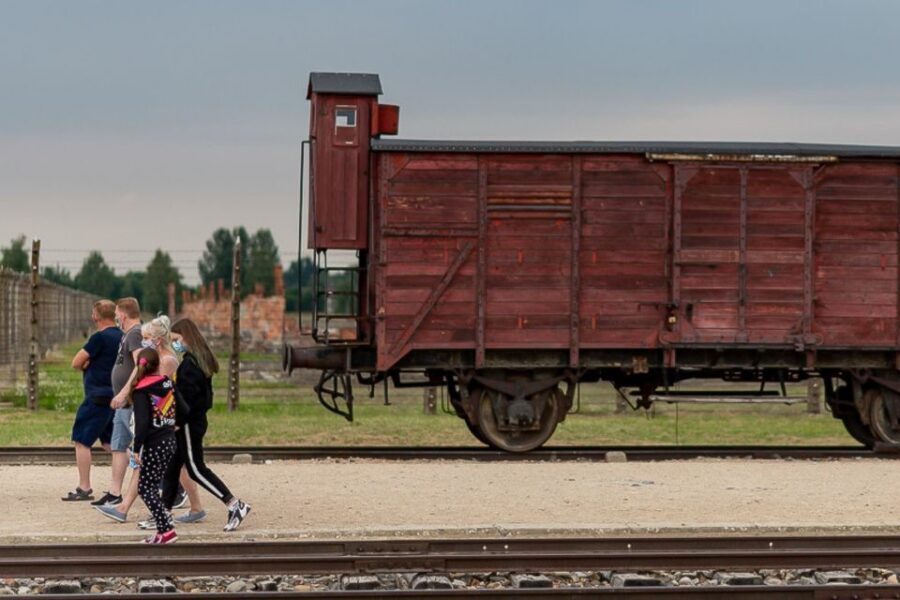
Auschwitz-Birkenau is the kind of history site where time matters. Big groups can feel like you’re being herded through a museum. Here, the cap of 15 visitors changes the feel: you spend less effort trying to keep up and more effort actually looking.
This limited group also helps you hear the guide better, especially at the moments that demand attention—memorial walls, preserved ruins, and the structural details that explain how the system worked. It’s not a faster or lighter subject. It’s just less chaotic.
The flip side is that Auschwitz is huge and the day is only 7 hours. Even with a smaller group, the route still needs momentum to cover Auschwitz I and Auschwitz II. If you want to slow down and read everything for long stretches, you may feel the pace.
Other Auschwitz I and Birkenau combined tours in Krakow
Hotel Pickup From Krakow: How the Day Starts Smoothly
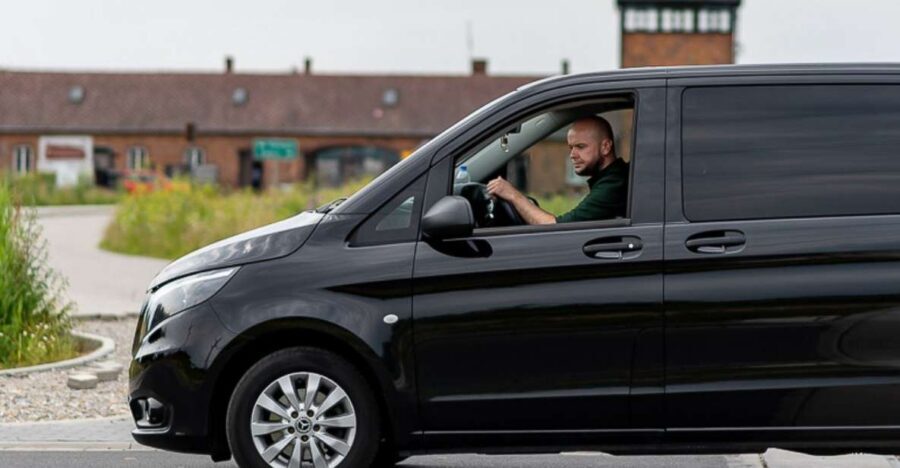
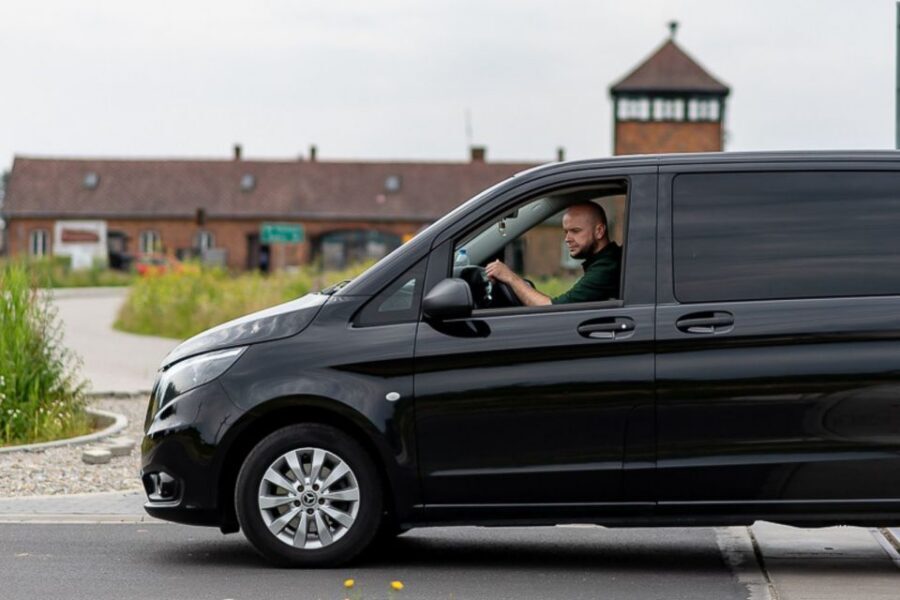
You won’t have to figure out transport on your own. With hotel pickup and drop-off (when selected), you meet your group and driver right in Krakow. Pickup time is confirmed the day before, and it’s typically in the morning range based on what people report from past runs—so plan for an early start.
Once you’re loaded into the air-conditioned van, the ride to Oświęcim is a predictable part of the day instead of a stress test. Drivers reported by name include Leszek, Norbert, Konrad, Patryk, Max, Wiktor, Kuba, and others. That matters because a careful driver makes the handoff to the guides more orderly.
You’ll also get the benefit of having someone coordinate where you need to go next. At Auschwitz, that coordination is huge—security, ticket process, and getting oriented can swallow time if you’re doing it independently.
Skip-Line Entry: Getting Into Auschwitz With Less Waiting
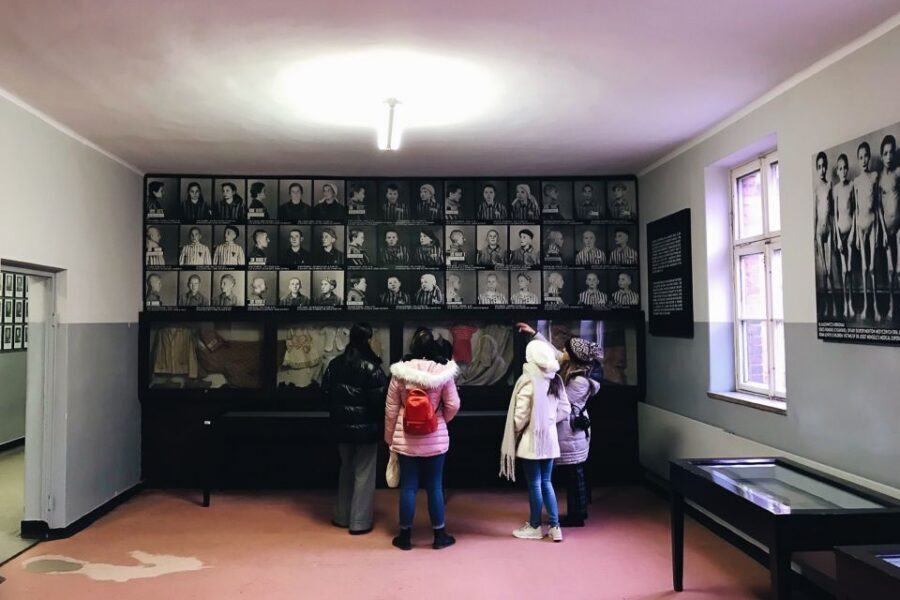
On paper, Auschwitz is a “go early” kind of place. In real life, the lines can be long. This tour helps by arranging entry to Auschwitz I and Auschwitz II Birkenau with skip-line logistics included.
What you feel at the gate is the difference. You’re not stuck scanning your phone for the right ticket, or trying to understand which line is which. Instead, your tickets are handled so your group moves into the camp process with less friction.
That doesn’t mean you avoid the reality of the site. It just means you don’t waste the first hour of your day stalled out before you even reach the key areas.
Auschwitz I: Headsets, the Death Wall, and What to Watch For
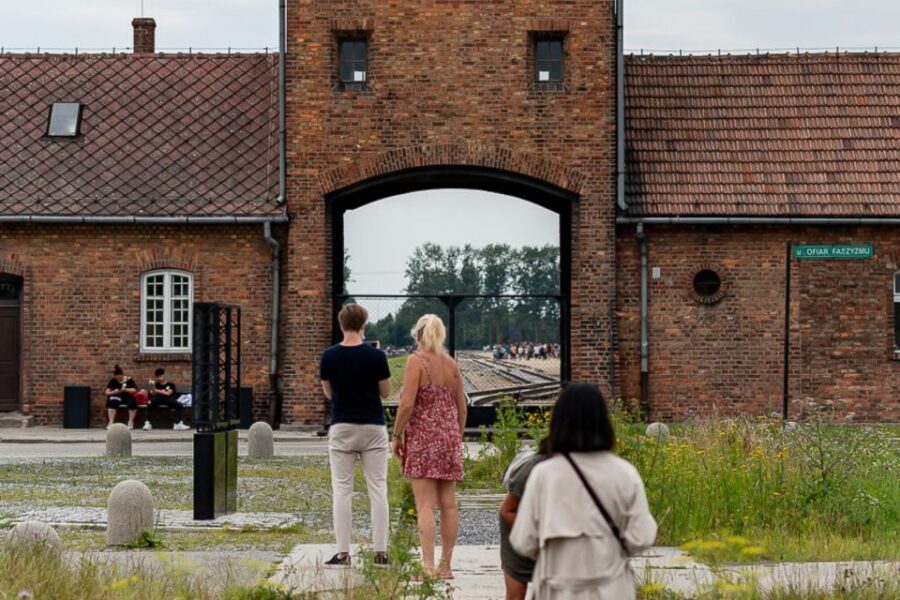
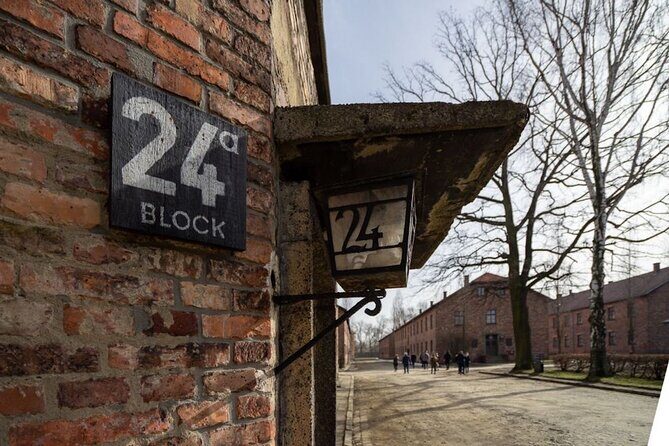
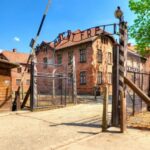
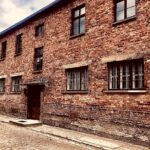
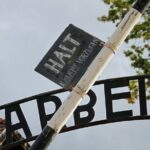
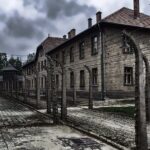
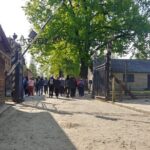
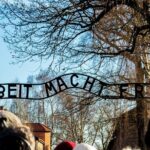
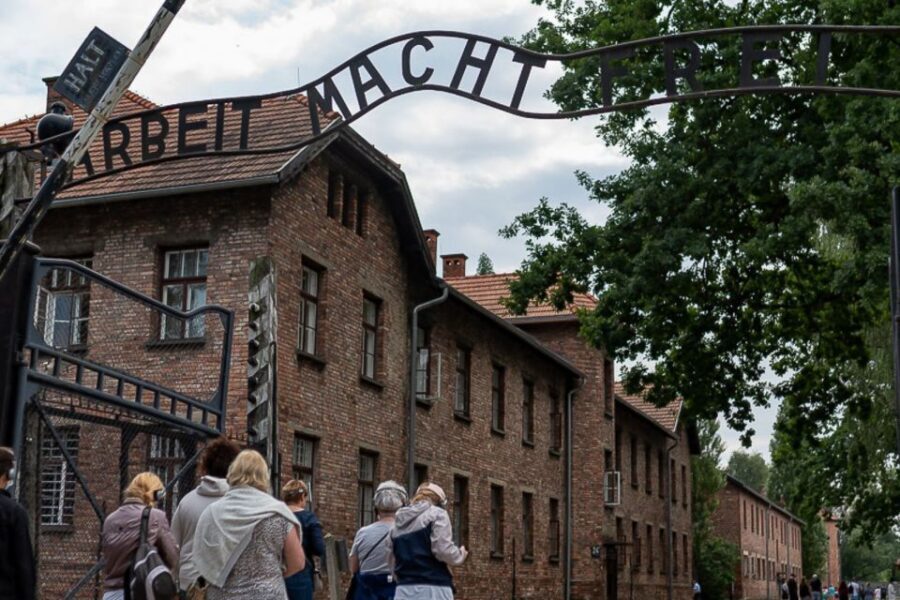
Auschwitz I is where many visitors get their bearings. It’s also where the memorial elements hit hardest because the space is tightly focused: Death Wall, national memorials, gas chambers, crematoriums, and preserved ruins all sit within a concentrated footprint.
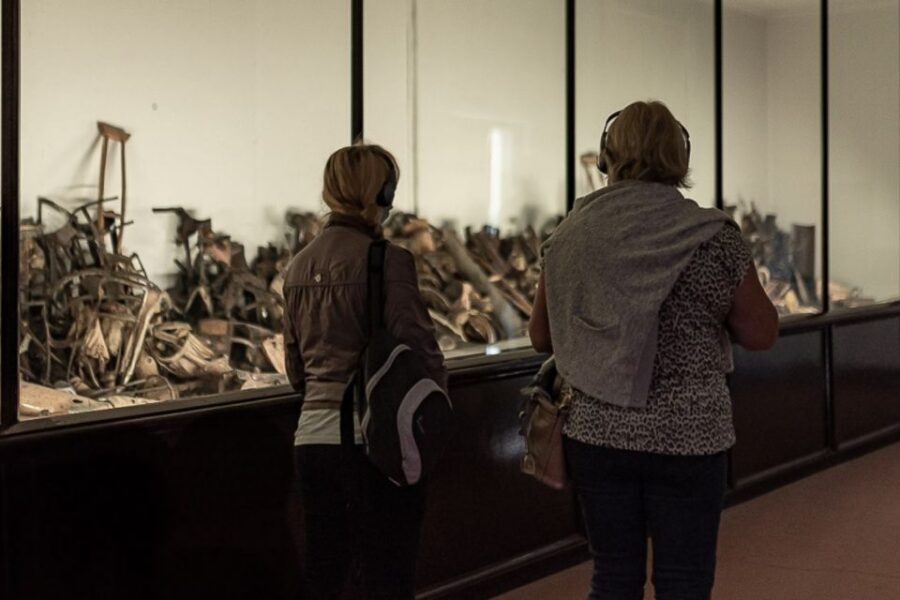
This tour is led by a sensitive, licensed, English-speaking local guide. In Auschwitz I, you’ll also have headsets so you can hear the guide’s narration clearly while you move through sections of the camp. That’s a real quality-of-life detail. You shouldn’t have to choose between walking carefully and hearing the explanation.
If you’re trying to decide what to focus on, look for the details the guide points out: the arrangement of the memorial areas, the preserved structures, and the way the site lays out evidence of what happened there. The goal isn’t to shock you with isolated images. It’s to understand the mechanics and the scale.
A small note: some people report wishing they had a few extra minutes for questions or reflection. That doesn’t mean the guide is unhelpful—it’s more about the day’s pace across both camps.
Birkenau II: Railway Lines, Watchtowers, and the Scale of Systemic Violence
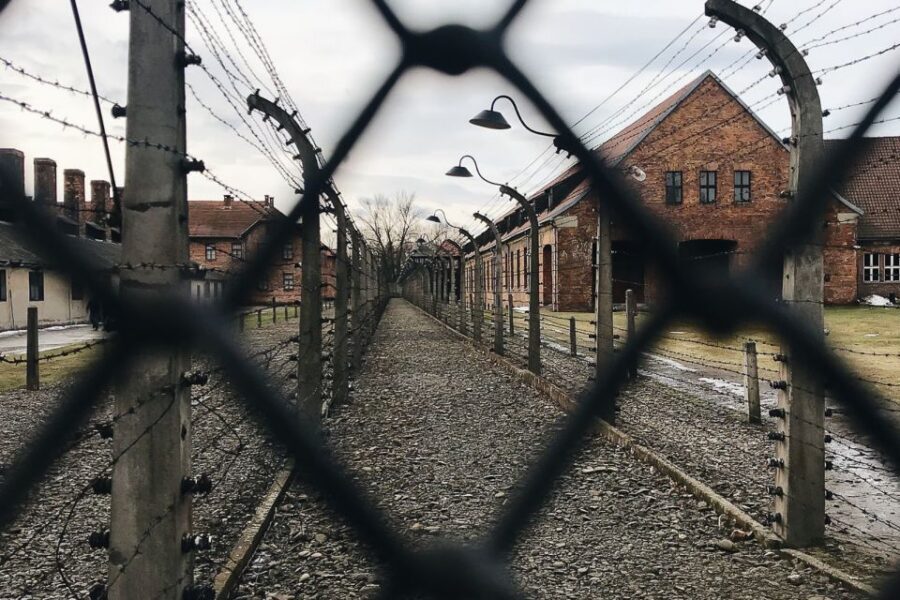
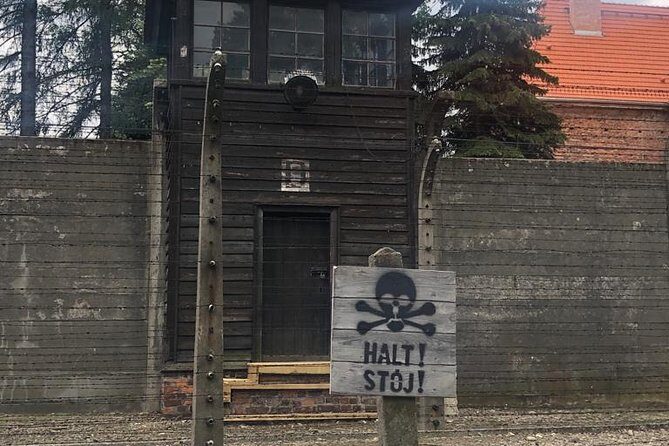
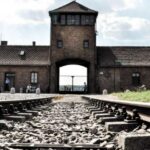
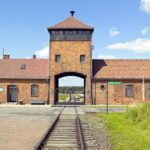
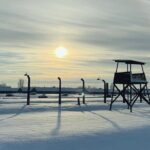
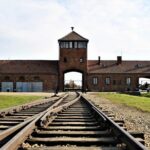
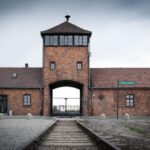
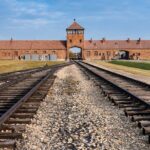
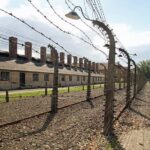
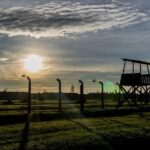
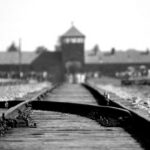
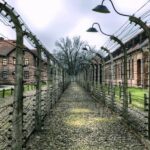
Birkenau is the part many people describe as physically overwhelming, because the setting is so expansive. Here, you’re looking at the railway line and ramp, preserved ruins, the remains of hundreds of barracks, and watchtowers. Gas chambers and crematorium structures connect the geography back to the purpose of the camp.
The practical advantage of the tour format is that you see the key points in an organized way. Left alone, it’s easy to get lost in the size of the grounds and miss how different areas relate to each other.
Also, Birkenau tends to underline the human cost through scale. You can feel it when you look at how large the site is compared to the number of routes a visitor group can physically cover in a day.
Another practical consideration: uneven ground and weather can slow you down. In past tours, walkers were encouraged to take care—especially if you’re traveling with someone older or with mobility limits. Comfortable shoes are not optional here; they’re the difference between “I can keep up” and “I’m constantly checking where my feet are.”
Other small group Auschwitz tours in Krakow
The Packed Lunch Reality: Food Timing, What’s Allowed, and What to Bring
Food is one of the simplest things to plan wrong, so get it right early.
The tour does not include food and drinks in the standard listing. You’re also instructed to bring a packed lunch. That aligns with what people have experienced: there’s time to eat, often with a break between Auschwitz I and Auschwitz II.
Some departures also offer a lunch pack option that people have described as good value, but the safest assumption is: bring your own lunch. If you’re relying on food at the site, you might find your options limited or inconvenient.
What you should bring based on the tour rules:
- Passport or ID card
- Water
- Packed lunch
And watch what you’re not allowed to bring:
- No backpacks
- No smoking
- No alcohol or drugs
- No pets
- No flashlights
- No cellphones
- No nudity
These rules change how you pack. Keep it light. A small day bag without bulky items is usually the only way to feel comfortable once you’re inside the rules-based security areas.
Price and Logistics: Why $89 Can Be Fair Value for a 7-Hour Day
At $89 per person for a 7-hour guided day, the value mostly comes from what’s bundled:
- Licensed, English-speaking guide
- Entry fees to Auschwitz I and Auschwitz II Birkenau
- Hotel pickup and drop-off (if selected)
- Air-conditioned transportation
- Headsets in the first camp
Independently, these add up fast: transport + entry tickets + a guide who knows what to point out + the time saved by skip-line handling. This tour tries to give you the most important benefit: not losing your day to logistics.
The other value is the small-group cap. Even if two tours both claim skip-line access, a 15-person group usually means fewer delays when you need to regroup, hear instructions, or ask for clarity.
So yes, it’s not cheap. But you’re paying for a day that stays organized enough for you to process what you’re seeing.
Who This Tour Fits Best (and Who Should Rethink It)
This is best for adults and older teens, because it is not suitable for children under 12. It’s also best for people who want a guided explanation delivered in English, with enough structure to cover both Auschwitz I and Birkenau.
It may be a good fit if you:
- want hotel pickup rather than figuring out transit
- care about skip-line entry
- prefer a smaller group for hearing the guide and staying oriented
You should think carefully if:
- you need very long quiet breaks, because the schedule is designed to move through both camps in a single day
- someone in your group has difficulty with uneven ground and lots of walking
- you’re hoping to stop and read every plaque for extended periods without being guided along
Should You Book This 15-Visitor Auschwitz-Birkenau Tour?
If your priority is a focused, organized day in a small group, I’d say this is worth booking. The 15-person limit, skip-line entry, and the combo of guide + transport + entry fees are exactly what keep the day from becoming a logistics headache.
I’d especially recommend it if you want to go in with a plan: you’ll get guided context at Auschwitz I with headsets, then move into Birkenau’s broader scale with a structure that helps you understand what you’re looking at.
Just go in with realistic expectations: this is not an easy walk and it’s not a casual visit. But if you’re ready for a respectful, well-run day that helps you make sense of what you’re seeing, this one is a solid pick.
FAQ
Is Auschwitz-Birkenau included in this Krakow tour?
Yes. The tour covers Auschwitz I and Auschwitz II Birkenau, both with entry fees included.
How many people are in the group?
The group is limited to 15 participants.
Does the tour include hotel pickup and drop-off?
It includes hotel pickup and drop-off if you select that option.
Will I have a guide and translation support?
Yes. You get a licensed, English-speaking guide. Headsets are provided to hear the live guide in the first camp (Auschwitz I).
How long is the tour?
The duration is 7 hours.
Do I need to bring food?
Food and drinks are not included. You’re asked to bring a packed lunch. There are reports of people ordering a packed lunch option as well.
What documents and items should I bring?
Bring a passport or ID card and water, and follow the packed lunch instruction.
What items are not allowed?
No pets, smoking, alcohol or drugs, backpacks, flashlights, cellphones, or nudity.
Is the tour suitable for children?
No. It’s not suitable for children under 12.
What is the cancellation policy?
You can cancel up to 24 hours in advance for a full refund.