REVIEW · KRAKOW
Kraków: Auschwitz-Birkenau & Salt Mine Full-Day Guided Tour
Book on GetYourGuide →Operated by KrakowTouring.com · Bookable on GetYourGuide
This is the rare Krakow trip that blends Auschwitz-Birkenau with the Wieliczka Salt Mine in one tightly run day. I love the structure here: you get live, English-language guidance at both sites and headsets to keep the history clear. One thing to consider is the early start and the long day, including a walk-heavy salt mine route.
The Auschwitz part is taught with care, moving through Auschwitz I and then on to Birkenau so you understand what happened on different grounds. I also like that you descend into Wieliczka on a guided route with lots to see, including chapels and miner-carved rooms. The drawback: this isn’t a good pick if you have mobility limits, since there are 800 steps down (and back up).
In This Review
- Key highlights that matter
- The Two-World Contrast: Auschwitz-Birkenau then Wieliczka Salt Mine
- How the day actually runs from Krakow (and why the order can help)
- Auschwitz-Birkenau: starting with context, not confusion
- Entering Auschwitz I: the gate moment and what the guide points out
- Birkenau: understanding scale in a guided hour
- The lunch break and timing reality check
- Wieliczka Salt Mine: 800 steps, 135 meters down, and underground chapels
- Your bus ride, headsets, and what the price really covers
- What to pack and the rules you should not ignore
- Who this tour suits (and who should think twice)
- Should you book the Auschwitz-Birkenau and Salt Mine combo?
- FAQ
- What time does the tour start?
- Does the tour include tickets and skip-the-line entry?
- Is food included?
- Do I need identification?
- Are large bags allowed?
- Is the tour suitable for wheelchair users or limited mobility?
Key highlights that matter
- Live guides at both sites: English narration at Auschwitz-Birkenau and again at the Salt Mine helps the day make sense.
- Headsets included: easier listening on buses and during the longer museum sections.
- Gate-to-baracks pacing: you pass through the Auschwitz gate area and then see what remains at Auschwitz I and Birkenau.
- Wieliczka’s underground art and chapels: salt-carved chapels and rooms create a totally different feel from the Holocaust sites.
- A practical, all-in-one day plan: hotel pickup and drop-off plus air-conditioned minibus removes a lot of hassle.
The Two-World Contrast: Auschwitz-Birkenau then Wieliczka Salt Mine
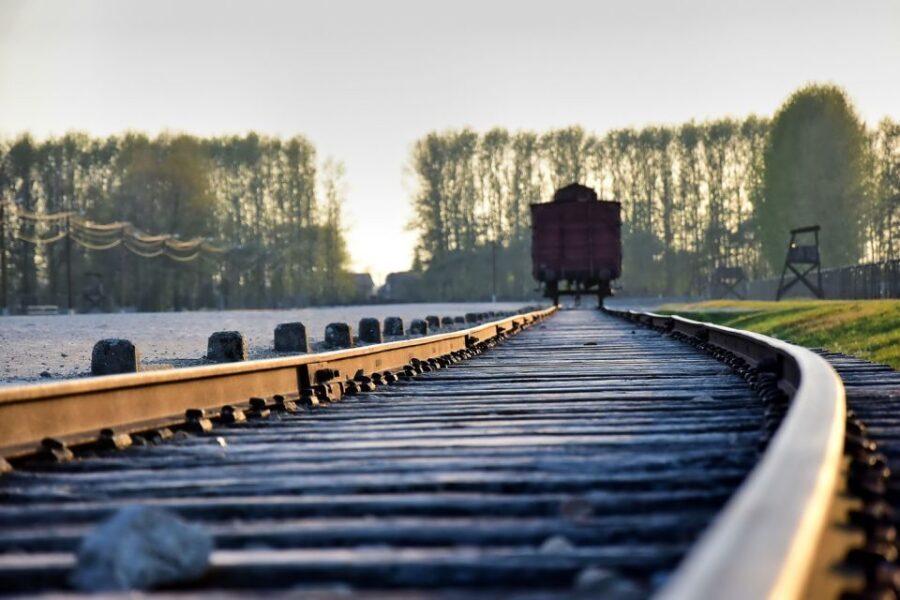
If you only do one “big day” from Krakow, this combo is one of the most meaningful—and it’s also one of the strangest contrasts you’ll ever experience. Auschwitz-Birkenau is solemn, heavy, and reality-based. Then Wieliczka pulls you underground into salt-carved chapels, statues, and chamber after chamber that feel like an old-world underground museum.
I like how the day isn’t random. It’s built around official interpretation: you’re with a live educator at Auschwitz-Birkenau (connected to the museum team) and with a guide inside the Salt Mine. That matters because both places can overwhelm you if you’re just wandering with no context.
One more thing: this is a long day. The schedule stretches from an early morning departure window to late afternoon or early evening. That means you should plan for energy control—water, warm layers, and simple expectations.
Other Auschwitz I and Birkenau combined tours in Krakow
How the day actually runs from Krakow (and why the order can help)
The tour is built around hotel pickup and then an air-conditioned minibus ride toward the museum sites outside Krakow. Your exact pickup time depends on the selected option, but the usual start sits somewhere between 5:00 AM and 10:00 AM, and the precise time gets emailed to you the day before.
A practical tip: don’t build your morning plans around a specific hour unless you have the email confirmation in hand. Some departures run extremely early—think around 5:15 AM—so treat the morning like it’s part of the trip, not just the commute.
Also, watch the day’s flow. Some operators swap the order so you may do the Salt Mine first and Auschwitz later. That can be a relief. Morning light is nice, and doing Auschwitz later can feel more manageable for your emotions. If you have a preference, check what your provider confirms for your specific departure.
Auschwitz-Birkenau: starting with context, not confusion
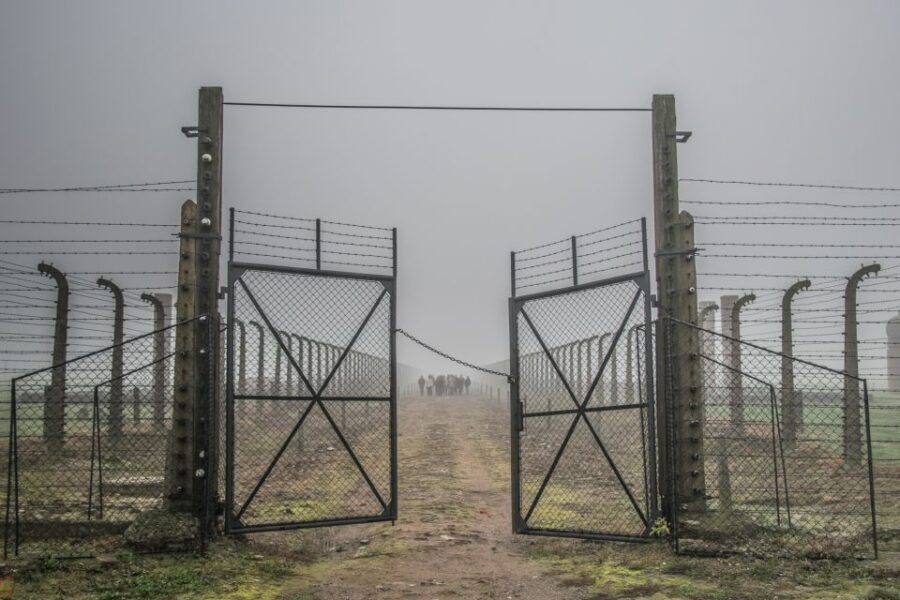
The day begins at the Auschwitz-Birkenau Museum with a guided visit. You’ll learn how Auschwitz-Birkenau was founded in 1940 by Nazi Germany and became the largest concentration camp operated by the Nazis. The guide frames it around the persecution and mass murder carried out under the “Final Solution to the Jewish Question,” which is essential context for what you’ll see next.
You’ll also get guidance on the historical purpose of each area you move through. That’s the difference between seeing preserved buildings and actually understanding what the place was designed to do.
Two practical reasons this tour structure works:
- You’re not going in cold. A live guide helps you connect the physical details to the documented history.
- The pacing is controlled. With a group and headsets, you don’t end up separated, lost, or stuck waiting too long.
Entering Auschwitz I: the gate moment and what the guide points out
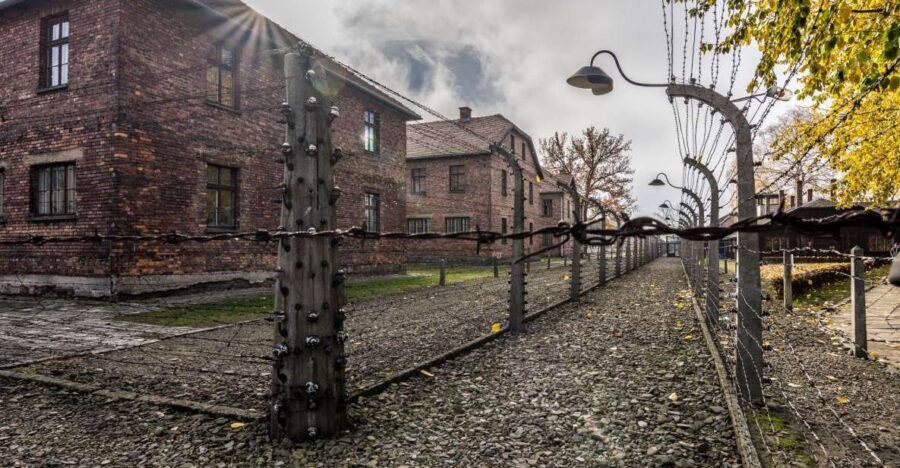
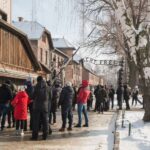
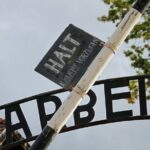
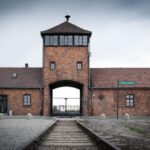
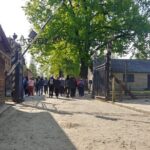
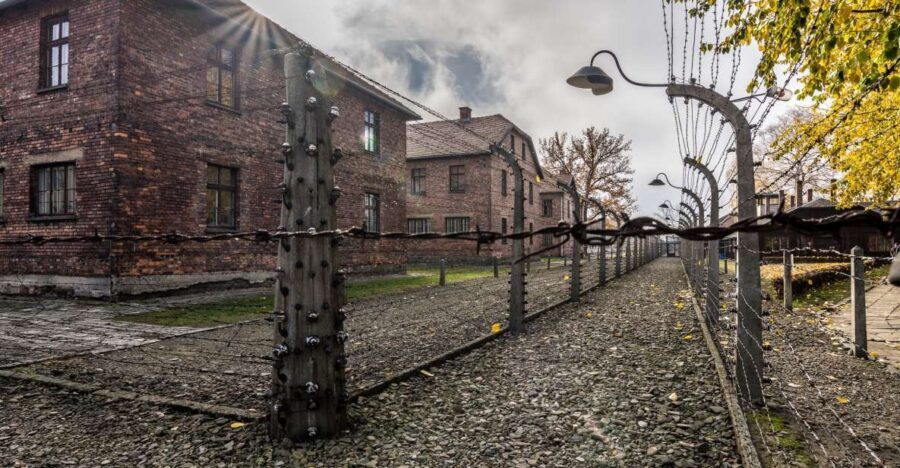
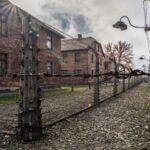
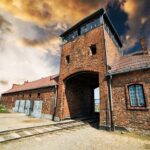
You’ll pass through the gate area with the inscription Arbeit macht frei to enter Auschwitz I. From there, the guide shows you the preserved area and explains what the site represents.
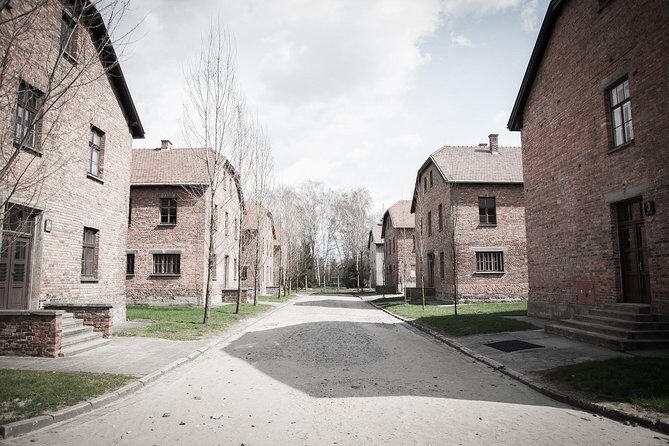
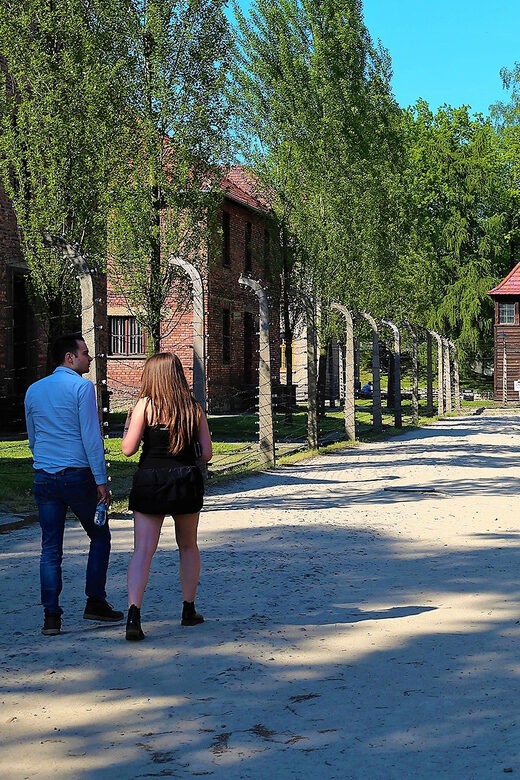
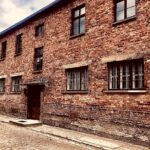
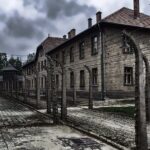
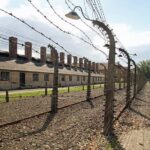
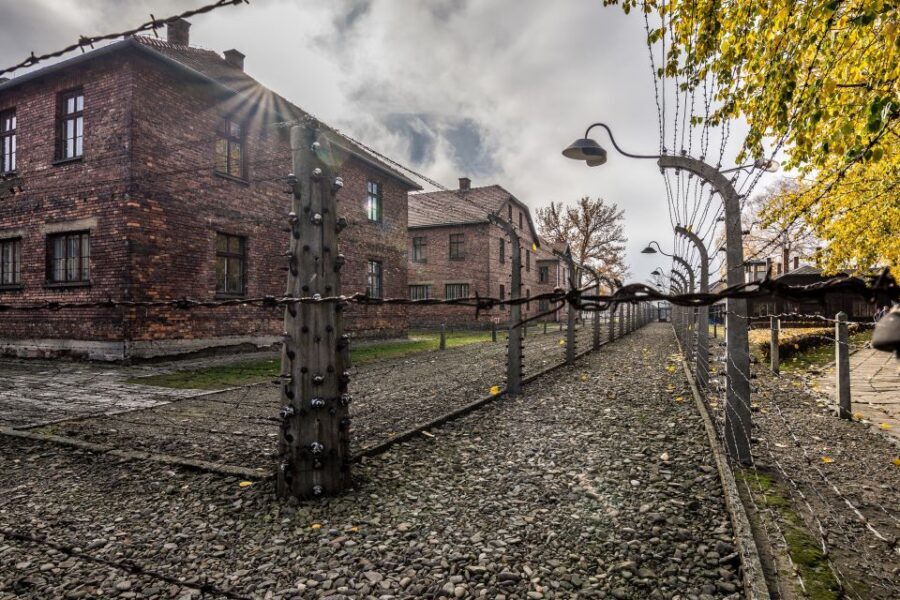
A key detail: Auschwitz I is where you get a clearer view of the system’s early camp organization and how the camp operated. It’s not just “old buildings.” It’s a mapped, explained environment—barriers, layout, and preserved sections that help you understand how control worked day to day.
Here’s what I suggest you do to make this section easier on your brain:
- Keep your questions simple in the moment. If something feels confusing, jot it down mentally and ask later (or listen closely for the next explanation).
- Take breaks if you need them. This is emotionally intense, and pushing through without pausing can turn the experience into numbness rather than understanding.
One more practical note: Auschwitz has rules, and you can’t bring large bags. Your tour also includes a headset, which helps because the museum areas can be loud with groups. Listening matters here.
Birkenau: understanding scale in a guided hour
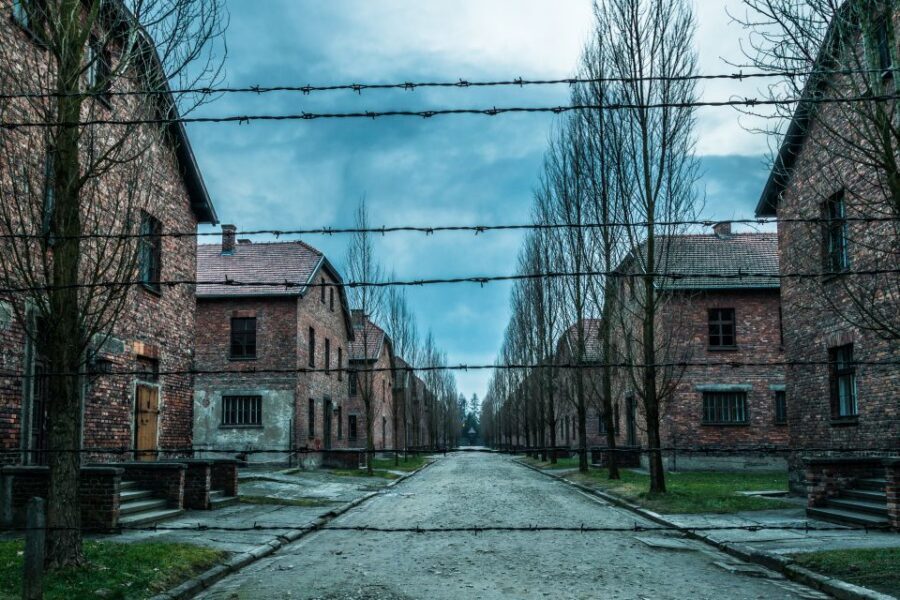
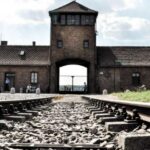
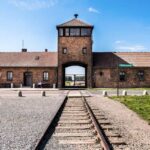
After Auschwitz I, you move on to Auschwitz II-Birkenau, where mass killings took place as part of Nazi policy tied to the Final Solution. The guided portion is shorter than the Auschwitz I section, but it’s designed to show you the second camp’s scale and purpose.
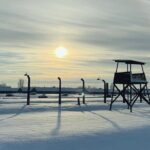
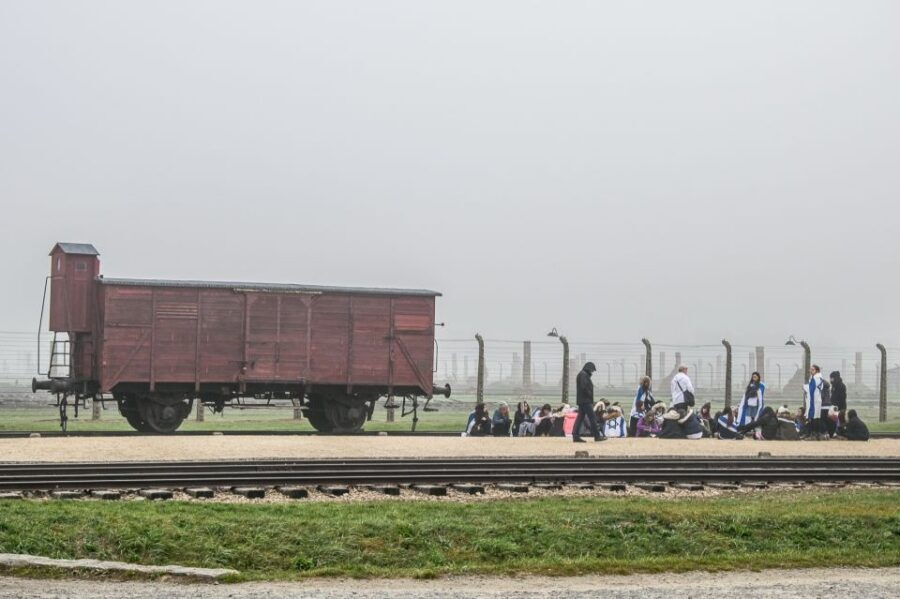
Birkenau is often harder to process because it’s so expansive and stark. A guide helps you read it. You start to notice what’s preserved and what’s missing, and you connect that to the historical reality—without guessing, and without turning it into a photo stop.
If you’re the type who tries to memorize everything, aim instead for understanding the layout and the timeline the guide presents. That will stick longer than any one visual.
Other Auschwitz and Wieliczka Salt Mine combination tours in Krakow

The lunch break and timing reality check
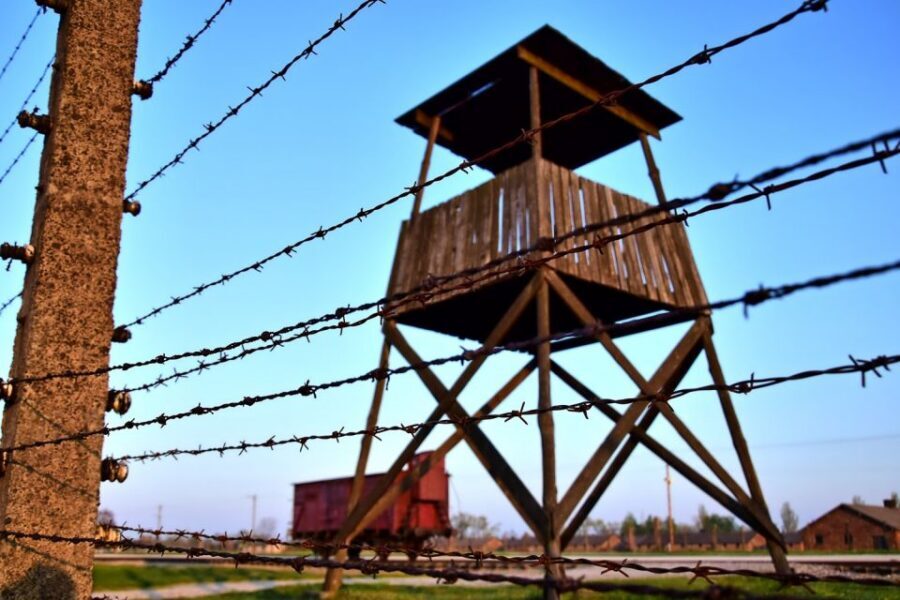
Between the Auschwitz sections, there’s a short break time, and later in the day you get a 1-hour lunch break before entering the Salt Mine.
Food and drinks aren’t included, so plan ahead. If you prefer to buy something on site, you’ll need to move fairly quickly because the schedule is built around getting you underground on time. One helpful choice some people make is ordering the lunch option available through the tour setup, since it’s convenient. If that’s your preference, keep your pace steady and don’t treat lunch as a long sit-down.
Practical travel move: pack a simple snack and a bottle of water if you can, especially if you’re sensitive to long gaps. Reviews also suggest people sometimes get told to bring their own food, so I’d treat this as a “bring/plan” situation unless your confirmation clearly says otherwise.
Wieliczka Salt Mine: 800 steps, 135 meters down, and underground chapels
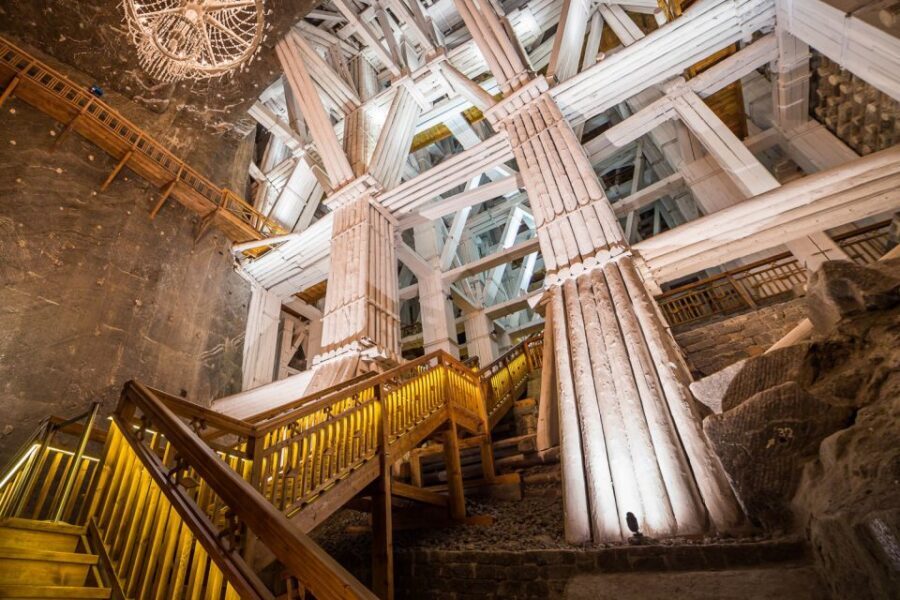
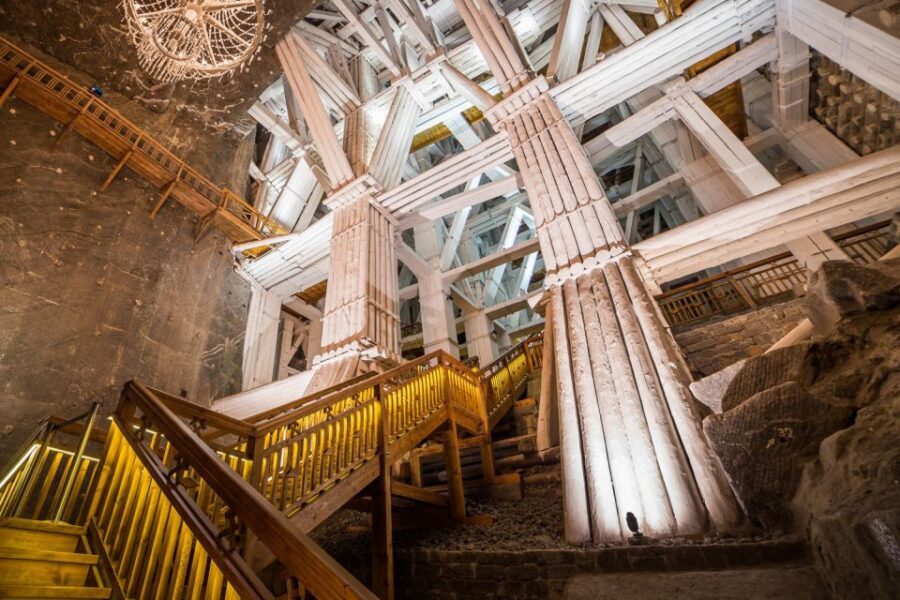
Then the mood shifts—dramatically, but in a way that’s actually useful for the day. The Wieliczka Salt Mine has dozens of statues, four chapels miners carved out of the rock salt, and additional carvings by contemporary artists. It’s also an officially recognized Historic Monument in Poland and a UNESCO World Heritage Site, which means the place is protected and interpreted with a broader cultural lens.
You descend 800 steps to reach a depth of about 135 meters. Underground, the air feels cooler and calmer. It’s a physical reminder that this isn’t just a museum exhibit—you’re in the working conditions space, turned into a public historical site.
The route inside the mine is around 2 kilometers, taking you through multiple chambers. You’ll have some time to roam before the longer guided portion, which helps you get your bearings and then go back with the guide to understand what you’re seeing.
The most memorable part for many people is the mix of labor and art: it’s hard to imagine someone carving chapels from salt while the world above them changed. The result is strange in the best way—crafted, moving, and undeniably human.
Your bus ride, headsets, and what the price really covers
At $27 per person, the value is mostly in what’s bundled. You’re paying for:
- Hotel pickup and drop-off
- Live English guides (at both Auschwitz-Birkenau and the Salt Mine)
- An included professional tour leader/driver
- Insurance
- Headsets
- Skip-the-ticket-line handling
That combination is the real “deal.” If you tried to book each element separately—transport, museum entry logistics, and English interpretation—it usually becomes more expensive and more stressful.
A realistic consideration: the minibus is air-conditioned, which is great in hot or cold weather, but legroom can feel tight. If you’re tall or carry a lot of winter gear, wear layers you can manage and keep your day bag compact.
If you’re the kind of person who likes small details handled for you, this is one of the strengths here. The drop-off returns you across multiple Krakow locations, including Stare Miasto and Starowiślna 65, and also Wielopole 2.
What to pack and the rules you should not ignore
This tour is strict about what you can bring. Bring a passport or ID card. Your museum entry also has a bag limit: no large backpacks, with a maximum size of 20 x 30 centimeters.
Don’t plan to carry big luggage. Also note the no-go items list: pets, weapons or sharp objects, oversize luggage, and you can’t smoke or drink alcohol and drugs. Dress matters too—rules specifically mention avoiding short skirts and sleeveless shirts, and no smoking in the vehicle.
For the salt mine, wear shoes that handle stairs and uneven indoor surfaces. Even if you do fine on the main walking, the step count makes it a stamina test.
Who this tour suits (and who should think twice)
This is a strong fit for:
- First-time visitors to Auschwitz who want interpretation rather than just self-guided browsing
- People who want a full Krakow day without juggling multiple companies
- Anyone who appreciates a structured day with headsets and live English guidance
This is not suitable for:
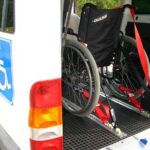
- People with mobility impairments or wheelchair users, since it isn’t built for accessibility. The 800 steps inside the Salt Mine are the biggest factor.
Also, be honest with yourself about emotional load. Auschwitz is not a casual stop. If you know you get overwhelmed easily, plan to slow down mentally, take breaks when needed, and let the guide’s pacing carry you.
Should you book the Auschwitz-Birkenau and Salt Mine combo?
I’d book it if you want one efficient day that covers two major UNESCO-listed experiences from Krakow with official-style interpretation, not guesswork. The biggest win is the combination of live English guides at Auschwitz-Birkenau and then again underground at Wieliczka, plus the practical comfort of the air-conditioned minibus and headsets.
Skip or reconsider if you’re sensitive to very early starts, you can’t handle stairs, or you’re trying to keep the day light and casual. This is long, early, and intense—then later it becomes oddly uplifting and artistic underground.
If you like your travel organized, your listening clear, and your history contextualized, this is a solid way to spend a Krakow day.
FAQ
What time does the tour start?
The usual start time is between 5:00 AM and 10:00 AM, and the exact pickup time is sent to you by email the day before the tour.
Does the tour include tickets and skip-the-line entry?
Yes. The tour includes skip-the-ticket-line entry and guided visits at both Auschwitz-Birkenau and the Salt Mine.
Is food included?
No. Food and drinks aren’t included. You’ll have a lunch break before entering the Salt Mine.
Do I need identification?
Yes. Bring a passport or ID card, and the name on your booking must match the name on your ID.
Are large bags allowed?
No. Large bags or backpacks aren’t allowed. The maximum size permitted is 20 x 30 centimeters.
Is the tour suitable for wheelchair users or limited mobility?
No. It’s not suitable for people with mobility impairments or wheelchair users.