REVIEW · KRAKOW
Krakow: Auschwitz Guided Tour with Optional Hotel Pickup
Book on GetYourGuide →Operated by Unlimited Krakow · Bookable on GetYourGuide
Auschwitz hits hard, no sugarcoating. This guided day trip from Krakow is built to get you to both sites with transport, tickets, and a licensed guide, so you can focus on the real why behind what you’re seeing. People often highlight how drivers like Konrad and guides like Agnieszka or Marget keep the day organized and the explanations careful and respectful.
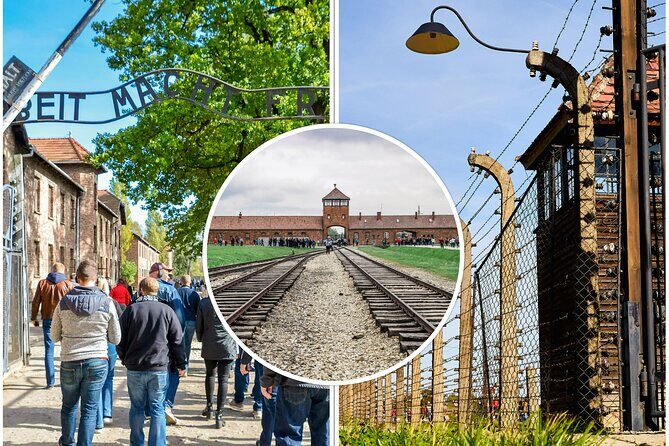
I especially like that you visit the core areas at Auschwitz and Birkenau—Auschwitz I, Auschwitz II-Birkenau, the railway unloading ramp, and even the ruins of the gas chamber—instead of just a quick walk-through. I also like the practical details: skip-the-line entry, an included entrance ticket, and free toilet facilities at both parts of the site.
One consideration: the museum controls the pacing, so your time for reading and lingering can feel tight. If you want long stops at every display, plan to treat this as a guided learning day, not a relaxed browse.
In This Review
- Key things to know before you go
- From Krakow to Auschwitz: how the timing and transport really work
- Skip-the-line tickets and a licensed guide: why it’s worth paying
- Auschwitz I: where personal belongings turn history into something you can feel
- The lunch break: short reset before Birkenau
- Birkenau and the rail unloading ramp: seeing the machine of arrival
- Group pace, crowding, and what you can control
- Languages and the chance you get an English tour
- ID and name matching: don’t let paperwork ruin your day
- Toilets, breaks, and what comfort looks like on a long memorial day
- Price and value: is $69 a good deal for Auschwitz-Birkenau from Krakow?
- Should you book this Auschwitz-Birkenau guided tour from Krakow?
- FAQ
- How long is the Auschwitz-Birkenau tour from Krakow?
- Does this tour include hotel pickup in Krakow?
- Are the Auschwitz-Birkenau entrance tickets included?
- How is the day split between Auschwitz I and Birkenau?
- Is lunch included?
- What languages are available for the guide?
- What ID do I need to bring?
- Can the start time change?
- What’s the hand luggage limit?
- Is this tour suitable for children or wheelchair users?
Key things to know before you go
- Skip-the-line entry so you spend less time waiting and more time inside.
- Both sites in one day: Auschwitz I plus Birkenau (with the rail unloading ramp).
- A real lunch pause between the two guided sections, typically about 10 minutes.
- Licensed guide included (English, plus several other languages depending on availability).
- Free toilets on site at both parts (except the parking area at Birkenau).
- Time can shift based on what the museum decides, so save the whole day.
From Krakow to Auschwitz: how the timing and transport really work
This is a long day, and the schedule is the backbone of how it works. You’ll start with a transfer from Krakow in an air-conditioned vehicle, usually about 1.5 hours each way. Depending on the option you pick, you may also get hotel pickup from central Krakow—and if your pickup point isn’t available, you’ll be moved to the nearest meeting spot.
In total, the tour runs about 210 minutes to 7 hours, based on the option you choose and the day’s starting time. The key thing I’d plan for is that the Auschwitz Museum can change the start time, and it sets the pace for breaks and how long you’re able to spend in each area. That’s why I tell you: don’t schedule dinner reservations right after. Save the whole day for this.
Most days include a short transfer rhythm:
- travel out from Krakow
- guided time at Auschwitz I
- a brief lunch break
- then transfer to Birkenau for the guided visit
- return to Krakow
You’ll also be traveling with an English-speaking driver/host, which matters because the day depends on clear group coordination. A lot of people mention that the instructions on meeting points and timing are straightforward and calm, which is exactly what you want for a heavy subject.
Other Auschwitz tours with hotel pickup in Krakow
Skip-the-line tickets and a licensed guide: why it’s worth paying
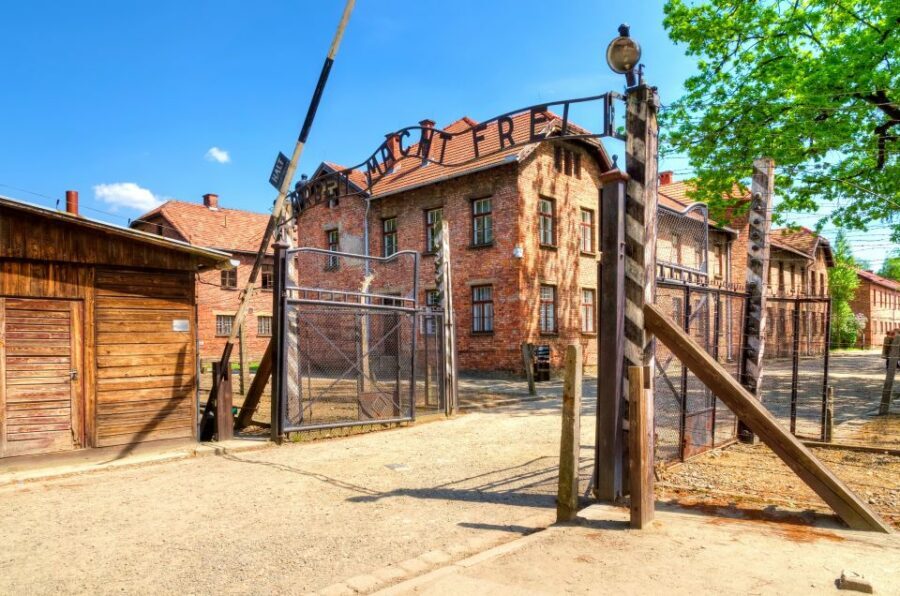
Let’s talk value. At $69 per person, this isn’t just “someone drives you there.” You’re getting entrance tickets included, plus a licensed guide, plus the skip-the-ticket-line benefit. That combination can save you both time and stress.
At Auschwitz-Birkenau, time isn’t just comfort—it’s how you avoid spending your morning in a queue. Getting in faster helps you stay focused while you’re still mentally ready for the site.
The guide part is big too. Signs help, but a trained guide can connect details—dates, policies, how the system worked, and what certain locations were used for—so you understand what you’re looking at rather than just collecting impressions. People repeatedly describe the guides as professional and careful with difficult material, and that professionalism matters here.
Also, the driver/host and guide combination helps keep the day from turning into chaos. You’re not just left to fend for security lines and transfers. You get someone coordinating the flow.
Auschwitz I: where personal belongings turn history into something you can feel
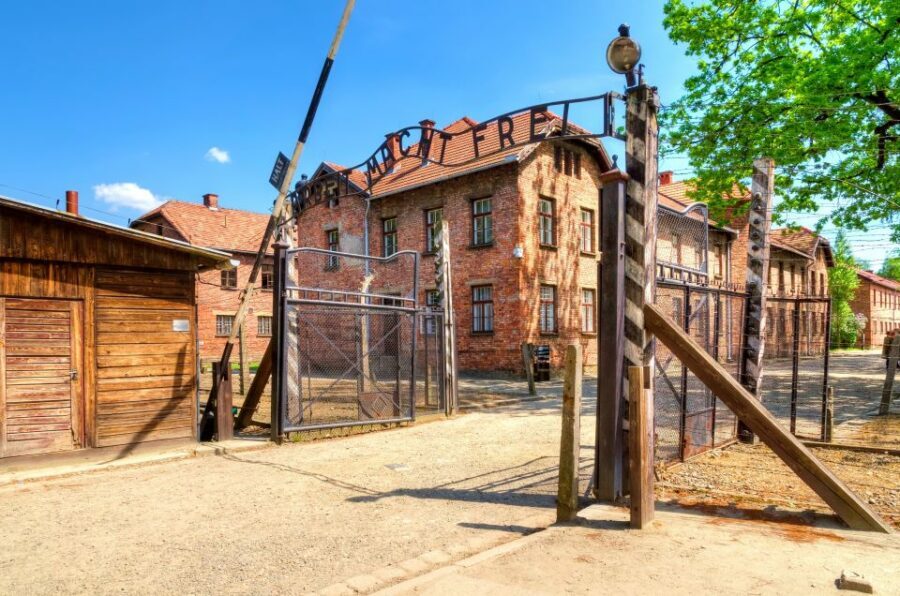
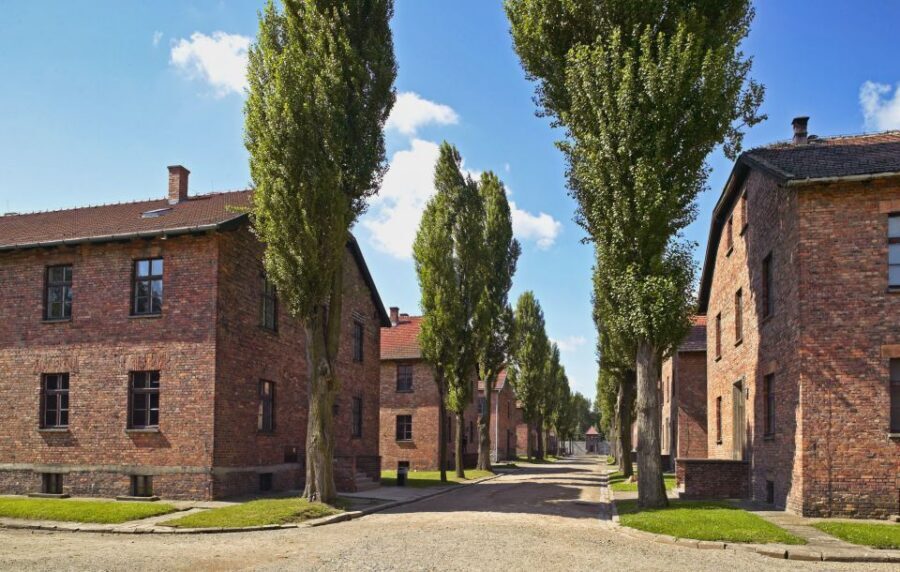
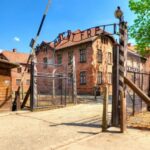
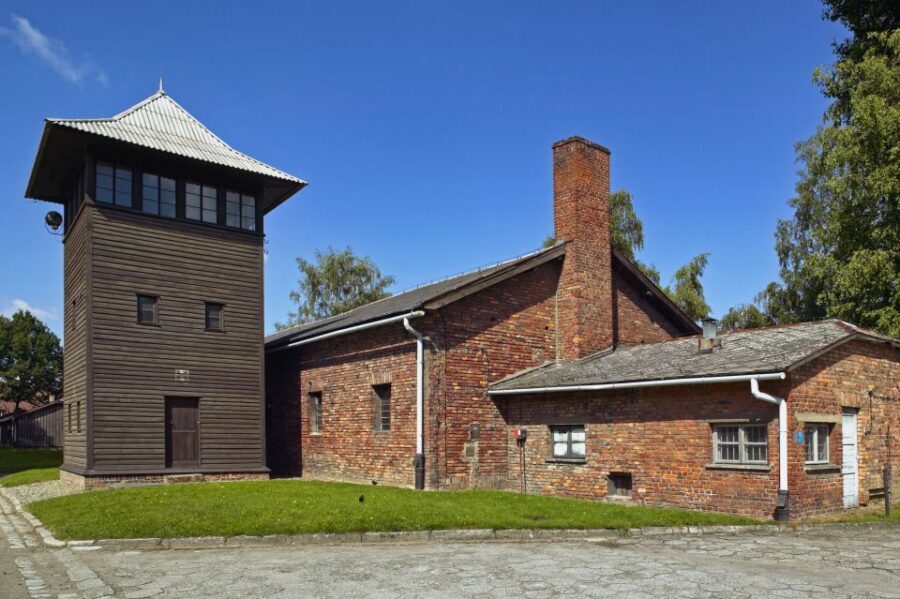
Auschwitz I is the emotional center for most first-time visitors. You’ll usually spend about 1 hour 20 minutes to 1 hour 45 minutes with the guide here, and that’s enough time to see the core blocks while still leaving room for questions.
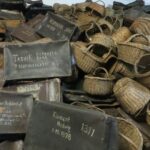
What I think makes Auschwitz I especially powerful on a guided format is the way the exhibits link policy to human life. You’ll see personal items of everyday use that belonged to prisoners. Those objects do a strange thing to your brain: they shrink the distance between then and now. You aren’t looking at abstract numbers—you’re looking at stuff that could have belonged to someone sitting next to you.
You’ll also visit key surviving areas:
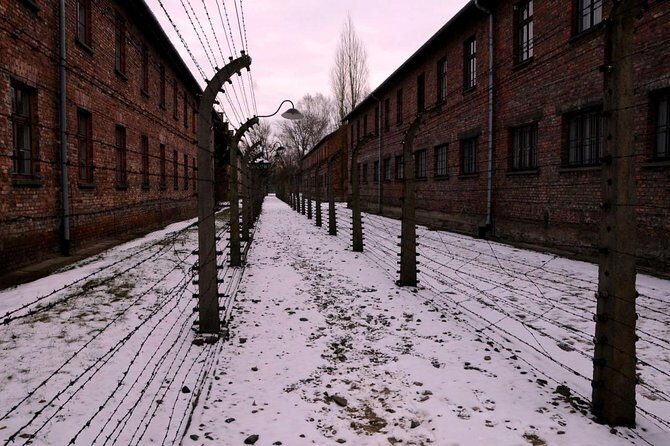
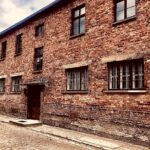
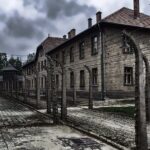
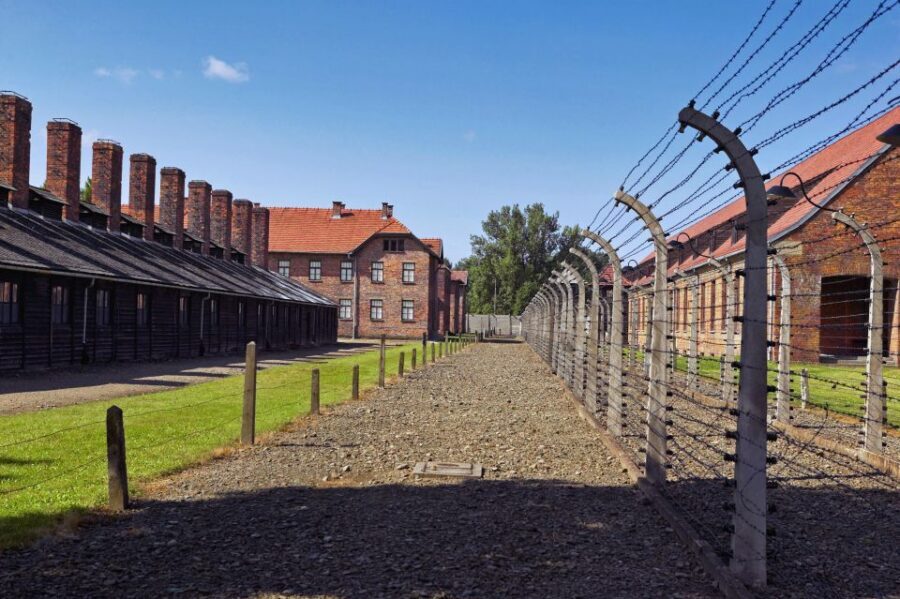
- remaining prison blocks
- museum spaces that explain the broader system of persecution and detention
- the kind of archival context that helps you understand what happened before you move to Birkenau
One more practical note: the pace here can feel firm. Some visitors say they wanted more time to read displays and take in photo and exhibit boards. That’s not a flaw in you or them—it’s the museum’s visitor service managing group flow. If you’re the type who needs to read every caption, bring patience and a willingness to absorb in layers.
The lunch break: short reset before Birkenau
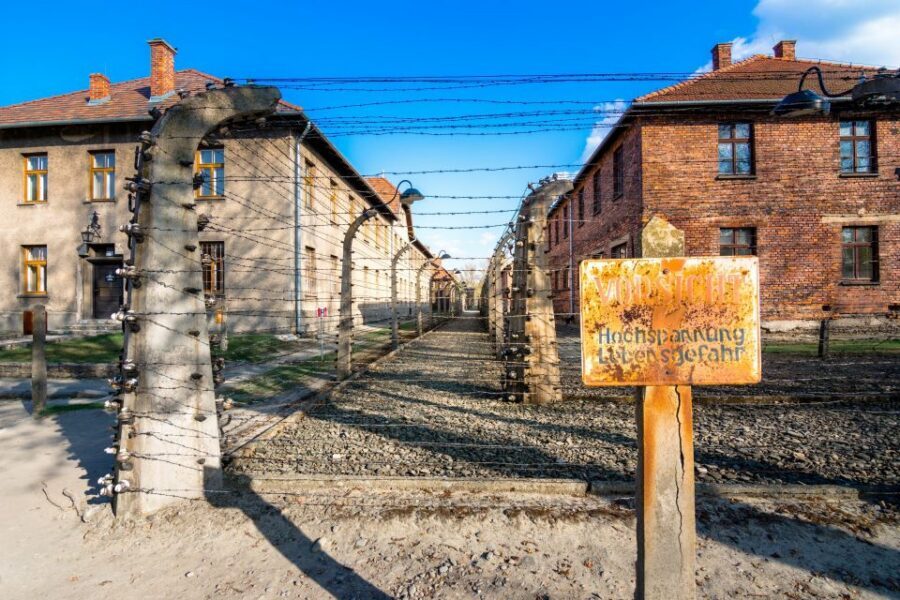
After Auschwitz I, there’s typically a 10-minute break for lunch. If your option includes lunch, you’ll receive a lunch box. If your option doesn’t include lunch, you’ll still have a short break, but your best bet is to treat it like a quick reset—grab something fast, use the time well, and get back mentally ready.
This is the point where I recommend you use any restroom opportunities and not assume you’ll have much time later. Free toilet facilities are listed for both parts of the site (with an exception at the parking of Birkenau), but the schedule is tight enough that “I’ll do it later” can backfire.
Also, the emotional tone of the day is different after Auschwitz I. Birkenau feels more open, more expansive, and in that way it can be harder to grasp. A quick breather helps you transition without breaking your focus.
Birkenau and the rail unloading ramp: seeing the machine of arrival
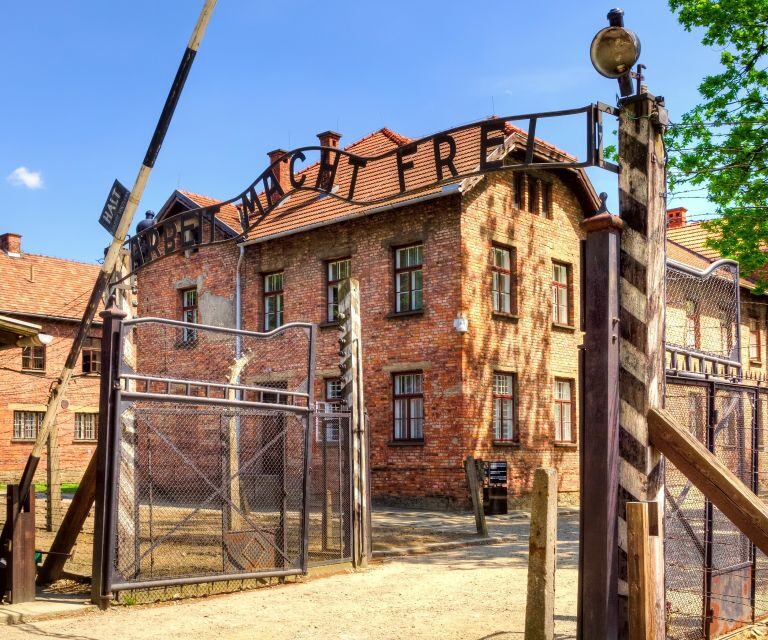
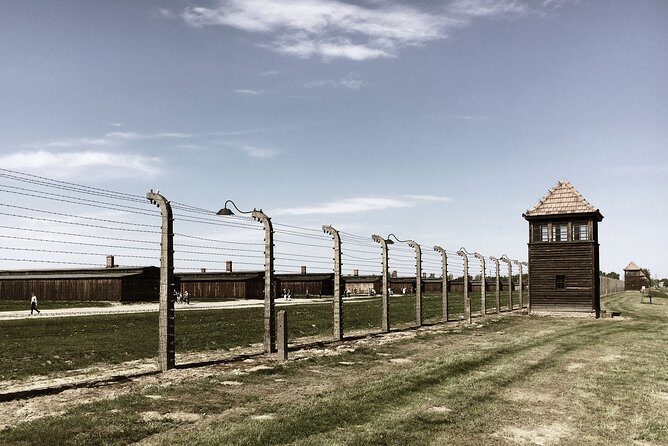
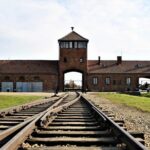
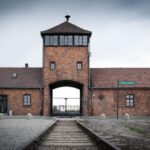
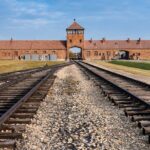
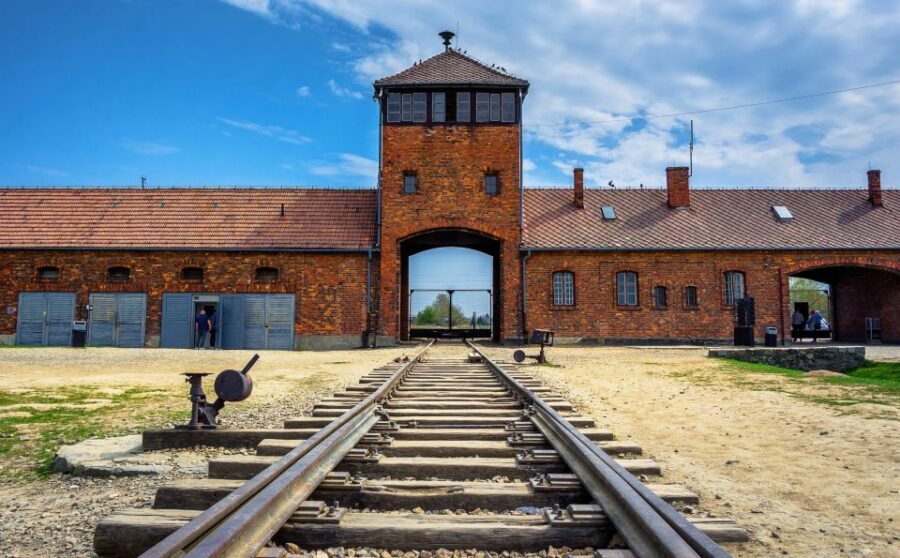
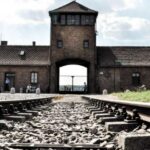
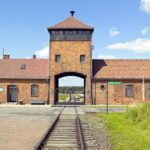
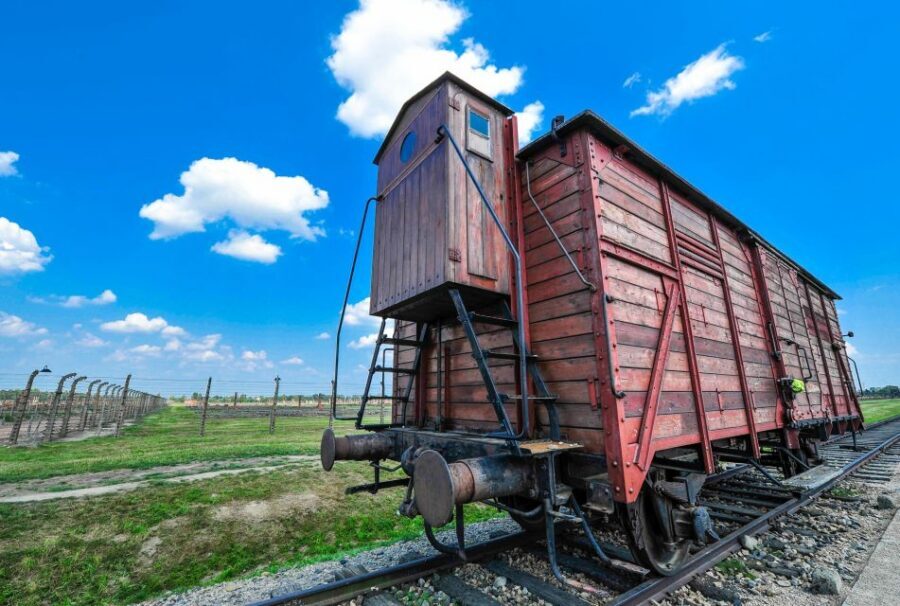
Birkenau is where the scale hits. You’ll visit Auschwitz II-Birkenau with a guided tour for about 1 hour, and you’ll also see the remains of the railway unloading ramp where prisoners arrived.
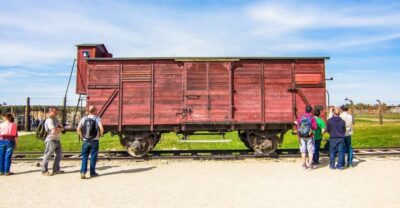
That ramp is one of the most important elements to understand because it shows how the Nazi system ran on logistics: getting people to the camp, sorting them, and processing them as quickly as possible. Even if you already know the facts, seeing the physical location gives you a different kind of understanding—one that’s harder to forget.
You’ll also visit areas that remain from the camp complex, including ruins of the gas chamber. This part of the site doesn’t just inform you. It confronts you with the reality that mass murder was carried out in built structures, not only as an idea.
One consideration: because Birkenau is a large, outdoor site, weather can affect comfort. The tour includes transfers, but you’ll still need to be ready for walking. Bring layers even if Krakow looks mild, and wear shoes that can handle uneven ground.
Other guided tours in Krakow

Group pace, crowding, and what you can control
This is one of those experiences where the group pace is both a blessing and a limitation.
It’s a blessing because you’re not trying to figure out how to navigate a complicated memorial site while also trying to understand it. It’s a limitation because you might want more time at certain exhibits, especially at Auschwitz I where the museum content benefits from slow reading.
Some days can feel crowded even in the morning. The skip-the-line helps, but it doesn’t erase crowds inside. If you’re hoping for a private, quiet moment at every photo panel, a group tour may feel too fast.
What you can control:
- Decide in advance what you want most from Auschwitz I (objects, blocks, documents, or questions for the guide).
- Accept that you’ll do your reading later with your notes, not during the tour.
- Use the guide time to ask for context, then follow your own instincts during short pauses.
And here’s a slightly blunt truth: Auschwitz isn’t a place to treat like sightseeing. The structure of this tour helps you stay oriented and learn what matters.
Languages and the chance you get an English tour
Your tour guide can be English, Italian, Polish, German, French, or Spanish. If the required number of participants for a specific language isn’t met, the tour goes ahead in English.
I like that this is handled transparently. It means you’re not stuck waiting for a perfect-language situation; you still get a guided experience. If you book another language, just keep a backup expectation in your head that English is the fallback.
ID and name matching: don’t let paperwork ruin your day
This trip has a hard rule for entry. You’ll need to bring passport or ID, and the museum requires that all participants provide their full name and contact details as part of the booking.
Most importantly: if the name on your booking doesn’t match the name on your ID, entrance may be refused. That means you should double-check spelling and include any accents or special characters exactly as they appear on your ID.
Also check your hand luggage. You can bring hand luggage up to 30x20x10 cm. Bigger luggage must be left on the bus.
This is one place where being organized saves your sanity. Pack light, bring your ID where you can reach it quickly, and don’t rely on your hotel to fix small mistakes last minute.
Toilets, breaks, and what comfort looks like on a long memorial day
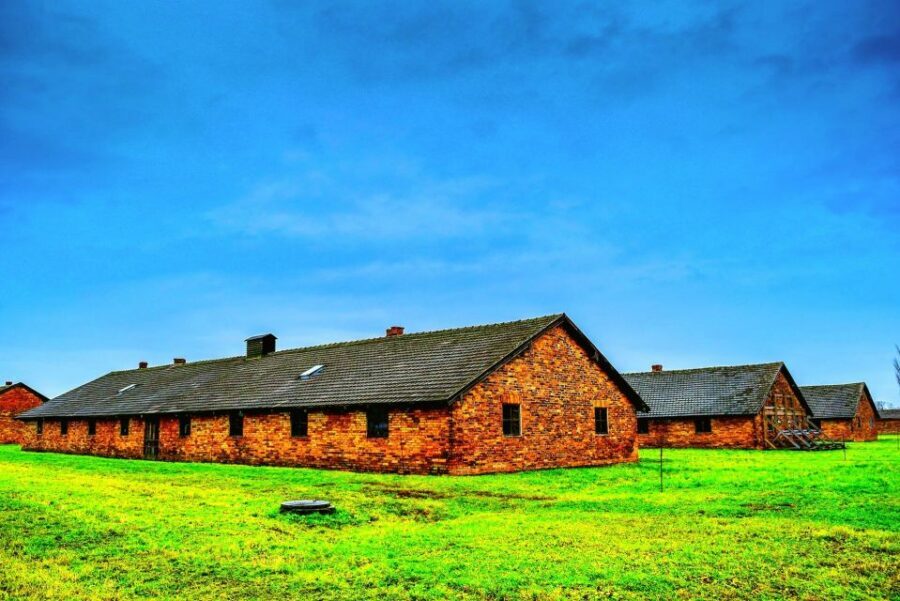
Real talk: on a day like this, comfort is mostly about logistics.
The tour includes free toilet facilities at both parts of the site, except the toilet at the parking of Birkenau. Use that info early so you’re not guessing once you’re there.
Transport is in an air-conditioned vehicle. Several people mention clean buses and comfortable rides, and that matters because you’re spending hours traveling plus walking.
On the “mental comfort” side: the guide-led structure helps you stay steady. Even when the content is devastating, having a professional guide who sets a tone (and answers questions) can make a big difference in how the day lands on you afterward.
Price and value: is $69 a good deal for Auschwitz-Birkenau from Krakow?
$69 may sound steep until you look at what’s included.
You’re paying for:
- entrance tickets to Auschwitz-Birkenau
- licensed guide service
- skip-the-line entry
- transport from and back to Krakow (if you choose the transfer option)
- optional hotel pickup
- free toilets
- a short lunch break, with a lunch box included if you pick the lunch option
For many travelers, the biggest hidden cost is time. Without a guided, included-ticket setup, you can end up buying tickets yourself, coordinating entry, managing queues, and trying to match up transfers across two sites. This tour bundles the “do the boring parts correctly” stuff so you can focus on the memorial’s meaning.
If you’re confident navigating on your own, you could do it cheaper by booking entry separately and driving. But if you want a smooth plan, this offers strong value per hour and less day-of stress.
Should you book this Auschwitz-Birkenau guided tour from Krakow?
I think you should book it if you want:
- a guided day that covers both Auschwitz I and Birkenau
- tickets included and faster entry
- clear instructions for pickup and transfers
- a structured pace that helps you learn without getting lost
I’d think twice if you:
- need lots of quiet reading time at every exhibit
- expect total flexibility from the museum’s pacing
- are traveling with children under 13 (this tour isn’t recommended for them)
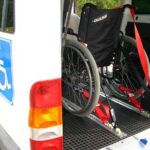
- need wheelchair access (it’s listed as not suitable)
If you’re a first-timer, this is the kind of tour that makes sense. It won’t make the experience easier. It will make it clearer.
FAQ
How long is the Auschwitz-Birkenau tour from Krakow?
The duration is about 210 minutes to 7 hours, depending on the option you choose and the day’s scheduled start time.
Does this tour include hotel pickup in Krakow?
Hotel pickup is optional and available if you select the pickup option. You’ll need to wait in front of your hotel at the scheduled meeting time. If your hotel pickup point isn’t available, you’ll be offered a nearby meeting point.
Are the Auschwitz-Birkenau entrance tickets included?
Yes. Entrance tickets to Auschwitz-Birkenau are included, and you’ll skip the ticket line.
How is the day split between Auschwitz I and Birkenau?
The guided visit at Auschwitz I usually lasts about 1 hour 20 minutes to 1 hour 45 minutes. After a short break, you travel to Birkenau for about 1 hour.
Is lunch included?
A lunch box is included only if you select the option that includes lunch. There is also a short break for lunch after Auschwitz I.
What languages are available for the guide?
The tour can be guided in English, Italian, Polish, German, French, or Spanish. If the minimum group numbers aren’t met for a language, the tour proceeds in English.
What ID do I need to bring?
Bring a passport or ID card. Your full name must match the name on your booking.
Can the start time change?
Yes. The start time may change based on the decision of the Auschwitz-Birkenau Museum, so plan to keep your whole day free.
What’s the hand luggage limit?
Hand luggage must be no larger than 30x20x10 cm. Larger luggage must be left on the bus.
Is this tour suitable for children or wheelchair users?
It’s not recommended for children under 13. It’s also listed as not suitable for wheelchair users.