REVIEW · KATOWICE
Auschwitz-Birkenau Tour from Katowice with Private Transfers
Book on GetYourGuide →Operated by Rosotravel Poland · Bookable on GetYourGuide
Auschwitz isn’t a typical day trip. It’s a heavy, real-world history visit, made easier to manage with private transfers from Katowice and skip-the-line entry so you spend less time queuing and more time listening.
I especially liked the licensed guide leading a structured 3.5-hour group tour with headsets, and the fact the group is capped at 30. One caution: entry can be refused if the name on your booking doesn’t match the name on your ID exactly, and museum tickets here are non-refundable.
In This Review
- Key Things I’d Plan Around
- From Katowice to Auschwitz-Birkenau: The 6-Hour Real-World Schedule
- Private Transfers + Small-Group Entry: What the Tour Actually Gets You
- Inside Auschwitz-Birkenau: Barracks, Exhibits, and the Extermination Areas
- The kind of stops you’ll encounter
- What to do with the information
- Hearing the Story Clearly: Licensed Guides and Headsets in a Crowded Memorial
- Tickets, Names, and Non-Refundable Entry: The Stuff That Can Trip You Up
- Food and Timing: How to Stay Human on a 6-Hour Heavy Day
- Price and Value: Is $219 a Good Deal for a Katowice–Auschwitz Day?
- Accessibility and Movement: What the Site’s Reality Means
- Who This Tour Fits Best (and Who Might Feel It’s Not Their Style)
- Should You Book This Auschwitz-Birkenau Tour from Katowice?
- FAQ
- How long is the Auschwitz-Birkenau tour from Katowice?
- What does the skip-the-line ticket cover?
- How many people are in the group?
- Will I be able to hear the guide clearly?
- Are private transfers included?
- Is lunch included?
- What if my booking name doesn’t match my ID?
Key Things I’d Plan Around
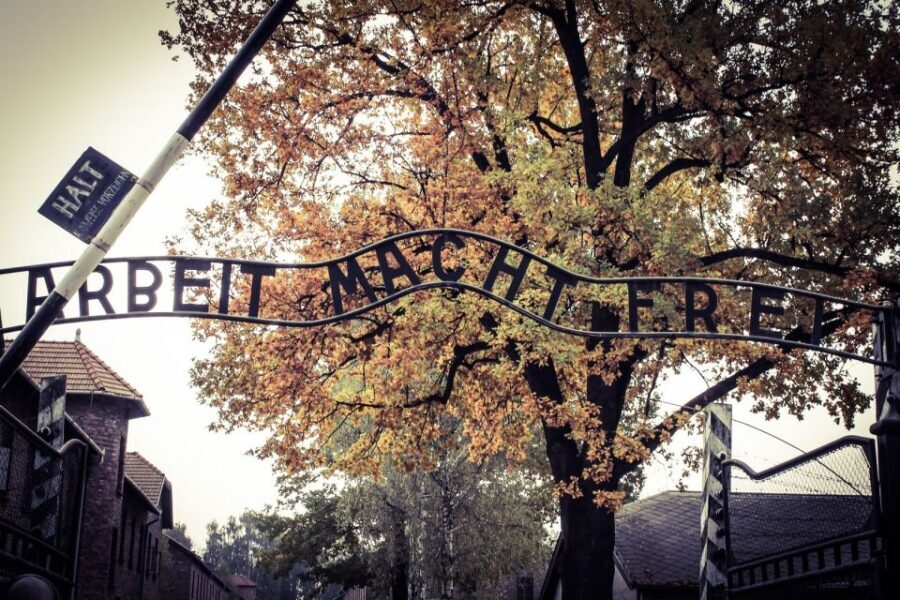
- Private car pickup and drop-off in Katowice keeps the day simple, door-to-door
- Skip-the-line tickets help you start the tour with less waiting
- 3.5-hour group tour inside led by a licensed museum guide
- Headsets in Auschwitz make it easier to hear clearly in crowded areas
- Group size limited to 30 helps keep the experience organized without feeling huge
- A full 6 hours total means you’re committing most of your day to the site
From Katowice to Auschwitz-Birkenau: The 6-Hour Real-World Schedule
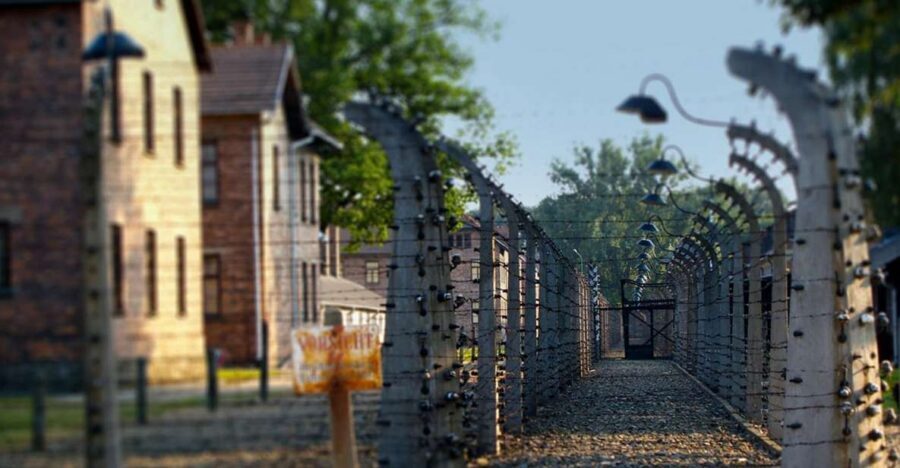
This is built as a one-day outing: you leave Katowice by private car, do a guided visit of Auschwitz-Birkenau, and return to your accommodation. The total time on the clock is 6 hours, with the guided portion inside running about 3.5 hours.
That split matters. The drive time can feel like a blur when you’re emotionally bracing for what’s ahead. Having a private transfer means you don’t have to figure out timing trains, connections, or last-minute tickets. It also tends to reduce the chance your day gets derailed by confusion—because at Auschwitz-Birkenau, the wrong timing can mean you feel rushed through the very moments that deserve your full attention.
If you’re the type who hates wasting time, this format is practical. If you prefer lots of flexible wandering at your own pace, you’ll have less freedom than a self-guided visit. Still, for many first-timers, structure is a gift.
Other Auschwitz I and Birkenau combined tours in Katowice

Private Transfers + Small-Group Entry: What the Tour Actually Gets You

The tour is run by Rosotravel Poland, and the standout part for me is how it combines two different needs: comfort getting there and clarity once you arrive.
On the transfer side, you get pickup and drop-off at your accommodation in Katowice. That’s not a small deal. It cuts out the “meet at X, then navigate Y” stress. You show up, get in the car, and the day moves.
Once at the museum, your ticket is set up for skip-the-line entry. After that, you’ll join a 3.5-hour group tour led by a licensed guide. The guide you’ll get is fluent in the language selected when booking (English is offered). The group stays at a max of 30 people, which helps keep the pace steady and the listening experience manageable.
You’ll also have headsets in Auschwitz, and that’s huge in a place where foot traffic and ambient noise can make it hard to focus. Add the fact the tour happens in one language, and you get a smoother flow—no constant switching, no confusion.
One more practical detail: the experience notes that only official museum guides can lead tour groups inside the museum. So even though the transfers are private, the guiding once you’re on-site is meant to stay fully within museum rules.
Inside Auschwitz-Birkenau: Barracks, Exhibits, and the Extermination Areas
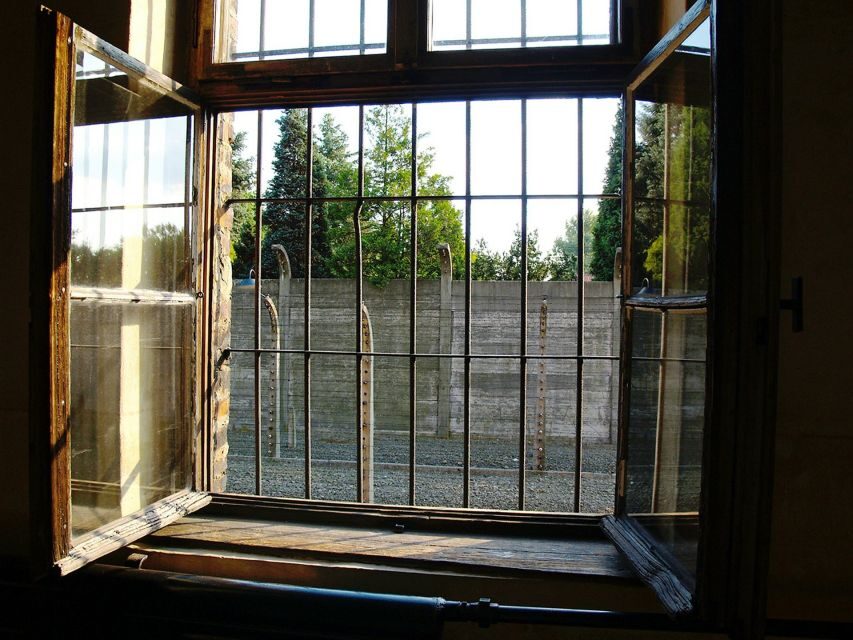
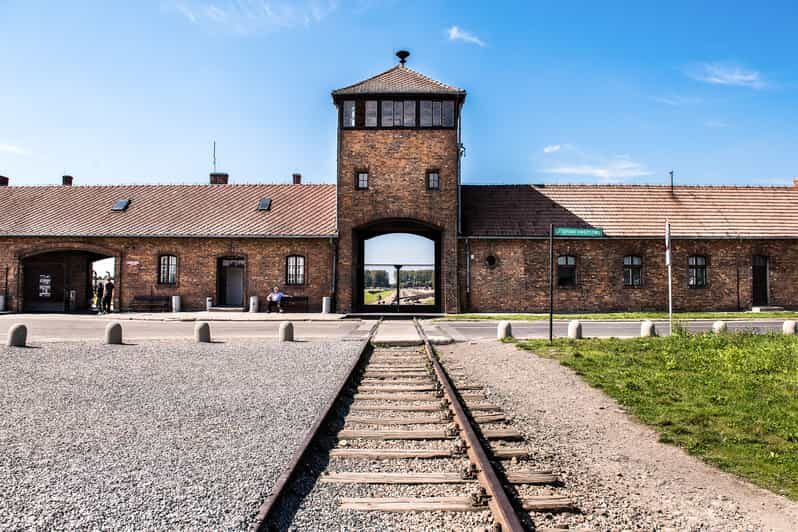
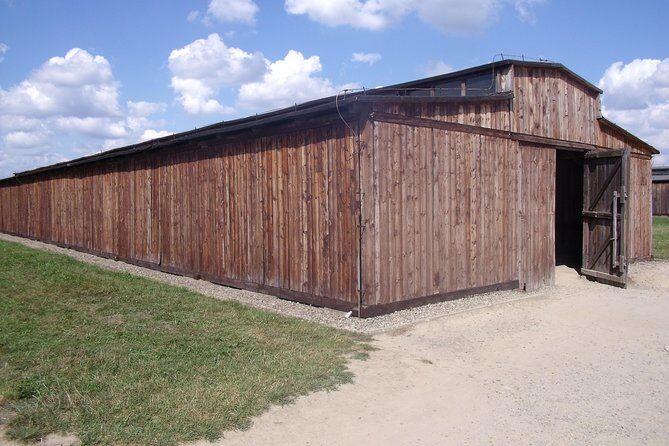
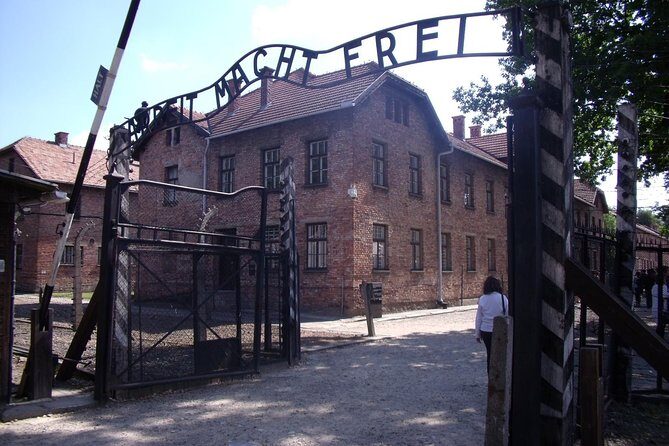
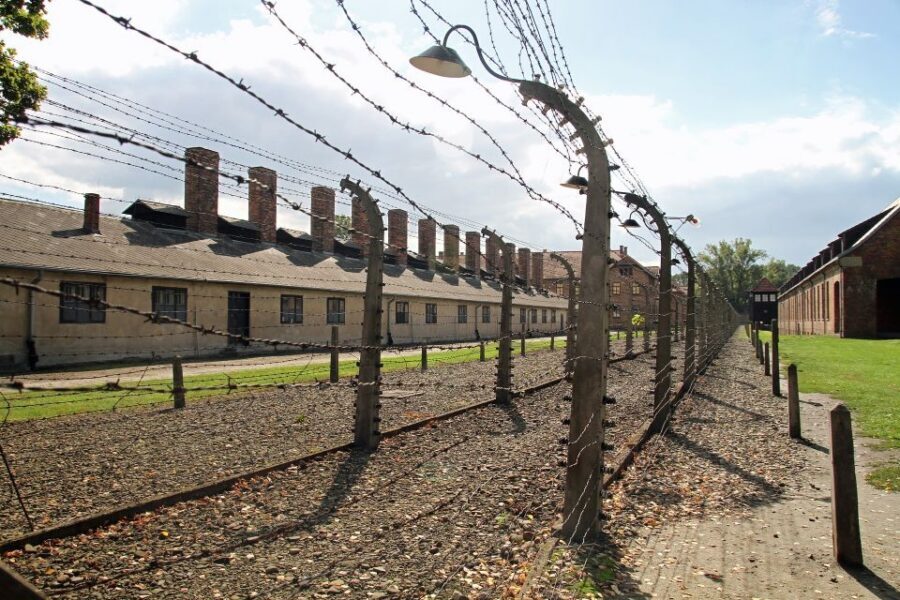
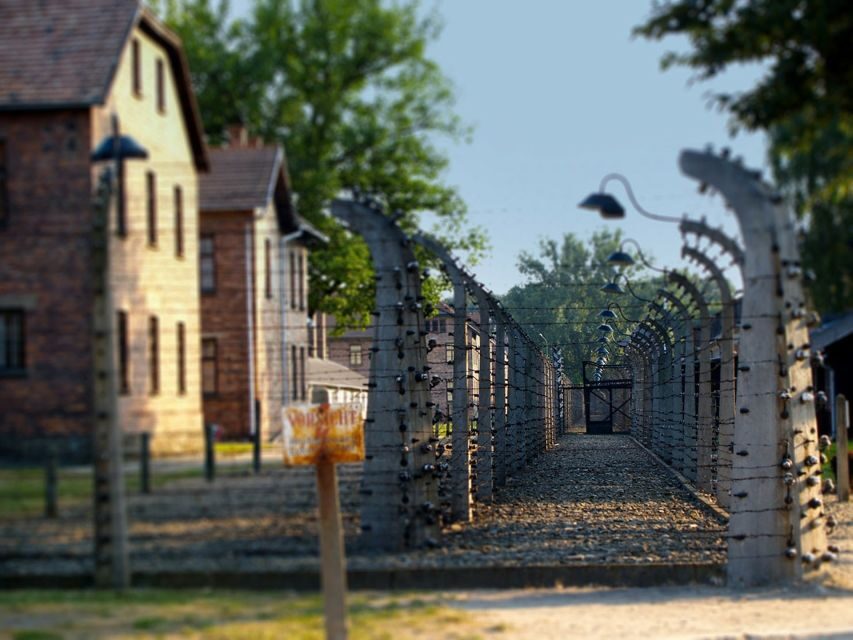
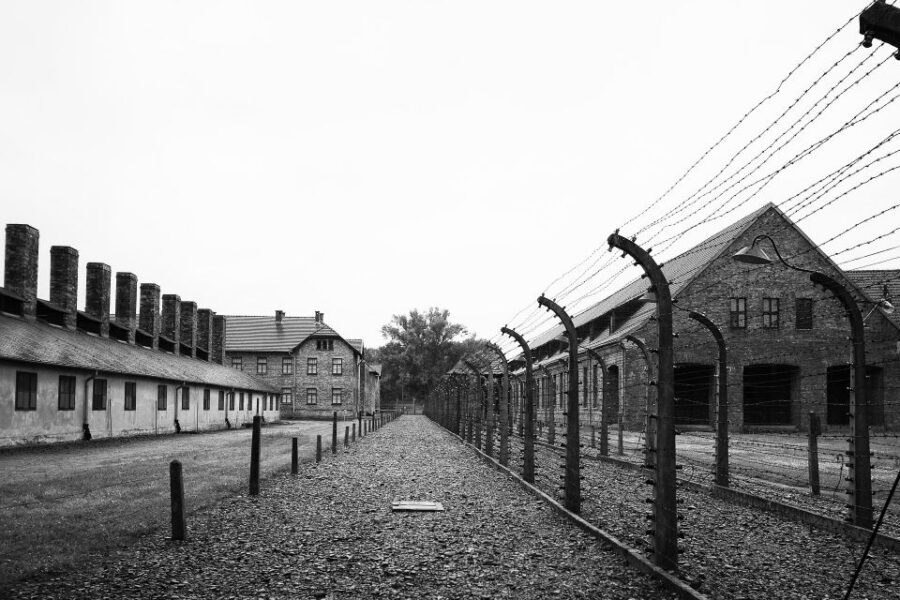
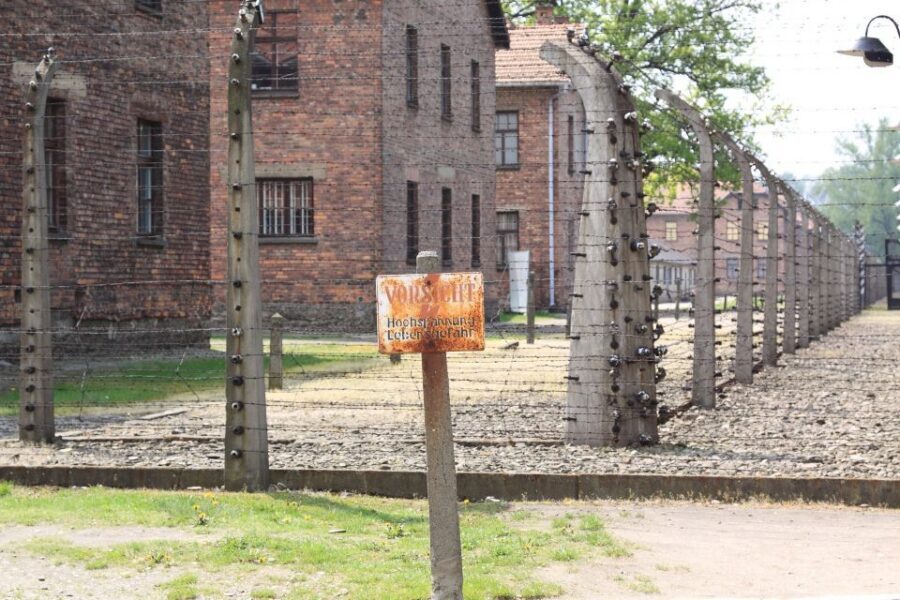
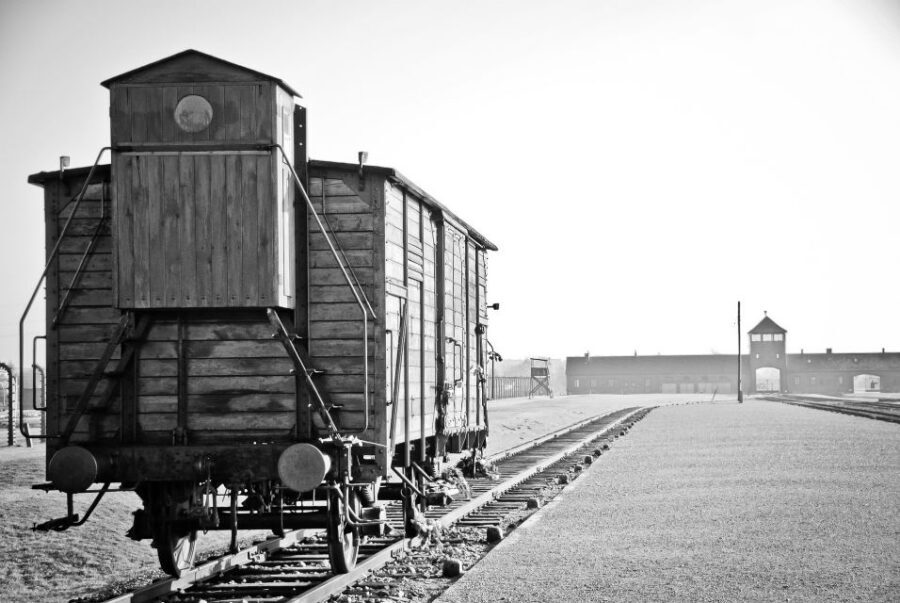
Your guided route covers both sides of the story: the original concentration camp site and the extermination center. You’ll see major memorial features including original prison barracks, museum exhibits, and areas connected to the gas chambers.
It’s not just a “look at buildings” stop. The guided format is meant to connect the physical spaces to the human reality of what happened there: the systems of control, the machinery of persecution, and the way the Nazis carried out the Holocaust.
The kind of stops you’ll encounter
Even without a minute-by-minute itinerary listed here, the structure is clear: the guide leads you through the main sights and buildings for the museum and memorial experience. You’ll move through the areas that are preserved so visitors can understand what those places were used for.
In practical terms, that means you should expect:
- Barracks and preserved structures where the scale and design hit hard, even before the historical details fully land
- Exhibits that fill in context you might not know going in
- Extermination-related areas, including the gas chambers, presented in a way that focuses on historical documentation and meaning, not sensationalism
What to do with the information
This is one of those visits where your brain and emotions won’t agree on a schedule. I find it helps to treat the tour like an assignment you complete with care: listen closely, ask nothing out loud, and don’t rush your own reactions. If you find yourself wanting to stop to process, you’ll likely need to follow the group pace, but you can still take mental breaks between zones.
And because it’s a group tour, you’ll also benefit from a guide who can keep the story coherent—especially when you’re dealing with names, dates, and systems that can blur together if you’re trying to self-navigate.
Hearing the Story Clearly: Licensed Guides and Headsets in a Crowded Memorial
The guide is the difference between a confusing visit and a meaningful one. This tour includes a licensed guide (and English is supported), and it’s specifically designed so you can hear clearly through headsets.
In places like Auschwitz-Birkenau, it’s easy to get distracted by the setting: people stopping for photos, groups clustering, and your own mental fatigue. Headsets help you keep your attention on what the guide is explaining rather than competing with background noise.
Also, the tour language is kept to one language. That may sound like a small operational detail, but it affects your experience a lot. It means the guide can deliver the story in a consistent way without interruptions or partial translations.
If you’re someone who likes to understand what you’re looking at (instead of just absorbing imagery), this is a strong setup. You’re not only visiting the site—you’re building context while you’re standing in front of it.
Tickets, Names, and Non-Refundable Entry: The Stuff That Can Trip You Up
Here’s the practical reality check: entrance may be refused if the name you provided at booking doesn’t match the name on the ID you use at entry. That includes exact spelling and identity matching, so don’t treat it like a minor typo problem.
Also, museum tickets are non-refundable due to museum requirements. So if you’re unsure whether you can travel on that exact date, you’ll want to think carefully before you buy.
Finally, while the transfers and tour are set up to be organized, the museum still sets the rules for how groups move and are guided. This tour is designed around that: you get private transport, but you join an official guided experience once inside.
Food and Timing: How to Stay Human on a 6-Hour Heavy Day
This experience runs long enough that your comfort matters, even though your main job is to pay attention. Lunch is optional, not included, and you’re advised to bring a packed lunch to save time.
There is also a small café on-site where you can buy snacks. That’s useful if you don’t want to carry food all day or if you’re arriving hungry and want an easy option.
My practical advice is simple:
- Eat something beforehand so you’re not hungry while listening
- If you bring food, keep it easy—no elaborate meal you have to find a place for
- Wear layers and comfortable shoes, because you’ll be on your feet longer than you might expect
This is also one of those tours where people underestimate how tiring it can be. You’ll walk, listen, process, and then do the return drive. Plan your evening afterward like it might be quiet and slow.
Price and Value: Is $219 a Good Deal for a Katowice–Auschwitz Day?
At $219 per person, you’re paying for a mix of things that self-planning often makes messy: private transport, skip-the-line entry, and a licensed group tour inside the memorial site.
Here’s how I’d judge value:
- Private transfers from your accommodation save you time and mental effort compared with figuring out public transit or staging coordination yourself.
- Skip-the-line tickets reduce waiting and help you start the guided portion efficiently.
- The tour includes a licensed guide, headsets, and a group-size cap—so you get guided structure without joining a giant crowd.
The main cost-related drawback is that you don’t control the exact pacing inside like a solo visit would. You trade freedom for interpretation and efficiency, and for Auschwitz-Birkenau, that trade often feels worth it.
If your top priority is convenience and clarity on the first visit, this price can make sense. If you’re traveling on a tight budget and are comfortable handling everything independently, then it may feel expensive. But if you want a day that runs on rails, $219 isn’t crazy for what you get.
Accessibility and Movement: What the Site’s Reality Means
This tour is listed as wheelchair accessible, and wheelchairs are available from the Visitor Service Center if reserved in advance.
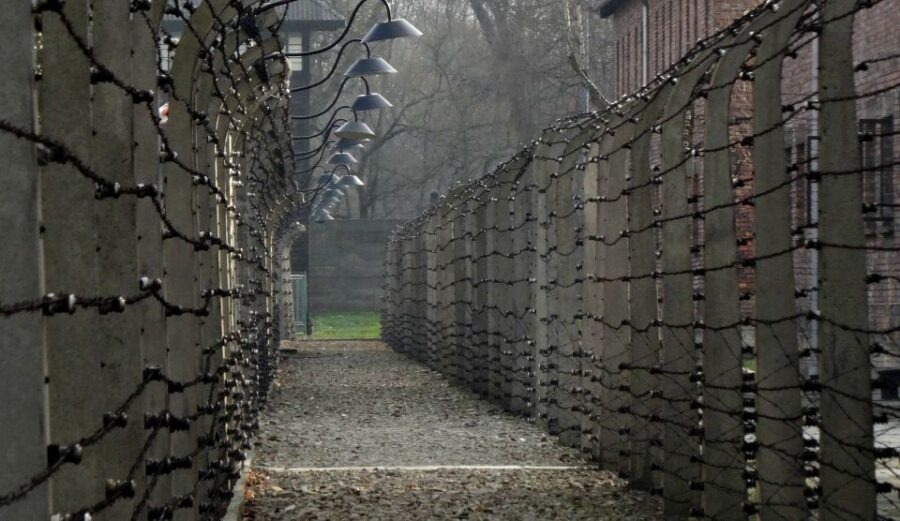
At the same time, the tour notes that preserving historical authenticity can make movement difficult for some people with disabilities. That matters because Auschwitz-Birkenau isn’t an ordinary museum floor plan. Surfaces, distances, and preserved areas can limit what feels comfortable or possible.
So if accessibility is a key concern for you, you’ll want to plan with realistic expectations and consider reaching out to confirm the best approach based on your needs.
Who This Tour Fits Best (and Who Might Feel It’s Not Their Style)
This is a good match if:
- You’re visiting for the first time and want a guided story with context
- You prefer a smooth logistics setup from Katowice
- You value hearing the guide clearly through headsets
- You want to avoid long waits thanks to skip-the-line entry
- You want a group that’s not enormous (max 30)
It might not be ideal if:
- You strongly prefer total independence and self-paced exploring
- You need extensive breaks at your own rhythm beyond a group format
- You want long periods of free time to wander without guided interpretation
Also, mentally: this is emotionally heavy history. If you’re sensitive to distressing material or you’re not prepared for difficult content, you should consider whether a guided visit on a fixed schedule is the right choice right now.
Should You Book This Auschwitz-Birkenau Tour from Katowice?
I’d book it if you want private door-to-door transfers, skip-the-line entry, and a structured 3.5-hour licensed guided tour that helps you understand what you’re seeing without losing time to logistics.
I would not book it without being ready for two real-world factors: the site is emotionally demanding, and you must bring the right ID with a booking name that matches exactly. Get those right, and the tour format becomes a practical way to give this place the attention it deserves.
If you want, tell me your travel dates and whether you’re booking for English. I can help you plan what to pack and how to schedule the rest of your day in Katowice so you’re not rushing afterward.
FAQ
How long is the Auschwitz-Birkenau tour from Katowice?
The total experience lasts about 6 hours, including private transfers, with a guaranteed 3.5-hour group tour inside the Auschwitz-Birkenau Museum and Memorial Site.
What does the skip-the-line ticket cover?
You get skip-the-line tickets for the 3.5-hour group tour at the Auschwitz-Birkenau Museum and Memorial Site.
How many people are in the group?
The group size is limited to 30 people.
Will I be able to hear the guide clearly?
Yes. Headsets are provided in Auschwitz to help you hear the licensed guide clearly.
Are private transfers included?
Yes. The tour includes private car pickup and drop-off at your accommodation in Katowice.
Is lunch included?
No. Lunch is optional. There is a small café at the museum for snacks, and you’re advised to bring a packed lunch to save time.
What if my booking name doesn’t match my ID?
Entrance may be refused if the name on the booking is not identical to the name on the ID you use at entry. Tickets are also non-refundable.