REVIEW · KRAKOW
Wheelchair accessible PRIVATE transfer to Auschwitz – Birkenau
Book on Viator →Operated by Taxi Bus Krakow · Bookable on Viator
Auschwitz day trips can feel chaotic. This one removes the stress with a wheelchair-accessible private transfer that starts at your hotel pickup.
I especially like the clean logistics: round-trip transport from Krakow, no meeting point scramble, and a driver who can help you plan the timing around museum entry. You also get a plan that splits the day between Auschwitz I and Birkenau, with headphones provided to make the visit easier to manage.
One drawback to know up front: the museum is not fully accessible, so you’ll still face on-site limits. Even with the right vehicle and support, the day will be constrained by museum rules and the physical layout of the sites.
In This Review
- Key things I’d pay attention to
- Why this private wheelchair transfer is worth it
- How the day runs from Krakow to Auschwitz-Birkenau
- Auschwitz I: what your two-hour plan gives you
- Birkenau by minivan: the second leg that completes the story
- Accessibility realities: wheelchairs, headphones, and what to expect
- Getting tickets right, plus the bag and ID rules
- Price and value: what you’re really paying for
- The driver factor: comfort and real help (Piotr story)
- Who this Auschwitz-Birkenau transfer suits best
- Should you book this private wheelchair transfer?
- FAQ
- What’s the pickup timing from Krakow?
- Is this a private tour or shared with others?
- Is the transfer wheelchair accessible for both manual and electric wheelchairs?
- Do I need to go to a meeting point in Krakow?
- Are museum entrance fees included in the price?
- Is food included?
- What are the luggage and ID rules?
- What’s the duration and visit breakdown?
- Can I cancel for a full refund?
Key things I’d pay attention to
- Door-to-door pickup with no meeting place hassle in Krakow
- Pickup timing that matches your entrance slot (two hours before)
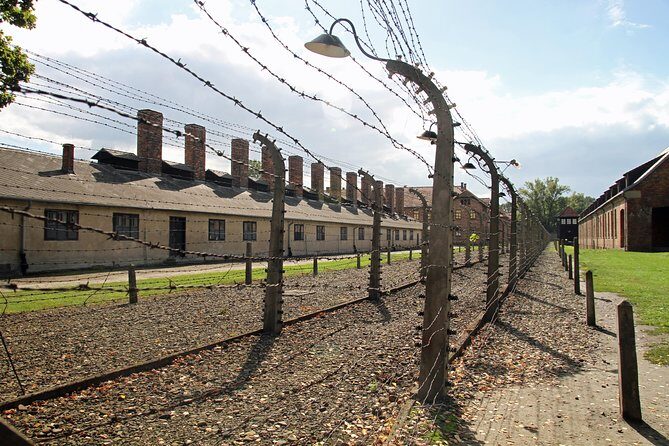
- A two-part route: about two hours at Auschwitz I, then about one hour at Birkenau
- Headphone system to help you get more from the visit despite accessibility challenges
- Driver support that can save the day (including an English-speaking driver named Piotr who helped rework timing)
- Tight museum rules on bags, photo ID, and security screening
Why this private wheelchair transfer is worth it
Auschwitz-Birkenau is hard enough without transport problems on top. What makes this experience practical is that it’s designed around one thing many visitors struggle with: getting there and back in a way that works for a wheelchair user.
Instead of coordinating buses, waiting around, or hunting for the right entrance, you get a private vehicle with hotel pickup and drop-off. The driver handles the driving, the parking, and the logistics of getting you to the main entrance—so you can focus on the visit itself.
I also like that this isn’t just “accessible on paper.” The service includes support for both manual and electric wheelchairs, and the minivan has space for one wheelchair plus four standard seats. That matters if you’re traveling with companions who can walk a bit, but still need the wheelchair user to move smoothly from door to door.
Other private Auschwitz tours in Krakow



How the day runs from Krakow to Auschwitz-Birkenau
Here’s the rhythm of your day, and it’s the part you should map in your head before booking.
You’ll be picked up from your accommodation in Krakow. The pickup time is set for two hours before your museum entrance, and you’ll specify the timing when you book. That’s not random. Museum entry is controlled, so being early prevents a lot of stress.
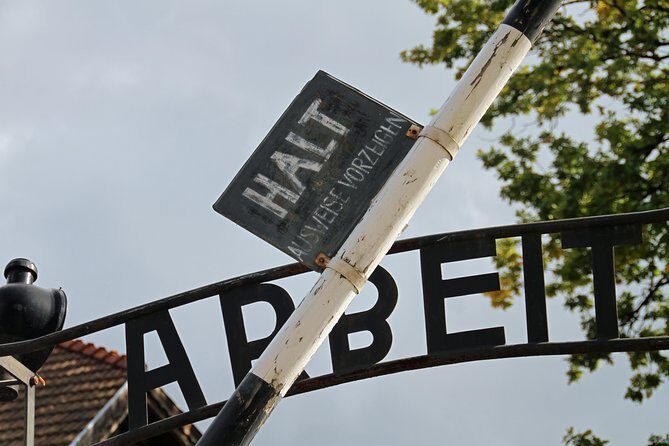
The drive to Auschwitz-Birkenau (in Oświęcim) takes about 1.5 hours. Then you arrive at the site and are taken to the main entrance of the museum. One important catch: you need to buy tickets in advance, because visitor numbers are limited. The transfer gets you there on time, but it doesn’t replace the need for an advance museum ticket.
Your visit is split into two sections:
- Auschwitz I: about 2 hours
- Birkenau: about 1 hour, reached by the same minivan
The full experience runs roughly 8 to 9 hours. That’s a long day, but it’s a realistic allotment for the drive plus the two museum legs. If you’re thinking about energy level—especially with a wheelchair or limited mobility—this pacing is a good fit.
Auschwitz I: what your two-hour plan gives you
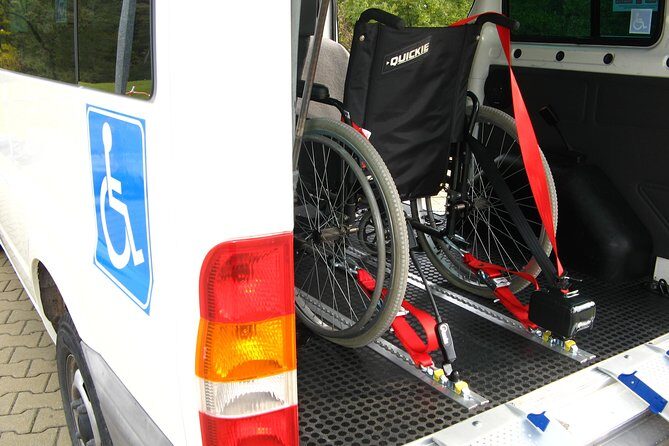
Auschwitz I is the first major stop, and it sets the tone for the whole visit. In this transfer setup, you’re dropped at the main entrance, then you spend around two hours there.
That two-hour block is a key value point. It gives you time to move through the main areas without feeling like you’re being rushed every five minutes, especially because your day includes travel time and a second site.
Also, this experience is built with real-world comfort in mind. The museum is not fully accessible, so even if you can get around, you may still encounter barriers. To help with that, you’re equipped with a headphone system. I like this because it tackles a common problem: when the environment is difficult, audio support can reduce how much you have to strain to understand and follow what’s going on.
The driver will adapt to your needs as much as possible. Still, you’ll have to follow museum regulations on-site. Translation: you can expect help, not magic.
Birkenau by minivan: the second leg that completes the story
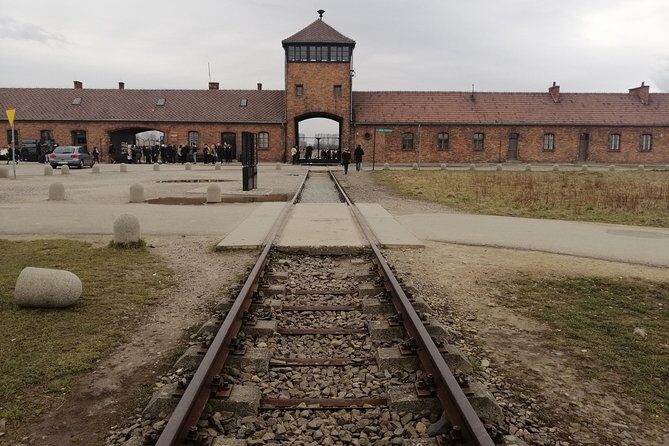
After Auschwitz I, you’ll be taken by the same minivan to Birkenau. The drive between the two areas is part of the transfer flow, and your Birkenau time is around one hour.
Why that matters: Birkenau’s scale and layout can feel different from Auschwitz I. Even with limited time, having the day structured so you don’t have to figure out transport between sites is a big win. You’re simply moved to the next section, and you can focus on the visit rather than planning how to get there.
One caution: one hour can feel short if you want to read slowly or pause often. For wheelchair users, the pace can also be affected by access points and pathways. If you tend to take your time, I’d plan your expectations: this transfer gives you a set visit length, not unlimited time.
Accessibility realities: wheelchairs, headphones, and what to expect
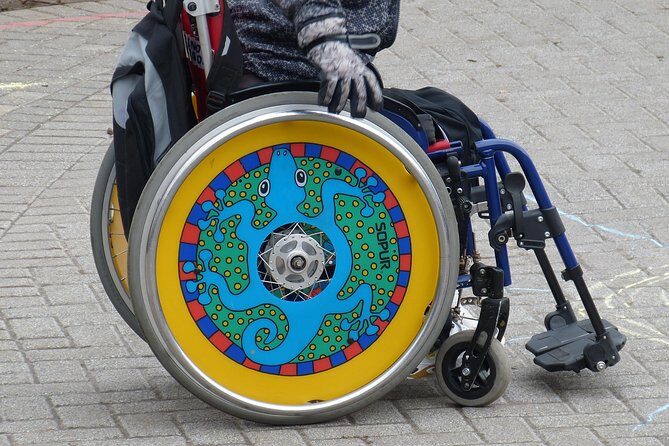
Let’s talk honestly about accessibility here. The transfer itself is wheelchair accessible and includes a wheelchair-friendly minivan, plus service for electric and manual wheelchairs. Your driver can assist, and you’ll be equipped with headphones to make the visit more convenient.
But the museum is explicitly not fully accessible. That means you should anticipate some restrictions once you’re on site—things like uneven or limited routes, barriers, or areas that may not be reachable in the way you’d hope.
So how do you prepare?
- Plan for a managed route, not full freedom of movement.
- Expect to follow museum rules even if they affect your timing.
- Use the headphones. They’re there to help you get more from exhibits even when physical access is limited.
And if you’re traveling with companions, factor in the vehicle layout: there’s room for one wheelchair + 4 standard seats. If you have more than one wheelchair or need extra seating for mobility aids, it’s worth confirming what fits comfortably in the minivan before you lock everything in.
Other private tours in Krakow



Getting tickets right, plus the bag and ID rules
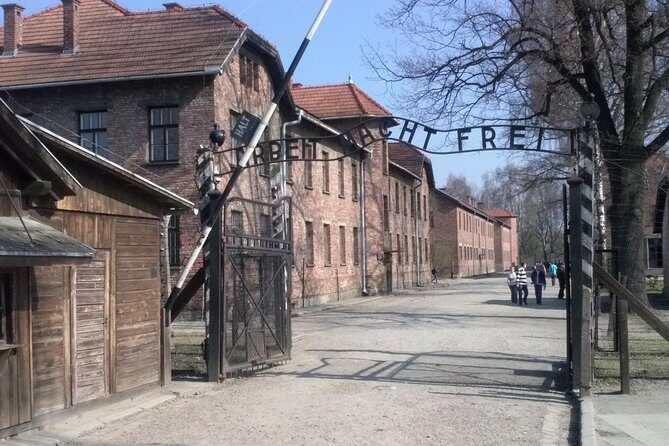
This is one of those tours where the logistics actually protect your day. The museum has limited visitors, and entry is controlled. That’s why you should buy museum tickets in advance rather than assuming you can handle it on the spot.
You’ll be subject to security checks at the entrance. That includes using electronic devices to detect dangerous materials and objects. If someone refuses security checks, they won’t be allowed on the grounds—so it’s best to arrive ready.
Other practical rules you’ll want to follow:
- Bring a document with a photo, name, and surname.
- Keep bags within the allowed size: 30 × 20 × 10 cm.
- Know that each person entering grounds of the museum goes through security screening, which can affect timing.
The good news: because you’re on a private transfer with a planned pickup time, you’re not also juggling public transport delays. Your biggest timing risk is usually your own museum ticket planning and travel to your pickup location.
Price and value: what you’re really paying for
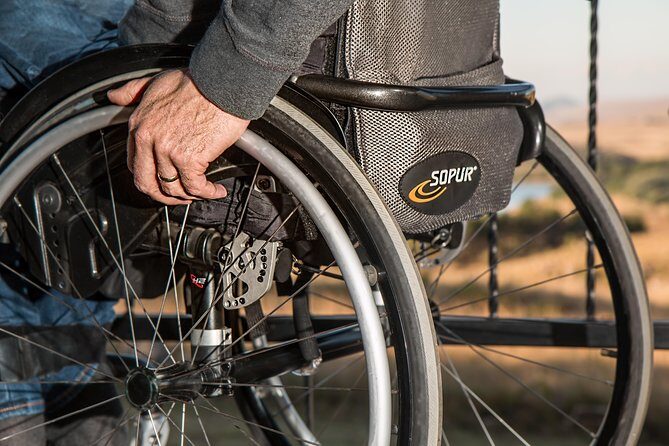
At $295.87 per group (up to 5), this is not the cheapest way to get to Auschwitz-Birkenau. But it’s often good value if you factor in what you’re avoiding: navigating transit while managing a wheelchair user, coordinating schedules, and spending mental energy on logistics.
For many groups, the biggest cost driver is private transport itself. Here, you’re getting:
- round-trip transportation from Krakow
- hotel pickup and drop-off
- a wheelchair-accessible minivan
- assistance from an English-speaking driver
- parking fees included
Museum entrance fees and food aren’t included, so your total day cost will depend on those add-ons. Also, you still need to buy tickets in advance because entry is limited. But that’s not a “gotcha.” It’s part of how the museum runs, and the transfer is set up to work with that system.
One thing I really appreciate is group value. Because it’s priced per group up to five, you can split the cost across a small party. If you’re traveling with family or friends, this format can feel much more reasonable than booking separate rides.
The driver factor: comfort and real help (Piotr story)
A transfer can be “fine,” or it can be dependable. The difference shows up when schedules change.
In one case, an earlier-time shift created a problem: the tour timing moved forward and there was concern they wouldn’t make it. The driver—Piotr—went above and beyond to help them still participate, and he worked with the office to get them access to the rest of the day’s plan. The trip stayed comfortable, and the help was practical rather than vague.
That’s the kind of support you want when you’re dealing with strict museum timing. You can’t always predict delays, and private transfers are only as good as the driver behind the wheel. An English-speaking driver who’s willing to help you troubleshoot is a real quality signal.
Who this Auschwitz-Birkenau transfer suits best
This experience is a strong fit if:
- you need a wheelchair-accessible private vehicle
- you want hotel pickup so your day starts without stress
- you’re traveling with a small group (up to five)
- you appreciate a scheduled visit structure: Auschwitz I, then Birkenau
It’s also a good choice if you dislike wasting time trying to coordinate transport between parts of the sites. The plan keeps you moving, and the driver handles the driving and parking.
It may be less ideal if:
- you’re bringing a child aged 14 and under (it’s not recommended for that age group)
- you need unlimited time in the museums (your visit windows are set)
- you expect the sites to be fully accessible throughout (the museum is not fully accessible)
Should you book this private wheelchair transfer?
If your priority is a smooth, low-stress day in Krakow with wheelchair-friendly transport and a driver who can support you, I think this is a smart booking. The door-to-door pickup and the two-part Auschwitz I + Birkenau structure help you use your time well, especially when museum entry is time-limited.
I’d book it if your group fits the vehicle setup (one wheelchair plus up to four seated companions) and you’re comfortable planning tickets in advance. It’s also a good idea if you want that added confidence that someone is handling parking and transport, not just pointing you toward the entrance.
Skip it or rethink it if you want full on-site accessibility or you’re not ready to follow the museum’s strict bag and security rules. The museum’s layout sets real constraints, and the transfer can’t change that.
FAQ
What’s the pickup timing from Krakow?
You’ll be picked up from your accommodation in Krakow two hours before your museum entrance time. You specify the timing when you book.
Is this a private tour or shared with others?
This is a private tour/activity. Only your group participates.
Is the transfer wheelchair accessible for both manual and electric wheelchairs?
Yes. The service includes support for both electric and manual wheelchairs, and the minivan has space for one wheelchair plus 4 standard seats.
Do I need to go to a meeting point in Krakow?
No. The experience starts with a hotel pickup, so you don’t need to go to a meeting place.
Are museum entrance fees included in the price?
No. Museum entrance fees are not included, and you’re asked to buy museum tickets in advance because visitor numbers are limited.
Is food included?
No. Food and drinks are not included.
What are the luggage and ID rules?
You need a photo document with name and surname. Bags and backpacks must be no larger than 30 × 20 × 10 cm, and security checks are required using electronic devices.
What’s the duration and visit breakdown?
Plan for about 8 to 9 hours total. You’ll drive to the site in about 1.5 hours, visit Auschwitz I for about 2 hours, then go to Birkenau for about 1 hour.
Can I cancel for a full refund?
Yes, free cancellation is offered. You can cancel up to 24 hours in advance for a full refund. If you cancel less than 24 hours before the start time, the amount paid isn’t refunded.