REVIEW · KRAKOW
Auschwitz Birkenau Guided Tour with Ticket Hotel Pickup Small Van
Book on Viator →Operated by Krakow Auschwitz - Tours · Bookable on Viator
Auschwitz-Birkenau is heavy, but the logistics are light. This guided trip pairs hotel pickup with a licensed English museum guide and includes headphones, so you can focus on what you’re seeing instead of playing catch-up with timing. The one real catch is that the day runs on the memorial’s schedule, so the pace can feel tight—especially if your pickup ends up early.
You’re paying for more than a ticket. You get round-trip transport from Krakow in a shared vehicle (up to 8 in the car), admission included, and museum skip-the-line handling that helps cut down avoidable waiting.
Before you book, know the non-negotiables: you must bring your ID/passport and the tour requires exact legal names matching your document. Also, you’ll do real walking—often outdoors—so comfortable shoes and warm layers matter.
In This Review
- Key things to know before you go
- Pickup From Krakow: small van comfort, big morning decisions
- Skip-the-line tickets and the official museum format
- Auschwitz I: the part that can feel like a lesson in airlessness
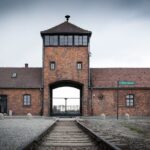
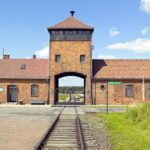
- Birkenau (Camp II): when the scale becomes the message
- Headsets, English guidance, and why the day stays understandable
- Breaks, bathrooms, and the lunch reality
- What the driver does beyond driving
- What to pack (so nothing stops you at the gate)
- Is it worth $32.65? Where the value actually comes from
- Who this tour fits best, and who might prefer something else
- Should you book this Auschwitz-Birkenau guided tour from Krakow?
- FAQ
- How long does the Auschwitz-Birkenau guided tour take?
- What languages are offered?
- Are entry tickets included?
- Is pickup from my hotel included?
- Do I need headphones?
- What documents do I need to bring?
- Is lunch included?
Key things to know before you go
- Hotel/area pickup in Krakow: you’re collected from your lodging or one of several listed meeting points.
- English museum guidance with headsets: headphones are included so you can follow every stop clearly.
- Admission and skip-the-line entry: tickets are handled so you don’t arrive to sort paperwork.
- A full Auschwitz I + Birkenau day: about 3.5 hours inside the camps, with the whole outing around 7 hours total.
- Fixed museum pacing: the route and timing are controlled by the memorial, not by your driver/operator.
Pickup From Krakow: small van comfort, big morning decisions
The day starts with a pickup window, typically between 7:30am and 10:00am, with the exact time confirmed the day before. In practice, some people get earlier pickups (around 6:15–6:45am) because entry slots and access times can shift based on what the museum assigns. If you have a flight the same day before, plan on being a bit tired and keep water and snacks in mind for the drive.
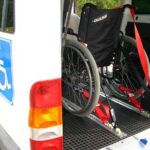
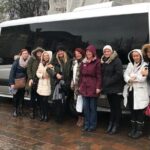
The transport is a shared A/C minivan (you’re not packed into a giant bus). Many groups cap out low enough that you can hear your driver’s instructions without shouting, and it’s easier to manage the day with fewer people to coordinate.
You also get helpful human touchpoints. Drivers often bring practical guidance—where you’ll be taken first, how entry works, and what you should do with your documents. On some days, you may even watch a short documentary during the ride (availability depends on the situation).
Other Auschwitz I and Birkenau combined tours in Krakow
Skip-the-line tickets and the official museum format
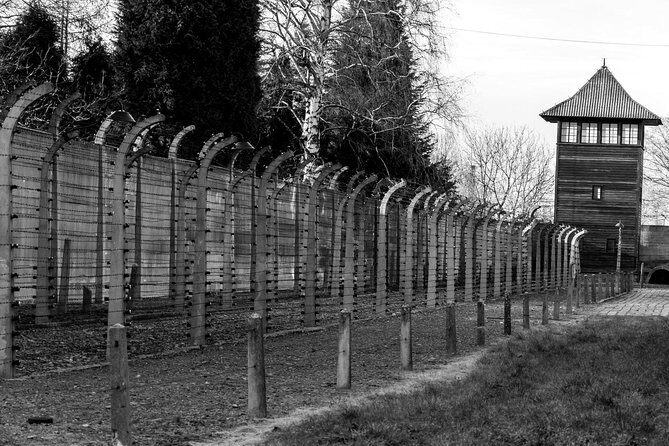
This tour is structured around the museum’s own guided visit. That’s a good thing. You’re not waiting around to figure out which entrance to use or which route to follow once you arrive—your day is built around getting you into the official flow fast, then staying with the licensed guide for the correct order.
The museum tour inside Auschwitz and Birkenau runs about 3.5 hours, and you’ll use headphones for the English commentary. That matters because a lot of the “where am I supposed to stand” moments get handled for you, and it’s easier to absorb what’s being explained without straining over background noise.
Also, be aware of what is and isn’t flexible. The pace inside the memorial is set by the museum. Your guide must follow the approved route and timing, especially when there are many groups in the area.
Auschwitz I: the part that can feel like a lesson in airlessness
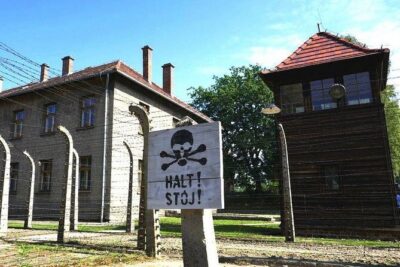
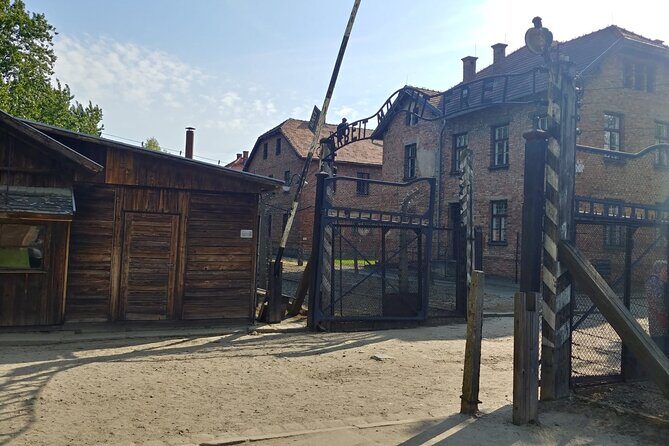
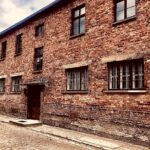
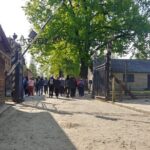
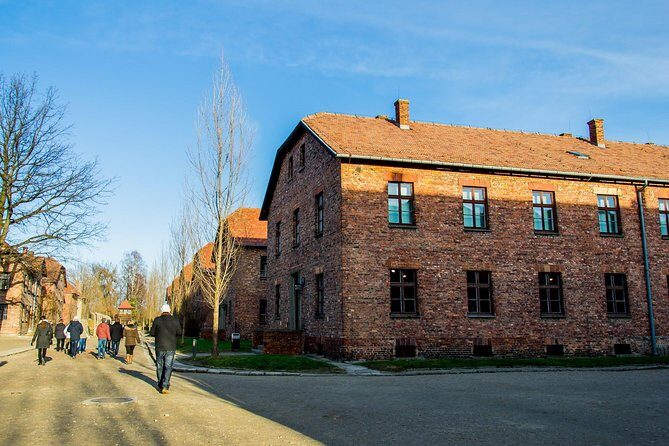
Auschwitz I is where you start to understand the machinery of the camp system through the built environment—blocks, exhibits, and documented history. For many visitors, this is the section where the weight really settles in. It’s not a quick walk-through, but it does move in a guided, planned way.
The headphones help you keep track of the guide’s explanations as you move between stops. You might hear the story in a clear, chronological way, which makes it easier to connect what you’re seeing to the larger historical context.
Timing is tight here. There’s a defined route, and you usually don’t get long pauses to stand alone and overthink each room. That’s not a flaw in the guide; it’s how the memorial manages crowd flow.
If you’ve ever worried that an Auschwitz tour will feel like a rushed “checklist,” aim to protect your focus anyway. I suggest you mentally slow down even if the group pace can’t. Look first. Listen second. Then let it hit.
Birkenau (Camp II): when the scale becomes the message
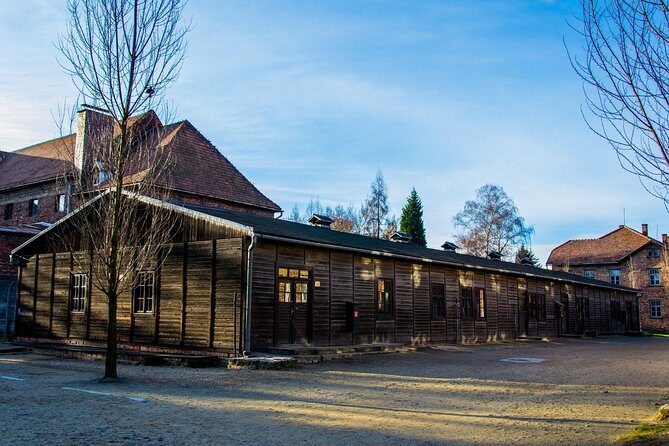
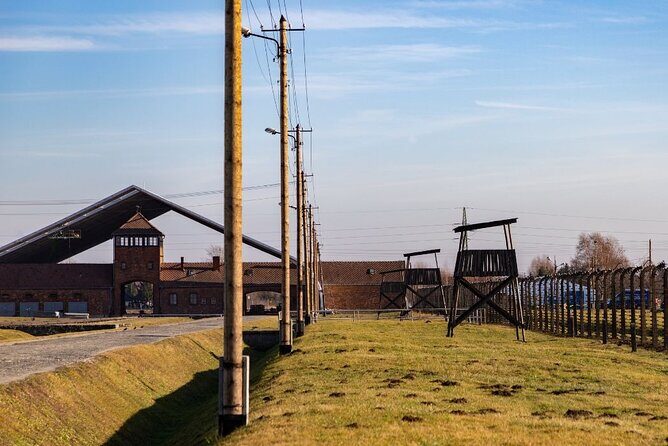
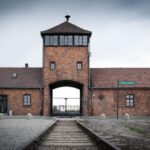
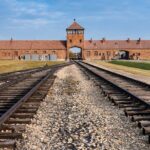
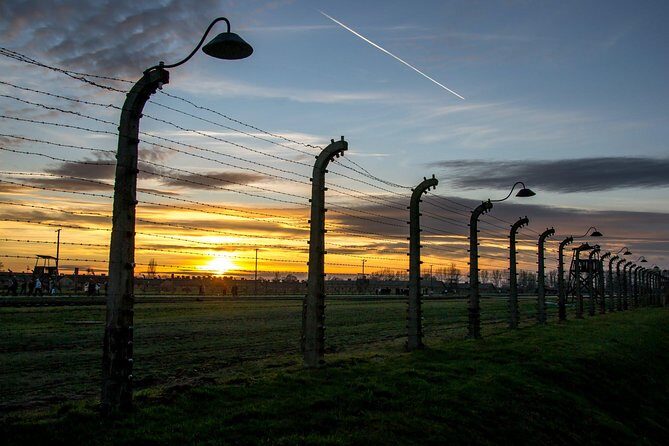
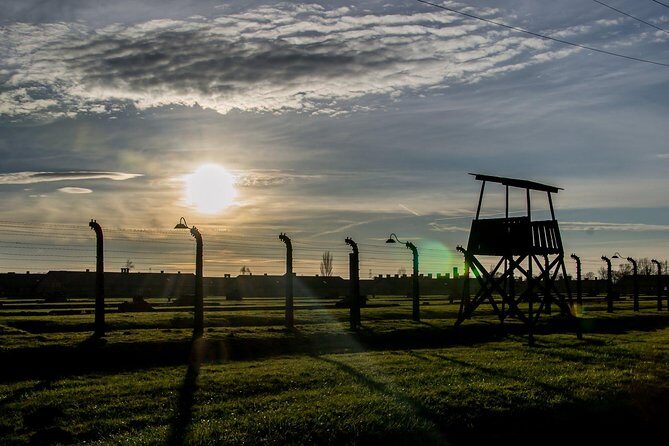
Birkenau is different in a way that’s hard to explain until you’re there. Auschwitz I often feels like the place where history is presented through buildings and rooms. Birkenau feels like history presented through space—open ground, layout, and the sheer vastness of what was built.
You’ll typically continue as part of the same guided visit, moving from one camp area to the other with only limited downtime in between. Some people describe the transfer break as short, which is exactly why planning matters: wear layers you can tolerate in both sun and cold, and don’t count on long restroom breaks between segments.
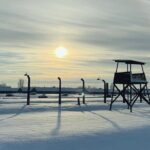
On a cold, snowy day, the conditions can add an extra layer of realism—uninvited, but unavoidable. One driver helped guests stay comfortable even in harsh weather, including paying attention to safety on the road. That kind of competent handling is worth more than you’d think when you’re standing outdoors for periods of time.
Headsets, English guidance, and why the day stays understandable
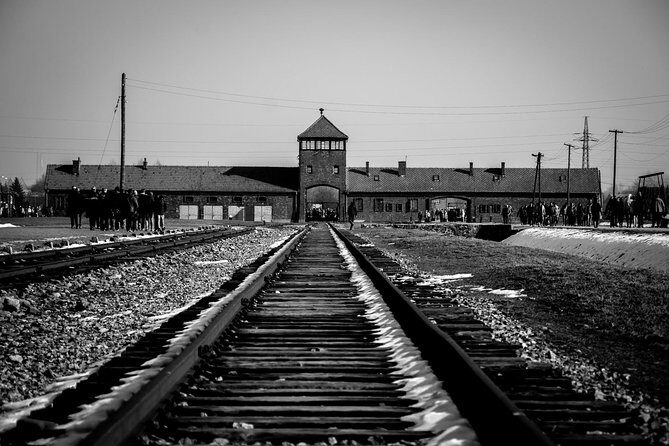
This is an English guided tour with headphones included. That’s one of the best value parts of the whole experience.
With audio headsets, you can keep your attention on the exhibits and avoid the frustrating rhythm of trying to hear through a crowd. It also helps if you’re hard of hearing in noisy outdoor areas or just want to stay fully present rather than constantly scanning for the guide.
Your museum guide is licensed by the memorial, and they’ll stay with your group through the Auschwitz I and Birkenau segments. You may meet different guides on different days—examples from past groups include names like Cecylia and Aga—and they tend to be strong at explaining what you’re looking at without turning it into a performance.
One practical note: since the guide’s schedule is fixed, questions and slow reflection can be limited by congestion and group movement. It’s still meaningful—just know it’s a guided structure, not a wandering museum day.
Other Auschwitz tours with hotel pickup in Krakow


Breaks, bathrooms, and the lunch reality
Food isn’t included in the base price. That said, there’s often an optional packed lunch add-on for an extra cost, and it can be useful because the museum day is long. Prices vary depending on the operator offering that day, but you might see figures like 60 PLN in some cases or other local pricing depending on language and package options.
Breaks are also part of the memorial’s rhythm. You’ll get some time between major segments, and the total flow aims to complete the official visit without leaving groups behind. In busy times, restroom lines can get long, which is when people feel most rushed.
If you’re the type who needs a quiet minute to regroup, don’t fight the schedule. Instead, use your water bottle, step aside when you can, and pick one or two moments you want to stand with. You’ll get fewer “pause breaks” than you might want, but you can still choose where your attention lands.
What the driver does beyond driving
Your driver is part logistics coach, part calm-outside-the-chaos person. The best drivers do three things well:
1) They contact you with the pickup plan.
2) They keep the flow moving at security and check-in points.
3) They make sure you return to Krakow smoothly afterward.
Drivers you might see referenced include Pawel, Igor, Lukas, Maciej, Konrad, and Arthur—and several were praised for warm communication, punctual pickup, and helpful instructions. On at least some days, the driver also stayed with the group at the handoff point to make sure everyone reached the museum guide without confusion.
Even if your driver isn’t part of the museum’s narration, you’ll feel the benefit: less uncertainty, fewer missed steps, and a smoother return to the city.
What to pack (so nothing stops you at the gate)

Bring your ID or passport. The tour requires the exact legal name for every participant, matching the document you show at security. If the name on the booking doesn’t match your ID exactly, you risk being turned away.
For clothing, plan for outdoor time and cold. One clear piece of advice from winter experiences: dress warm because you may be outside and standing, sometimes in snow or wind. Comfortable walking shoes are a must—this isn’t a sit-and-smile attraction.
Also, since you’re often starting the day early, think like you’re going on a long day hike: layer up, carry a bottle of water if allowed for your comfort, and keep a light plan for meals (especially if you don’t buy the packed lunch option).
Is it worth $32.65? Where the value actually comes from
At around $32.65 per person, this is strong value for Krakow-based visitors who want the essentials: transport, admission, an official guide, and headsets.
Here’s why the pricing can make sense:
- Admission is included, which saves hassle compared to piecing it together.
- Headphones are included, and they genuinely improve comprehension.
- Skip-the-line handling reduces the most annoying part of the day: being stuck on a “maybe” line while other groups flow.
- Hotel-area pickup and drop-off saves you time and energy, especially when you’re dealing with an early start.
The trade-off is that you don’t control pacing once you’re inside the camps. If you want a slow, private, contemplative schedule with more flexibility, you’ll likely need a private option (which, based on how often it gets discussed, costs significantly more). This tour is best for people who want a well-run structure and a guided explanation without organizing transport themselves.
Who this tour fits best, and who might prefer something else
This Auschwitz-Birkenau day trip is a good fit if you:
- Want English narration with headphones
- Appreciate hotel/area pickup and don’t want to manage buses and timing
- Prefer a guided route with minimal logistics stress
- Are ready for a heavy, emotional experience but still want an efficient plan
You might consider a different setup if you:
- Are extremely sensitive to early pickup times and tight schedules
- Need extra time for private reflection at each location
- Want more freedom from group pacing (the museum route controls that)
Either way, go in knowing this is walking, standing, and an emotionally demanding site. If you prepare yourself mentally, the guided structure can help you absorb more instead of getting lost.
Should you book this Auschwitz-Birkenau guided tour from Krakow?
Yes—if your priority is a respectful, guided day with transport sorted and entry handled. The headsets, English museum guide format, and included admission make it a practical choice, especially when you’re starting in Krakow and want to avoid the common “we lined up for tickets” headache.
Book it when:
- You want the official structure of Auschwitz I + Birkenau with English audio.
- You prefer a small-van pickup flow and a straightforward return to the city.
- You’re okay with the museum’s fixed pace and short break windows.
Skip it or look for a private alternative if:
- You strongly dislike early mornings and want to control your schedule at the memorial.
- You need more time at specific points to reflect without being pulled along by group timing.
If you do book, the biggest win is simple: bring your passport/ID, dress warm, wear comfortable shoes, and let the guide’s narration do its job while you stay present.
FAQ
How long does the Auschwitz-Birkenau guided tour take?
The museum visit is about 3.5 hours, and the full activity is around 7 hours total with transport from Krakow.
What languages are offered?
The guided tour is offered in English.
Are entry tickets included?
Yes. Admission tickets are included, with skip-the-line access to help you enter more smoothly.
Is pickup from my hotel included?
Pickup from hotels, apartments, and hostels in Krakow is included, or you can choose from listed meeting points. Pickup times are confirmed the day before.
Do I need headphones?
Yes. Headphones are included for the English guided portion.
What documents do I need to bring?
You must bring your ID or passport, and you’ll need to use the exact legal name matching your document, because names are required to purchase entrance tickets.
Is lunch included?
Food and drinks are not included in the base price. There is an optional packed lunch add-on for an extra cost on some days.