REVIEW · KRAKOW
Krakow to Auschwitz Birkenau Guided Tour with Transfer and Ticket
Book on Viator →Operated by Hello Cracow · Bookable on Viator
Hard history, handled with care and structure. This Kraków day trip takes you to Auschwitz-Birkenau with smooth transport, museum timing, and a serious guide-led route through key sites. It’s designed for people who want remembrance, not guesswork.
I like the headsets for Auschwitz I, because they help you hear the guide clearly without breaking the quiet. I also like the round-trip transfer from Kraków (with pickup options), so you’re not stressed about logistics on a long day. The main drawback: the museum visit follows strict scheduling and pacing, so you may not get as much solo reading time as you’d like.
In This Review
- Key takeaways before you go
- Kraków to Auschwitz: what this tour does well
- Price and what you’re really paying for
- Pickup in Kraków: easy when it matches your location
- The start point and the drive to Oświęcim
- Stop 1 in Auschwitz I: where the tour’s seriousness hits hardest
- A short break that keeps the day realistic
- Stop 2 in Birkenau (Auschwitz II): vast, exposed, and emotionally heavy
- The pacing trade-off: structure vs. solo reading time
- Getting back to Kraków with a buffer
- What to bring (so the day doesn’t trip you up)
- Photography and behavior rules that keep the mood respectful
- How guides make the difference (and what you might notice)
- Who this tour suits best
- Should you book this Auschwitz-Birkenau tour from Kraków?
- FAQ
- How long is the Kraków to Auschwitz-Birkenau tour?
- Does the ticket price include entry to Auschwitz I and Auschwitz II?
- Are headsets included?
- Do I need a passport or ID?
- What’s the pickup like in Kraków?
- Is there food available on-site and is lunch included?
- How much of the tour is outdoors?
- Can I take photos?
- How big are the groups?
- Can I cancel and get a refund?
Key takeaways before you go
- Timed museum flow plus small groups: up to 30 people, with headset support where provided.
- Headsets for Auschwitz I: easier to follow the story clearly while you walk through the first camp.
- Full day feels full: travel time plus set visits makes it long, even if you start early.
- Plan for outdoors: up to 70% outdoors, so weather and walking surfaces matter.
- Tickets and entry are handled: admission to Auschwitz I and Auschwitz II is included.
- Bring basics: ID/passport, snacks, water, and comfy shoes you can handle cold or mud.
Kraków to Auschwitz: what this tour does well
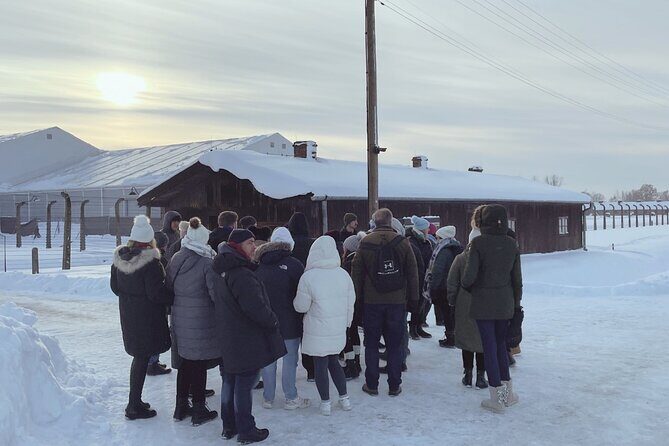
This tour’s value is in the hard-to-get parts: getting from Kraków to Oświęcim with minimal hassle, arriving in time for the museum flow, and having admission and guide structure already set. For a site where the details matter, having a plan you can trust is a big deal.
The route also makes practical sense. You start in central Kraków, head out by air-conditioned van or mini-bus for about 1 hour 15 minutes each way, then you’re inside the museum with a licensed guide. The day is built to keep you moving through Auschwitz I first, then Birkenau after a short break.
Other Auschwitz I and Birkenau combined tours in Krakow
Price and what you’re really paying for
At $36.28 per person for a roughly 7-hour day, you’re not just buying a ticket. You’re getting round-trip transport, a licensed guide, admission fees for both camp sections, and headset equipment for the Auschwitz I portion.
That matters because Auschwitz visits quickly add up once you factor in travel plus timed entry. Here, the cost is tied to the main building blocks you actually need for a smooth day: transport, museum access, and interpretation.
Pickup in Kraków: easy when it matches your location
Pickup is one of the most important parts of any Auschwitz day trip, and this one aims to remove the friction. Depending on what you selected, you’ll either get hotel pickup (in the option limited to 15 people) or a meeting point with instructions sent to you in advance.
A few location notes matter:
- Some hotel areas can be in restricted traffic zones, so pickup may happen from the closest accessible point.
- Roadworks mean pickups from western Kraków are currently unavailable.
- The meeting point at Floriana Straszewskiego 19 (next to the Philharmonic) is temporarily closed, so you’ll be assigned an alternative if you were near it.
In plain terms: if you’re staying near the Main Square, you’ll usually get a nearby pickup point. If you’re farther out, expect to walk a bit to reach the assigned stop.
The start point and the drive to Oświęcim
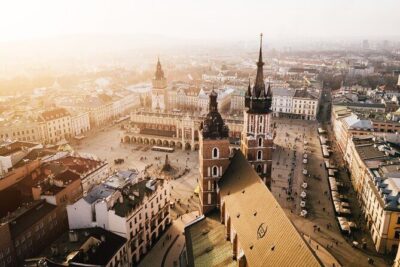
Your first stop is Kraków’s Rynek Główny (Central Square), or another chosen pickup location. From there, you ride to Oświęcim—about 65 km away.
On the way, the tour is built around reliability. Departure time depends on museum availability and will be confirmed the day before, and booked times are approximate (traffic and museum scheduling can shift things). You’ll also be required to go through an airport-style security check before entering the Auschwitz-Birkenau Memorial and Museum.
Stop 1 in Auschwitz I: where the tour’s seriousness hits hardest
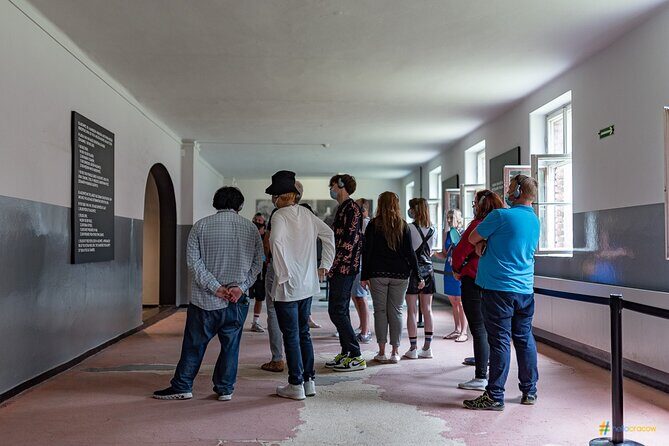
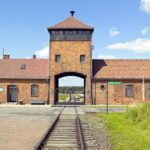
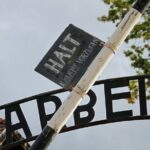
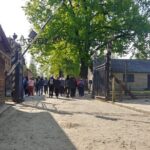
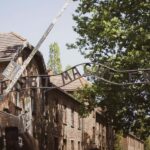
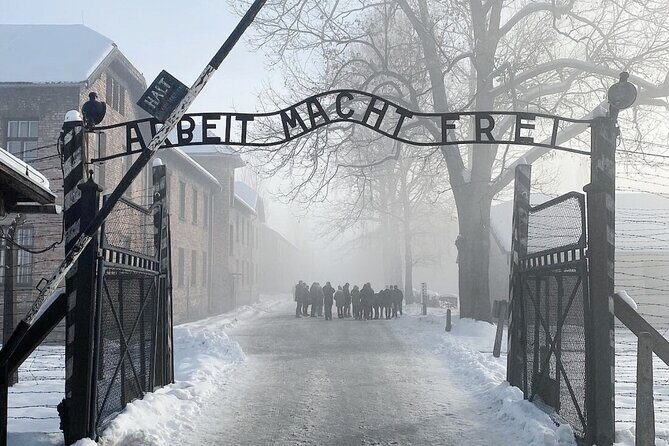
Once you arrive, the group begins with a short reset—time for coffee or a quick look outdoors—before you meet your licensed guide. Then you enter Auschwitz I through the camp gate, where you’ll see the infamous slogan Arbeit Macht Frei (Work Makes You Free).
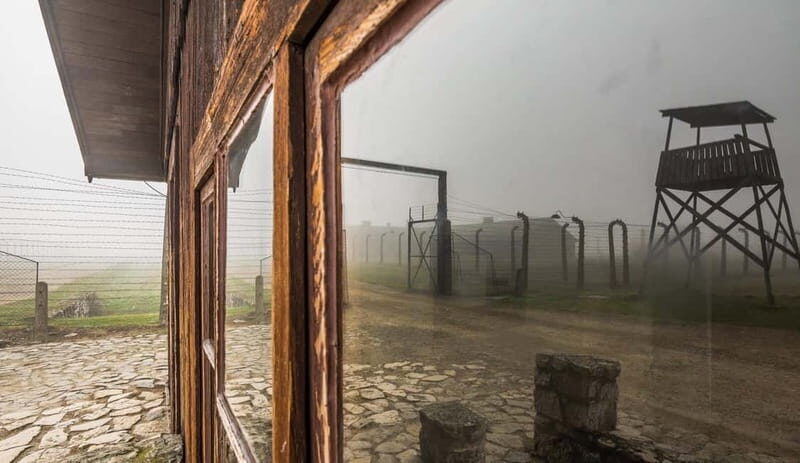
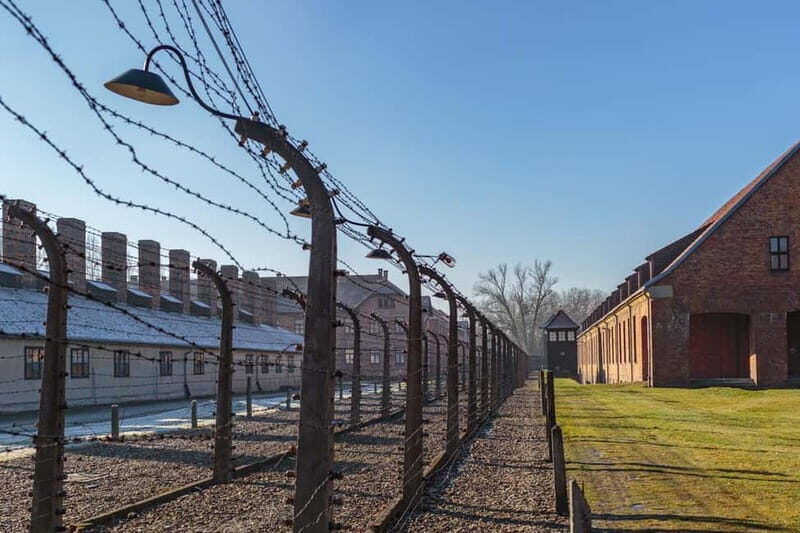
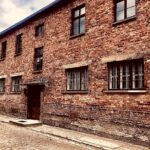
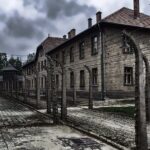
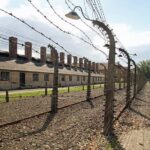
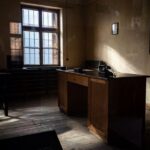
This portion typically takes about 2 hours, and it’s where the headsets are most clearly useful. The tour follows a walkthrough of the original camp features, including wooden buildings, fortified walls, barbed wire, and the gas chambers and crematoria. Expect the guide’s story to connect the site to the wider context: Auschwitz I was originally conceived as a concentration camp and later used as a detention center, especially for many Polish citizens arrested after Germany annexed the country in 1939.
The value of a guided route here is simple: it keeps the facts organized. You won’t just wander through ruins and displays—you’ll understand what you’re looking at, and why it mattered.
Other Auschwitz tours from Krakow in Krakow

A short break that keeps the day realistic
After Auschwitz I, you get a brief break—up to about 15 minutes—before moving to Birkenau. This is one of those small scheduling decisions that helps a long day stay manageable, especially since a big chunk of your experience happens on uneven ground and outdoors.
Use this time to refill water, tidy up your layers, and re-center. The mood of this place is intense, and you’ll feel better if you don’t rush right back in without a moment to breathe.
Stop 2 in Birkenau (Auschwitz II): vast, exposed, and emotionally heavy
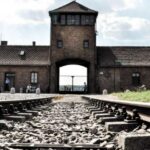
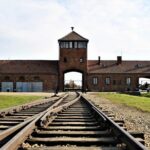
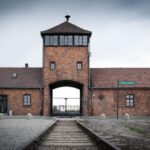
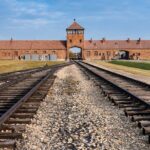
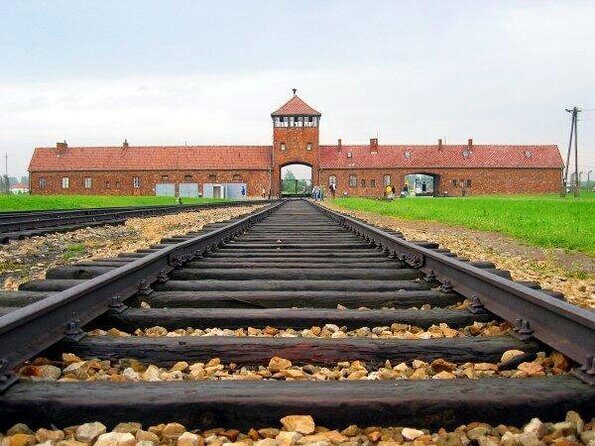
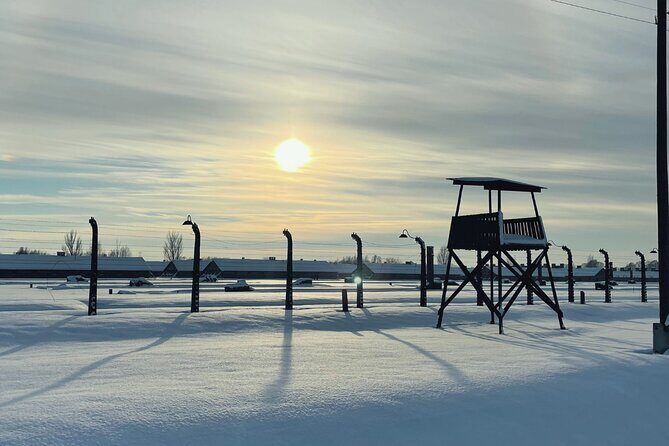
Then comes Birkenau, often called Auschwitz II, the larger camp built for the specific aim of making Europe “Judenrein.” You head there quickly—about 3 minutes away—but the site itself feels like a shift in scale.
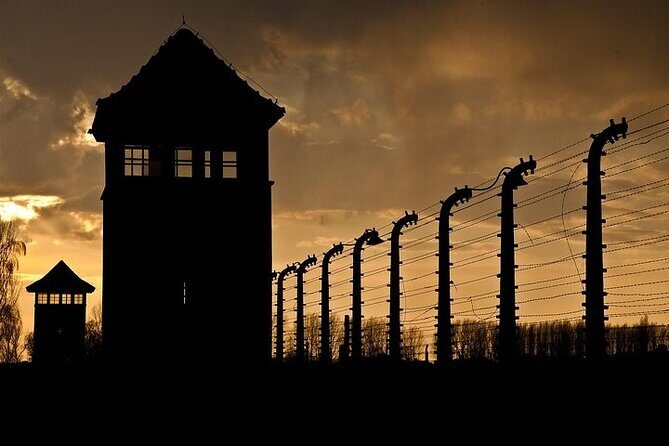
This stop runs about 1 hour. The guide continues the story at Birkenau in the Brzezinka area, covering how the camp was constructed in 1941 on Heinrich Himmler’s orders and how it could hold around 90,000 prisoners. You’ll also hear about cruel selection practices and pseudo-scientific medical experiments carried out by prominent Nazi doctors, including Josef Mengele.
A key practical note: Birkenau is outdoors, and headset availability can be inconsistent depending on conditions. Even when headsets are listed as part of the tour, it’s worth expecting that the Birkenau part may not be as headphone-friendly as Auschwitz I. Plan to rely on the guide’s voice and your own attention more in Birkenau.
The pacing trade-off: structure vs. solo reading time
Here’s the one thing you should go in expecting: the tour pace is designed to work inside museum regulations and timed group movement. That can mean you feel a bit rushed if you’re the type who wants long pauses in front of every exhibit label.
Some people want to stand longer and read every story panel. If that’s you, you can still do that partly—but the day won’t feel like a private museum visit. It’s built to keep the narrative moving and to match the museum’s schedule.
Getting back to Kraków with a buffer
When the tour ends, you’re not thrown out immediately. There’s at least a 20-minute break you can use to rest, grab something quick like a snack at nearby shops, or even browse briefly. Then it’s about 1 hour 15 minutes back to Kraków, with you dropped at your predetermined address.
This buffer helps because the day can leave you worn out. Even if you feel steady during the tour, the emotional impact tends to land harder on the ride back.
What to bring (so the day doesn’t trip you up)
You’ll walk a lot, and a lot of the ground is uneven. Add winter cold or summer heat, and you’ll be glad you packed smart.
Bring:
- ID or passport: full names must match your booking, and NO ID means no entry.
- Comfy shoes you don’t mind getting a bit dirty or worn.
- A snack: there’s no time for a full meal between visits, and the site has no food facilities, so plan for something small.
- Water, especially on warm days.
- Warm layers or weather gear: the tour runs in all weather, and up to 70% of the visit is outdoors.
One simple tip that shows up again and again: if you choose an early departure, have breakfast first. You’ll thank yourself when you’re standing in cold air, waiting for the next transfer step.
Photography and behavior rules that keep the mood respectful
Photography is allowed in many areas, but not everywhere. Flash is not permitted inside buildings, and you should follow any signs marking restricted photography zones.
Also keep the tone respectful. Smart casual dress is required, and the tour rules prohibit eating during the visit, smoking, and loud behavior. This isn’t the place for casual “tour mode.”
How guides make the difference (and what you might notice)
The biggest quality lever here is the guide. This tour uses licensed local guides, and the storytelling is built to match the camp’s layout—so you’re not just seeing structures, you’re learning how the system worked.
In group experience, guides can be highly clear in English and attentive to the group’s pace. You might also see names like Marta, Miso, Eric, or someone in the pickup team such as Norbert show up in examples. You can’t pick your guide, but you can look for the pattern: clear instructions, smooth timing, and a respectful tone in the delivery.
The headsets during Auschwitz I also help a lot. They cut down the need to lean forward or strain to hear, which matters when the mood is quiet.
Who this tour suits best
This fits best if you:
- want a guided, structured Auschwitz visit rather than a DIY plan
- value clear logistics (pickup, transfers, timed entry, admission handled)
- can handle a long, emotionally serious day with lots of walking
It’s less ideal if you:
- need lots of free time to linger at every display without any pacing
- struggle with long outdoor exposure and cold or uneven ground
Should you book this Auschwitz-Birkenau tour from Kraków?
Yes—book it if you want the trip to be organized enough that you can focus on remembrance and learning. The combination of transfer + admission included + licensed guide + headset support for Auschwitz I makes it a strong deal for a once-in-Kraków day trip.
Do consider booking with the mindset that this is not a slow stroll. The museum’s schedule matters here, and the tour follows that reality. If you’re the kind of person who reads every panel and wants extra pause time, build in the expectation that the guide route is part of the experience, not a limitation you can fully escape.
FAQ
How long is the Kraków to Auschwitz-Birkenau tour?
It’s about 7 hours total, with timing that can shift slightly based on museum availability and traffic.
Does the ticket price include entry to Auschwitz I and Auschwitz II?
Yes. Admission tickets are included for Auschwitz I and Auschwitz II, along with insurance and taxes.
Are headsets included?
Yes, headsets are included to help you hear the guide clearly during the guided portion (the Auschwitz I area is where headset use is most directly described).
Do I need a passport or ID?
Yes. Full names must match your booking, and passport or ID is mandatory for each participant. If you don’t bring it, you won’t be able to enter.
What’s the pickup like in Kraków?
Pickup is either from your accommodation (if you selected that limited option) or from a meeting point. Some areas can be affected by restricted traffic zones, roadworks, and a temporarily closed meeting point near the Philharmonic.
Is there food available on-site and is lunch included?
No. Food and drinks aren’t included, there’s no time for a full meal between visits, and there are no food facilities on-site, so bring a snack.
How much of the tour is outdoors?
A large portion. Up to 70% of the visit takes place outdoors, so dress for the weather.
Can I take photos?
Photography is allowed except in marked areas. Flash is not permitted inside buildings.
How big are the groups?
The tour is set up for a maximum of 30 travelers, and Auschwitz museum rules keep the visit comfortable with that group size limit.
Can I cancel and get a refund?
Yes, you can cancel for a full refund up to 24 hours before the tour start time. If you cancel less than 24 hours before, the amount paid isn’t refunded.