REVIEW · WARSAW
From Warsaw: Guided Tour to Auschwitz-Birkenau and Krakow
Book on GetYourGuide →Operated by EuropaAdventure · Bookable on GetYourGuide
A brutal site, handled with care. What makes this day trip stand out is the direct start at Warsaw Central Railway Station and a tightly run visit with skip-the-line Auschwitz-Birkenau tickets plus a guided walkthrough of Auschwitz I and Auschwitz II-Birkenau. I like that you get both the heavy history and a breather in Krakow without juggling hotel pickups. The main drawback is simple: it’s a long day with lots of walking, some tight spaces, and a schedule that can shift.
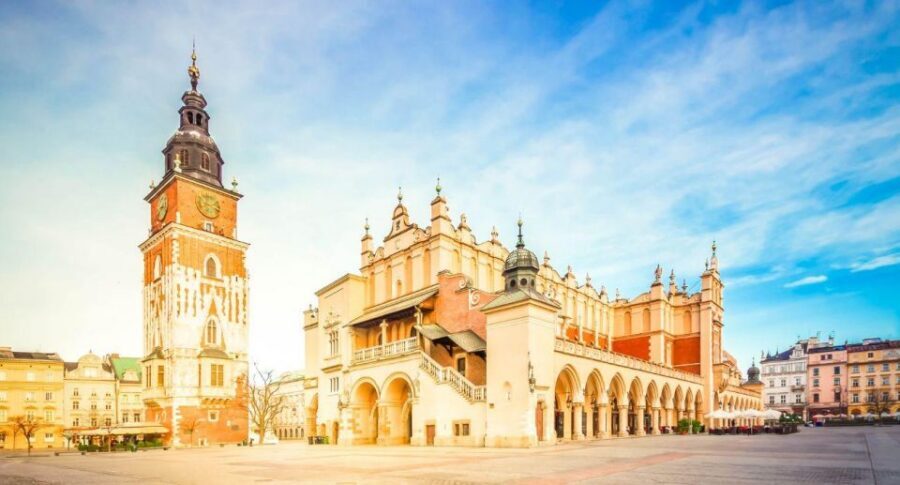
This route also gives you a real on-the-ground sense of Poland. After the memorial visit, you get free time in Krakow, where the Old Market Square is one of the biggest medieval squares in Europe and a UNESCO World Heritage Site. In the Auschwitz portion, guides like Anna, Magdalena, and Ewa have been praised for a respectful tone that mixes clear facts with a careful emotional approach.
Before you go, plan like a local. You must carry an ID/passport, and Auschwitz doesn’t allow bags bigger than an A4 sheet size (you can leave larger items on the bus). Also, bring practical comfort items—sunscreen and tissues came up more than once—and be ready for cold or rain, especially at Birkenau.
In This Review
- Quick hits
- Warsaw Central Station to Krakow by train: the cleanest way to start
- The Krakow pause: 30 minutes first, 2 hours later
- Getting to Auschwitz: what that 1.5-hour ride is really for
- Auschwitz I: the guided part that sets context
- Birkenau (Auschwitz II): where the outdoor scale hits
- Skip-the-line tickets: saving hours for the right reason
- Krakow back on the map: how to use your free time smartly
- Train back to Warsaw: plan for the long wrap-up
- What I’d pack (and why) for Auschwitz-Birkenau
- The real value: is $181 worth it for this day?
- Who this tour is best for (and who should rethink it)
- Should you book this Warsaw to Auschwitz-Birkenau and Krakow tour?
- FAQ
- Where does the tour depart from in Warsaw?
- How do I travel from Warsaw to Krakow and back?
- How long is the guided visit at Auschwitz-Birkenau?
- What languages are available for the guides?
- What do I need to bring and are there bag restrictions?
- Is this tour suitable for wheelchair users or people with mobility impairments?
- Can I cancel for a refund?
Quick hits
- Start at Warsaw Central Railway Station to skip the scattered hotel pickup hassle
- Guided Auschwitz I plus Birkenau with different focus areas and a set time split
- Skip-the-line entry so your time goes to the exhibits and not queues
- Krakow free time after the museum, timed for a walk around Old Town
- Bring ID and limit bag size to A4 so you don’t get turned away at security
Warsaw Central Station to Krakow by train: the cleanest way to start
I like that this tour begins at Warsaw Central Railway Station rather than collecting people from multiple hotels. Less waiting. Less confusion. And you’re already in a place built for trains, not random curbside meetups.
You ride the train to Krakow for about 2 hours 30 minutes. Once you arrive, you don’t waste a full day hunting for the next step. There’s a short Krakow connection: you head to a meeting point that’s about a 7-minute walk from the train station, then you switch to a vehicle for the drive toward Auschwitz.
One practical tip: this day can feel strict. People have reported schedule changes, so don’t stack tight appointments immediately before or after the trip. I’d treat the day as a full-day commitment and keep your post-trip plans flexible.
Other Auschwitz I and Birkenau combined tours in Warsaw
The Krakow pause: 30 minutes first, 2 hours later
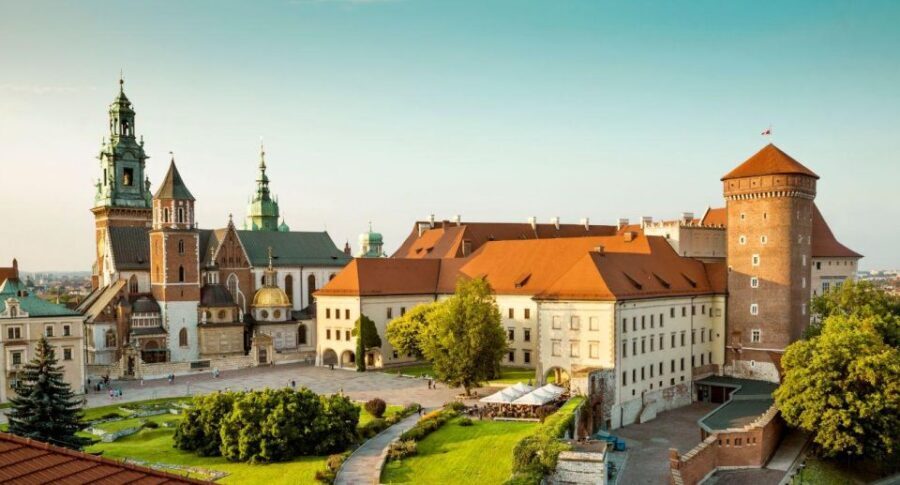
Krakow is famous for its Old Town energy, but you don’t get “linger all afternoon” timing. You get two breaks: a quick 30-minute one right after you arrive, then about 2 hours on the return.
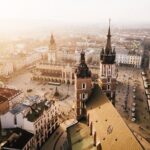
That second break is the one that helps the most. You’ll be dropped in an area that makes it easy to head toward Old Market Square, then wander from there at your own pace. If you want a simple game plan, prioritize:
- a walk around the main square area
- a slow look at nearby historic streets
- one sit-down drink or snack before you head back to the meeting point
Because the Auschwitz part is heavy, those two hours in Krakow can feel like a reset. You’re not “touring Krakow” in depth—think of it as breathing room and a taste of the city’s historic center.
Getting to Auschwitz: what that 1.5-hour ride is really for
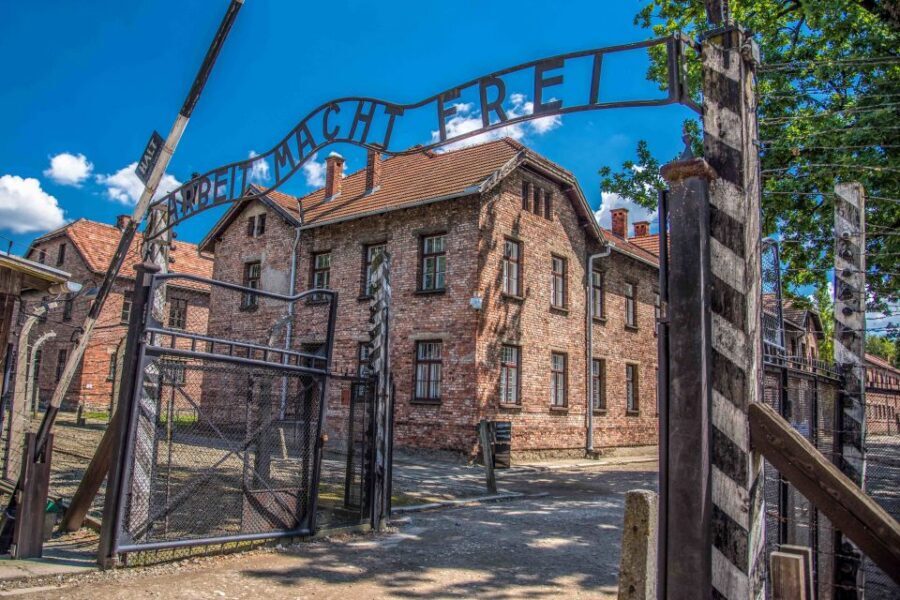
After Krakow, you take a 1 hour 30 minute drive toward the Auschwitz-Birkenau Memorial and Museum. This isn’t just transit; it’s your buffer time. You’re going from city streets to a documented historical site with strict rules, and you’ll want your head in the right place when you arrive.
The drive time also explains why the day runs long. You’re likely seated for a good chunk of the day, then standing and walking once you reach the memorial grounds. If you’re sensitive to long travel, plan for it: water helps, and comfortable shoes aren’t optional here.
Some guides and drivers have been noted as very communicative, and a few comments suggest the audio on the ride can vary. So I recommend you treat all instructions as important—even if you only catch part of them while you’re in transit.
Auschwitz I: the guided part that sets context
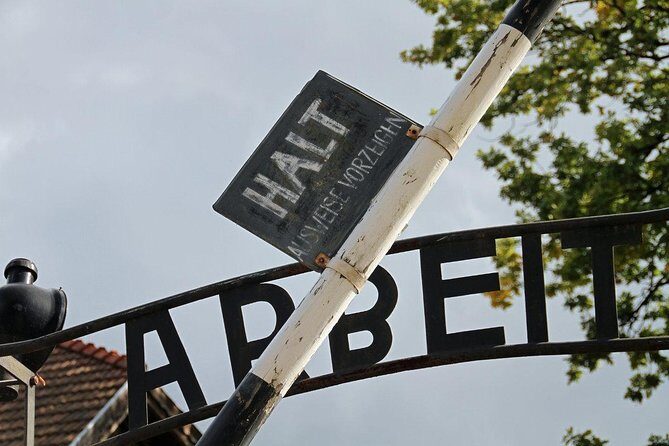
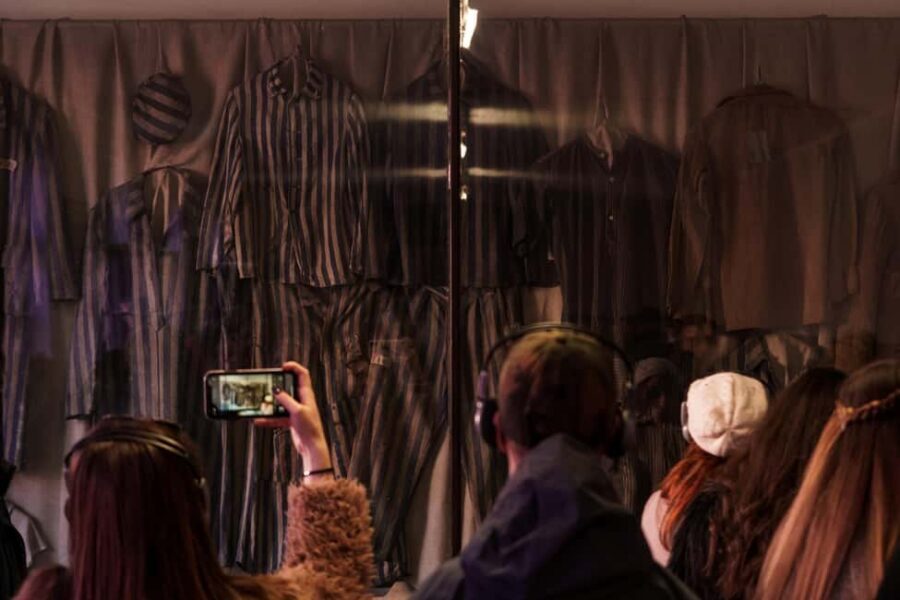
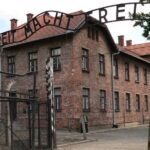
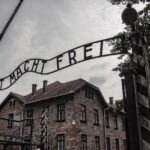
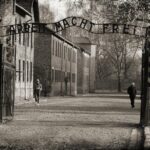
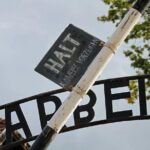
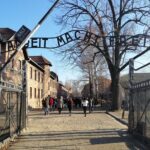
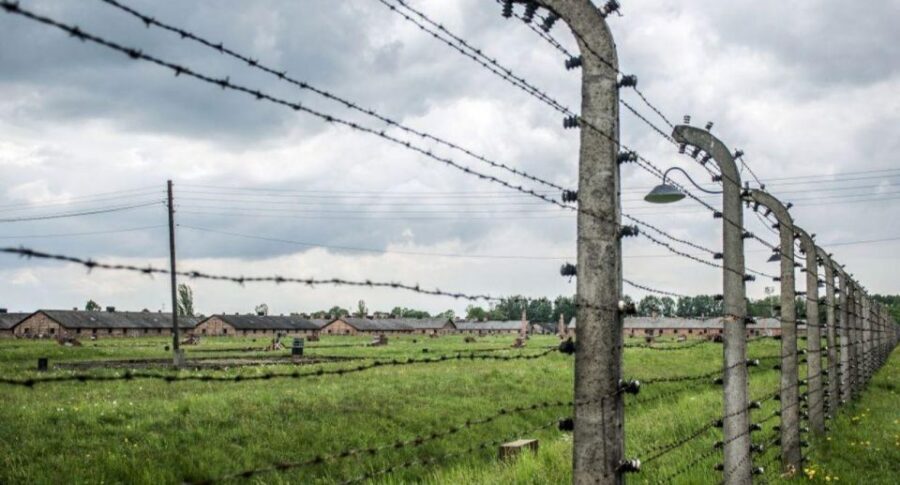
This is a guided stop at Auschwitz-Birkenau, with about 2 hours for Auschwitz I. Auschwitz I is the section designed primarily for political prisoners, and the guide’s job is to help you understand how the system worked and how that history is documented today.
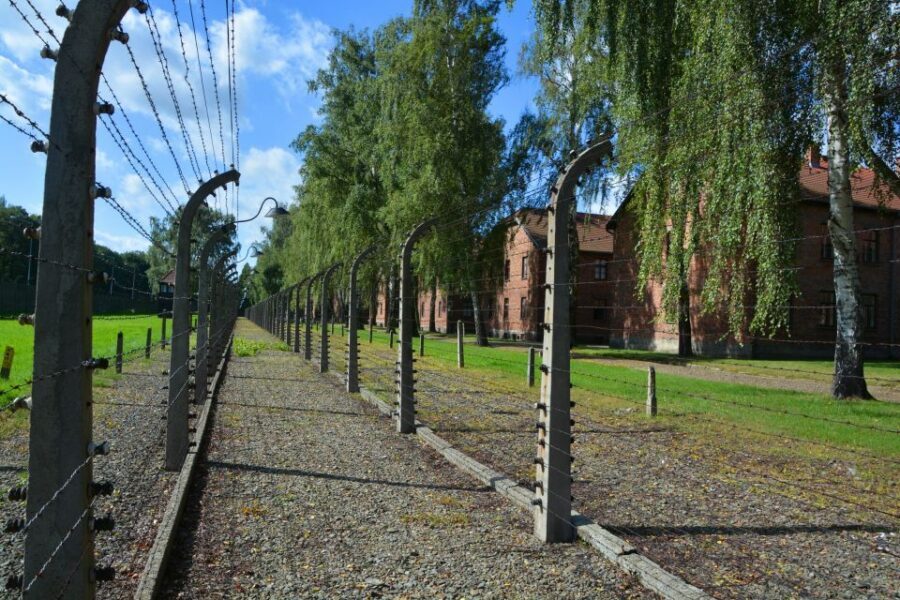
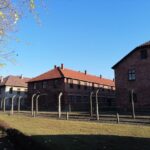
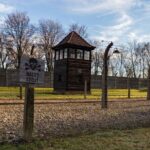
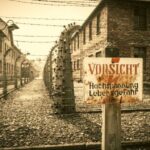
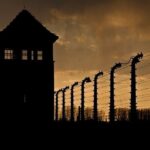
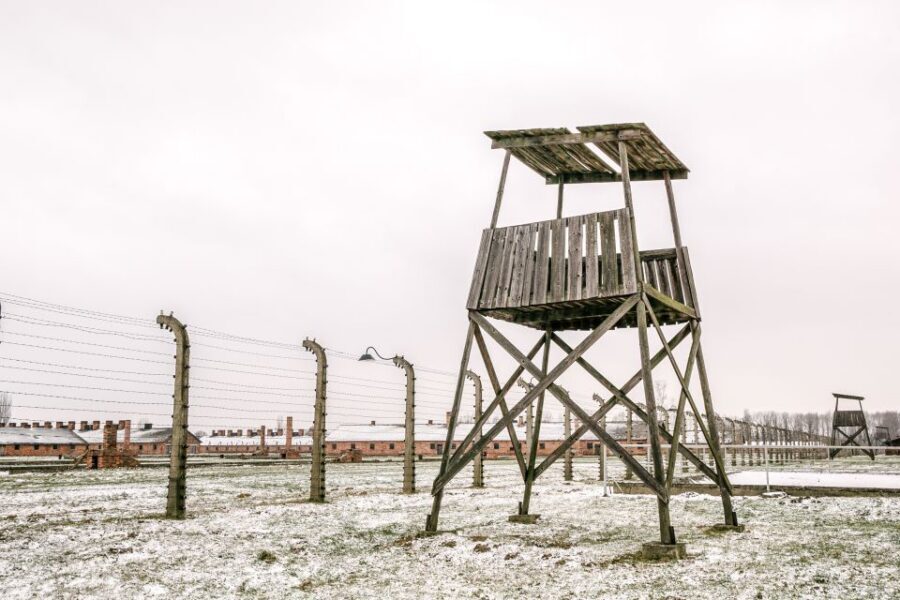
What I like about structuring the day this way is that you don’t jump straight into every graphic detail. You get a guided explanation anchored to the layout you’re actually seeing: barracks, guard tower views, and other features that help you orient yourself on-site.
Guides such as Anna and Magdalena have been praised for a tone that balances facts with human weight. You’ll get space to ask questions, and you’ll hear explanations delivered with a steady, serious cadence—exactly what you need for a place like this.
Also: there are stairs, tight walkways, and standing time. If you expect a quick museum stroll, adjust your expectations. This is educational, but it’s physically demanding.
Birkenau (Auschwitz II): where the outdoor scale hits
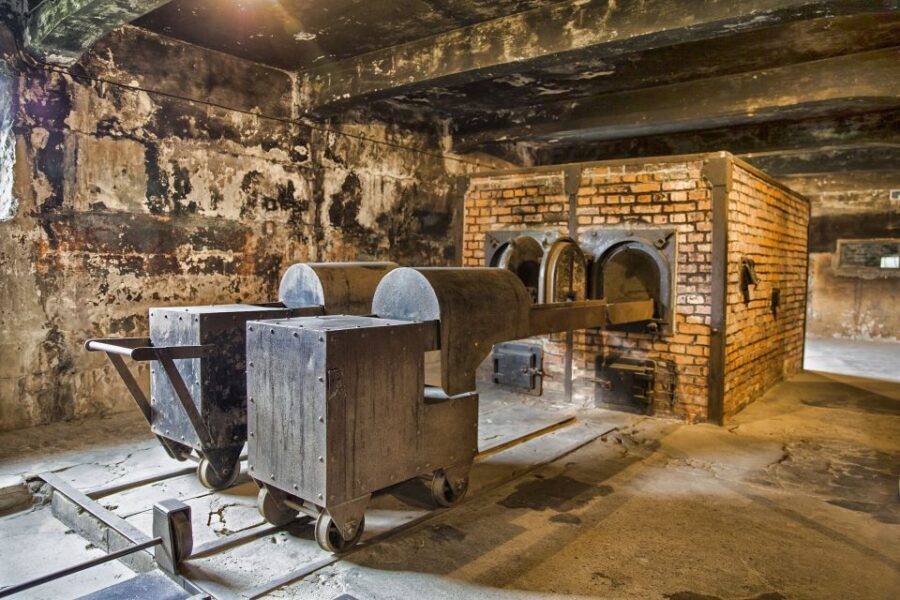
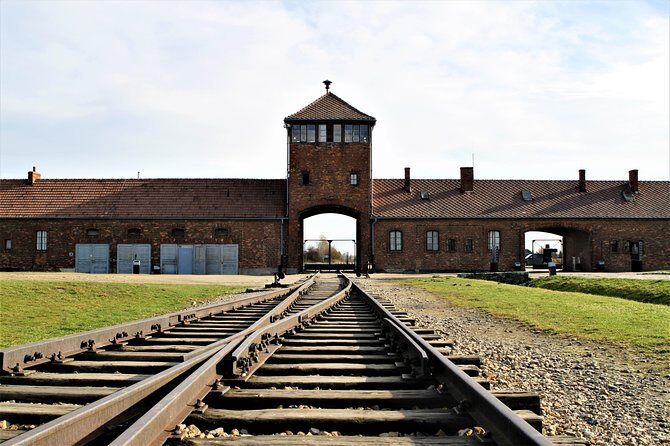
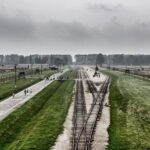
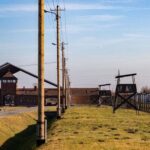
Then you move to Auschwitz II-Birkenau, with about 1 hour on this part of the site. This section is largely associated with the extermination of Jews and Roma, and it reads very differently from Auschwitz I because the grounds are much more open and exposed.
This is where weather matters. People have reported being caught in rain near crematory areas and having to wait it out. If you’re traveling in colder months, Birkenau can feel brutally cold since much of the visiting happens outdoors. If you have space in your bag, a hat and a layer help.
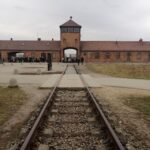
The good news: Birkenau’s scale is part of the lesson. You see why the logistics of the camp system mattered. Even with a shorter time allocation, the guide’s explanations help turn what could feel like random rows into a clearer story you can follow.
Other Auschwitz tours from Warsaw in Warsaw
Skip-the-line tickets: saving hours for the right reason
Your package includes skip-the-line entrance tickets to Auschwitz and Birkenau. That matters because the memorial is busy, and waiting in lines eats the one thing you can’t replace here: attention and time.
It also helps the guide and the group keep the visit on schedule. Auschwitz and Birkenau have strict procedures, and your day is organized to fit the available guided tour slots at the museum.
One more timing note: the tour schedule can change based on guided tour availability at Auschwitz-Birkenau. So while the plan is structured, you should expect small adjustments without panic.
Krakow back on the map: how to use your free time smartly
After your memorial visit, you return to Krakow by vehicle for about 1 hour 30 minutes, then you get around 2 hours on your own.
If you want maximum return for minimal effort, do a simple “main loop.” Start near Old Market Square, walk a few lanes off the main streets to feel the medieval layout, then come back for a coffee or snack before your train departure time. This helps you avoid the common trap of wandering too far and feeling rushed at the end.
Krakow is also a city where quick sightseeing can still feel meaningful. You’re not required to do everything. Pick one thing you care about—square views, church exteriors in the center area, or just the walk itself—and keep moving with purpose.
Train back to Warsaw: plan for the long wrap-up
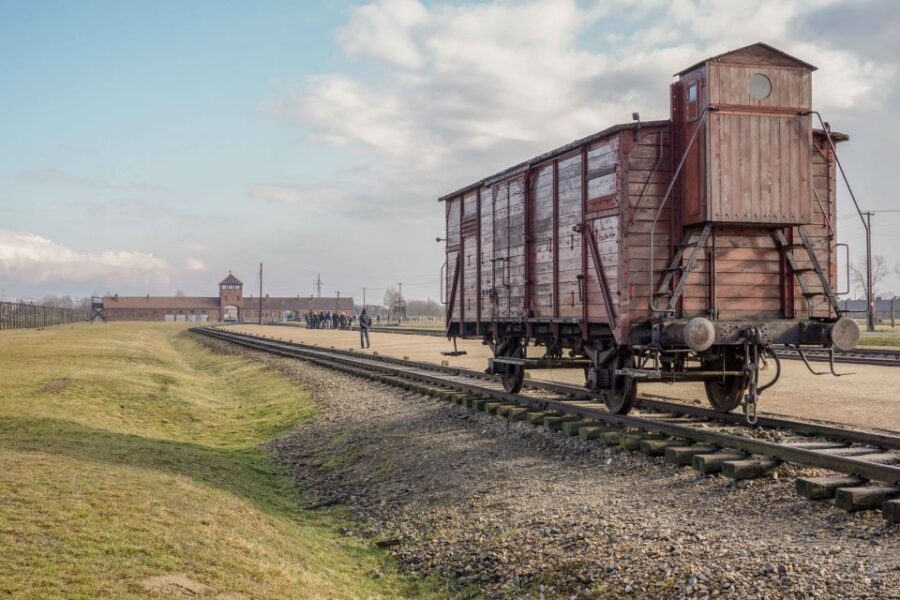
You head back to Warsaw by train, again around 2 hours 30 minutes. The return ride is your decompression time, but it still counts as part of the full-day commitment.
You’ll arrive back at Warsaw Central Railway Station, closing the loop that makes this itinerary attractive: no hotel pickups, no multiple overnight transfers, and one guided visit at the main event.
Given that some days can include train delays or lower comfort on-board (like reports of no A/C), pack for the reality of a long travel day. A small bottle of water and a light layer can rescue you from temperature surprises.
What I’d pack (and why) for Auschwitz-Birkenau
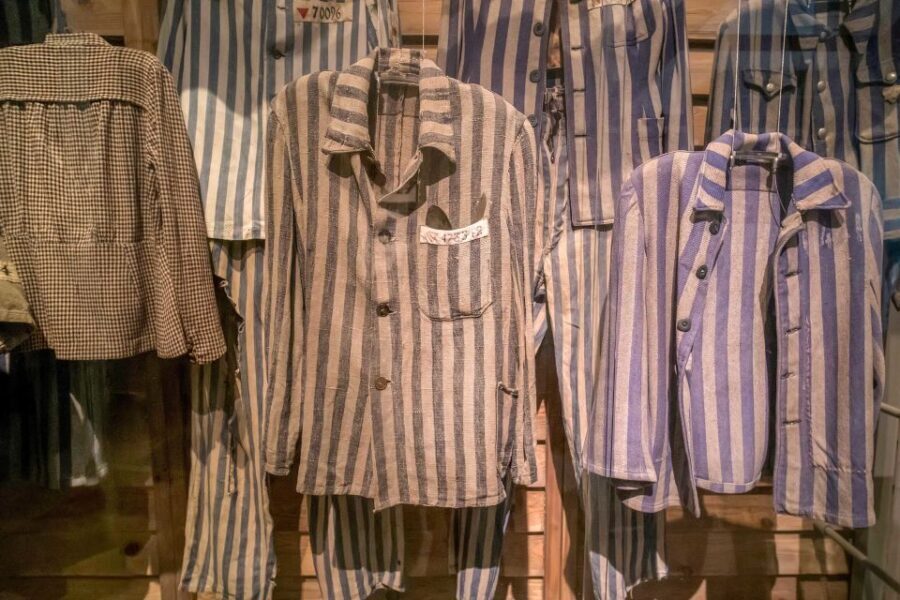
This is one of those tours where the right small items make a noticeable difference. Based on practical on-site experience and repeated traveler advice, I strongly suggest:
- ID/passport for every participant (tickets and entry are personal)
- Sunscreen (yes, even here—sun and reflection happen)
- Tissues (the day can be emotional and dry inside/outside depending on weather)
- Comfortable walking shoes (you’ll cover ground and face stairs)
- A small umbrella or rain layer for cold/rainy weather at Birkenau
- A bag that fits the A4-size limit; larger items can’t go into the museum the usual way
Also, keep your energy up with snacks and water. The breaks are limited, and this is not a day to rely on grabbing food at random stops without a plan.
The real value: is $181 worth it for this day?
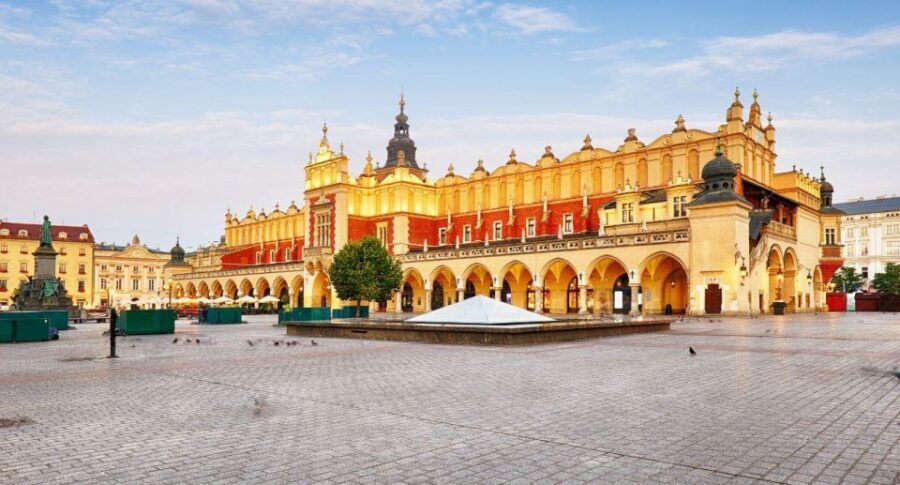
At about $181 per person for a 16-hour day, the value comes from what’s bundled together. You’re getting:
- round-trip train tickets between Warsaw and Krakow
- transportation between Krakow and Auschwitz
- a guided tour of Auschwitz I and Auschwitz II-Birkenau
- skip-the-line entrance tickets
- free time in Krakow
That’s a lot of logistics wrapped into one ticket. If you were organizing it yourself, you’d likely spend time lining up transport, figuring out timing, and coordinating a guided memorial visit slot. The price feels fair when you want the structure and you don’t want to become a part-time scheduler.
If you dislike strict timing, expect crowds, or you’re physically limited, then the cost won’t feel as “efficient,” because you’ll spend energy managing discomfort rather than learning.
Who this tour is best for (and who should rethink it)
This fits best if you want:
- a guided, respectful Auschwitz-Birkenau visit with time split between Auschwitz I and Birkenau
- a simple Warsaw-to-Krakow travel plan with no hotel pickup maze
- enough Krakow time to enjoy Old Town without turning it into a full separate trip
It’s less ideal if:
- you can’t handle long walking and stairs
- tight spaces make you uncomfortable
- you need full mobility support (it’s not suitable for wheelchair users or people with mobility impairments)
The emotional weight is real. You should go only if you’re ready for a serious day that asks for patience and focus.
Should you book this Warsaw to Auschwitz-Birkenau and Krakow tour?
I’d book it if you want one organized plan that gets you from Warsaw to the memorial with skip-the-line entry and a live guide, then rewards you with a real taste of Krakow afterward. The strongest pull is the combination: structured Auschwitz time plus Krakow free hours, all run by a team that handles transport and museum coordination.
Skip it if you want a relaxed pace, have trouble with long days, or need more flexibility than a scheduled guided visit can provide. If you can walk comfortably, follow instructions, and bring the right essentials, this is a solid value way to do one of the world’s most important historical visits.
FAQ
Where does the tour depart from in Warsaw?
The tour departs from Warsaw Central Railway Station. If you’re staying nearby, it’s accessible on foot; if you’re farther away, you can use Uber or a taxi to reach the station.
How do I travel from Warsaw to Krakow and back?
You take a return train between Warsaw and Krakow included in the price. The journey each way is about 2 hours 30 minutes, and you return to Warsaw at the end of the day.
How long is the guided visit at Auschwitz-Birkenau?
You’ll have about 3.5 hours total at the memorial with a guided tour. The tour time is roughly 2 hours at Auschwitz I and 1 hour at Auschwitz II-Birkenau.
What languages are available for the guides?
The live tour guide is offered in English or Spanish. If the selected language isn’t available, the tour takes place in English.
What do I need to bring and are there bag restrictions?
Bring your passport or ID card. You can’t bring bags larger than A4 sheet size into the museum. Larger bags are not allowed, but you can leave them on the bus during sightseeing.
Is this tour suitable for wheelchair users or people with mobility impairments?
No. The tour is listed as not suitable for people with mobility impairments and not suitable for wheelchair users.
Can I cancel for a refund?
Yes. You can cancel up to 3 days in advance for a full refund.