REVIEW · KRAKOW
Krakow: Auschwitz-Birkenau Guided Tour with Pickup & Lunch
Book on GetYourGuide →Operated by SuperCracow.com · Bookable on GetYourGuide
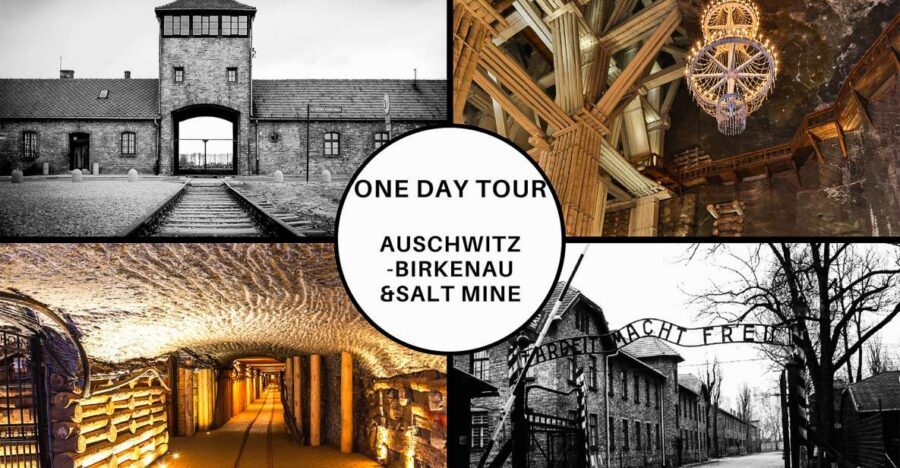
Auschwitz-Birkenau hits hard, fast. This guided day trip from Kraków is built to get you there with less hassle, then help you make sense of what you’re seeing with a licensed historian guide, an orientation film, and clear walking routes through Auschwitz I and Birkenau. It’s one of those rare tours where the logistics matter because the experience itself is intense and time is tightly managed.
What I like most is the skip-the-line entry element combined with real licensed guide time inside both parts of the memorial. In real feedback, guides such as Conrad, Mario, Caroline, Tomas, Kondrad, Michael, and Bart (educator) get praised for being clear, respectful, and human—exactly what you want when the subject is this heavy.
The main trade-off is pace: the museum sets the tempo, and Auschwitz I in particular can feel a bit quick, especially if you want extra time to linger.
In This Review
- Key things you should know before you go
- Kraków pickup and the coach ride: how the day starts
- First impressions at the memorial: the film that sets your footing
- Auschwitz I guided walk: what to expect and how to pace yourself
- Between the camps: the quick transfer and why it matters
- Birkenau: the last-hour focus on scale and the Final Solution
- Lunchbox planning: tasty food, limited eating time
- Price and value: why this is around $21 and what you get
- Language options and the reality of translation
- Rules you must follow (and what to pack)
- Who this tour suits best—and who should think twice
- Should you book this Auschwitz-Birkenau guided tour?
- FAQ
- Where do I get picked up in Kraków?
- How long is the tour from start to finish?
- How early can the pickup be?
- Is there a skip-the-line ticket?
- What does the tour include once you arrive at Auschwitz?
- What languages are available for the live guide?
- Is lunch included?
- What bag size is allowed?
- What are the key rules on-site?
- Is the tour suitable for people with mobility impairments?
Key things you should know before you go
- Skip-the-line entry helps you avoid the long ticket queue, though you’ll still need to pass security checks.
- Licensed historian guide at Auschwitz and Birkenau keeps the facts and context tied to what’s in front of you.
- Orientation film first gives you a framework before you enter the camp grounds.
- Auschwitz I + Birkenau timing works well for a day trip, but you should expect a set schedule and limited flexibility.
- Optional lunchbox is popular, yet the day may not include a sit-down lunch window.
Kraków pickup and the coach ride: how the day starts
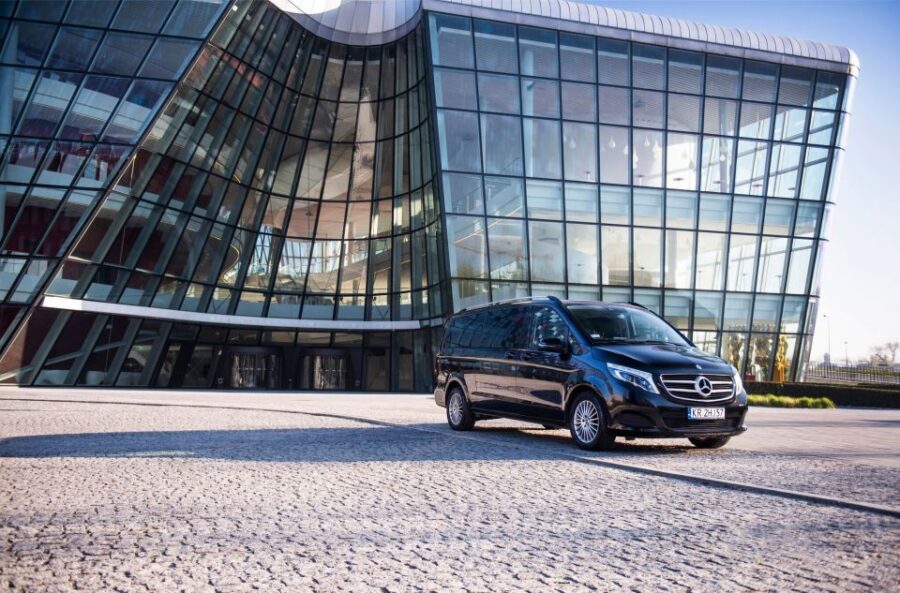
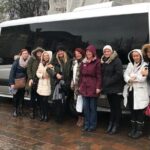
This tour is designed for a smooth start in Kraków. You choose a pickup option from five meeting points, including Pawia 18a, Wielopole 2, and Starowiślna 65. Your ride runs in a comfortable air-conditioned coach, which matters because the drive is about 60 kilometers, roughly 1.5 hours each way.
One practical thing: pickup times can change. The tour window can start as early as 5:00 AM and as late as 1:30 PM, and the exact start time is communicated the day before. In feedback, some people got a morning shift compared with what they expected. It’s usually manageable, but plan like you might need to rise early.
Also, don’t show up with a huge backpack. The rules are strict: luggage or large bags aren’t allowed, and the maximum size permitted is 20 x 30 cm. For this day, pack light: a small day bag, ID, and any layers you’ll want for cold or hot weather.
Other Auschwitz I and Birkenau combined tours in Krakow
First impressions at the memorial: the film that sets your footing
Before you walk the camp grounds, you watch a film in a specially prepared cinema room. That step is easy to overlook if you’re the type who wants to jump straight into the site, but it’s valuable. The film gives you a clearer sense of how the system worked and why Auschwitz became such a central mechanism in Nazi persecution.
I like how this tour doesn’t assume you already know everything. When you arrive at Auschwitz, you’re not just seeing buildings and rails—you’re seeing a structure designed to control people, organize forced labor, and carry out mass murder. Having that framing first helps your eyes land on the right details.
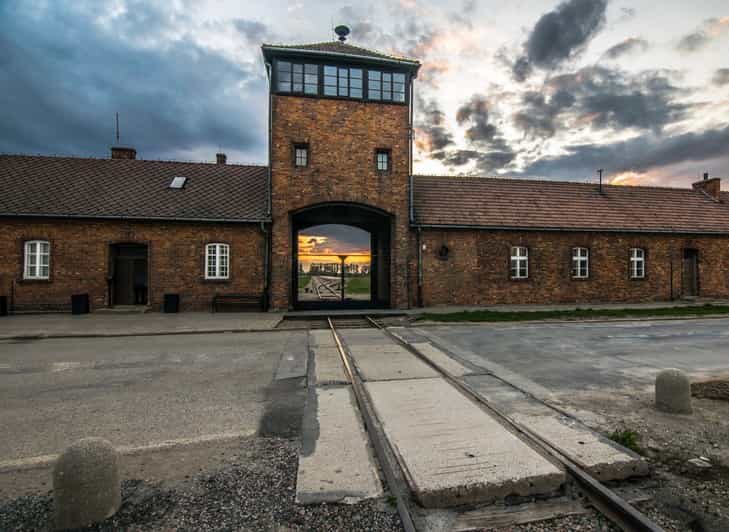
After the film, you move through the camp entrance and begin the Auschwitz I portion with a licensed guide. The tour includes guided time there, then a short transfer to Birkenau, then more guided time at the second site.
Auschwitz I guided walk: what to expect and how to pace yourself
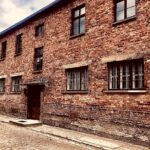
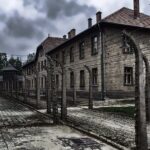
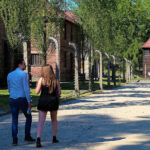
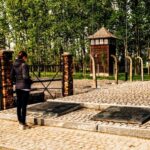
Auschwitz I is the part most people think of first. It includes the preserved areas that help you understand the camp’s role and how it functioned. The tour is about 2 hours here with a guide, and you’ll follow a path that focuses on key locations rather than trying to cover everything.
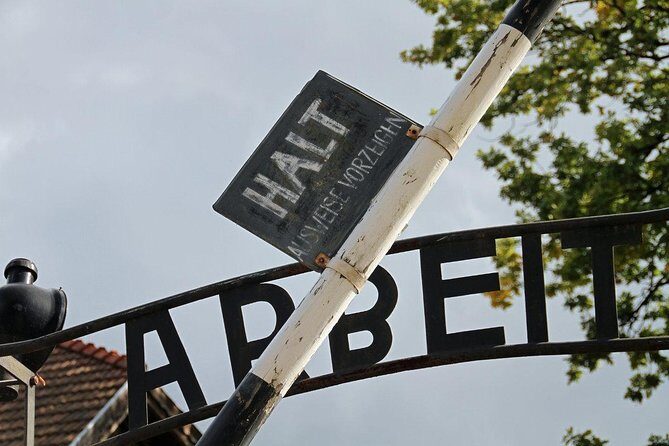
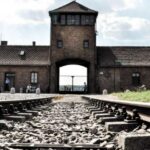
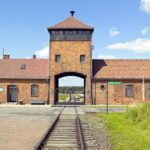
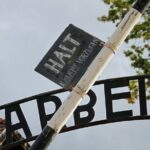
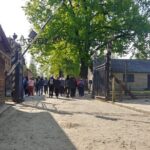
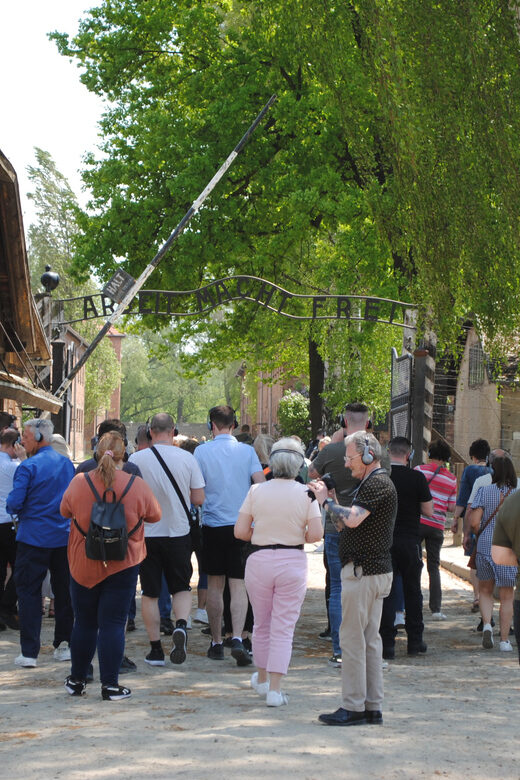
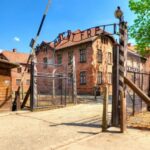
You’ll also pass through the gate marked Arbeit macht frei. That moment can feel surreal in the way only historical sites can. Your guide’s job is to keep it grounded in context—what it meant, how the camp operated, and what the surviving record can and can’t tell you. In feedback, people often highlight guides like Bart, Conrad, or Richard for being especially clear about what you’re looking at and why it matters.
Here’s the realistic part: this isn’t a slow museum stroll. The museum determines the pace, and guide behavior and timing aren’t under your control. If you want long pauses, take them at “allowed” moments—when the group naturally stops near an exhibit or a significant location. Don’t try to run ahead. That creates tension for you and the rest of the group.
Between the camps: the quick transfer and why it matters
After Auschwitz I, you take a short coach transfer—about 10 minutes—to Birkenau (Auschwitz II). This leg is brief, but it’s worth mentally switching gears.
Auschwitz I helps you grasp how the camp was structured in its early phase and how the Nazi system used the place. Birkenau is different in scale and purpose. The transition is a reminder that you’re not watching one location that happened to grow—you’re seeing two linked sites with different roles.
The coach also keeps you safe and comfortable, especially if the weather is poor. You’ll still be outside for much of the walking, but at least the “getting there” part is handled.
Birkenau: the last-hour focus on scale and the Final Solution
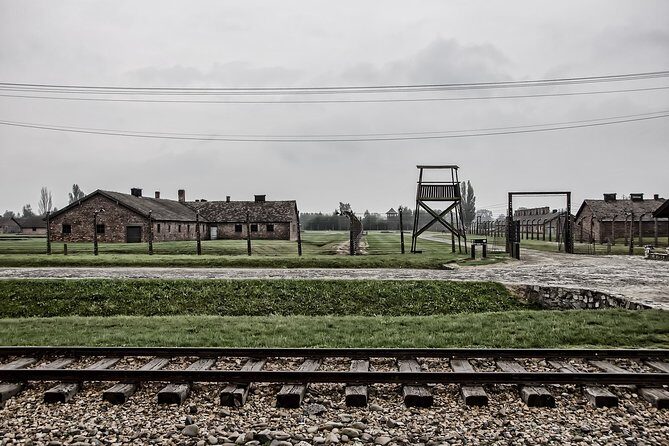
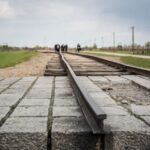
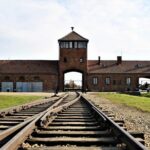
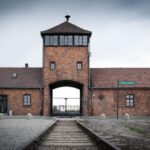
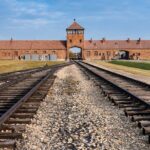
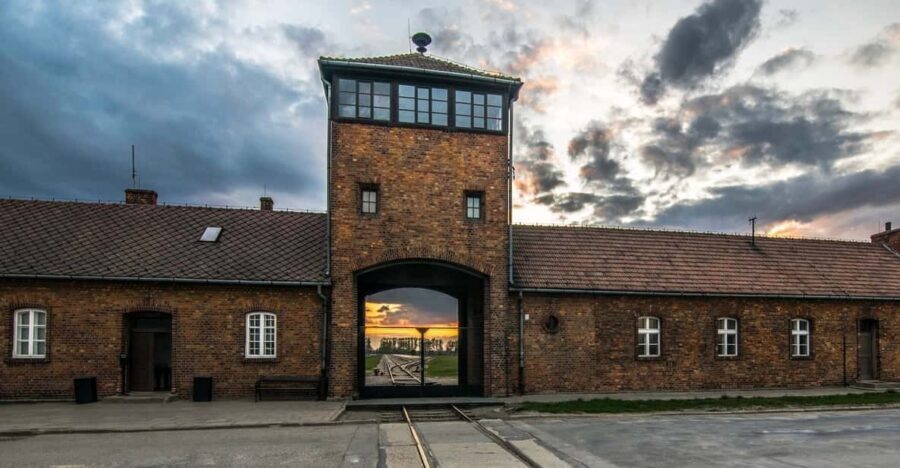
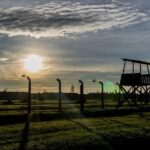
Birkenau is where the mass extermination is tied to the Nazi plan called the Final Solution. This tour gives about 1.5 hours at Auschwitz II-Birkenau with a licensed guide, and it’s described as the last major part of the tour before heading back.
This is usually the section that leaves the biggest mark. The site layout can make the numbers feel both enormous and hard to picture. That’s why your guide’s explanation is so important. People often come away talking about how the storytelling felt respectful and structured—especially when guides handled sensitive details with care, instead of turning it into a lecture.
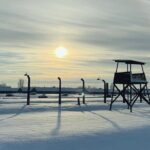
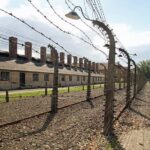
Also note the practical reality: Birkenau is more open and exposed. In winter, snow can make the ground and structures look stark; in summer, heat can hit harder because you can’t always get out of the sun. Dress for conditions first, and remember you may have limited chances for a break.
Other Auschwitz tours with hotel pickup in Krakow
Lunchbox planning: tasty food, limited eating time
The tour includes an optional lunchbox add-on at checkout. Many people in feedback describe it as worth choosing, with packed lunches like simple rolls and snacks, and they tend to be tasty and filling. Since the day is tightly scheduled, I recommend taking the lunch option if you’re not confident you’ll find time to stop for food on your own.
The catch is timing. One common complaint is that there isn’t a proper lunch window to actually eat, even if lunch is provided. If that happens to your group on the day, you’ll likely eat during the small breaks. Those breaks may be brief—especially early for restroom and then later near the end.
My advice: bring a couple of extra sips of water if permitted (the tour rules list no alcohol and no drugs, but they don’t say water is banned), and keep your lunch easy to open fast. If you’re sensitive to long stretches without eating, plan for that before you arrive.
Price and value: why this is around $21 and what you get
At about $21 per person, the value is mainly in the package. You’re paying for transportation from Kraków plus a licensed guide inside the memorials, and you’re also getting skip-the-line entry to the Auschwitz-Birkenau Memorial & Museum.
That combination is hard to replicate on your own without coordination headaches. If you’ve tried arranging a day trip like this independently, you know the bottleneck is usually timing—how you line up entry, where you meet a guide, and how you get back to Kraków. Here, the day is structured around a fixed schedule with an air-conditioned coach and scheduled guided time.
Just be honest about what’s included versus what’s not. You’re not buying a long, unhurried private tour. Museum pace and group flow matter. But if your goal is to see both Auschwitz I and Birkenau with context and a competent guide, this price point is the kind of deal that still feels fair.
Language options and the reality of translation
The live guide language options include English, Italian, Spanish, French, and German. That’s a big plus because Auschwitz content needs clarity and respect, not just a basic walkthrough.
One detail to keep in mind: the tour leader may not speak your chosen language, and the language choice applies to the museum tour itself. Sometimes the museum tour may be translated from other languages into yours. In practice, that usually works fine—but if you’re highly sensitive to translation lag, keep expectations flexible.
In feedback, people praised guides across multiple language groups—names like Tomas (Spanish-speaking praise) and Mario (English-speaking praise) show that the guide pool is often strong. Still, your exact language matching can’t be guaranteed beyond what the operator confirms for the museum portion.
Rules you must follow (and what to pack)
This is one of those tours where rules are not “suggestions.” They’re part of what keeps the memorial experience orderly and safe.
Bring:
- Your passport or ID card.
Not allowed:
- Pets
- Weapons or sharp objects
- Smoking
- Alcohol and drugs
- Luggage or large bags
- Sleeveless shirts
Bag size:
- Maximum allowed is 20 x 30 cm.
So pack like you’re going to a strict museum with outdoor walking. A small crossbody or compact backpack is usually the safest bet. Wear pants you’ll be comfortable standing in for a while, plus layers. If you’re going in shoulder season, the temperature swings can be real—especially around early morning departures.
Who this tour suits best—and who should think twice
This works best if you want:
- A guided route through both Auschwitz I and Birkenau
- Pickup and drop-off in Kraków
- Skip-the-line entry
- A structured day built for efficiency
It’s less ideal if:
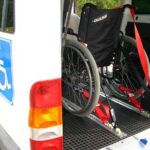
- You have mobility impairments. The tour is listed as not suitable for people with mobility impairments.
- You need extreme flexibility in pacing. The museum controls tempo, and your time on-site is set.
If you’re the type who likes to linger at every exhibit, you might feel the day is compressed. That doesn’t make the guide any less valuable—it just means you’ll need to choose where you want to slow down.
Should you book this Auschwitz-Birkenau guided tour?
If you’re visiting Kraków and Auschwitz-Birkenau is on your must-do list, I’d book this one for the same reason most people end up grateful afterward: it’s structured, respectful, and it places a licensed guide in the center of the experience. The skip-the-line entry, coach pickup/drop-off, and option for a lunchbox make it easier to show up focused instead of stressed.
Book it if you want a clear guided itinerary that covers Auschwitz I and Birkenau in one day. If you know you’ll struggle with early pickup times, tight schedules, or limited on-site pacing, then consider whether you’re ready for a memorial experience that doesn’t move at your personal rhythm.
Either way, go prepared: light bags, ID ready, and clothes for the weather. This is one of those days where planning ahead is part of paying respect.
FAQ
Where do I get picked up in Kraków?
You can choose one of several pickup options, including Pawia 18a, Wielopole 2, and Starowiślna 65. The exact pickup point depends on the option selected, and you’re also dropped off at designated locations.
How long is the tour from start to finish?
The duration is listed as 7 to 10 hours, depending on starting time and the day’s schedule.
How early can the pickup be?
The possible start time ranges from 5:00 AM to 1:30 PM. The exact start time is communicated the day before the tour.
Is there a skip-the-line ticket?
Yes. The tour includes a skip-the-line entry ticket to the Auschwitz-Birkenau Memorial & Museum.
What does the tour include once you arrive at Auschwitz?
You watch a film first, then enter the grounds of Auschwitz I for a guided walk (about 2 hours), followed by a transfer to Birkenau for a guided visit (about 1.5 hours).
What languages are available for the live guide?
The tour offers live tour guide languages including English, Italian, Spanish, French, and German.
Is lunch included?
A lunchbox is included only if you select the lunchbox add-on at checkout.
What bag size is allowed?
Luggage or large bags aren’t allowed. The maximum size permitted is 20 x 30 cm.
What are the key rules on-site?
You must bring an ID/passport, and you’re not allowed pets, weapons or sharp objects, smoking, alcohol and drugs, luggage/large bags, or sleeveless shirts.
Is the tour suitable for people with mobility impairments?
No. The tour is listed as not suitable for people with mobility impairments.
If you want, tell me your travel month and whether you prefer earliest pickup or a later start, and I’ll suggest a practical packing and timing plan for that day.