REVIEW · KRAKOW
Krakow: Auschwitz-Birkenau Guided Tour Pickup/Lunch Options
Book on GetYourGuide →Operated by SeeKrakow · Bookable on GetYourGuide
Auschwitz-Birkenau is heavy, but the trip is well run. It’s an 8-hour guided day from Krakow with round-trip transport and English instruction that helps you make sense of what you’re seeing.
I particularly like the clear structure: Auschwitz I gets a focused guided visit, then you move on to Birkenau for the core original camp areas. I also appreciate the practical add-ons like skip-the-line entry and a licensed museum guide who can answer questions in real time.
One drawback to plan for: pickup can feel chaotic if you’re at a shared, busy meeting spot, and the day involves a lot of walking on uneven ground and stairs.
In This Review
- Quick hits before you go
- The 8-hour Auschwitz-Birkenau rhythm from Krakow
- Pickup, drop-offs, and the real-world timing you should trust
- The transfer drive: what you get on the way out and back
- Auschwitz I: what the guided structure helps you notice
- Security and audio gear: the stuff that can affect your experience
- The short break before Birkenau: plan for weather and pace
- Auschwitz II-Birkenau: seeing the original extermination site areas
- Lunchbox option and why food rules matter more than you think
- Comfort, crowd levels, and how the day can feel
- Price value: what you’re really paying for at $200 per person
- Who this tour is best for
- Should you book this Auschwitz-Birkenau tour from Krakow?
- FAQ
- How long is the Auschwitz-Birkenau guided tour from Krakow?
- What camps does the tour cover?
- How long is the guided time at Auschwitz I and Auschwitz II?
- Is lunch included?
- Are entrance tickets included?
- Do I get skip-the-line entry?
- What language is the tour guide?
- What are the pickup times like from Krakow?
- What do I need to bring, and what is not allowed?
- Is the tour suitable for children?
- Is the tour wheelchair accessible?
- Is this tour refundable if I cancel?
Quick hits before you go
- Skip-the-line entry via a separate entrance, which matters when sites are busy
- Auschwitz I + Auschwitz II covered with live English guidance and headset audio
- Time boxing: about 2 hours at Auschwitz I and about 1 hour at Birkenau, plus short breaks
- Lunchbox optional but camp rules mean you may not get a true lunch break inside
- Heads-up on logistics: pickup times can shift, and meeting points can be shared with other tours
The 8-hour Auschwitz-Birkenau rhythm from Krakow
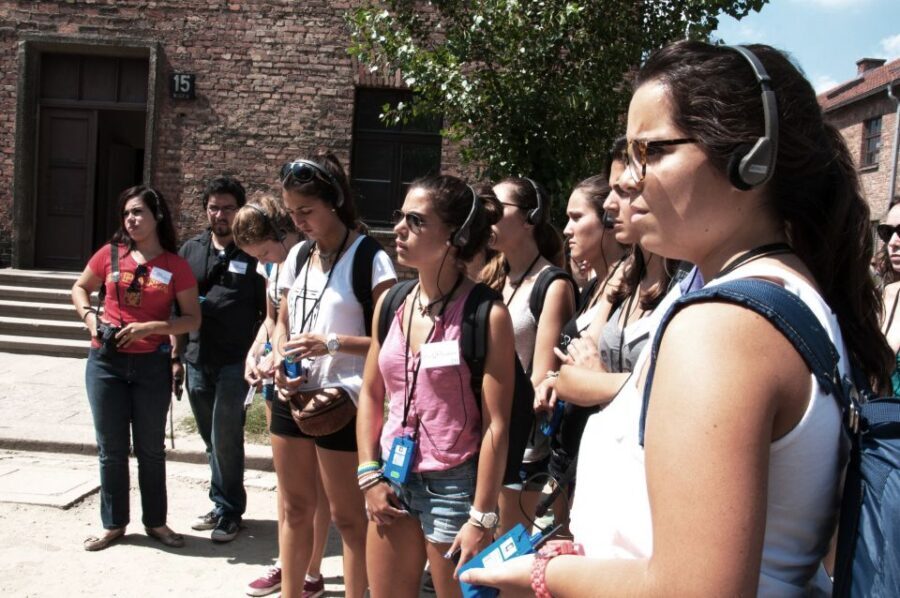
This is a full day outing, paced to fit how the museums manage visitors. You’re leaving Krakow with a round-trip transfer that takes about 1.5 hours each way, then the itinerary switches to museum time.
What makes this format work is the order. You start at Auschwitz I, the administrative heart of the system, and then you go to Auschwitz II-Birkenau, where the extermination site is. That progression helps you understand the camp as a system rather than two separate stops.
You should also know the day isn’t built for lingering. The museum sets the pace, so you move through exhibitions and original buildings with a guide, plus short breaks between sections. If you like to read every label slowly, you’ll want a second visit or extra time on your own later. Here, you’re getting the guided framework first.
Other Auschwitz I and Birkenau combined tours in Krakow

Pickup, drop-offs, and the real-world timing you should trust
The biggest “life” part of this tour is the logistics. Pickup and drop-off are handled through multiple locations in Krakow (think hotels and central areas). That’s convenient because you’re not locked into one generic corner far from where you’re staying.
Still, pickup time can be a moving target. You select a preferred time, but it’s not guaranteed, and the exact start time is shared the day before. The activity can start somewhere between about 5:30 AM and 3:00 PM, so plan your day around the confirmation email, not around guesswork.
Also, you may run into shared meeting-point chaos. One common pattern: several companies picking up around the same time, people calling names that are hard to hear, and signage that’s not always obvious. If you’re traveling solo or arriving early and waiting, give yourself extra buffer and don’t assume you’ll spot your group instantly.
The transfer drive: what you get on the way out and back
The transportation is a big part of why tours like this are popular. You’re paying for not only the guides, but also the hassle-free drive. There’s also some onboard guidance support on the journey in the form of audio/visual help (at least for some departures), which can set the tone before you arrive.
One caution: you’re committing to a long day. Even when the ride itself is fine, you’ll likely prefer comfortable clothing, and it helps to have a way to stay warm. The day is outdoors around camp entrances and walking paths, and the camps can feel brutally cold or bright, depending on the season.
Auschwitz I: what the guided structure helps you notice
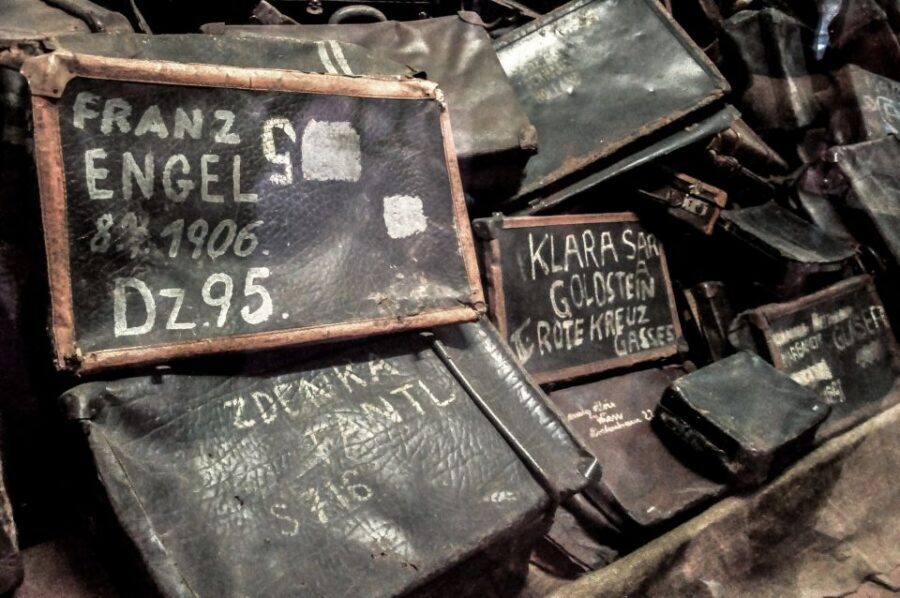
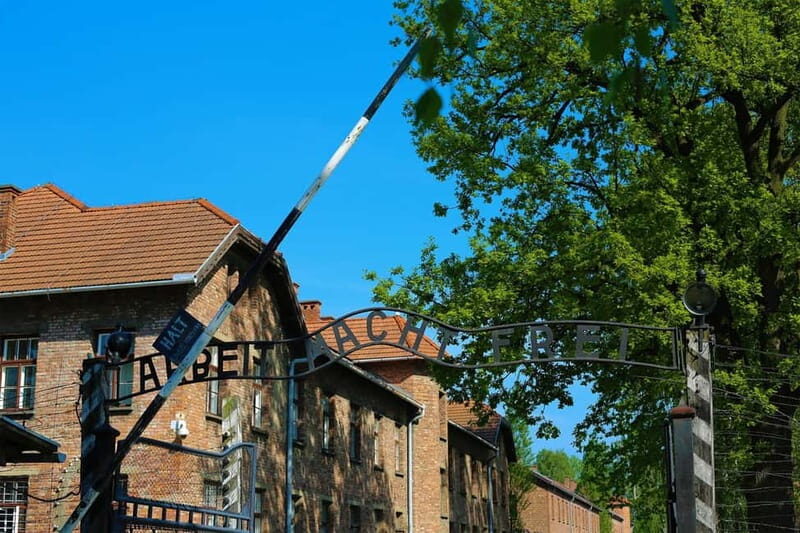
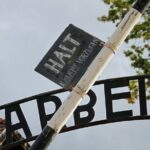
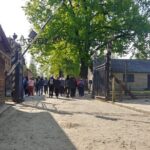
Auschwitz I is where the camp’s bureaucratic reality shows up. You enter through the main area and then move into the museum and permanent exhibitions with a guide.
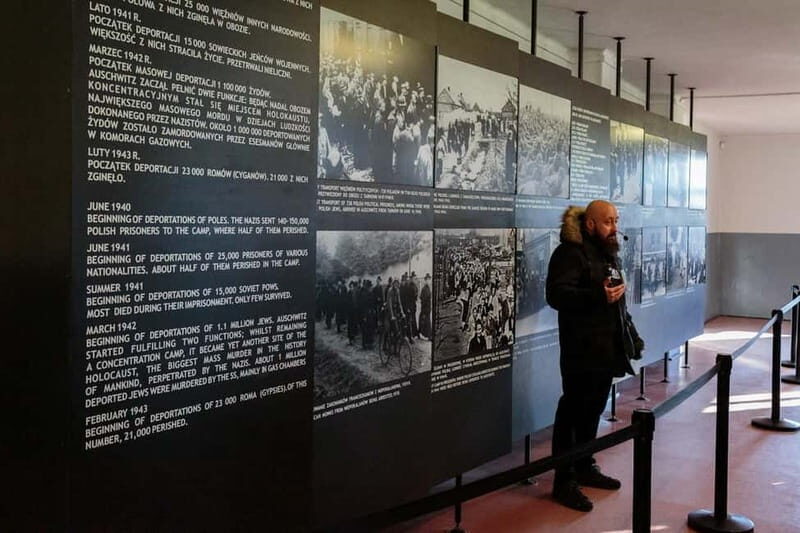
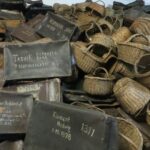
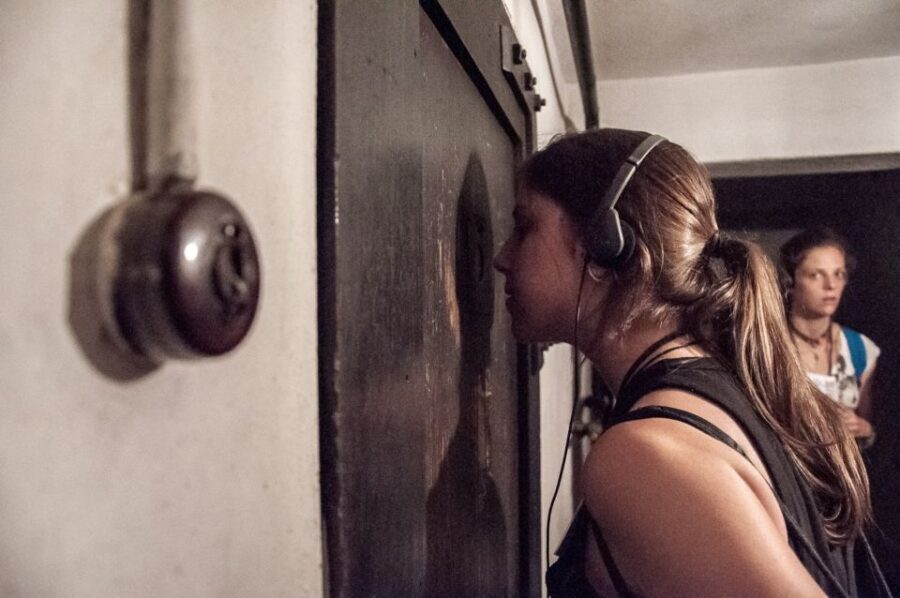
What you’re getting here is not just sightseeing. You’re learning how the complex operated and how prisoners were housed—then you’re seeing original structures and curated displays that make the history concrete. With a professional museum guide in English, you can ask questions as you go, and that often matters more than you’d expect. Some things are emotionally difficult, and having context in the right moment helps you focus instead of feeling lost.
The tour length at Auschwitz I is roughly two hours of guided visiting within a broader museum-guided block (the day’s schedule typically allocates about 2.5 hours for this section). There are short breaks early in the visit after arriving, usually in the 10–20 minute range, so you’re not stuck for hours without a breather.
Practical tip: wear shoes that can handle uneven ground and step changes. You’ll be going in and out of buildings and likely up and down stairs. Even if you’re fit, this is still a lot of walking for one day.
Security and audio gear: the stuff that can affect your experience
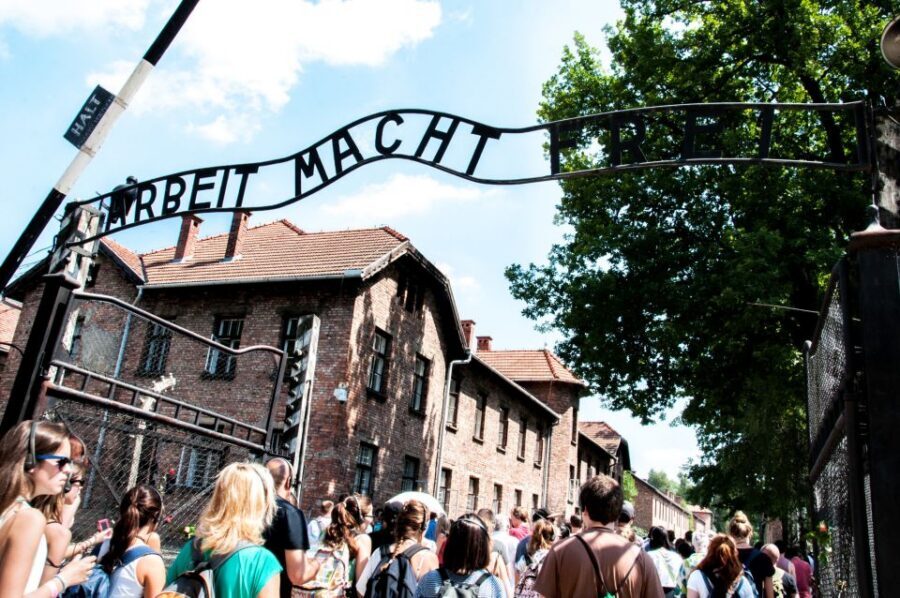
Before you even begin the museum route, expect an entry process that’s similar to an airport. You’ll go through security scanners and checks of your ID/tickets. After that, you’ll receive a headset to hear your guide.
This headset system is usually a win because it prevents you from having to hover close to the guide. But reception quality can vary. If the headset audio crackles or drops for you, ask for help quickly rather than waiting. The goal is to stay connected to the guide while you’re inside the exhibitions.
There’s also an ID matching rule you should take seriously: entry may be refused if the name on your booking doesn’t match your ID exactly. Bring your passport or ID card, and double-check the spelling in your booking before travel day.
Other Auschwitz tours that include lunch in Krakow





The short break before Birkenau: plan for weather and pace
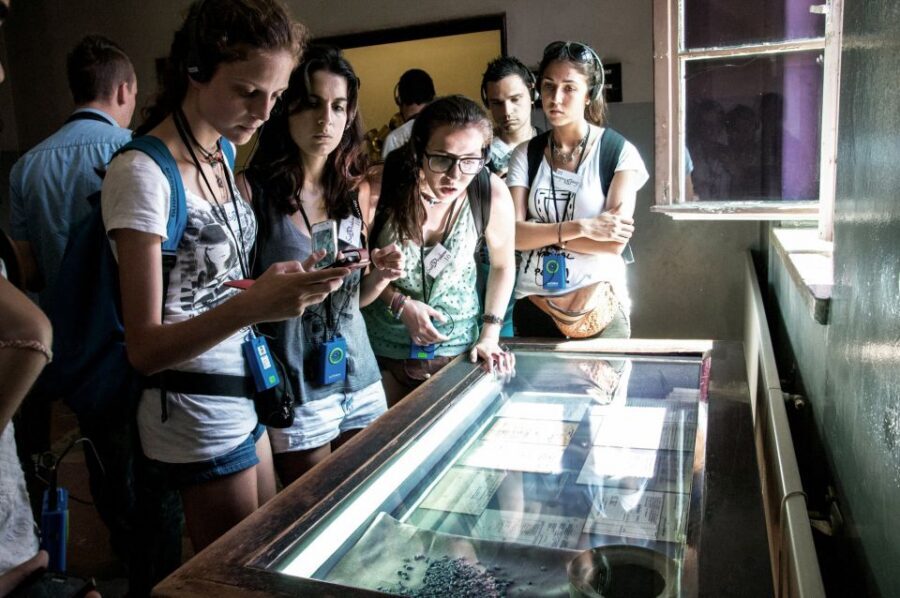
Between camps, you get another brief pause—typically around 10–15 minutes right before moving to Auschwitz II-Birkenau. Use it smartly. You’re going to a larger open site where walking distances feel longer than you expect, and weather becomes a major factor quickly.
This is also the moment to manage your expectations about food. Museum rules mean a full lunch break is not built into the camp schedule. If you select the lunchbox option, you’ll have something to eat, but you may still have limited chances to sit and eat inside the camp areas. You’ll likely use short breaks and timing gaps to handle it.
Auschwitz II-Birkenau: seeing the original extermination site areas
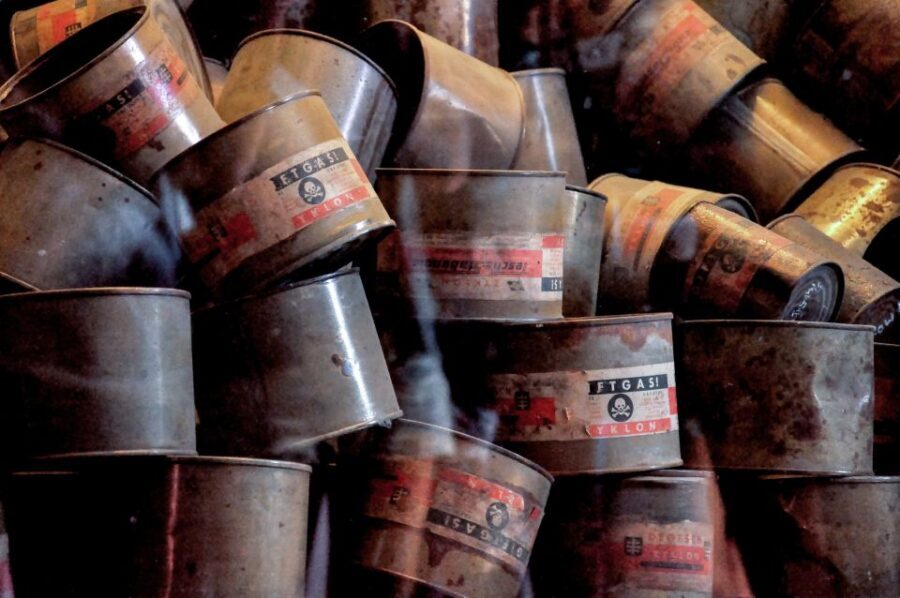
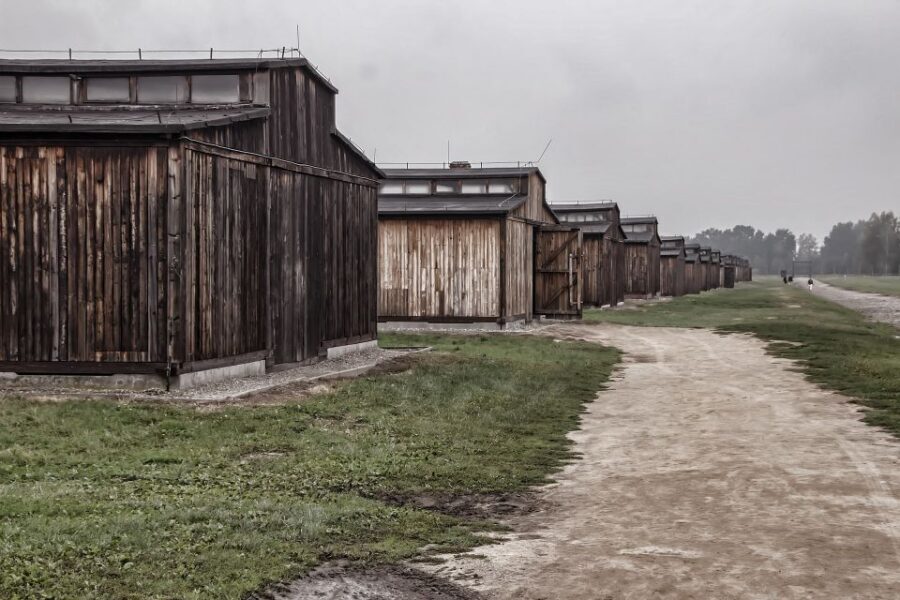
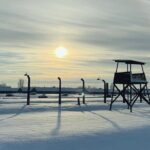
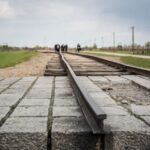
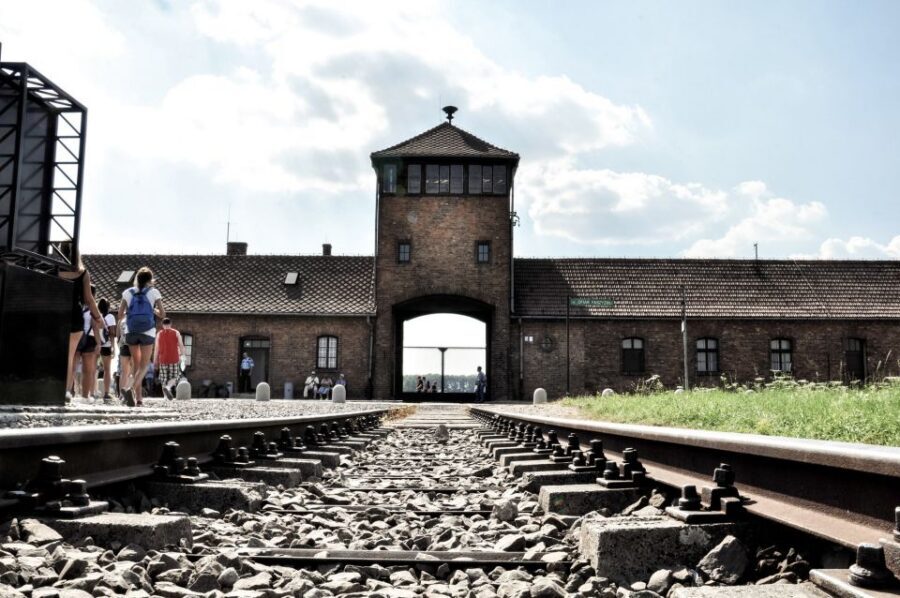
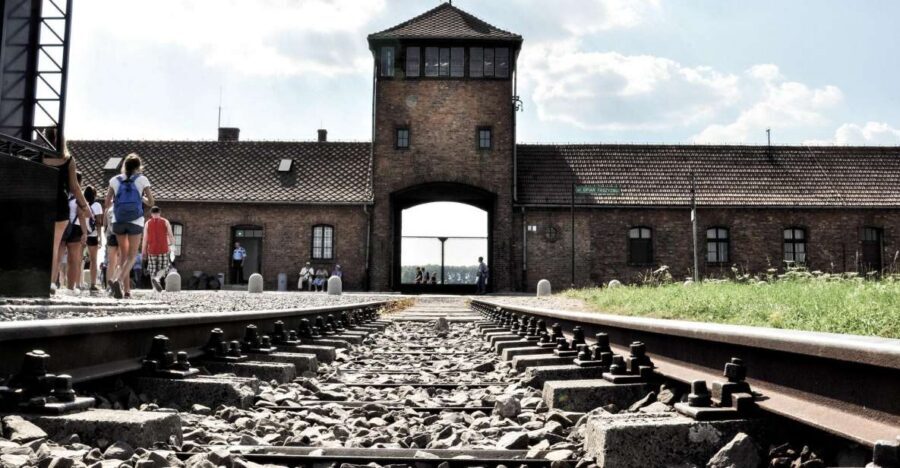
Birkenau is the scale shock. Auschwitz I tells you how the system worked administratively; Birkenau shows you the vastness of the extermination site layout, including locations tied to the gas chambers and crematories.
This portion is guided and shorter than Auschwitz I—about 1 hour of guided time, which is part of why it feels intense. There’s no slow meandering here. You’re moving through key original camp buildings and structures that form the core of what most people come to see.
One thing I’d emphasize: this is a place where the details hit harder when you understand the purpose behind them. A good guide’s job is to connect what you’re seeing—barracks, paths, and camp layout—to the Holocaust reality in clear, respectful language. In some departures, guides like Leah or Robert have been highlighted for their clarity and sensitivity, and you can see why that matters in a space like this.
Expect to feel emotionally unsettled. That’s normal. The guided approach helps you process rather than just stare.
Lunchbox option and why food rules matter more than you think
This tour offers a lunchbox if you choose that option, and that’s a real value add in a day this long. But don’t assume you’ll have an easy sit-down meal inside the camp.
The museum rules say a lunch break is not included. So even if you have a lunchbox, you may be eating during transfer time or during the short breaks rather than as a formal lunch stop. Also, on-site dining options can be limited; one practical detail that shows up in real-world experience is that people have found only vending-type options available on site.
If you’re prone to getting hungry, treat the lunchbox option like part of your planning, not an afterthought. Bring what you need for the day’s schedule, and be ready for rules that restrict food and drinks in certain areas. When it’s cold, this matters even more.
Comfort, crowd levels, and how the day can feel
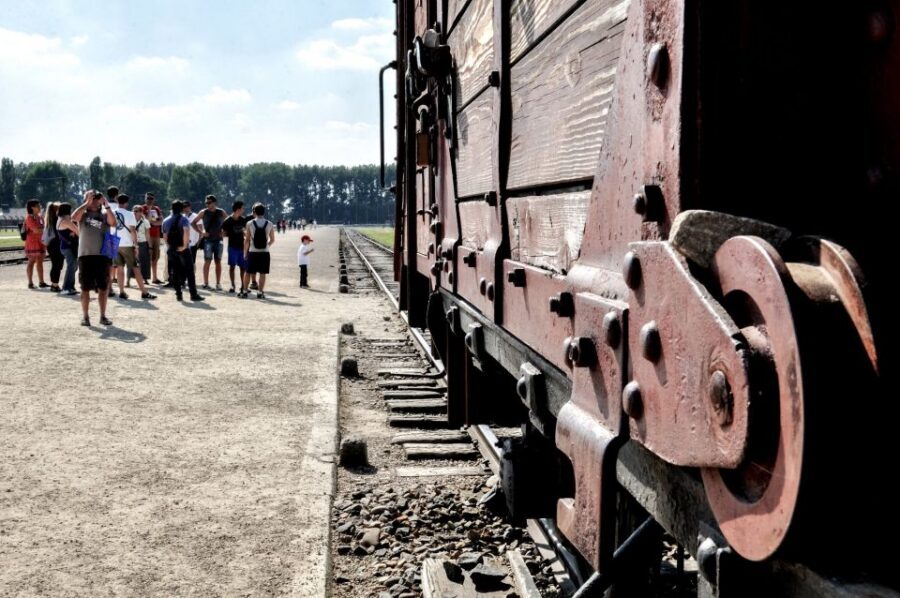
Auschwitz-Birkenau is busy by design. There are many tour groups, and the space is built for visitors to move in flows. Expect crowds especially near entry points, security scanning, and major exhibits.
You’ll also deal with physical strain. The route includes walking on uneven surfaces, stairs, and frequent transitions between indoor and outdoor areas. Even if you’re okay with walking, this is still a full-day effort that centers on concentration and emotion.
One review-related heads-up to take seriously: legroom on the transport can be tight. That doesn’t change the value of the tour, but it does affect comfort if you’re tall or sensitive to cramped seating. If you can, pack layers so you can adjust without constantly moving.
Price value: what you’re really paying for at $200 per person
$200 can feel steep until you break down what’s included. You’re paying for round-trip transportation, museum tickets, and a professional licensed guide for both major camp areas.
You’re also paying for something that’s hard to replicate easily: the guided context. Yes, you can visit Auschwitz-Birkenau independently, and you may pay less. But this kind of day is designed to solve two big problems for most visitors:
- how to understand what you’re seeing without getting lost in overwhelmed silence
- how to manage time so you cover the key areas in a single day
If you want the camp framework explained out loud, this tour often ends up feeling like good value. If you already know the history deeply, prefer silent self-paced reading, and enjoy planning logistics yourself, you might question the cost. For most first-timers, though, a guided day tends to be worth it.
Who this tour is best for
This tour is best if you want structure, context, and a route that hits the major original camp areas without you having to coordinate transport and entry logistics.
It’s not ideal if you’re traveling with young kids. The tour isn’t suitable for children under 14, which makes sense given the nature of the content and the pacing.
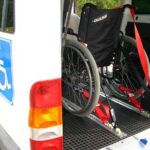
It also may not match your needs if you’re sensitive to long periods of walking and standing. The tour data lists wheelchair access, yet it also states it’s not suitable for wheelchair users. That conflict is a reason to confirm directly with the provider before you book, especially if mobility support is critical.
Finally, if you need a day with lots of downtime and room for slow reading, you may find the schedule feels tight. This is a guided experience where learning happens through movement and explanation, not through extended self-study time.
Should you book this Auschwitz-Birkenau tour from Krakow?
Book it if you want a guided, efficient day that covers Auschwitz I and Auschwitz II with English instruction, skip-the-line entry, and transport handled for you. The best part is not just access. It’s having someone translate the camp layout into meaning while you’re standing in front of it.
Skip it or choose a different style if you know you’ll struggle with a fast pace and lots of walking. Also, if you’re worried about pickup confusion, plan extra buffer time and arrive early to your pickup spot so you can confirm you’re with the right group.
If you do book: bring your ID, wear solid shoes, dress for weather, and pick your day timing based on the start time confirmed by email. Done right, this isn’t just a visit. It’s a day that helps you understand the scale and structure of what happened, and it does it without wasting your time.
FAQ
How long is the Auschwitz-Birkenau guided tour from Krakow?
The total duration is 8 hours. This includes transfer time plus guided visits and breaks.
What camps does the tour cover?
You visit Auschwitz I (Main Camp) and Auschwitz II-Birkenau. Auschwitz I focuses on the administrative center, and Birkenau is where the extermination site locations are.
How long is the guided time at Auschwitz I and Auschwitz II?
Auschwitz I guided visit is about 2 hours. Auschwitz II-Birkenau guided visit is about 1 hour, with the overall day including transfers and breaks.
Is lunch included?
A lunchbox is included only if you select the lunchbox option. A lunch break is not included during the museum visit due to museum rules.
Are entrance tickets included?
Yes. Entrance tickets to the Auschwitz-Birkenau Museum are included.
Do I get skip-the-line entry?
Yes. You can skip the line through a separate entrance.
What language is the tour guide?
The tour is conducted in English.
What are the pickup times like from Krakow?
Starting time can fall between about 5:30 AM and 3:00 PM. The exact pickup time may change and will be confirmed in an email before your tour date.
What do I need to bring, and what is not allowed?
Bring your passport or ID card and wear comfortable shoes and weather-appropriate clothing. Not allowed: pets, luggage or large bags, and sleeveless shirts.
Is the tour suitable for children?
No. It’s not suitable for children under 14.
Is the tour wheelchair accessible?
The activity is listed as wheelchair accessible, but it also states it is not suitable for wheelchair users. Because of this conflict, you should confirm with the provider before booking.
Is this tour refundable if I cancel?
No. The activity is non-refundable.