REVIEW · KRAKOW
From Krakow: Guided Auschwitz-Birkenau Group Tour by Minivan
Book on GetYourGuide →Operated by Auschwitztour · Bookable on GetYourGuide
You’ll feel history press in fast. This Krakow-to-Auschwitz-Birkenau trip pairs skip-the-line entry with a museum-provided English guide so you can focus on the places that matter most: Auschwitz I and Auschwitz II-Birkenau.
I especially like the tight structure of the day, plus the fact that the Auschwitz guide is run under the museum’s own rules. One thing to consider: the visit is heavy and the pace can feel brisk, with lots of walking and occasional crowding inside the memorial.
In This Review
- Key points to know before you go
- Auschwitz-Birkenau from Krakow: the 6.5-hour day that stays controlled
- Morning pickup and the minivan ride: small group, focused start
- Skip-the-line entry: how to make the ticket do its job
- Auschwitz I in about 1.5 hours: the gate, barracks, and the machinery of control
- Auschwitz II-Birkenau in about an hour: scale, barracks, and the worst evidence
- Small-group transport vs museum group size: what that means on the ground
- The role of the licensed museum guide: how your visit becomes understandable
- Price and value: why $68 can feel fair for this kind of day
- Comfort tips that make the memorial easier to handle
- Who should book this Auschwitz-Birkenau day tour?
- Should you book this tour?
- FAQ
- How long is the guided visit once we arrive at the memorial?
- What does skip-the-line mean on this tour?
- What’s the pickup and drop-off timing from Krakow?
- Where are the pickup locations in Krakow?
- What’s included in the $68 price?
- What should I bring, and what is not allowed?
Key points to know before you go
- Hotel pickup in central Krakow keeps the start of your day simple.
- Prepaid skip-the-line tickets help you get into the Auschwitz complex with less waiting.
- A licensed museum guide in English leads you through Auschwitz I and Birkenau with context.
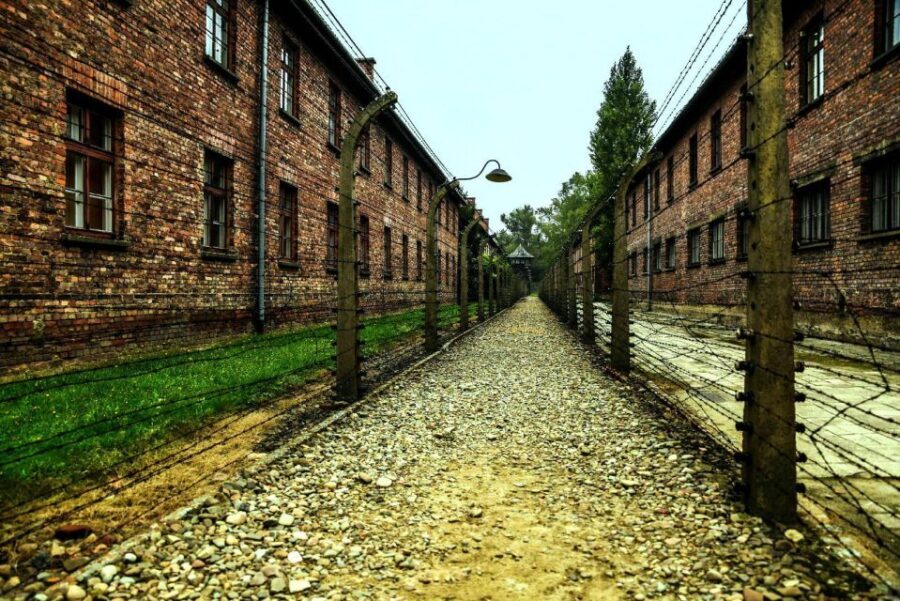
- You see the big, meaningful sites: the main gate, wooden barracks, bathhouse, crematorium, gas chamber, and the Death Wall.
- Small-group transport by minivan, with museum group size up to 30.
Auschwitz-Birkenau from Krakow: the 6.5-hour day that stays controlled
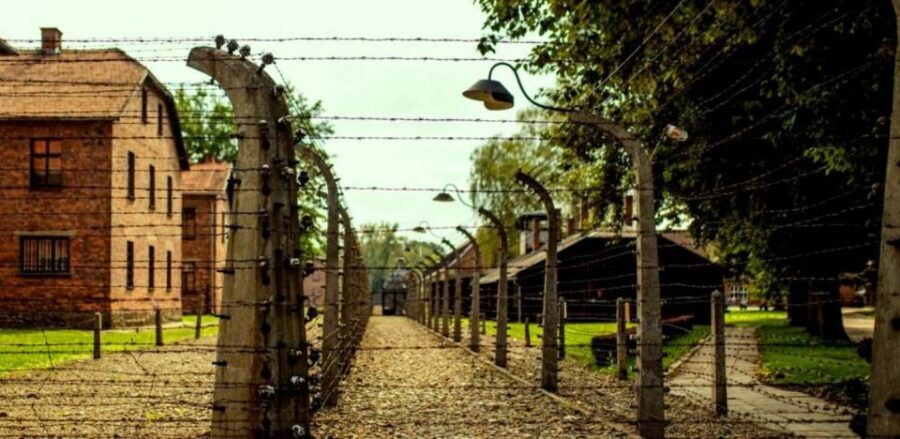
This is one of those days where you really want the logistics to behave. Your tour runs about 6.5 hours total, with hotel pickup in central Krakow in the morning and drop-off back at your hotel later in the afternoon. That schedule matters because Auschwitz-Birkenau is not a place you want to arrive frazzled.
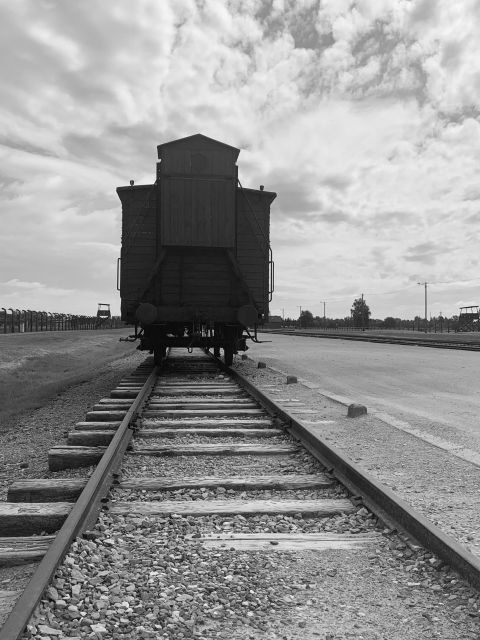
The big win is that you don’t have to piece together transport, tickets, and timing. You travel about 1 hour 10 minutes from Krakow, then you follow a guided route through the vast complex. It’s also designed so you can fit in both Auschwitz I and Auschwitz II-Birkenau without trying to manage a half-day scramble.
You should know this isn’t meant to be comforting. The point is education and remembrance, delivered in a very formal museum framework. If you’re expecting a relaxed sightseeing day, adjust your expectations before you go.
Other Auschwitz I and Birkenau combined tours in Krakow
Morning pickup and the minivan ride: small group, focused start
Pickup happens from multiple points in central Krakow (so you’re not stuck crossing town first). The pickup window runs between 7:00 and 8:40 AM depending on your departure time, and the van returns you between 3:00 and 4:00 PM.
One practical detail I appreciate: drivers wait no longer than 5 minutes after the scheduled pickup time, so plan to be outside and ready. Also, bring your passport or ID card, because entry is tied to the name you booked with.
Inside the minivan, the mood is typically calm and orderly—quietly getting ready for a serious day. In some departures, drivers have added extra context en route (including informative video-style explanations) and stayed attentive throughout the ride. Even if you don’t get any added commentary, the minivan format is a nice middle ground: you’re in a group, but not crammed into a massive bus.
Skip-the-line entry: how to make the ticket do its job
The main reason to book this style of tour is simple: it’s set up to reduce waiting. Your plan includes prepaid skip-the-line tickets, so you can head straight inside rather than dealing with long entry queues right at the start.
Here’s the reality check: Auschwitz-Birkenau can still feel crowded once you’re inside. Even when you’re not waiting at the entry point, you may run into slowdowns behind other groups at different buildings. That doesn’t mean skip-the-line failed—it just means the memorial is busy and you’re walking through a site with many guided routes happening at once.
My advice: show up with comfortable shoes and the mental switch ready. The first moments set the tone, and you’ll get more out of it if you’re not rushed or distracted by delays. If you hate crowds, aim for the earliest pickup slot you can manage, because the day’s flow will be easier to handle.
Auschwitz I in about 1.5 hours: the gate, barracks, and the machinery of control
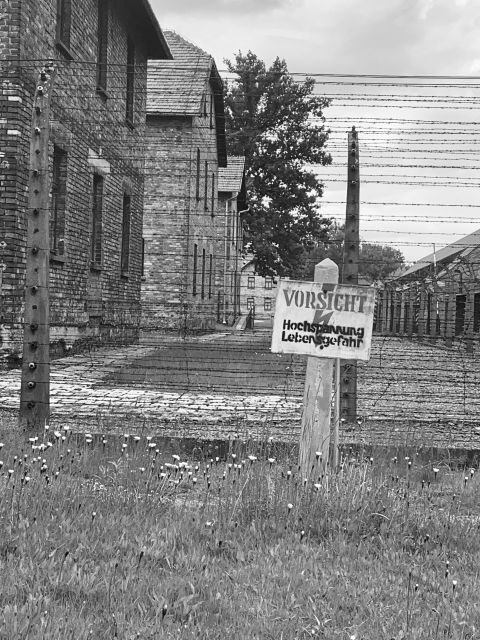
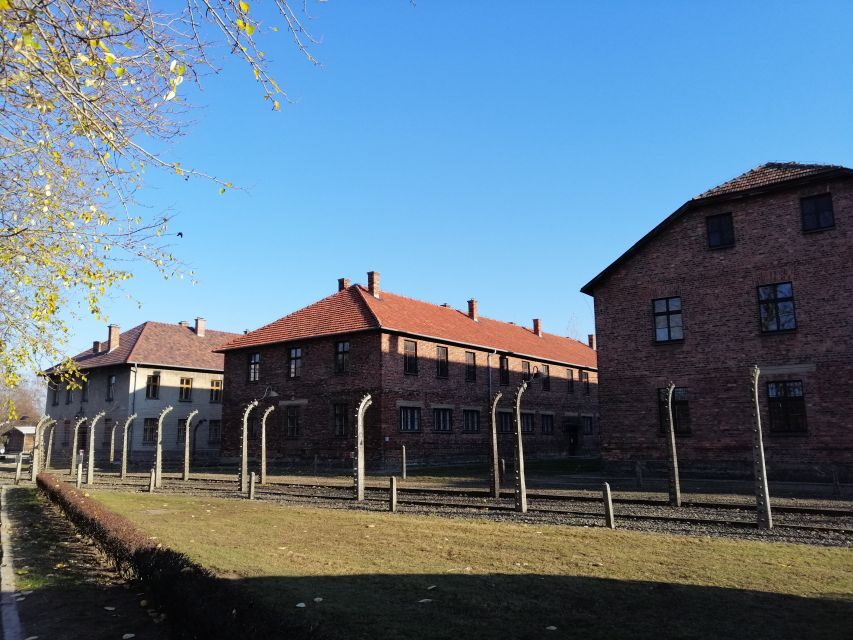
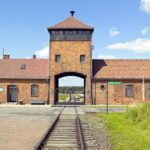
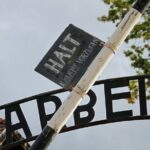
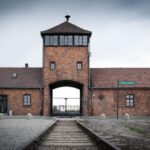
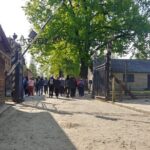
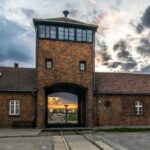
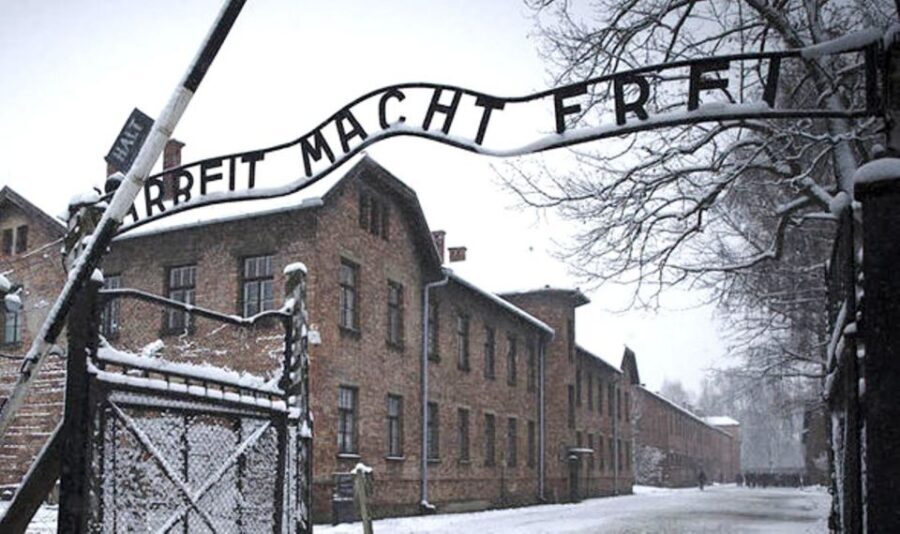
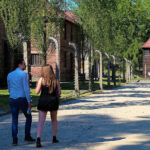
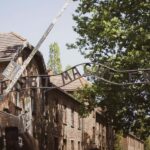
Auschwitz I is usually where the day starts feeling real, fast. You’ll walk into the Auschwitz I area with the museum guide, and the guided portion typically runs around 1.5 to 2 hours there. Your route includes the main entrance and you’ll pass beneath the Arbeit Macht Frei sign.
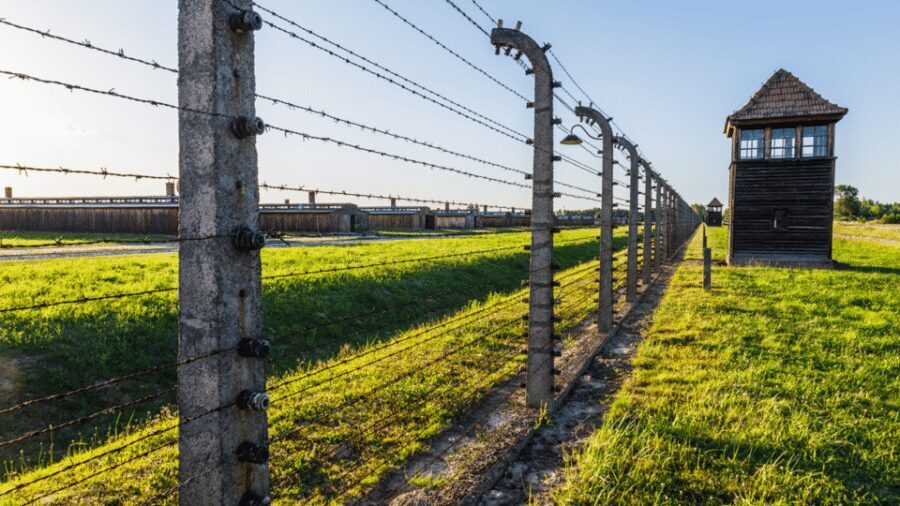
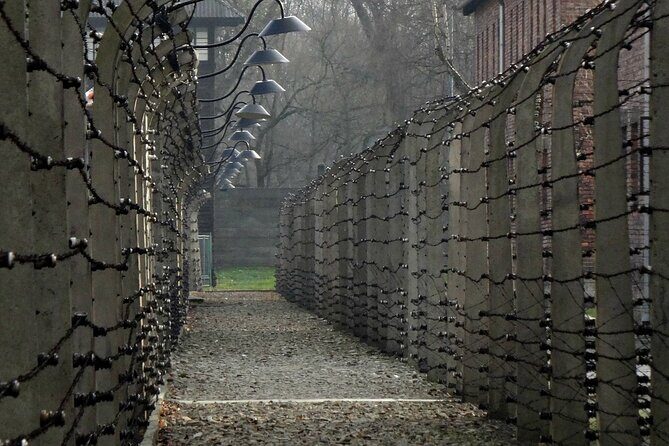
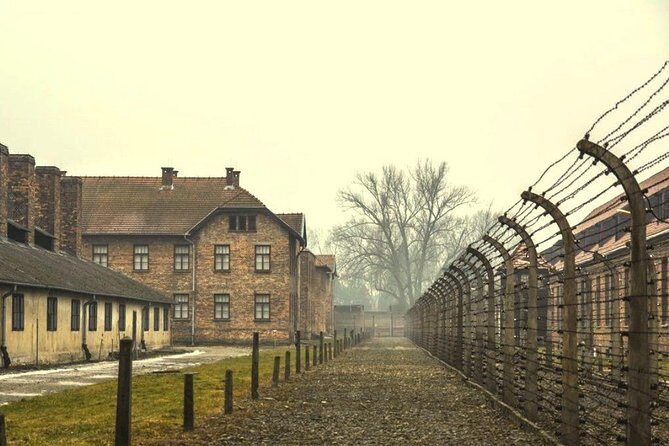
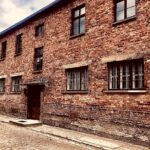
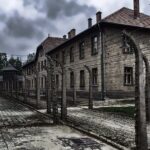
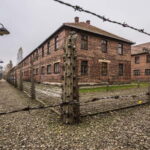
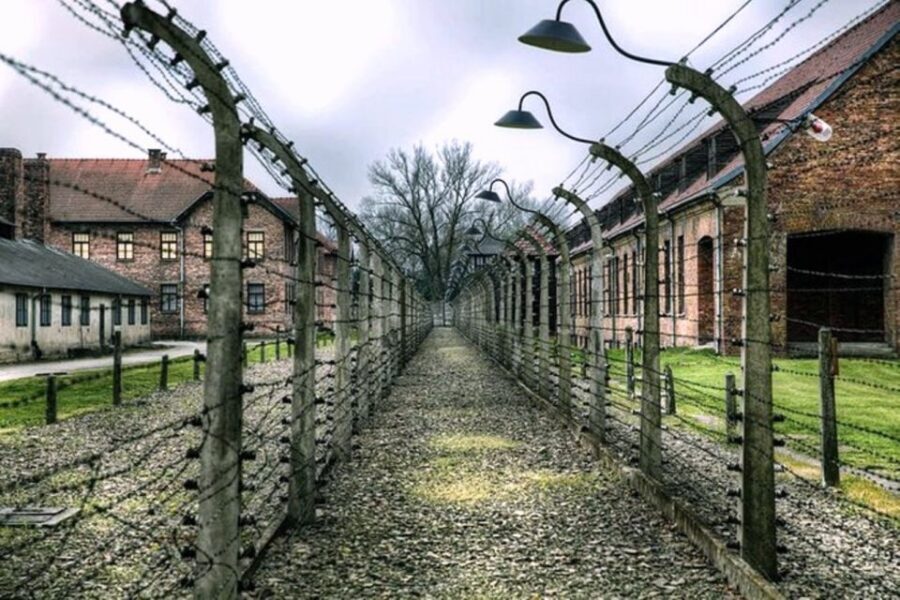
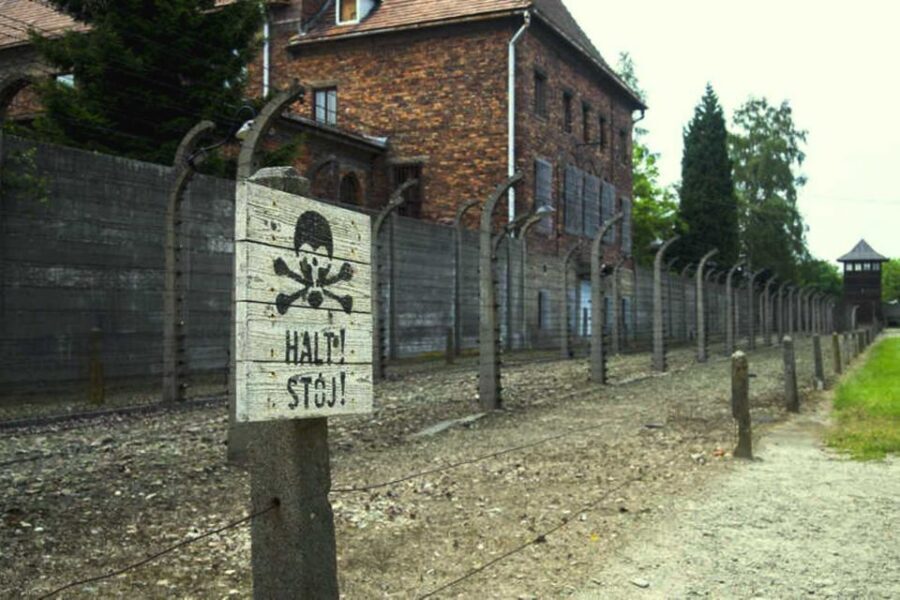
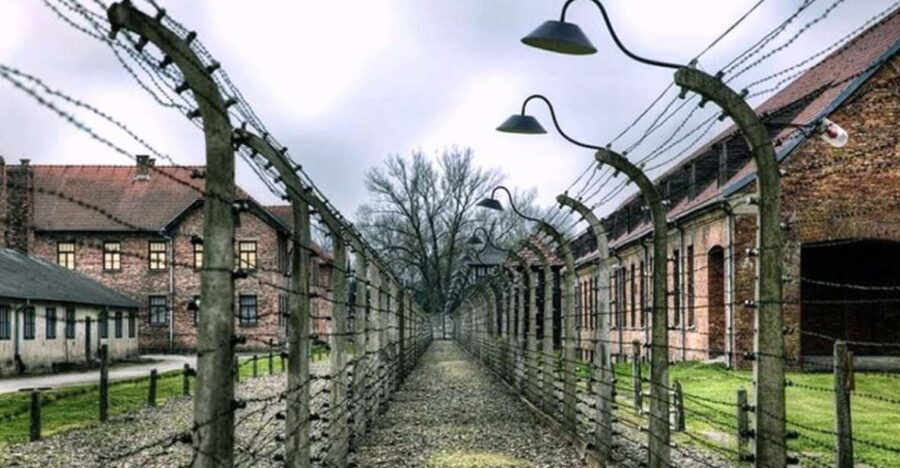
From a visitor-experience standpoint, Auschwitz I is where you learn the system. You move through the camp buildings at a guided pace, and you’ll see key structures such as original wooden barracks, the bathhouse, and a watchtower. Even if you know the name Auschwitz, the physical layout is what helps your brain connect the story to real space.
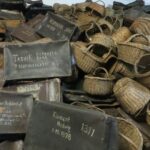
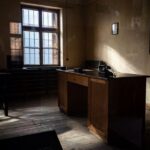
You’ll also spend time at the on-site museum displays, with photographs, documents, and personal items connected to prisoners. This part matters because it shifts from “camp as a concept” to camp as an organized, documented reality.
One consideration: in some runs, the Auschwitz I pacing can feel tight, especially if your guide needs to keep the group moving to hit the memorial’s time structure. If you’re slow-walking or you want more pause time, keep an eye on the schedule and don’t plan on lingering in every room for long.
Auschwitz II-Birkenau in about an hour: scale, barracks, and the worst evidence
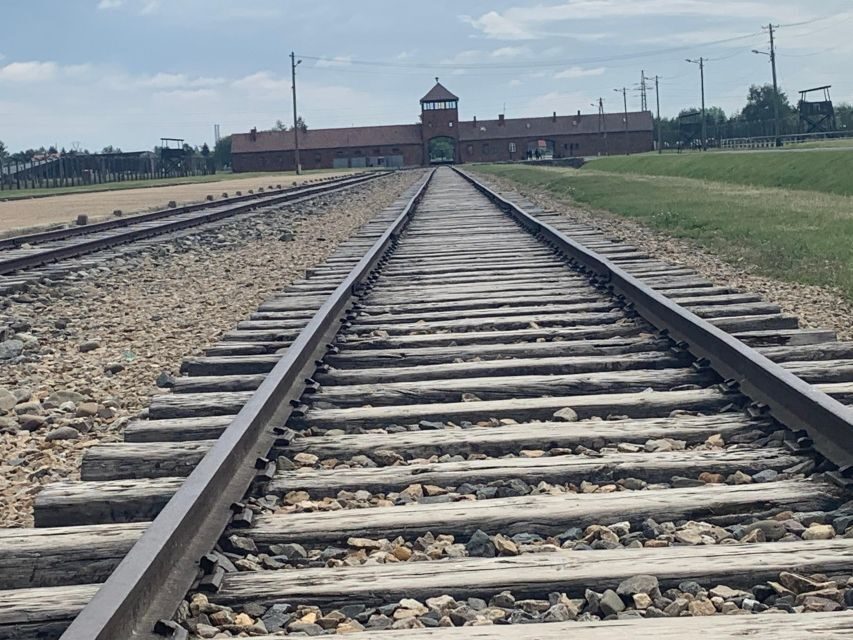
After Auschwitz I, you go to Auschwitz II-Birkenau. The guided time there is typically around 2 hours (the overall museum-guided portion can be about 3.5 hours total across both areas, depending on how the visit is paced). In the shorter end of the spectrum, you may feel Birkenau is condensed—especially on hot days when visitors and staff may need to adjust the flow.
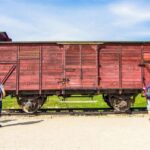
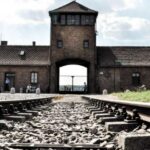
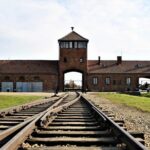
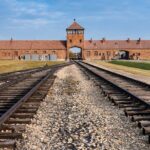
Even with time limits, Birkenau hits with visual scale. You’ll visit features that visitors usually associate immediately with Auschwitz’s atrocities, including the crematorium, the gas chamber, and the Death Wall. You’ll also see the bathhouse and camp-related structures in this second area, which helps connect how the system worked in practice.
The emotional part isn’t optional here. This isn’t a “quick photo stop” site. You’ll be asked—implicitly and explicitly through the way you’re guided—to observe with respect. Your guide’s tone becomes important, and the best guides balance clarity with appropriate seriousness.
Also, after Auschwitz, there’s a quick 10-minute break for snacks and facilities. Don’t treat it like a meal break. It’s a reset so you can continue.
Other Auschwitz tours from Krakow in Krakow

Small-group transport vs museum group size: what that means on the ground
This trip is built around minivan transport and a manageable schedule, but your museum guided group can be larger. The museum guide’s group has a maximum size of 30 people, and you’ll likely move through sections that other groups also occupy.
That matters because you might experience short waits at busy indoor spots or when entering particular buildings. In other words: skip-the-line helps at the start, but it doesn’t control the entire flow of visitor traffic inside the memorial.
The good news is that small-group van transport keeps the day from feeling like a school bus tour. You get a more personal start (pickup points are close to central hotels, and your driver handles the route). Then, once you enter the museum system, you shift into their guided pace.
If you prefer space and quiet, you should still come prepared for crowds. But if you can handle a serious, busy environment and you want a structured visit with a guide, this format is often a strong choice.
The role of the licensed museum guide: how your visit becomes understandable
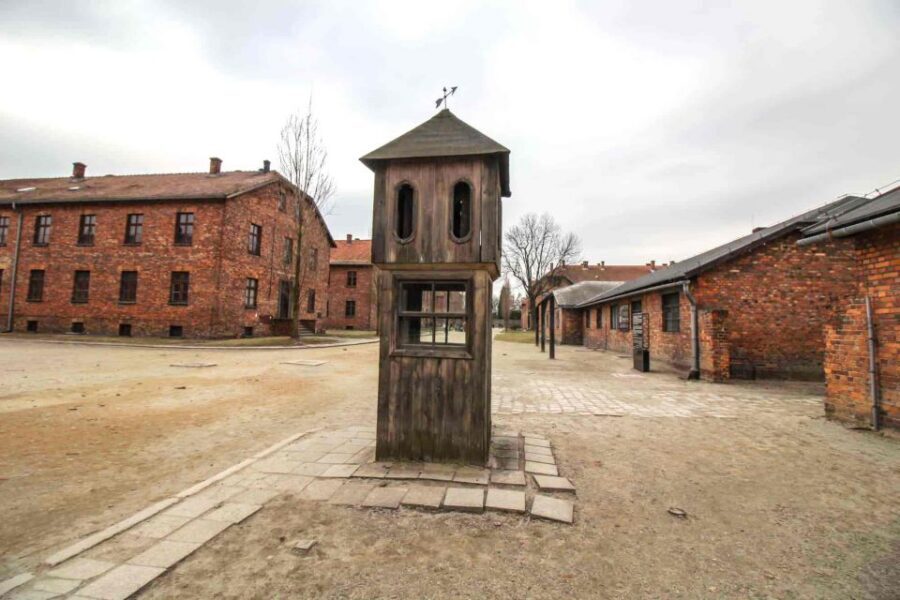
The tour’s backbone is the licensed museum guide provided by the memorial, delivered in English. That means the explanation isn’t generic. It’s grounded in the museum’s interpretation and the route they’ve set.
From names shared by past departures, you may encounter on-site guides such as Magda or Sabina (names can vary by departure). Each guide has their own delivery style, but the format stays consistent: you follow them through Auschwitz I and Auschwitz II-Birkenau while they connect visible sites to historical context.
What I like about the guide-led approach is that it prevents you from getting stuck in “I saw buildings, now what?” mode. The museum tour format helps you understand why each stop matters, and it keeps you from missing the big “anchor points” like the gate area and key evidence locations.
Also, note the walking pace. Some guides may move quickly, partly to cover required sites and partly because the memorial sets time boundaries. If you need slower pacing, go early in the day and be upfront with your group needs.
Price and value: why $68 can feel fair for this kind of day
At about $68 per person, this isn’t a bargain-price tour. But it’s not an inflated “transport only” add-on either.
For that price, you get:
- Hotel pickup and drop-off
- Transportation by minivan
- Museum admission fees
- A professional museum guide in English
- Prepaid skip-the-line entry setup
If you tried to replicate this yourself, you’d likely spend time coordinating transport, admission, and a guide arrangement—then deal with timing issues on the day. Here, the value comes from reducing decision fatigue and keeping the visit organized.
Food is the one main gap: food and drinks aren’t included. Instead, there’s that quick snack/facilities break. In some departures, drivers have offered an optional boxed lunch add-on (for example, I’ve seen mentions of a vegetarian boxed lunch around 50 PLN). If you’re the type who gets hangry on day trips, ask ahead or plan to carry something simple if the schedule allows.
Comfort tips that make the memorial easier to handle
Auschwitz-Birkenau is mostly walking and standing, so comfort is not a luxury—it’s a survival tool for the day.
Bring:
- Passport or ID card (your booked name must match what you present)
- Comfortable shoes with good grip
Don’t bring:
- Baby strollers
- Luggage or large bags
Also, the memorial requires you to provide your full name and contact details as part of booking, and entry can be refused if the name doesn’t match your ID. That’s not the kind of thing you want to fix at the gate, so double-check details before you travel.
One more practical thought: since the tour timing is tightly managed by the memorial’s visitor service, the break is short and you don’t get extra free time added by the operator. If you need extra comfort breaks, plan to use the scheduled stop and not expect more flexibility.
Who should book this Auschwitz-Birkenau day tour?
This works best if you want:
- A guided, structured visit with an English-speaking museum guide
- Pickup and drop-off so you don’t wrestle with transport
- A plan that covers both Auschwitz I and Auschwitz II-Birkenau in one day
It may not be ideal if you:
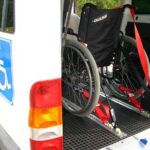
- Have mobility impairments (the tour is not suitable for this)
- Need very slow pacing or lots of “stop and think” time without moving with the group
- Are extremely sensitive to crowds or long lines inside the memorial
If you’re visiting Krakow for the first time, this is also a smart “anchor experience” because it’s time-boxed and organized. You get a full-day event without having to plan a separate day around it.
Should you book this tour?
Yes, with a clear-eyed mindset.
Book it if you want licensed museum guidance, skip-the-line entry, and an efficient day that still hits the key Auschwitz I and Birkenau sites. At roughly $68, the value comes from what’s included: transport, admission, and a guide-run route that you can’t easily recreate on your own.
Skip or rethink it if you’re hoping for a relaxed, flexible schedule or if mobility and pacing are concerns. The memorial is demanding, and this tour is built to fit within the museum’s rules and time boundaries.
If you come prepared—shoes, ID, mental focus—you’ll leave with a clearer understanding of what happened here and why these specific places still matter today.
FAQ
How long is the guided visit once we arrive at the memorial?
The guided museum tour is approximately 3.5 hours total, with about 1.5 to 2 hours in Auschwitz I and about 2 hours in Auschwitz II-Birkenau.
What does skip-the-line mean on this tour?
You use prepaid skip-the-line tickets to enter right away instead of waiting in a long entrance queue at the start.
What’s the pickup and drop-off timing from Krakow?
Pickup is between 7:00 and 8:40 AM (time to be confirmed). Drop-off back at your hotel is between 3:00 and 4:00 PM.
Where are the pickup locations in Krakow?
Pickup can be from: Pawia 18b, Floriana Straszewskiego 19, Wielopole 2, Józefa Dietla 93, plus an additional Kraków pickup option.
What’s included in the $68 price?
Included: transportation, the professional museum guide, admission fees to Auschwitz-Birkenau, and hotel pickup and drop-off.
What should I bring, and what is not allowed?
Bring your passport or ID card and comfortable shoes. Baby strollers, and luggage or large bags are not allowed.