REVIEW · KRAKOW
Krakow: Auschwitz-Birkenau and Wieliczka Salt Mine Day Trip
Book on GetYourGuide →Operated by Krakowbooking · Bookable on GetYourGuide
Auschwitz and a salt underground city in one day? That contrast is exactly why this tour works. You start with Auschwitz-Birkenau’s stark, documented remains, then shift to the odd beauty of Wieliczka’s chapels and statues carved from rock salt. It’s a full, heavy day, but the structure helps you keep up with what you’re seeing.
I also like how this trip is built around guides, not just transport. You get licensed live guiding in both places, and the day includes a real break between stops (a scheduled 40–60 minutes for lunch). One thing to plan for: the walking and stairs are serious, and this isn’t a good fit if you have mobility limits or claustrophobia.
In This Review
- Key points I’d circle before you book
- A Hard Day, Well Time-Managed: How 11 Hours Plays Out
- Krakow Pickup and the Ride to Auschwitz: Comfort That Matters on a Long Day
- Auschwitz-Birkenau With a Licensed Guide: What You Gain Beyond the Visible
- Gas Chambers, Prison Blocks, and Birkenau’s Railway Ramp
- Switching Gear to Wieliczka: Salt Statues, Chapels, and the Underground City Feel
- Steps, Elevators, and Low Ceilings: The Physical Reality of the Salt Mine
- Price and Value: Why This Combo Often Works for One-Day Krakow Trips
- Who This Tour Suits (and Who Should Rethink It)
- Should You Book This Auschwitz and Wieliczka Day Trip?
- FAQ
- What’s included in the price for this Krakow day trip?
- Where are you picked up in Krakow?
- What do I need to bring for entry into Auschwitz-Birkenau?
- How many stairs are involved at Wieliczka Salt Mine?
- Is this tour suitable for claustrophobia or limited mobility?
- Are there any bag or personal restrictions?
Key points I’d circle before you book
- Skip-the-line tickets and licensed guides at Auschwitz-Birkenau and Wieliczka keep the day moving
- Air-conditioned transport from Krakow plus pickup and drop-off makes the long day more manageable
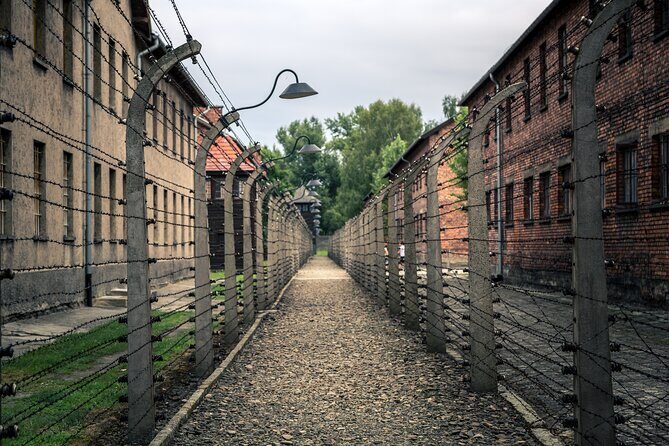
- Auschwitz-Birkenau focuses on the visible remains, including gas chambers and prison-block areas
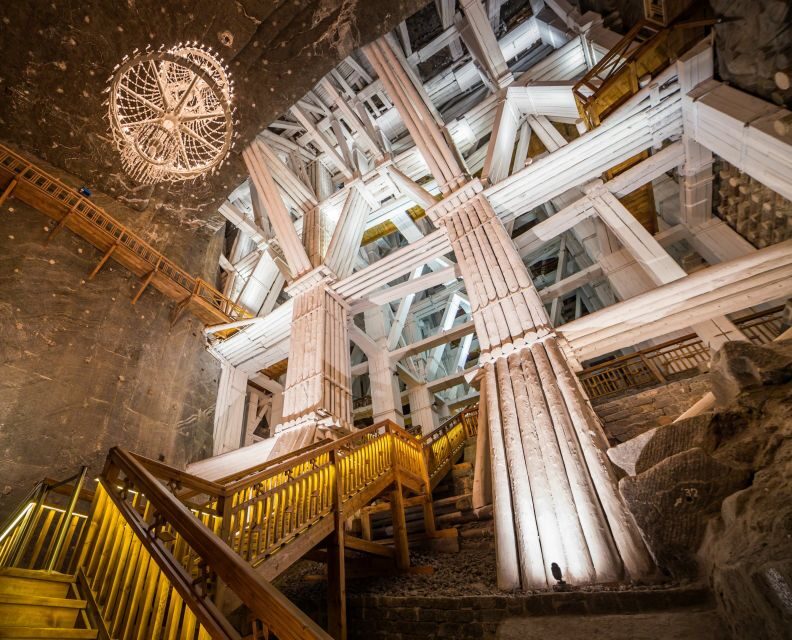
- Wieliczka’s underground “city” feel comes with salt chapels, statues, and micro-element-rich air
- Expect lots of stairs: the mine tour includes 800 steps, with 350 at the start
A Hard Day, Well Time-Managed: How 11 Hours Plays Out
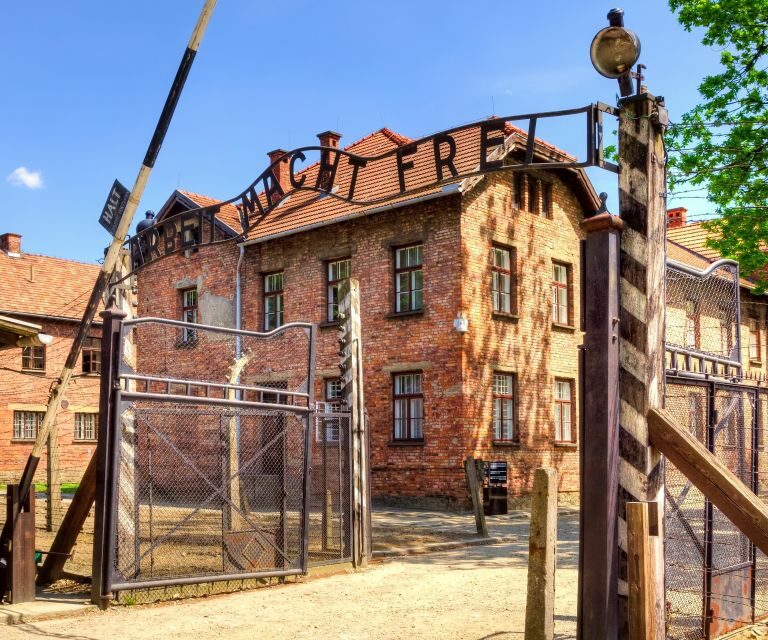
This is an 11-hour day trip that aims to do two major sites in one go: Auschwitz-Birkenau in the morning/early afternoon, then Wieliczka Salt Mine afterward. That means you should treat it like a marathon, not a casual outing. Your emotions will do their own traveling, and your legs will do the rest.
What makes the timing more workable is that the trip doesn’t just dump you at two distant locations. You get pickup in Krakow (Radisson Blu Hotel or Hotel Maltański), air-conditioned transport, and a guided flow inside each site. Between the two big stops there’s a scheduled lunch break (40–60 minutes), which sounds short because it is, but it prevents the day from collapsing into hunger and delays.
The biggest “consideration” isn’t the length. It’s stamina. You’re walking inside both places, and the salt mine adds a stair count that can surprise people who assume an elevator will do most of the work.
Other Auschwitz I and Birkenau combined tours in Krakow

Krakow Pickup and the Ride to Auschwitz: Comfort That Matters on a Long Day
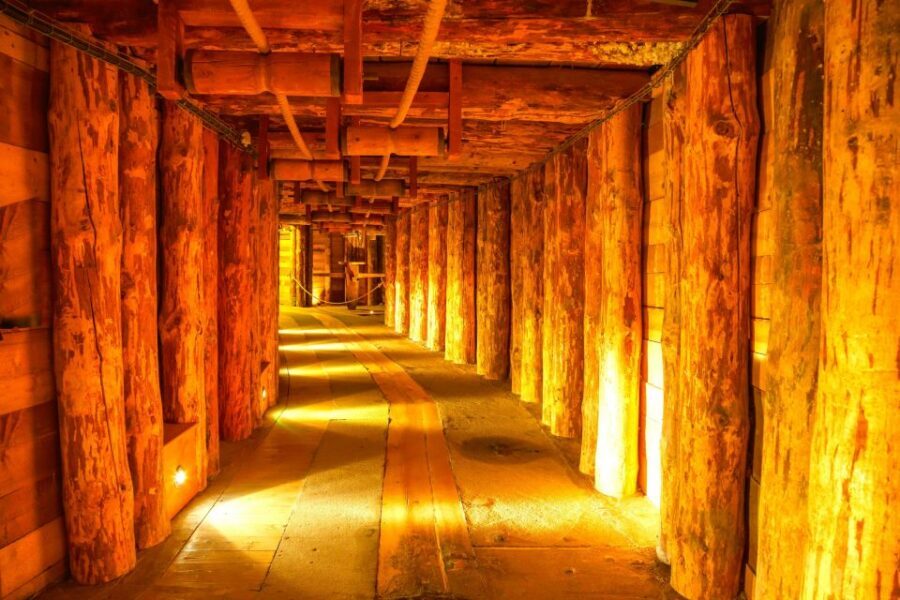
Getting out of Krakow on time is half the battle on any day trip like this. This one uses a comfortable air-conditioned bus and includes an English-speaking driver, plus pickup and drop-off at the listed Krakow hotels. That matters because you don’t want to spend your limited time fighting transit, parking, or confusing meeting points.
The ride itself is part of the experience. You’ll be traveling through parts of Lesser Poland while your guide staff (or driver on the way) helps set context for what you’re about to see. Even if you’re ready for the facts, seeing the geography first helps you understand the scale later. The day is long, so the comfort also helps you arrive with your head clear enough to process what you’re about to experience.
One practical note: since the mine and Auschwitz both restrict large bags, travel light if you can. Smaller essentials are easier for security checks and easier for you once you’re moving through crowded corridors.
Auschwitz-Birkenau With a Licensed Guide: What You Gain Beyond the Visible
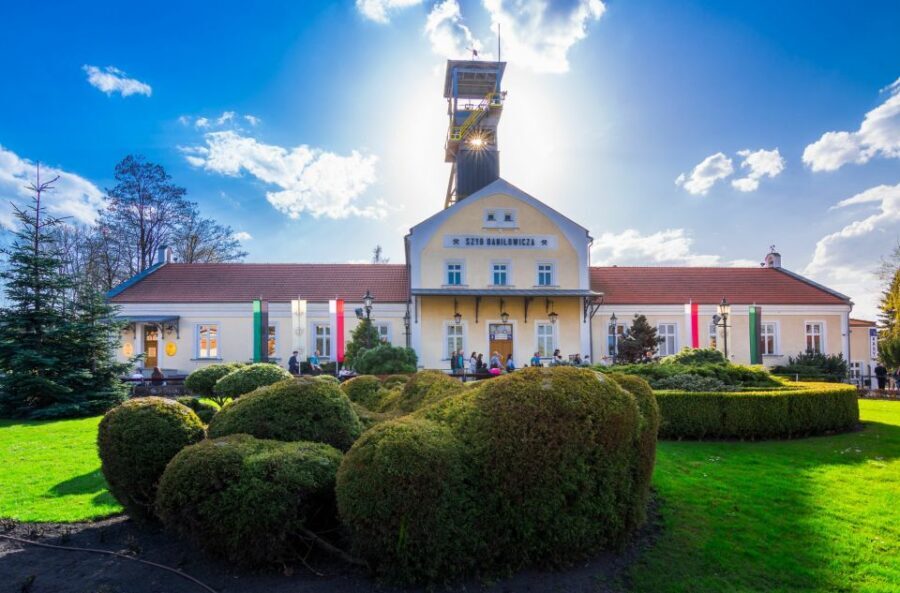
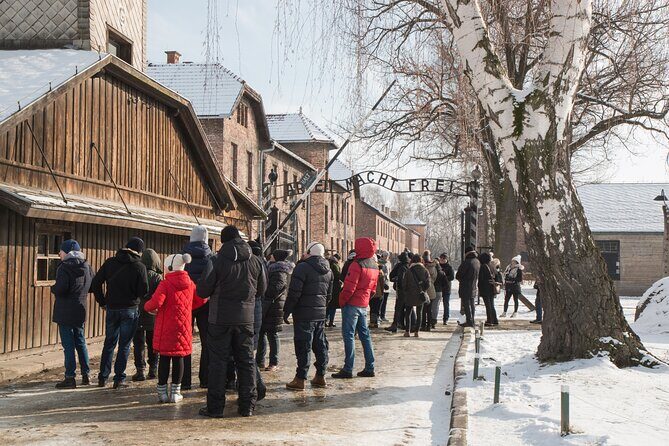
At Auschwitz-Birkenau, a self-guided visit can still be moving—but a licensed guide turns the visit into something you can actually follow. This tour includes entrance and a licensed live guide for the Auschwitz-Birkenau Museum, and the guiding is what helps you connect the place you’re standing in with what happened there.
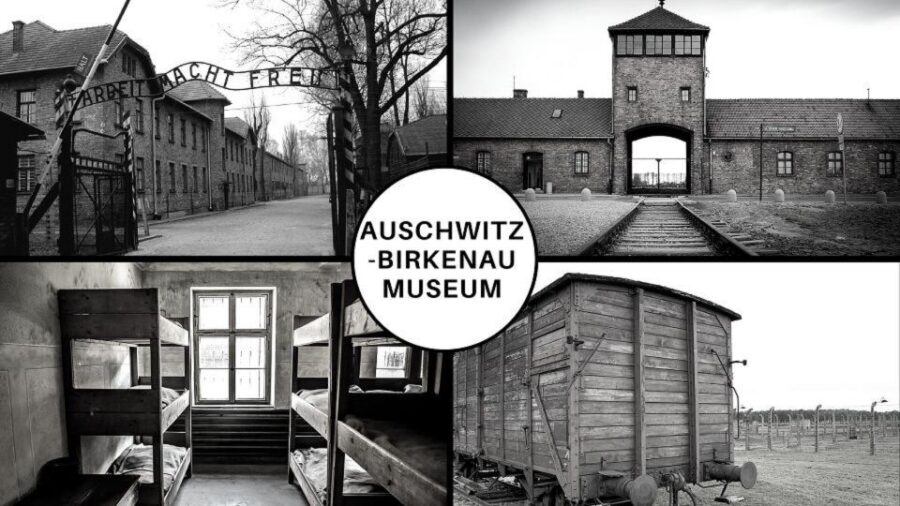
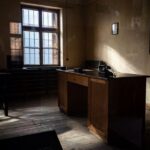
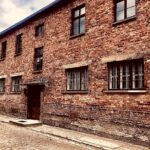
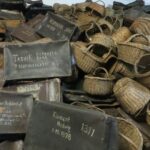
You’ll see original areas including prison blocks and the remains connected to the gas chambers. You’ll also learn how the camp functioned and what genocide meant in daily, organized reality—not just as an abstract event from a textbook. This is the kind of site where the details are the point. The guide helps you notice what you might miss if you’re scanning for the “biggest” photo spot.
I particularly value that the tour doesn’t treat Auschwitz like a checklist of monuments. A good guide helps you understand why certain structures were used, how the camp layout worked, and how the museum explains those facts. The tone matters, too: guides who keep the focus on documentation and human impact help you stay respectful while still learning.
Gas Chambers, Prison Blocks, and Birkenau’s Railway Ramp
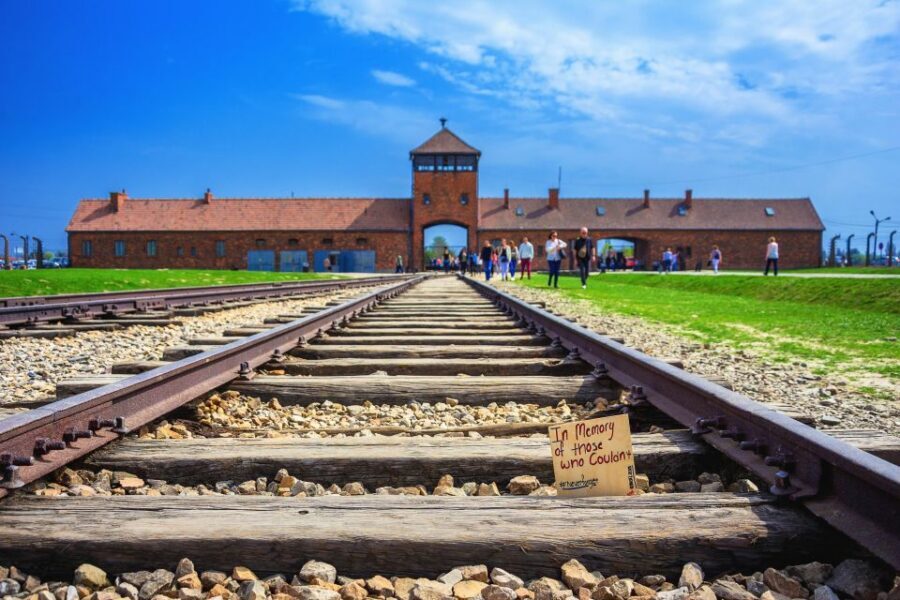
If you want one reason this combo tour is worth the effort, it’s this: Auschwitz-Birkenau gives you context through physical remnants. You’re not just reading about history—you’re seeing the scale of confinement and the systems built for persecution.
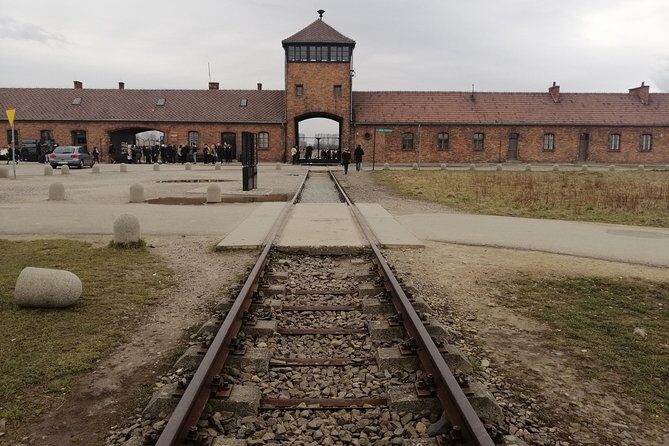
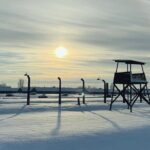
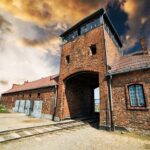
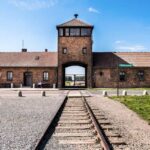
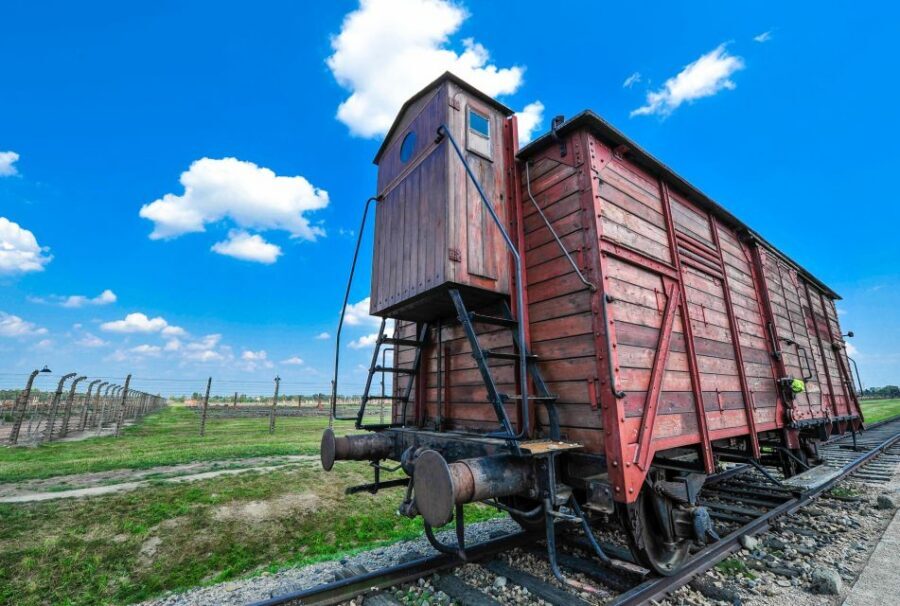
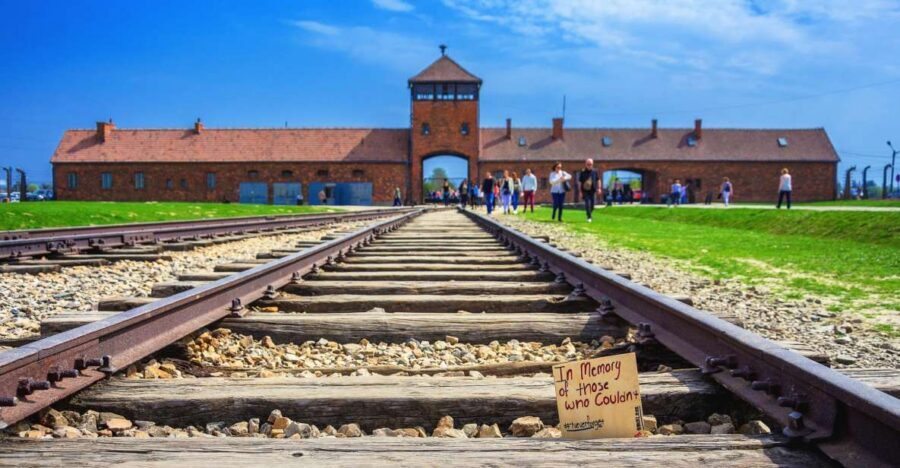
In Birkenau especially, the tour includes the remains of the railway ramp. That detail matters because it connects the transportation of prisoners directly to the camp’s machinery. It also helps explain why survivor testimony and museum interpretation often emphasize arrivals, separation, and processing. The railway ramp becomes more than a path—it becomes a hinge point in how the camp worked.
The same goes for the gas chamber areas and prison-block remains. You’ll likely feel pulled toward those spaces in silence. The guide’s job is to keep the meaning clear, so you don’t end up stuck only on shock. If you’re someone who processes by asking questions, this is where the structure of a guided tour really helps.
Switching Gear to Wieliczka: Salt Statues, Chapels, and the Underground City Feel
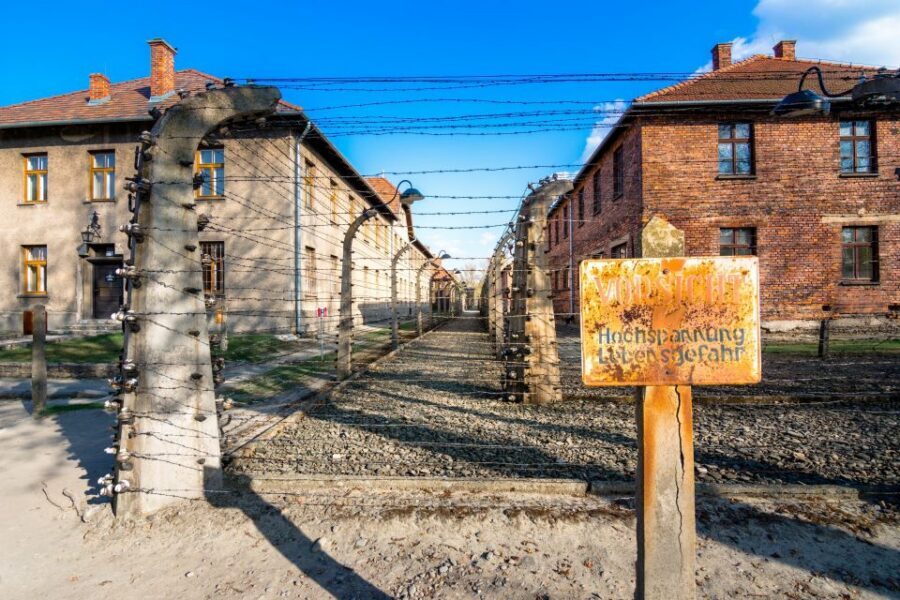
After Auschwitz, Wieliczka Salt Mine can feel like stepping into a completely different world. That’s not a bad thing. It gives your brain a chance to catch up while still being an intense experience in its own way.
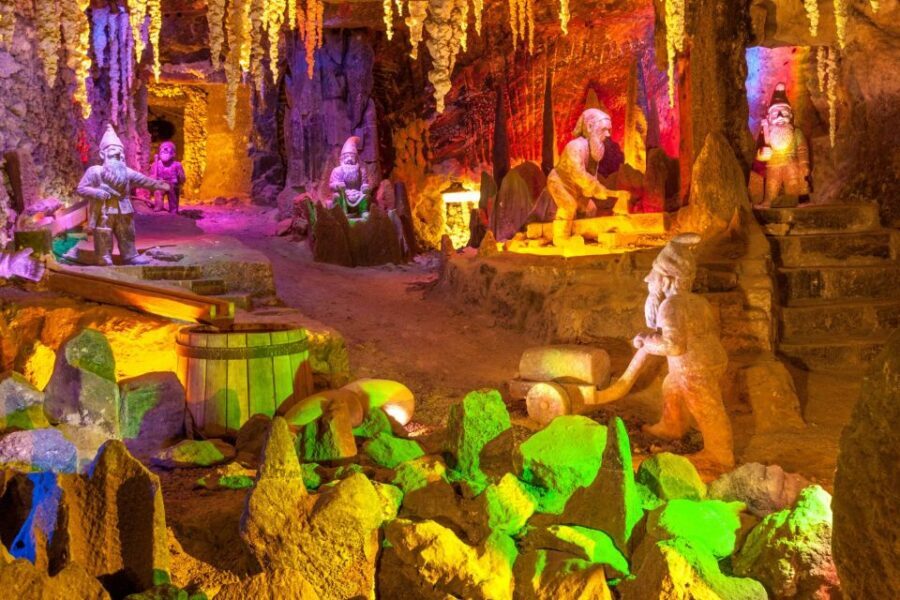
You’ll travel from the mine area to the next part of the day (the break between sites is built in), and then you’ll go underground with a local guide. Wieliczka includes entrance and a licensed live guide, and the big draw is how people carved an underground city out of rock salt: chapels, statues, and dramatic carved spaces.
The “healing properties” idea comes from the mine’s special climate and micro-element-filled air. Even if you treat that as more folklore than medicine, it still helps frame the experience. The mine isn’t just a tourist tunnel; it’s an environment with its own story about health beliefs and long-term mining traditions.
And yes, the statues and chapels are genuinely memorable. They’re crafted, not just discovered, and they show how communities turned an industrial resource into something spiritual and artistic.
Other Auschwitz and Wieliczka Salt Mine combination tours in Krakow

Steps, Elevators, and Low Ceilings: The Physical Reality of the Salt Mine
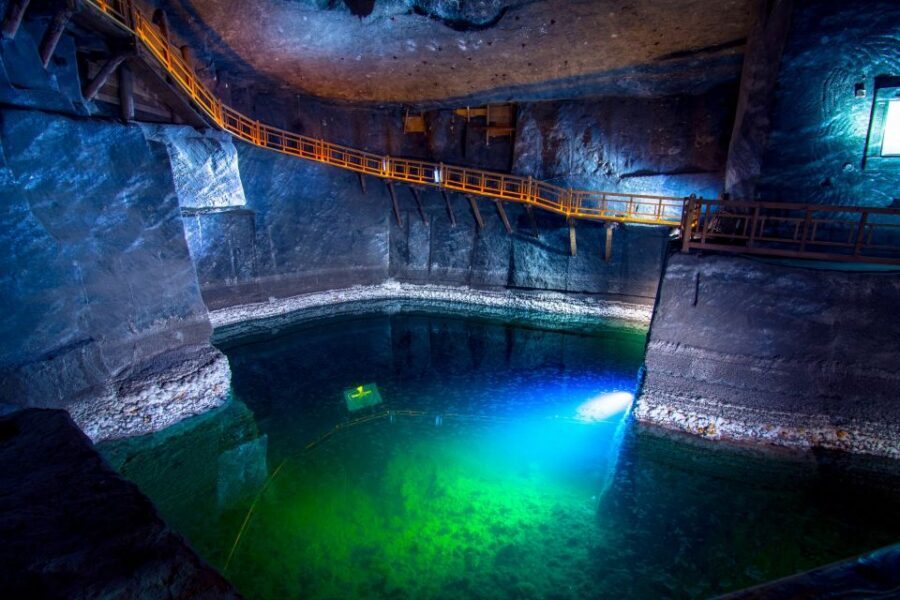
Here’s the part you should not guess about. In the salt mine, you’ll face 800 steps total, and 350 of them are at the beginning, taking you down into the mine. That means your legs feel it right away, before you even get to the most famous carved areas.
There’s an elevator, but it’s used only to get from the bottom back up to the surface at the end. So don’t plan on using it to avoid the descent. Also, some passages have low ceilings. If you’re tall, watch your head and move carefully.
Comfortable shoes are a must. Avoid anything that slides on stone. And bring a small, manageable bag that fits the size restrictions—large luggage isn’t permitted inside either site.
This is also one reason the tour has clear guidance about fitness and comfort needs. If stairs or enclosed spaces make you anxious, the mine can turn stressful quickly.
Price and Value: Why This Combo Often Works for One-Day Krakow Trips
At about $131 per person for an 11-hour day trip, you’re paying for more than transport. You’re paying for two licensed guided visits, entry to both major attractions, pickup and drop-off, and air-conditioned bus service across several locations.
If you tried to DIY this, you’d likely spend time figuring out tickets, timing, and transport connections. Even if you could get the schedules to line up, you’d still miss the structured “here’s what you’re looking at and why” guidance at each site. That’s the real value driver here: licensed guides at both Auschwitz-Birkenau and Wieliczka.
Is it cheap? No. But it’s good value for people who want both experiences in one day and don’t want to burn their time juggling logistics. And the quality of guiding seems to be a major reason the day lands well for many groups, including specific guide names like Renata (mentioned especially) and Greg (referenced as a diver guide style in the mine segment), plus Jacob as a driver example.
Who This Tour Suits (and Who Should Rethink It)
This tour is a strong match if you want a single-day hit of two headline sites from Krakow with English-language live guiding and a smooth, organized schedule. It also makes sense if you’re the type who asks questions and wants context as you walk, not only at the hotel afterward.
It’s not suitable for everyone. It isn’t recommended for people with a walking disability or claustrophobia, and it’s not recommended for children aged 13 and under. Mobility impairments are also called out as not suitable. And because the mine tour includes a large stair count and some confined-feeling areas, it’s better to choose another format if your comfort limits are tight.
If you’re traveling with limited time and you want to do both Auschwitz-Birkenau and Wieliczka without stress, this combo is practical. If you need a low-impact day, you’ll likely be happier with a different plan.
Should You Book This Auschwitz and Wieliczka Day Trip?
Book it if you want the full Krakow package: Auschwitz-Birkenau for historical gravity, then Wieliczka for carved-stone wonder below ground, all handled with guided interpretation and straightforward logistics. The main win is how the day is structured—pickup, transport, skip-the-line entry, licensed guides, and a lunch break that keeps you functional.
Skip it if stairs, enclosed spaces, or long walking days are deal-breakers for you. Also think twice if you’re worried about emotional intensity; this is a genocide site, and you should go prepared for a heavy experience.
If you do book, go light, wear real walking shoes, and give your guide permission to help you see what matters. That’s where the day becomes more than two famous stops. It becomes a connected story you actually understand.
FAQ
What’s included in the price for this Krakow day trip?
Pickup and drop-off are included, along with transportation by air-conditioned vehicle and an English-speaking driver. You also get entrance tickets and licensed live guides for Wieliczka Salt Mine and Auschwitz-Birkenau Museum. There’s a scheduled lunch break of 40–60 minutes between Wieliczka and Auschwitz. Food and drinks are not included.
Where are you picked up in Krakow?
Pickup is included from Radisson Blu Hotel or Hotel Maltański.
What do I need to bring for entry into Auschwitz-Birkenau?
Bring your passport or ID card. You also must provide your full name and contact details as part of the booking requirements. Entrance may be refused if the name on your booking does not match the name on your ID.
How many stairs are involved at Wieliczka Salt Mine?
The mine visit includes 800 steps to climb, with 350 of them at the beginning as you go down. Comfortable shoes are strongly recommended. An elevator is used only to get back up to the surface from the bottom at the end.
Is this tour suitable for claustrophobia or limited mobility?
No. The tour is not recommended for people with claustrophobia, and it is not suitable for people with mobility impairments. It is also not recommended for people with a walking disability.
Are there any bag or personal restrictions?
Yes. Pets are not allowed. Baby carriages are not permitted. Luggage or large bags larger than 30 x 20 x 10 cm are not permitted inside both Auschwitz-Birkenau and Wieliczka Salt Mine.