REVIEW · KRAKOW
Auschwitz Birkenau Tour with Pickup and Lunch
Book on Viator →Operated by Royal Tours Krakow · Bookable on Viator
Auschwitz changes you fast, but plan ahead. I really like the round-trip minivan pickup from Krakow, and I also appreciate the headsets that help you keep up with the guide’s narration. The main drawback to consider: the pace can be brisk, and if you fall behind, you may lose the audio signal and miss key details.
This is one of those tours where the logistics matter because the setting is so heavy. You’ll walk through Auschwitz I, then ride to the much larger Auschwitz II-Birkenau, with time to pay respect at the end. With a lunch box included (meat plus vegetarian/vegan options), you’re not stuck hunting for food while you’re surrounded by some of the darkest history on earth.
In This Review
- Key things to know before you go
- From Krakow to Auschwitz: what your day will feel like
- Pickup, headsets, and the lunch box: the practical stuff that matters
- Auschwitz I: the iron gate, the barracks, and Block 11
- The transfer to Birkenau: why the second camp matters so much
- Auschwitz II-Birkenau: vast grounds and a final moment of respect
- Guides, group size, and clear listening: making the most of headsets
- Timing, pacing, and mobility concerns: plan for real movement
- Lunch box value: food you won’t have to hunt for
- Price and value: what you’re paying for
- Should you book this Auschwitz-Birkenau tour with pickup and lunch?
- FAQ
- Is admission to the camps included?
- Do I get pickup from Krakow and a ride back?
- Will I have headsets to hear the guide?
- Is lunch included, and what options are available?
- How long is the Auschwitz-Birkenau tour?
- What language is the tour guide speaking?
- What is the group size?
- Can I cancel for a full refund?
Key things to know before you go
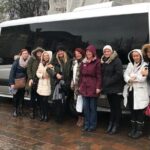
- Pickup and air-conditioned minivan: Round-trip transport from Krakow keeps the day simpler than DIY travel.
- Headsets for clear commentary: You can follow along even in busy areas and crowded rooms.
- Lunch box is included: You get a ready-to-eat meal with water, plus a chocolate wafer and tissues for the long day.
- Two camp visits in one: Auschwitz I first, then Birkenau, which is described as 25 times larger.
- Small group size: Maximum of 30 people helps the guide manage movement.
- English-speaking tour: The experience is offered in English, with mobile ticket access.
From Krakow to Auschwitz: what your day will feel like
Auschwitz-Birkenau is not the kind of place you speed through, but the tour format still moves. Expect several hours of guided walking, waiting in lines, and listening while you process what you’re seeing. The route is built around two key stops: Auschwitz I (the earlier camp complex) and Auschwitz II-Birkenau (the much larger extermination camp site).
The tour is listed as 4 to 7 hours (approx.), which matches what you’ll likely experience once you add transport time and the reality of time spent moving through museum areas. The day starts with pickup or a designated meeting point, then transitions into entry and guided time at Panstwowe Muzeum Auschwitz-Birkenau.
One practical point: since this is a short-to-medium day by Auschwitz standards, you’ll want to arrive mentally ready to move. Comfortable shoes matter. Also plan for emotions to hit in waves; this isn’t a “one moment then done” visit.
Other Auschwitz I and Birkenau combined tours in Krakow
Pickup, headsets, and the lunch box: the practical stuff that matters
This tour is designed to reduce the stress of getting there and staying fed. You get transport by air-conditioned minivan, plus headsets so you can hear the guide clearly. That headset detail sounds small until you’re standing in a place full of echoes, moving crowds, and quiet corners where you don’t want to miss a single sentence.
Your lunch box is also a real value add. Instead of trying to time a meal around security lines and camp entry rules, you get a boxed set that includes:
- 2 sandwiches
- an apple
- a dark chocolate wafer
- 0.5 l still mineral water
- tissues
- a paper bag
And it’s available in meat, vegetarian, and vegan options.
That packed-food setup is especially useful if you’re the type who gets hungry fast during long museum days. It also means you’re not juggling “Where do I buy something now?” with “Where do we stand for the next part?”
A caution worth taking seriously: while the tour includes lunch, the day still moves. If you’re slow-moving, need extra stops, or you’re easily distracted by crowds, you may want to position yourself close to the front of the group when movement happens. Otherwise, you can end up with a worse audio connection through the headsets.
Auschwitz I: the iron gate, the barracks, and Block 11
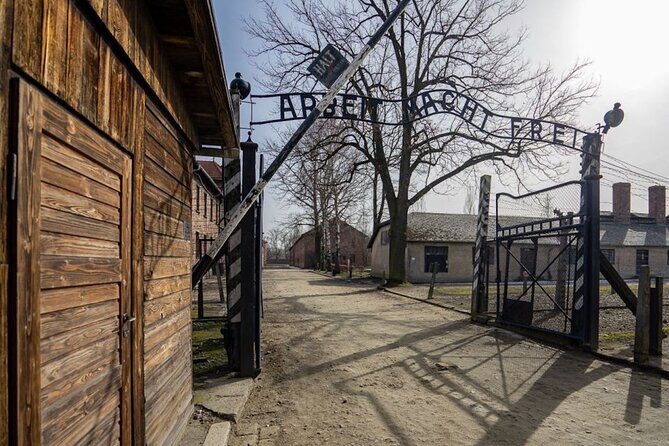
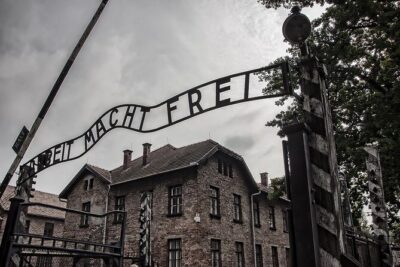
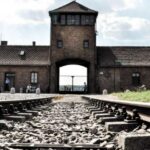
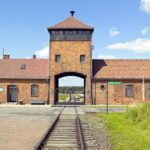
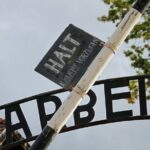
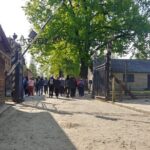
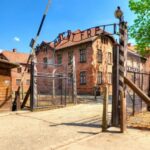
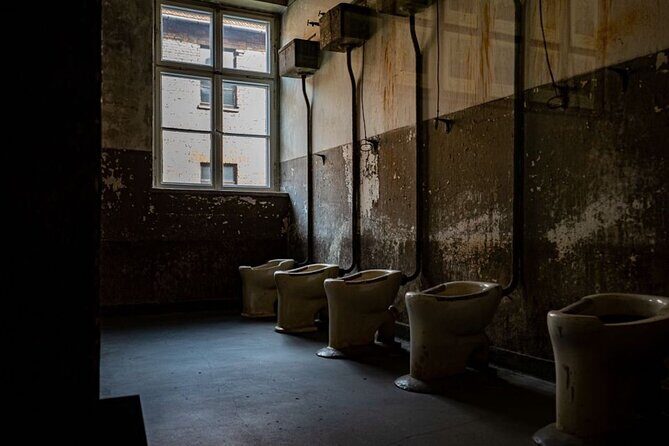
Auschwitz I is where the tour gives you the first structure of the system: what it looked like, how it was organized, and how terror was built into everyday camp life. You’ll start at the Panstwowe Muzeum Auschwitz-Birkenau and walk through the iron gate with the infamous slogan Arbeit Macht Frei.
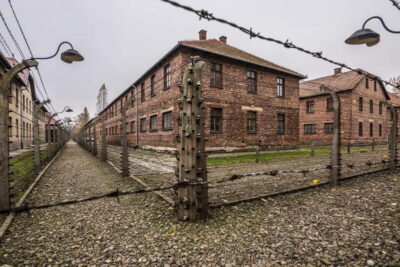
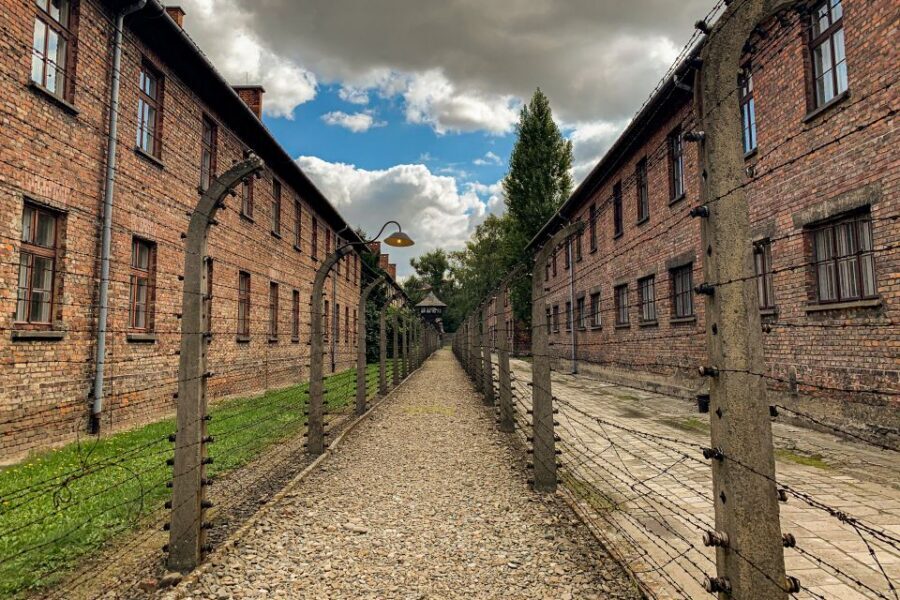
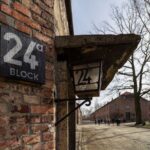
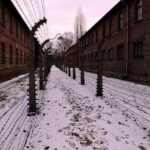
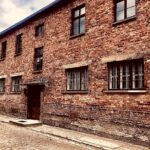
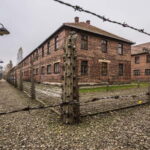
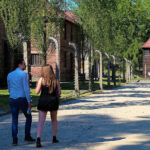
From there, you move into the core of the camp’s physical layout: the tour highlights 22 brick barracks, described as the prison for hundreds of thousands of Holocaust victims. This matters because it turns Auschwitz from an idea into a place you can map in your head.
Then comes one of the hardest sections to absorb: Block 11, often described as the prison within the prison. This is where the tour focuses on special torture chambers, including dark chambers and standing cells, and on punishments inflicted on prisoners. It also points out that early attempts to kill people with Zyklon B took place in this block.
If you remember only one Auschwitz I detail, make it this: you’re not just looking at buildings. You’re looking at a designed system for control, punishment, and murder, and the tour uses Block 11 to show how deliberate that design was.
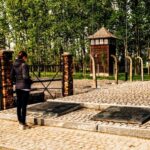
The other major marker you’ll hear about is the preserved site of the killing process: the tour notes that the only preserved crematorium and gas chamber are located at the end of the camp. That final stretch often hits differently because you’re reaching the end of the story Auschwitz I tells in physical space.
The transfer to Birkenau: why the second camp matters so much
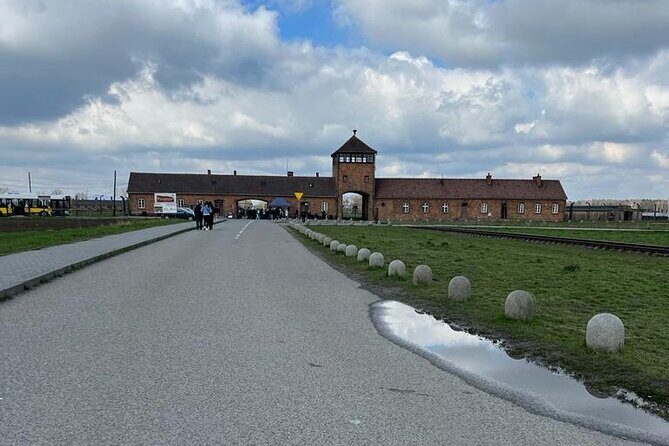
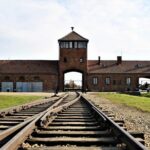
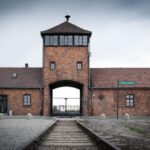
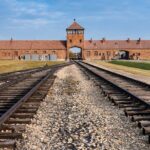
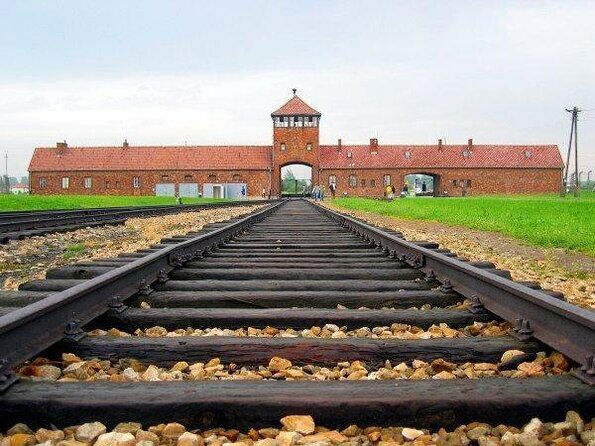
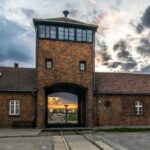
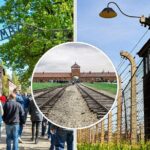
After Auschwitz I, the group travels by minivan to Auschwitz II-Birkenau. The tour describes Birkenau as 25 times larger than Auschwitz I and labels it as the largest of the death camps.
This is more than a scale fact. It changes what your brain has to work with. In Auschwitz I, the narrative feels concentrated. In Birkenau, the size makes it harder to keep your place mentally, and the wide-open areas can feel like the camp is constantly expanding around you.
The tour also frames what happened there with a stark number: over 1,100,000 people were murdered at Birkenau. That statistic is part of what guides the pacing and the tone. The guide’s job, with the support of your headsets, is to keep you from getting lost in geography while still understanding the human reality the site represents.
The minivan transfer itself is also a useful break in motion. Even if you’re emotionally braced, the road time gives you a moment to collect yourself before you step into a far larger space.
Auschwitz II-Birkenau: vast grounds and a final moment of respect
At Birkenau, you’ll end your visit at the Memorial and be invited to pay respect to all of the victims of Nazi genocide. The tour wording matters here: it’s not just a “see more sites” add-on. The end point is structured as a closing act, so you don’t leave just thinking about logistics or walking fatigue.
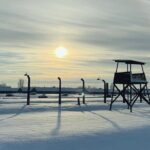
Because Birkenau is described as the largest death camp complex, it tends to create a different emotional rhythm than Auschwitz I. If Auschwitz I feels like an organized machine, Birkenau can feel like a landscape of scale and planned killing.
This is why your timing and your position in the group matter. The longer you’re separated from the core group, the harder it can be to follow what the guide is pointing out next. And since the headsets are part of how you hear the explanation, staying reasonably close makes a real difference.
Also, remember that weather can change the feel of your Birkenau experience quickly. If heavy rain hits your day, you may need to slow down and protect yourself from slipping on paths. That’s not a “tour operator issue,” it’s a “this site isn’t designed for convenience” reality.
Other Auschwitz tours with hotel pickup in Krakow


Guides, group size, and clear listening: making the most of headsets
This tour is led by a professional guide, and the experience is offered in English with headsets included. That combination is what turns a hard subject into something you can actually follow without constantly asking each other what was just said.
One detail I really like from the way guides are described in the field: guides often use a respectful, empathetic tone, which matters in a place that demands dignity. Names that come up for guides include Marcin, Evalina, and Magdalena, and the pattern is consistent: the explanations are meant to be clear, but also reverent.
Still, the group setting can affect your listening experience. The tour maxes out at 30 travelers, which is manageable, but Auschwitz is crowded. If your group moves quickly, the guide may start speaking as soon as they’re assembled. If you’re arriving late or you pause to take a breath, it’s smart to rejoin promptly so you stay in sync.
Here’s my practical advice: don’t treat headsets as magic. Keep them on, keep volume comfortable, and try not to wander to the back. If you’ve experienced audio dropouts on other tours, the Auschwitz layout can make that worse.
Timing, pacing, and mobility concerns: plan for real movement
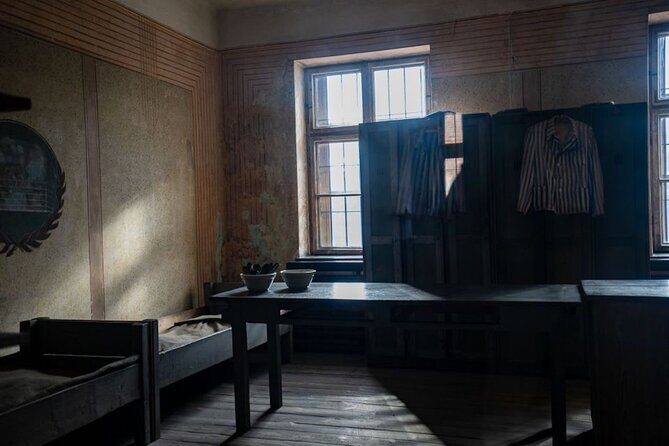
Your day includes walking and movement between areas. Even though the tour duration is listed as 4 to 7 hours, the lived experience can feel longer because Auschwitz doesn’t let you skip parts quickly. That’s where one of the most repeated concerns makes sense: the tour can be demanding if you’re not a fast walker.
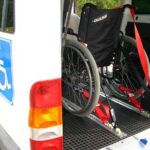
There are also feedback points around how the pace can impact people who need extra time, including those using mobility aids. The listing says most travelers can participate, and children must be accompanied by an adult, but that still doesn’t mean every person will have an easy time keeping up.
If you need to move slowly, here’s what I’d do:
- choose a spot closer to the front when the group stops
- bring a plan for restroom breaks (and don’t assume you’ll have long windows)
- ask the operator ahead about how they handle pacing and regrouping
You’re not being difficult for wanting to understand. You’re adapting to how the day is structured.
Weather can also affect pacing and comfort. If you’re going in cold or wet conditions, pack something you can manage quickly (layers and non-slip footwear). And if it’s hot, hydrate early. Even though lunch includes water, the day still starts with transport, entry, and walking.
Lunch box value: food you won’t have to hunt for
At $71.08 per person, one of the biggest value drivers is that this tour includes lunch, not just “the option to buy food.” The lunch box is not a restaurant meal, but it’s practical for a serious museum day: sandwiches, fruit, water, chocolate, and tissues.
I especially appreciate that there are meat, vegetarian, and vegan options. For many day tours in Europe, food can feel like an afterthought. Here, at least the tour provides a consistent kit you can plan around.
That said, it’s still a packed snack-style lunch. Don’t expect it to fully replace a large, sit-down meal on a long day. If you tend to get hungry, consider whether you might want a bit of extra food on hand—but keep in mind you should follow any on-site rules you’re given during the visit.
Also think about taste fatigue. Some sandwiches can feel dry if you’re not used to them. A dark chocolate wafer helps, but mentally think of lunch as “fuel,” not a treat.
Price and value: what you’re paying for
This costs $71.08 per person, and the value equation is pretty clear. You’re paying for:
- round-trip minivan transport from Krakow (including pickup/drop-off from designated points)
- admission ticket included for the camp visit segment
- a professional guide
- headsets
- and a lunch box
On a day like this, the transport and the included admission usually do a lot of heavy lifting. Without those pieces, you’d spend time coordinating, queueing, and figuring out what to do for lunch under time pressure.
The “good deal” part isn’t the number alone. It’s that it bundles the hardest-to-coordinate parts into a single, scheduled experience, so you can focus on what matters: understanding what you’re seeing and moving through the site with the guide’s structure.
The possible catch is timing sensitivity. If you’re expecting a very fixed schedule that matches your hotel plans exactly, this is a guided group experience where pickup times and meeting points can differ. The tour says you’ll get your precise pickup time the day before, and pickup can be from designated points depending on logistics.
Should you book this Auschwitz-Birkenau tour with pickup and lunch?
Book it if you want a structured, English-speaking visit that removes the stress of getting there and keeps you fed with a lunch box. I also think it’s a good match if you value headsets and want to follow detailed explanations without straining to hear in busy spaces.
Consider shopping for another option or asking extra questions first if you:
- have mobility needs that require slower pacing
- worry about staying close enough for headset audio to work well
- prefer more time for breaks and longer pauses
This isn’t a casual outing. It’s a must-see place for understanding history, and it asks your body to keep moving while your mind absorbs what the site represents. If you go in with the right expectations—and keep close to the group—you’ll get the best version of the experience this format is built to deliver.
FAQ
Is admission to the camps included?
Yes. The admission ticket is included for the Auschwitz portion of the tour.
Do I get pickup from Krakow and a ride back?
Yes. The tour includes round-trip minivan transfers from Krakow, with hotel pickup if that option is chosen, plus hotel drop-off.
Will I have headsets to hear the guide?
Yes. Headsets are provided so you can hear the guide clearly.
Is lunch included, and what options are available?
Yes. A lunch box is included with sandwiches, apple, dark chocolate wafer, still mineral water, tissues, and a paper bag. Meat, vegetarian, and vegan options are available.
How long is the Auschwitz-Birkenau tour?
It’s listed as approximately 4 to 7 hours.
What language is the tour guide speaking?
The tour is offered in English.
What is the group size?
The tour has a maximum of 30 travelers.
Can I cancel for a full refund?
Yes. Free cancellation is available if you cancel up to 24 hours in advance of the experience start time.