REVIEW · KRAKOW
Krakow: Auschwitz-Birkenau & Wieliczka Salt Mine with Lunch
Book on GetYourGuide →Operated by AT Cracow · Bookable on GetYourGuide
Auschwitz and salt, in one long day. This tour pairs licensed guides with included transport and headsets, so you get a clear path through Auschwitz-Birkenau without getting lost in the crowd flow. I love the structured pacing: Auschwitz I first, then the short transfer to Birkenau, which helps you process each area before moving on. One possible drawback: it’s a long day with security checks, waiting times, and a lot of walking.
I also really like the switch to the Wieliczka experience, where you’ll descend about 700 steps and walk roughly 3 km through underground corridors, including two lakes and the Chapel of the Blessed Saint Kinga. It’s a stark contrast to Auschwitz, and that contrast is part of why this combination works so well.
In This Review
- Quick hits before you go
- Why this Auschwitz-Birkenau plus Wieliczka combo works
- Getting from Krakow: pickup, security, and the day’s rhythm
- Auschwitz I: brick barracks, artifacts, and the importance of structure
- Birkenau: wooden blocks, ruins, and the scale shock
- Wieliczka Salt Mine: 700 steps down, 3 km underground, and the Saint Kinga Chapel
- Guide quality and headsets: the difference between seeing and understanding
- The walking and timing reality: an 11-hour schedule that adds up
- Lunch box notes: what to do if the meal doesn’t go to plan
- Price and value: what you’re really paying for
- Who should book (and who should skip) this one-day marathon
- Should you book this Auschwitz-Birkenau and Wieliczka day?
- FAQ
- How long is the tour?
- Does it include transportation from Krakow?
- Are entry tickets included?
- Is a guide included?
- Does the tour include lunch?
- How long do you spend at Auschwitz-Birkenau?
- What’s the underground experience like at the salt mine?
- What should I bring?
- Is ID required?
- Is this tour suitable for people with mobility impairments?
Quick hits before you go
- Auschwitz I + Birkenau with a real guide so you don’t just look at exhibits, you understand what you’re seeing
- Headsets included to keep the audio clear even when crowds thicken
- Wieliczka’s underground walk: about 700 steps down and 3 km of corridors
- Two lakes and the Saint Kinga Chapel inside the mine, not just tunnels and walls
- Lunch is optional and can be basic (and sometimes changes on certain dates), so plan a backup snack
- A cold mine and a walking day: temperatures stay around 14–17°C underground
Why this Auschwitz-Birkenau plus Wieliczka combo works
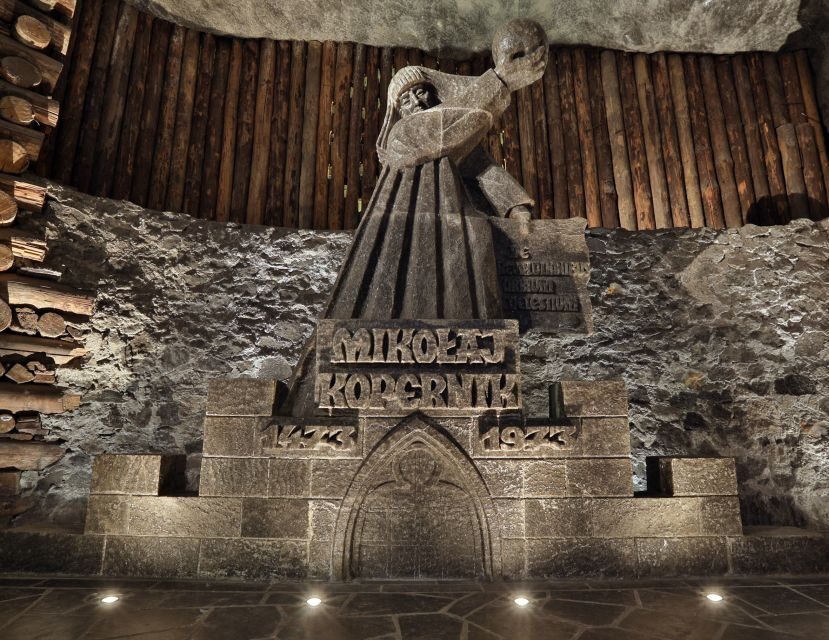
This is one of those Krakow days that feels intense right from the start, because you’re hitting two of Poland’s biggest “must-see” sites back-to-back. Auschwitz-Birkenau is heavy, reflective work. Wieliczka is something else entirely: underground, theatrical in a quiet way, and built around human craft and belief. Doing them in one day can feel like emotional whiplash, but it also keeps your planning simple. If you only have a short time in Krakow, you can knock out both with one round-trip from the city.
I like that the tour format is built for clarity. You’re not wandering between sites trying to figure out ticket lines, transfers, or where you’re supposed to be next. You also get guided time at both locations, which matters at Auschwitz where context changes everything.
The only thing to be honest about: this is not a slow, sit-on-a-terrace kind of day. You’ll be moving for hours, and both sites have their own “crowd gravity” that can make it harder to fully absorb everything in the moment.
Other Auschwitz I and Birkenau combined tours in Krakow
Getting from Krakow: pickup, security, and the day’s rhythm
You start in Krakow with pickup arranged from spots within about 1.5 km of the city center. The practical part: show up on time. The driver waits no longer than 5 minutes after the scheduled pickup, and you’re asked to wait about 10 minutes before pickup.
Expect airport-style security when you enter the memorial area. That adds time, so it helps to keep your head clear and not treat this like a casual sightseeing morning. Also, you’ll need ID—passport or a national ID card. The full names of all participants are mandatory at booking, and the name on your booking must match your ID exactly or entry can be refused.
Transfers are included between the major legs of the day: Krakow to Auschwitz takes about 1 hour 15 minutes, Auschwitz to Wieliczka is about 1 hour 15 minutes, and then you finish with a drop-off at a designated location (Wielopole 2 is listed).
The schedule is tight enough that you should dress like it’s a long winter hike even if the city weather looks mild. You’ll be on your feet, and you’ll also do a lot of time waiting in lines.
Auschwitz I: brick barracks, artifacts, and the importance of structure
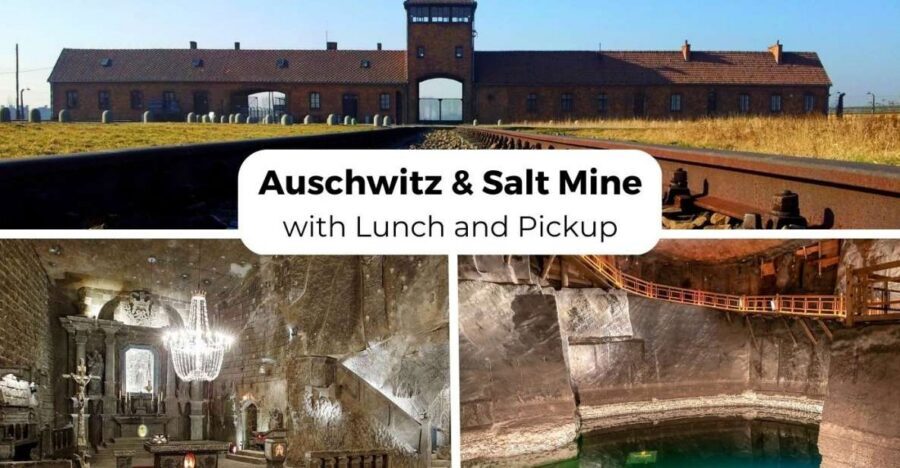
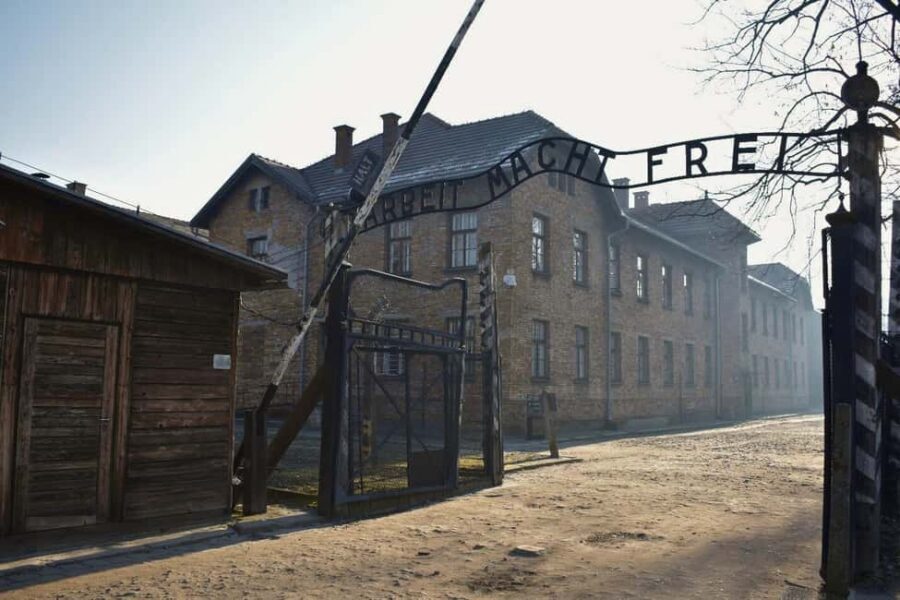
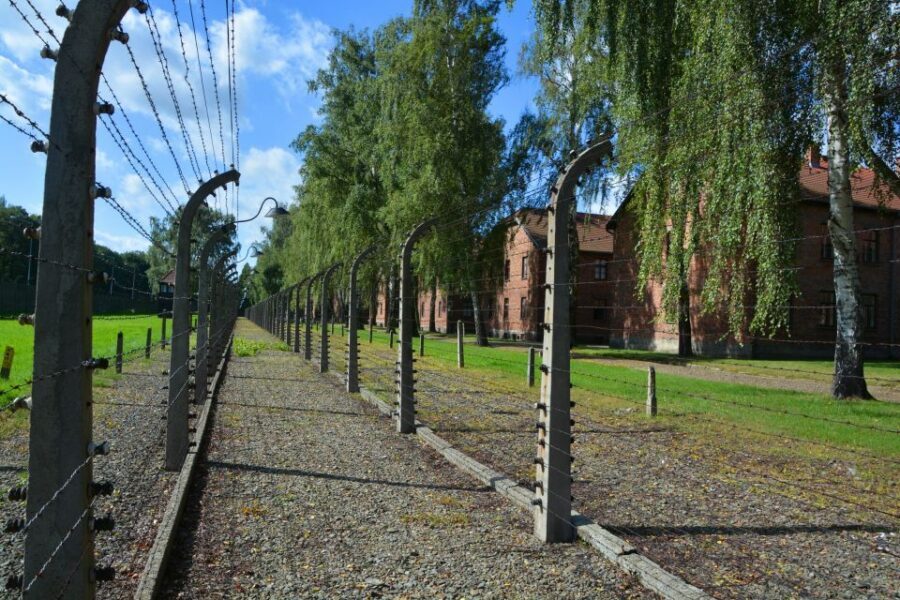
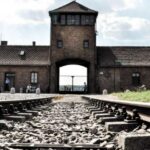
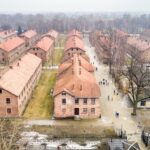
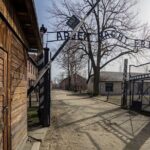
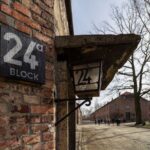
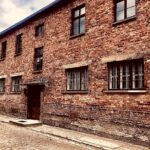
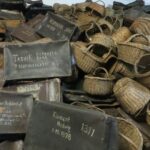
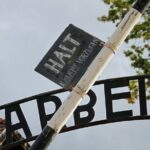
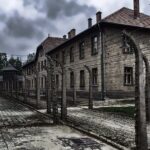
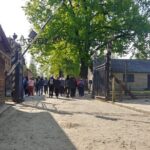
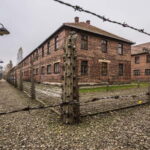
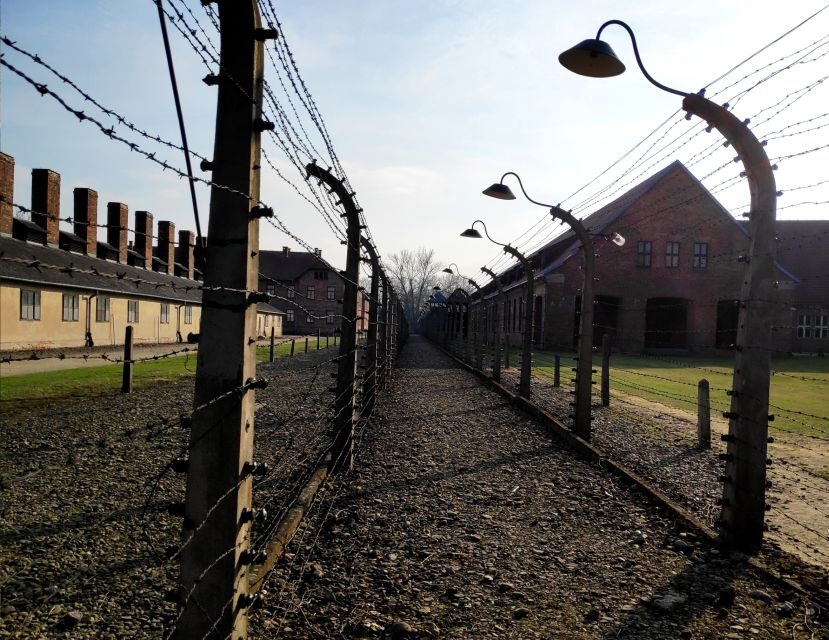
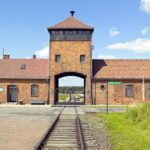
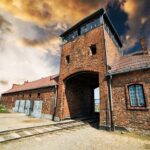
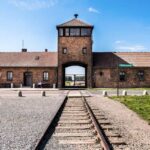
Auschwitz is not a museum you can truly “browse.” The value of a guided visit is that you get a map for your mind as much as your feet. Your Auschwitz I time is guided and runs about 2 hours, with a major set of stops that typically includes the entrance gate with the inscription Arbeit Macht Frei, the brick barracks, and prisoner artifacts and photographs. You’ll also see reconstructions of parts of the complex.
This is the area where the site’s physical layout helps you understand how the system worked. When you have a licensed guide explaining what each area meant—rather than just pointing—you can connect the stories to what’s right in front of you. That’s why headsets matter here too. You’ll be in a group, and you don’t want to strain to hear key details.
One practical consideration: Auschwitz can feel crowded. Even with a guide, the sheer number of visitors can make it hard to slow down mentally. If you’re the type who likes taking time with each exhibit, you’ll want to come prepared for feeling a bit rushed anyway—this tour is designed for everyone to move through safely and on schedule.
Birkenau: wooden blocks, ruins, and the scale shock
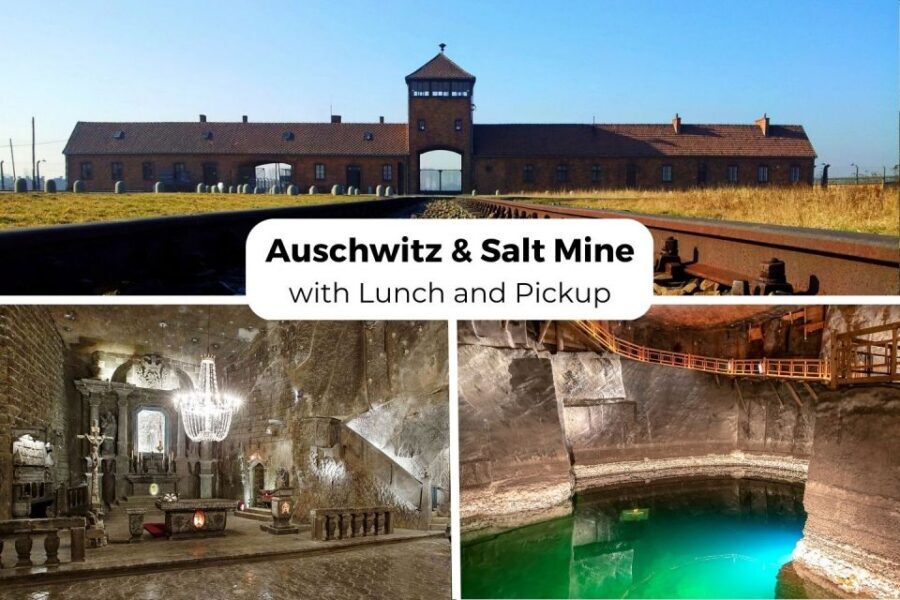
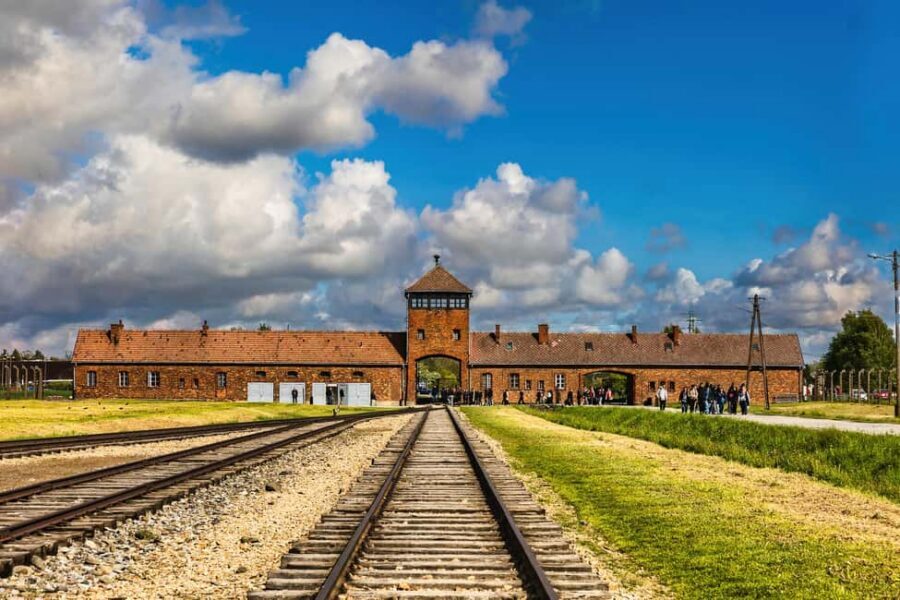
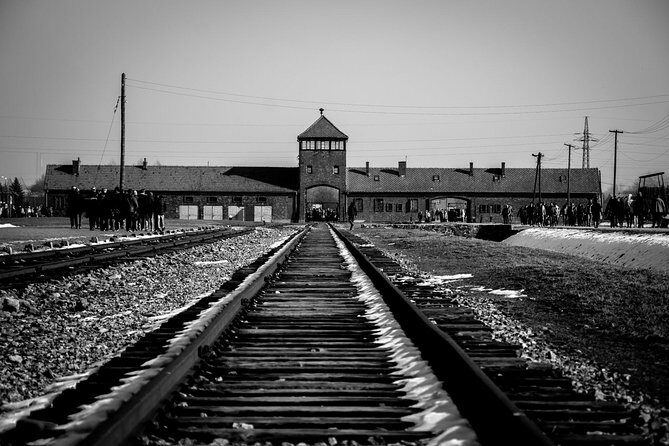
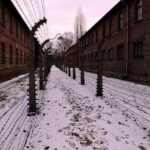
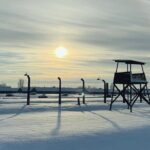
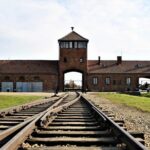
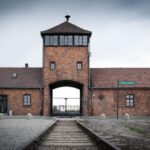
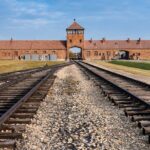
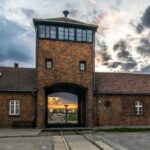
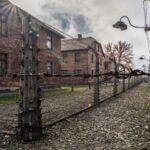
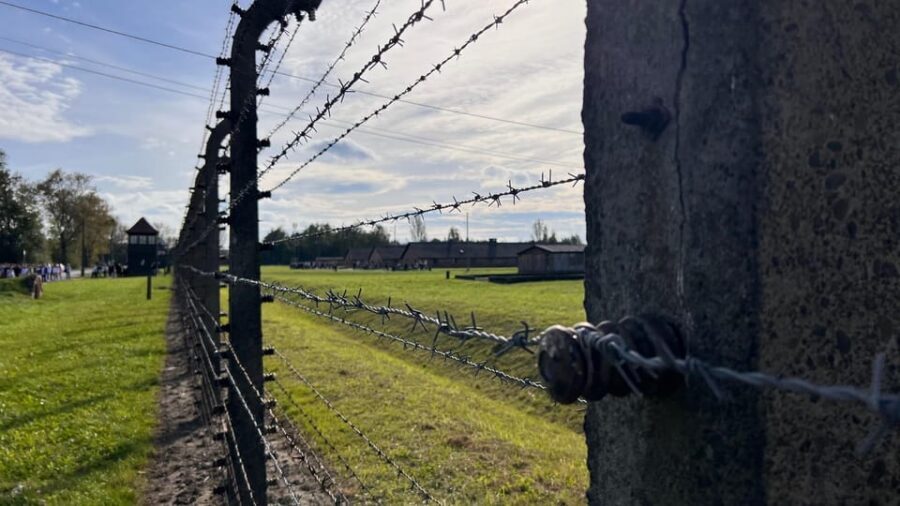
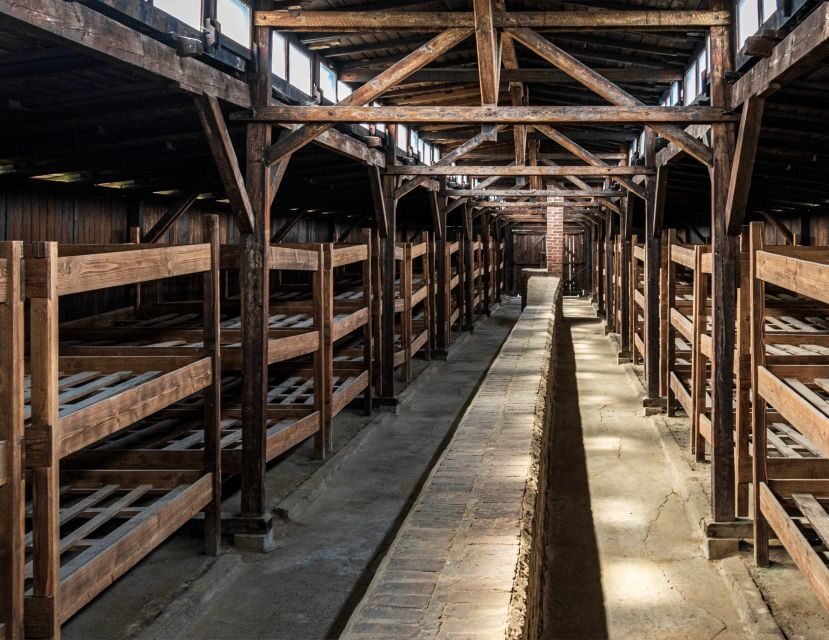
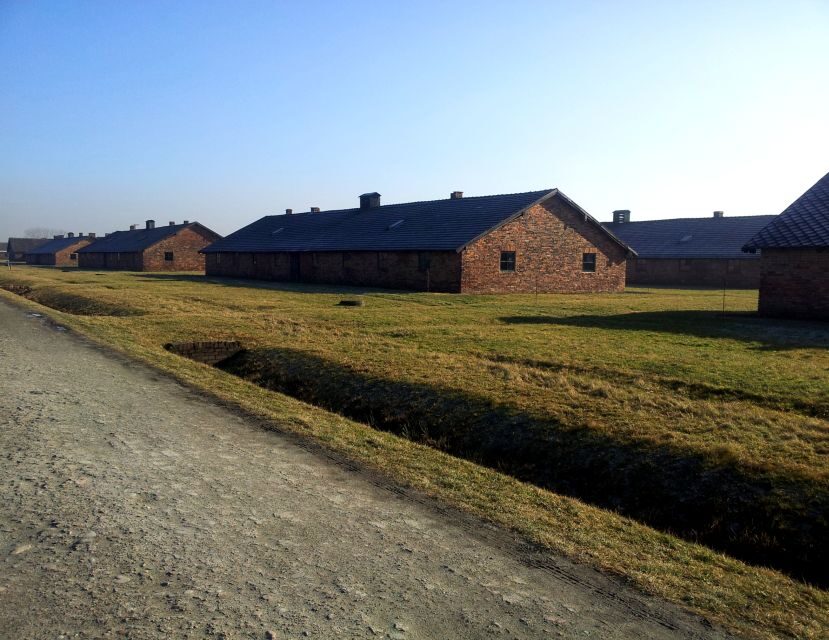
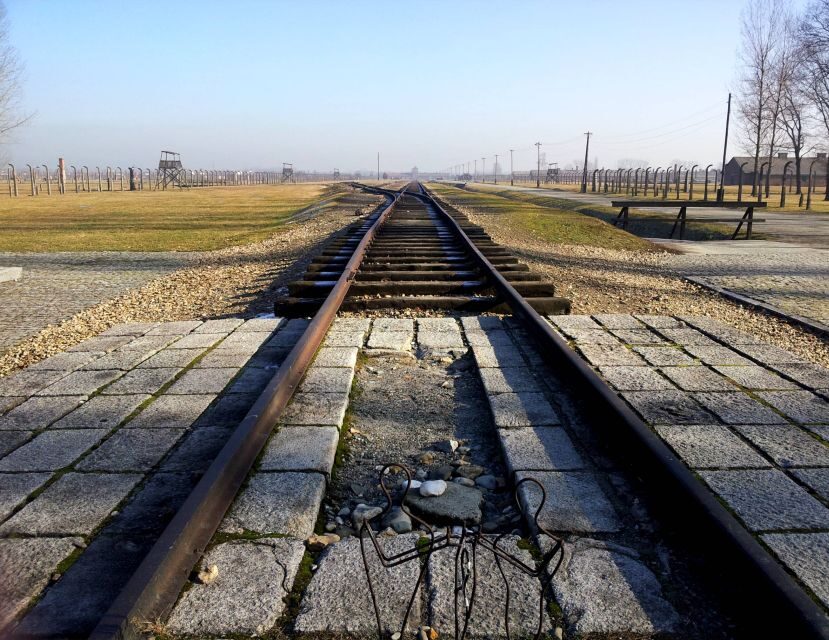
After Auschwitz I, the tour transfers to Auschwitz II-Birkenau. This part is guided for about 1.5 hours, and it includes time to see the wooden blocks and the ruins of the gas chambers and crematoria that remain.
If Auschwitz I is about structure and how the system was organized, Birkenau is where the scale hits hardest. It’s outdoors in many parts, so weather matters more. Bring a layer you can handle in changing conditions, because you may be standing in queues and moving between stops.
The guide role stays important here. Birkenau is also where many myths can creep into casual explanations online, and the whole point of a guided visit is to keep the facts straight and the context anchored. You’re there to learn the history of Nazi Germany and how the camp system operated—not just to see buildings.
Emotionally, expect mixed feelings. That’s normal. What’s not normal is pretending you’ll “feel fine” while walking through. This is a place where your body understands before your brain catches up.
Wieliczka Salt Mine: 700 steps down, 3 km underground, and the Saint Kinga Chapel
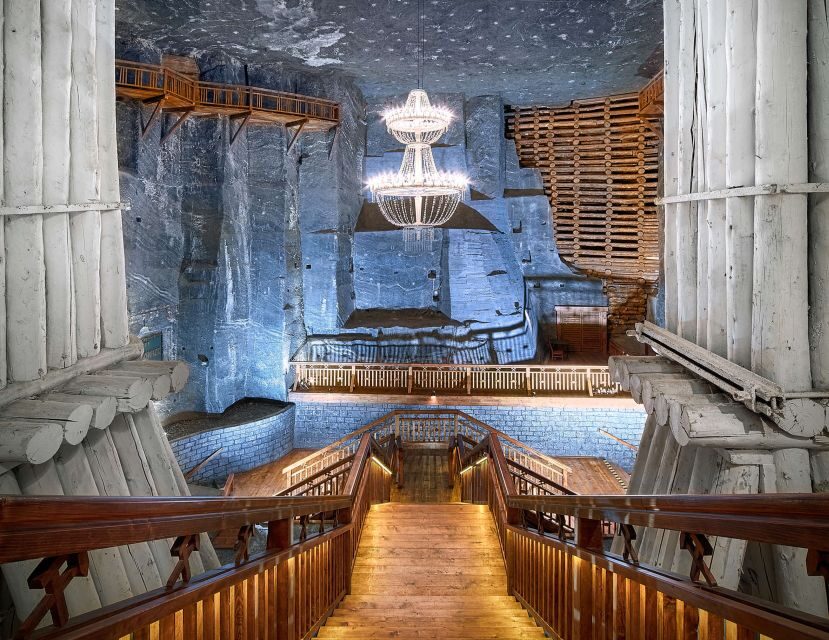
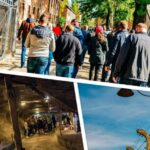
Then you shift gears to something that’s honestly hard to describe without sounding like it’s on a different planet. The Wieliczka Salt Mine visit is about 3 hours, and the underground journey includes descending around 700 steps and covering about 3 km of corridors.
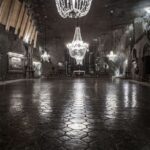
Inside, you’ll see two lakes and the Chapel of the Blessed Saint Kinga. The chapel is the kind of detail that makes this stop memorable even if you’re not normally into mines, because the space feels more like a crafted interior world than a utilitarian underground site.
The guide also covers stories, facts, and myths around the mine—how it worked over time and why certain legends stuck. That storytelling matters because it helps you understand why people have visited this place for so long.
Practical note: the mine stays cold, around 14–17°C. Even in summer, your clothes will feel different once you go underground. I’d treat that as a serious hint to bring a warmer layer. Comfortable shoes are also non-negotiable. You’ll be climbing stairs in a cool environment on a day that already started with walking and security lines.
Also, keep your expectations realistic: this is a major tourist attraction. You may spot more tourist infrastructure inside than you expected, including shops. It doesn’t erase what’s underground, but it does change the vibe.
Other Auschwitz and Wieliczka Salt Mine combination tours in Krakow

Guide quality and headsets: the difference between seeing and understanding
This tour includes licensed guides and headsets, which is a big deal at both locations. When crowds press in, hearing the guide clearly can be what keeps your visit meaningful instead of frantic.
The guide names you may run into include people like Daniel and Justina, who have been singled out for being helpful with tickets and keeping the day moving smoothly during breaks between sites. Another guide name that comes up is Paul, praised for a long history with the mine and for keeping things engaging.
I like that the tour design doesn’t dump you at each location and say good luck. You stay with the guide team, and that makes a huge difference when the day is long and the logistics are heavy.
One thing to keep in mind: Auschwitz is busy, and at peak times it can feel like it’s hard to fully absorb everything in the moment. A good guide helps, but it still won’t make a crowd disappear. Your best move is to accept that this tour is structured learning—not silent reflection time.
The walking and timing reality: an 11-hour schedule that adds up
This day runs about 11 hours total, and the itinerary keeps moving: pickup in Krakow, driving to Auschwitz, two guided sections at Auschwitz, a longer coach transfer to the mine, then more guided time underground, and finally a drop-off at the end of the day.
Walking volume is part of the deal. Based on real-world feedback, you may end up covering roughly 12 km across the day, depending on timing and how the group moves through each site. That’s not just “some walking.” That’s comfortable-shoe territory, with breaks that you should use to reset.
There’s also the waiting factor. For Auschwitz-Birkenau, there can be a waiting time before entry because so many people want to visit each day. Plan to dress for that wait too. Warm clothing helps if the morning is chilly or damp, and a rain layer helps if the weather turns.
Transport itself is generally described as well organized, though like any group day, you should stay flexible. Buses can run late, and comfort levels can vary. Bring a water bottle (if allowed by the site rules on the day you go) and keep your energy steady with snacks.
Lunch box notes: what to do if the meal doesn’t go to plan
Lunch is optional in the package and is described as a lunch box with ham/vegetarian/vegan options. The idea is that you get something simple to eat during the long day.
But here’s the balanced part: lunch quality and availability can vary. On some holiday periods, the lunch box may be cancelled, and in other cases the provided lunch may be disappointing for the price. There are also reports of situations where the lunch wasn’t received as expected or wasn’t well matched to dietary requests.
My practical advice: treat the included lunch as a bonus, not your safety net. Bring backup snacks you can tolerate when you’re hungry and a bit tired—things like fruit, nuts, or granola bars. Then, if lunch is good, great. If it’s not, you’ll still make it through without feeling wrecked.
Also, plan your expectations around meals being hard to time. The day has limited breaks between sites, and you may not be able to eat whenever you want.
Price and value: what you’re really paying for
At $251 per person, this tour isn’t cheap—but it’s not random pricing either. You’re paying for a bundled day that includes:
- transport from Krakow between sites
- entry tickets for Auschwitz-Birkenau and the Wieliczka Salt Mine
- licensed guides at both locations
- headsets
- and an optional lunch box
If you tried to piece this together yourself—tickets, guided options, and transport—you’d likely spend time juggling multiple bookings and meeting points. For many people, buying it as one package is the value: less hassle, fewer timing mistakes, and clearer guidance during the parts of the day where confusion would be stressful.
Is it worth it? I think it is if you want one guided, efficient day hitting both top sites with minimal planning. If you have a lot of time in Krakow and you prefer slow pacing, splitting Auschwitz and Wieliczka onto separate days can feel more comfortable. But if you only have one day, this combo is a practical way to get it done.
Who should book (and who should skip) this one-day marathon
This tour makes the most sense if you:
- want one-day coverage of both Auschwitz-Birkenau and Wieliczka
- prefer a guided explanation rather than self-navigation
- don’t mind a long day and lots of walking
- want headsets and transport handled for you
You might want to skip or reconsider if you:
- need a very slow pace or lots of mobility breaks (the tour is not suitable for people with mobility impairments)
- find it hard to handle emotionally heavy sites with crowds
- want a “light” day in Krakow (this is not that kind of day)
If you’re a history-minded visitor who learns best with structure and a guide’s framing, you’ll likely get a lot out of it. If you’re more about quiet wandering, you’ll still learn, but the schedule won’t let you slow down much.
Should you book this Auschwitz-Birkenau and Wieliczka day?
Yes, if you can handle a full-day commitment and you want guided access to both of Krakow’s biggest “major sites.” The biggest strengths are the licensed guides, the headsets that keep the information clear, and the fact that the day is structured so you’re not guessing your way through two very different locations.
Just be smart about expectations. Bring comfortable shoes. Add warm layers for the mine’s 14–17°C conditions. Plan snacks in case the included lunch is cancelled or underwhelming. And mentally prepare for Auschwitz to be intense and crowded, even when you’re doing it “the right way” with a guide.
If your time is limited, this is a solid value-driven package. If you have extra days in Krakow, consider spreading the sites out for more breathing room—but for one-day coverage, this works.
FAQ
How long is the tour?
The total duration is about 11 hours.
Does it include transportation from Krakow?
Yes. Transportation is included between Krakow and Auschwitz and between Auschwitz and the Wieliczka Salt Mine.
Are entry tickets included?
Yes. The tour includes Auschwitz-Birkenau Memorial and Museum entry tickets and Wieliczka Salt Mine entry tickets.
Is a guide included?
Yes. You’ll have a licensed, English-speaking tour guide, and headsets are provided so you can hear the guide.
Does the tour include lunch?
Lunch is optional. If you select the lunch option, the tour includes a lunch box (ham/vegetarian/vegan).
How long do you spend at Auschwitz-Birkenau?
Your visit is approximately 3.5 hours total, split into Auschwitz I (about 2 hours) and Auschwitz II-Birkenau (about 1.5 hours).
What’s the underground experience like at the salt mine?
You’ll descend about 700 steps and cover roughly 3 km of underground corridors. The visit includes highlights like two lakes and the Chapel of the Blessed Saint Kinga.
What should I bring?
Bring a passport or ID card, wear comfortable shoes, and consider warm clothing for the mine since temperatures stay around 14–17°C.
Is ID required?
Yes. Passport or an ID card is required, and the name used when booking must match the name on your ID.
Is this tour suitable for people with mobility impairments?
No. It is not suitable for people with mobility impairments.