REVIEW · KRAKOW
Krakow: Auschwitz-Birkenau Guided Tour with Hotel Transfer
Book on GetYourGuide →Operated by Thousand Miles Cracow Adventure Company · Bookable on GetYourGuide
Auschwitz-Birkenau is heavy, but this tour is organized. What makes it interesting is the guided structure plus skip-the-line entry, so you spend less time figuring things out and more time understanding what you’re seeing. Two things I especially like: the licensed English-speaking guide who keeps the story clear and sensitive, and the smooth Krakow-to-Oświęcim hotel pickup and drop-off. One drawback to plan around is timing: pick-up can be very early, and later portions (especially Birkenau) can feel tougher in darker months or extreme heat.
You’re going to walk, and you’re going to be emotionally affected. Still, the value is strong for a long day that includes transportation, entry, and a professional guide covering both Auschwitz I and Auschwitz II-Birkenau in one trip. If you’re sensitive to early mornings, long outdoor stretches, or the idea of spending a full day there, consider your pace before booking.
In This Review
- Key things that make this tour worth your time
- Auschwitz-Birkenau From Krakow: What You’re Signing Up For
- The Hotel Transfer: Door-to-Door Convenience That Really Helps
- The Early Morning Reality: Timing, Dark Hours, and Weather
- Entering the Memorial: Skip the Line, Then Slow Down
- Auschwitz I: The Story Begins (and It Sets the Tone)
- The Break and Walking Time: How the Day Stays Real
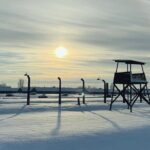
- Auschwitz II-Birkenau: Scale, Exposure, and the Weight of Evidence
- What the Licensed Guide Adds (and Why Official Routes Matter)
- Price and Value: Why $22 Can Make Sense for This Kind of Day
- Practical Rules You Must Follow (Read This Part)
- Who This Tour Suits Best (and Who Should Rethink It)
- Should You Book It? My Decision Guide
- FAQ
- How long is the Auschwitz-Birkenau guided tour from Krakow?
- What’s included in the tour price?
- Do I need to buy tickets separately?
- What time will I be picked up in Krakow?
- Do I need to bring ID?
- Is flash photography allowed?
- What size bag can I bring?
- Is the tour suitable for children?
Key things that make this tour worth your time
- Skip-the-line entry via a separate entrance helps you start the experience faster
- Professional licensed guide in English keeps the history readable and grounded
- Hotel pickup and drop-off in Krakow (Stare Miasto) cuts hassle from door-to-door logistics
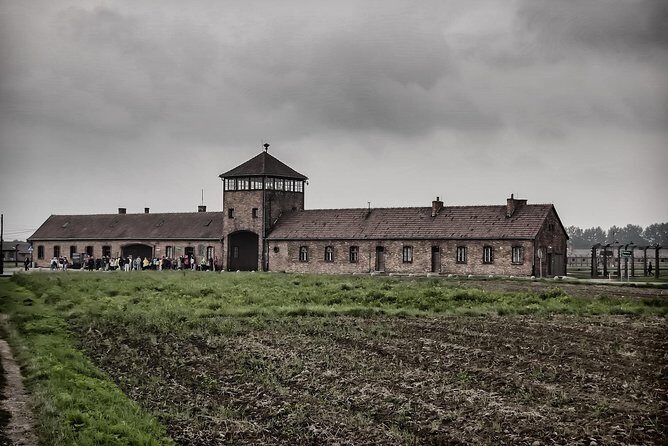
- Auschwitz I + Auschwitz II-Birkenau are both covered on an official-style route
- Official memorial focus (UNESCO-protected site) for a more respectful, context-led visit
- Small practical rules to follow like ID matching and no flash photography
Auschwitz-Birkenau From Krakow: What You’re Signing Up For
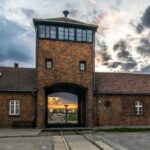
This is a long, serious day trip—no fluff. You’ll leave Krakow early, ride to Oświęcim, and spend the bulk of the time inside the Auschwitz-Birkenau Memorial and Museum with an English-speaking guide. The format matters here. With a guided route, you don’t just look at plaques and buildings. You’re guided through how the camps worked, what changed over time, and how everyday life was shaped by forced confinement and terror.
At a high level, you’re visiting two connected sites:
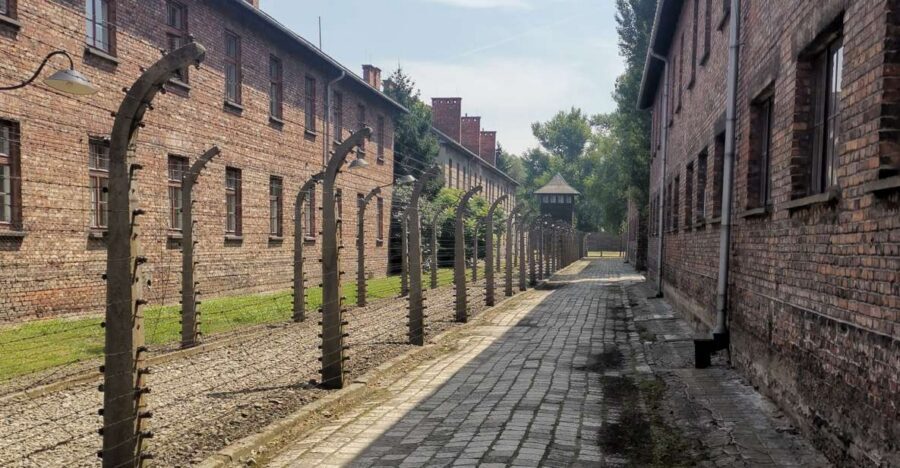
- Auschwitz I (the original camp), where the tour typically concentrates on core structures and early camp life.
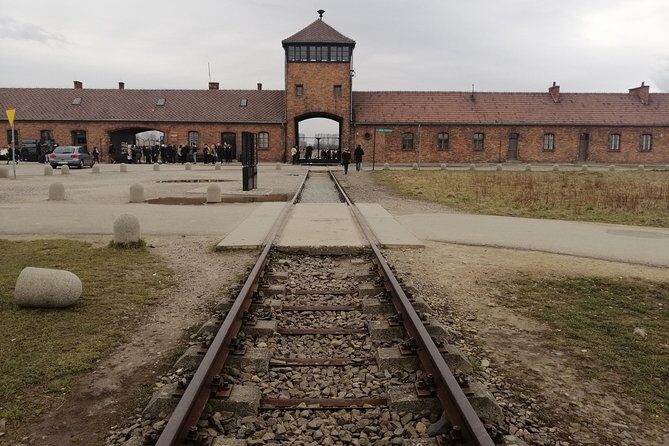
- Auschwitz II-Birkenau (the larger extermination-focused camp), where the scale hits you fast.
This kind of tour is not about ticking off a site. It’s about being able to make sense of what you’re seeing without losing respect for the subject.
Other Auschwitz I and Birkenau combined tours in Krakow
The Hotel Transfer: Door-to-Door Convenience That Really Helps
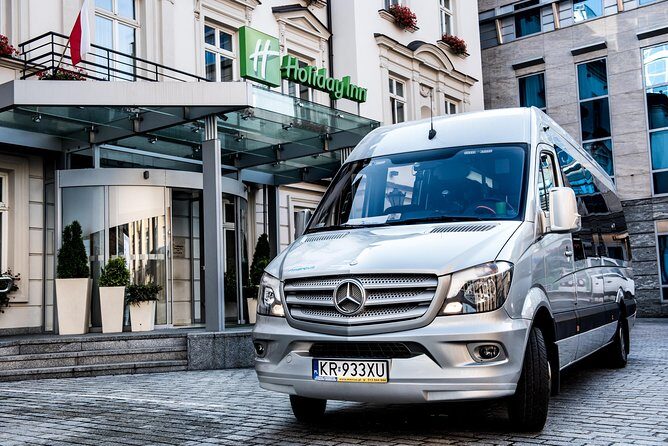
One reason this tour works for many people is the simple transport setup. Pickup is included from your hotel or apartment in Krakow, and the tour meets at Stare Miasto. Then you ride in an air-conditioned coach to the memorial area and return the same way.
In practical terms, this removes two common headaches:
- Getting to the memorial on your own (timing and connections).
- Losing mental energy to logistics in a day that already demands a lot.
Service quality also shows up in the details people mention. I saw positive notes about pickup being on time and communication being clear. One review specifically called out the driver Stephan for strong local knowledge and excellent communication, which is exactly the kind of reassurance you want when your schedule is built around a timed museum visit.
The Early Morning Reality: Timing, Dark Hours, and Weather

This tour lasts about 7 hours, but your day can start earlier than you expect. Pickup can fall between 5:30AM and 3:00PM, and while the voucher often shows 9:30AM as a common museum-related time, the exact pickup is confirmed the day before. That means you should treat this as an early-day commitment rather than a late-morning plan.
Two timing considerations matter in real life:
- Seasonal lighting: In colder months, later portions can be dim. One person noted that the second part to Birkenau was in the dark, which can feel like a loss of clarity even if it doesn’t change the meaning of what you see.
- Outdoor exposure: Birkenau includes significant walking and open areas. If it’s hot, sun exposure becomes a real issue. One review mentioned 30-degree heat, lack of shade, and people feeling unwell.
What should you do with that? Pack for discomfort like it’s part of the itinerary, not an afterthought. Even if the tour includes a lunchbox option (if you add it at checkout), bring what you need to handle sun or cold, because you’ll be outside more than you might guess.
Entering the Memorial: Skip the Line, Then Slow Down
You’ll get skip-the-line entry through a separate entrance. That’s helpful because it reduces waiting, and waiting can turn into stress when you’re trying to keep your head right for what’s ahead.
But once you’re inside, the guide is doing something important: steering you toward a careful, respectful pace. You’re not simply moving from stop to stop. You’re being guided through the story of the camps and how the Nazi regime forced the lives and deaths of more than 1.5 million people sent to Auschwitz and Birkenau during World War II.
The memorial is also a UNESCO World Heritage Site (designated in 1979), and the route you follow is tied to that official preservation and interpretation. In practice, this helps keep your visit grounded in what the site has decided is important to understand—not just what’s easiest to see.
Auschwitz I: The Story Begins (and It Sets the Tone)
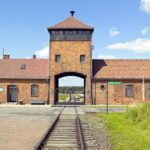
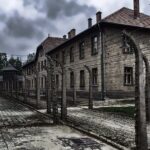
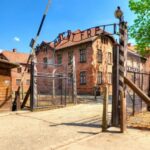
Auschwitz I is usually where the tour starts making things concrete. This part of the day typically runs about 2.5 hours. You’ll focus on the “original camp” environment, and the guide will connect what you’re seeing with the mechanics of persecution and control.
What I like about starting here (and also what some people question) is that Auschwitz I tends to give you the framework—how the camp functioned and how people were processed. You can leave with a clearer sense of why certain buildings matter, and why the camp’s early structure is not random.
A small but meaningful consideration: the camp order can affect how the information lands. One review mentioned that for them, it would have been better to see Birkenau first and then Auschwitz afterward, because Auschwitz can feel like the continuation of a story once you understand the scale of Birkenau. Your tour’s sequence is set by the operator, but the takeaway is simple: if you’re the type who likes to understand the “big picture” first, be mentally ready for Auschwitz I first.
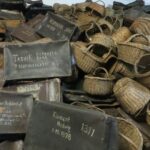
Either way, plan to spend real attention here. The guide’s job is not just to explain history, but to help you interpret what the objects and structures represent—especially when you’re looking at original features and personal items connected to prisoners.
Other Auschwitz tours with hotel pickup in Krakow


The Break and Walking Time: How the Day Stays Real
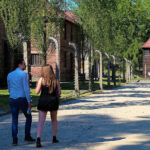
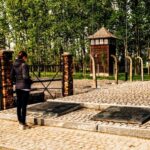
Your schedule includes a break and time to visit within the complex. You’ll also have walking time between major elements. This is one of those tours where “7 hours” doesn’t mean “7 hours of sitting.” You’ll be on your feet, and the route involves moving through rooms, paths, and open areas.
This is also where your comfort prep matters. The tour limits bag size to 30 x 20 x 10cm, so don’t rely on big daypacks. Bring what you truly need: passport or ID, essentials for weather, and a compact bag. If you like small umbrellas or parasols for sun, note that you’ll be outdoors for stretches—so plan accordingly.
Auschwitz II-Birkenau: Scale, Exposure, and the Weight of Evidence
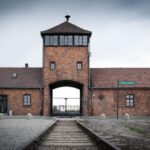
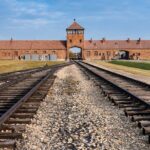
Auschwitz II-Birkenau is typically about 1 hour guided time in this format. Even in that shorter window, it tends to hit hard, because it’s the part of the site many people imagine before they arrive.
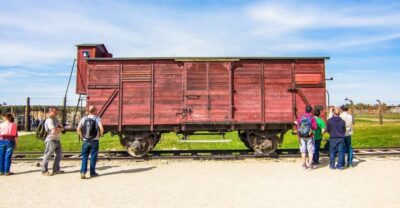
This is where the memorial’s quiet evidence becomes unmistakable. You’ll see preserved remnants and reminders that help connect personal belongings and original features to a system of mass harm. The guide will connect the visuals to how people were forced into captivity and how the camp’s function operated.
Two things you should take seriously here:
- Walking and open space: Birkenau can feel exposed because there’s limited shelter. If you’re visiting in warmer months, plan for heat as if it’s part of the tour (water and sun protection are practical, not optional).
- Darkness in shoulder seasons: In seasons with lower daylight, you may experience reduced visibility late in the day. That can affect your ability to take in details, even though the meaning of the site stays the same.
One more note: since the guide has limited time here, you should bring your curiosity but not expect the same depth in every single viewing point. The guide will prioritize the story arc and the most important reminders tied to how the camp worked.
What the Licensed Guide Adds (and Why Official Routes Matter)
A big reason this experience gets high marks is the human layer: a professional licensed guide who can guide you through dense, painful history in a way you can actually follow. You’re not reading alone. You’re hearing a structured explanation that makes the site make sense without turning it into a lecture you tune out.
The best guides do two things:
- They give you the timeline and the system so you can locate yourself in the story.
- They keep the tone respectful when the material is hard.
Many people also appreciate clear communication. When a driver is organized and a guide does their job well, the day feels smoother, and you can stay present rather than worrying about when you’re getting back to Krakow.
Price and Value: Why $22 Can Make Sense for This Kind of Day
At $22 per person, the main value is that you’re getting more than a ticket. You’re paying for:
- Hotel pickup and drop-off in Krakow
- Round-trip coach transport
- English-speaking driver support
- Professional licensed guide
- Entrance ticket
- Skip-the-line entry
For Krakow, that bundle is exactly the kind of pricing that can work for budget-conscious travelers—especially if you’re comparing it to the cost of arranging separate transport and entrance plus a guide yourself. The tour also keeps your day structured, which is what you want when time in the museum is limited.
One caution on value: the memorial’s rules are strict, and tickets are non-refundable. That means you’re buying an experience that has fixed constraints. If your schedule could be disrupted, keep an extra buffer in your Krakow plans.
Practical Rules You Must Follow (Read This Part)
This tour is straightforward, but the memorial has rules you’ll need to respect.
Bring:
- Passport or ID card
Name matching matters:
- You’ll have to provide your full name and contact details as required by the Auschwitz-Birkenau Memorial and Museum.
- Entrance may be refused if the name on the booking doesn’t match the name on your ID.
Keep in mind:
- No flash photography
- No alcohol and drugs
- Baby carriages are not allowed
- Maximum bag size: 30 x 20 x 10cm
If you travel light, you’re already halfway set. If you travel with bigger bags, you’ll need to rethink what you bring so you don’t end up with problems on the day.
Who This Tour Suits Best (and Who Should Rethink It)
This is best for adults and teens comfortable with serious content. It’s not suitable for children under 14.
It also suits you if:
- You want interpretation rather than walking around reading on your own.
- You’re staying in Krakow and would rather avoid transport and ticket logistics.
- You like the safety of a structured schedule on a long day.
It might not suit you if:
- You dread very early pick-ups.
- Heat or long walking in open areas is a big concern for your health.
- You prefer total freedom with no fixed route timing.
And one more thought: this is emotionally intense. You don’t need special gear, but you do need mental readiness.
Should You Book It? My Decision Guide
I’d book this tour if you want a well-run day that includes transport, skip-the-line entry, and a licensed English guide for both Auschwitz I and Birkenau. For the price, the value is strong, and the structure helps you focus on what matters without turning your visit into an all-day logistics project.
I’d think twice if your schedule is tight, you’re sensitive to early mornings, or you’re worried about coping with sun and walking. In those cases, the site’s intensity won’t change—but your comfort needs absolutely will.
If you do book, treat it like a full-day commitment. Go prepared with your ID, a small bag, and the right clothing for the weather. Then let the guide do the work of connecting the evidence to the story you’re there to understand.
FAQ
How long is the Auschwitz-Birkenau guided tour from Krakow?
The total duration is about 7 hours.
What’s included in the tour price?
It includes hotel pickup and drop-off (depending on the option selected), an English-speaking driver, a professional licensed guide, an entrance ticket, and an air-conditioned bus. A lunchbox is available if you choose the add-on at checkout.
Do I need to buy tickets separately?
No. Entrance tickets are included, and the tour includes skip-the-line entry through a separate entrance.
What time will I be picked up in Krakow?
Pickup can be between 5:30AM and 3:00PM, and the exact pickup time is confirmed the day before. The most common museum time shown on vouchers is 9:30AM, but it doesn’t depend on the local operator.
Do I need to bring ID?
Yes. Bring your passport or ID card.
Is flash photography allowed?
No. Flash photography is not permitted.
What size bag can I bring?
The maximum bag size permitted is 30 x 20 x 10cm.
Is the tour suitable for children?
No. It’s not suitable for children under 14 years.