REVIEW · KRAKOW
Krakow to Auschwitz-Birkenau Live Guided Tour & Hotel Pick-up
Book on Viator →Operated by Krakow Tours by KrakowDirect · Bookable on Viator
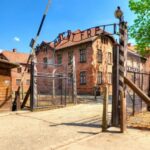
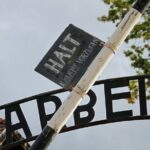
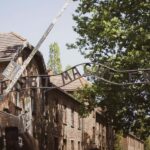
Auschwitz makes time feel heavy. This full-day trip is interesting because it handles the hard logistics for you—hotel pick-up or a simple meet-up in central Krakow—and then focuses on what matters inside the camps with headsets and a licensed museum guide. You’ll enter Auschwitz I through the gate and pass the Arbeit Macht Frei inscription, then shift to Birkenau for the scale and system of the Nazi genocide.
I like that admission is included, so you do not scramble for tickets on the day. I also like the pacing structure: you get real time inside each area rather than a quick drive-by. One consideration: the day involves a lot of walking, uneven ground, and a pace set by the memorial service—so it’s not a great match if you need long pauses or you struggle with stairs.
In This Review
- Key Things to Know Before You Go
- Krakow Pick-Up and the Drive to Oswiecim
- Why the Price Feels Reasonable for This Day Trip
- Entering Auschwitz I: Gate, Sign, and the First Camp
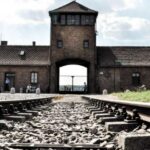
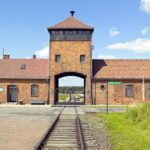
- The Birkenau Shift: Moving from Concentration Camp to System of Extermination
- The Walk, the Pace, and the Reality of a Timed Memorial
- Breaks, Food, and What to Bring for a 7-Hour Emotional Day
- ID Requirements, Photo Rules, and What Fits in Your Bag
- Guides, Headsets, and What Makes This Tour Feel Well-Run
- Who This Trip Is Best For (and Who Should Rethink It)
- Should You Book This Krakow to Auschwitz-Birkenau Guided Tour?
- FAQ
- How long is the tour?
- Is admission to Auschwitz-Birkenau included?
- Do I need to bring my passport or ID?
- Where is the meeting point in Krakow?
- Is hotel pickup available?
- When will pickup happen?
- Is lunch included?
- Is this tour suitable for children?
- How many people are in the group?
- Can I take photos?
- What luggage can I bring?
Key Things to Know Before You Go
- Admission included means you skip day-of ticket hassles and stay focused on the visit.
- Small groups (up to 30) keep the tour manageable and easier to hear with headsets.
- Licensed Auschwitz Museum local guide continues the story on-site after you arrive.
- Headsets at Auschwitz I help you follow explanations clearly as you move through the camp.
- Long, emotional walking day: you should plan for fitness, balance, and stamina.
Krakow Pick-Up and the Drive to Oswiecim
This tour runs as a true day trip. You’re in Krakow first, then you’re on the road to Oswiecim (about 1 hour and 15 minutes away, roughly 65 km). You can usually choose between hotel pickup or a central meeting point; the meeting point listed is Floriana Straszewskiego 17 in Kraków.
A practical detail I appreciate: the pick-up hours shown when you book are tentative. The operator confirms the exact pick-up time the day before, and the start can shift because of museum timing and traffic. They also warn you that departure can be anywhere from 5:00 AM to 2:00 PM depending on the schedule. Translation: go to bed early, set an alert for your confirmation message, and plan your day in Kraków around that earlier start window.
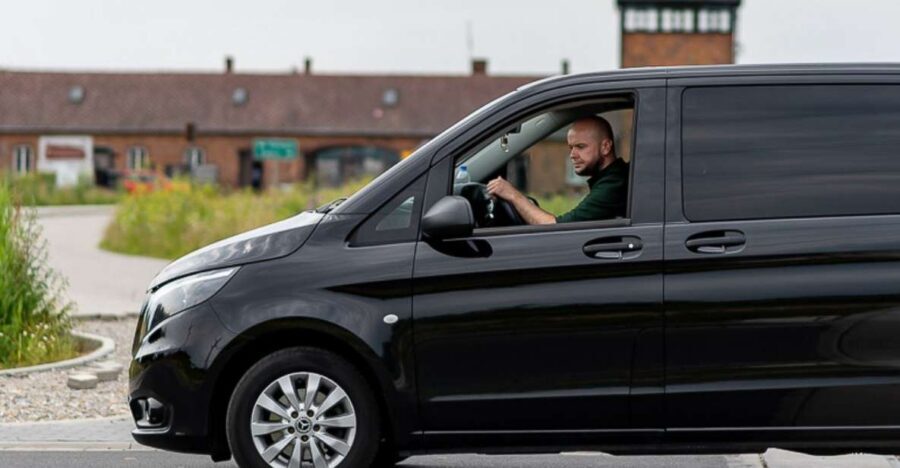
Inside the ride, expect a straightforward transfer. The group leader and driver are there to keep things running smoothly, and drivers are described as holding the right EU certifications for passenger transport. When everything clicks, you end up with that calm, almost boring start—which is exactly what you want before a very heavy day.
Other Auschwitz I and Birkenau combined tours in Krakow
Why the Price Feels Reasonable for This Day Trip
At about $30.17 per person, this tour is priced like a bargain for a full guided Auschwitz-Birkenau experience from Krakow—mainly because key costs are wrapped in.
Here’s the value logic I see:
- Admission is included for both parts of the visit, so you do not pay extra on arrival.
- You get transport to and from Oswiecim and between Auschwitz I and Birkenau during the day.
- You have a small group size (max 30), which matters when the memorial has strict flow and limited time on-site.
- You’re guided with help from a licensed museum guide for the serious parts of the explanation.
Even if you’re an experienced traveler, Auschwitz isn’t the kind of place where you want to figure things out on your own day-of. The price helps buy certainty: you show up, you get the right entrance process, you follow the route, and you keep moving with context rather than confusion.
Entering Auschwitz I: Gate, Sign, and the First Camp
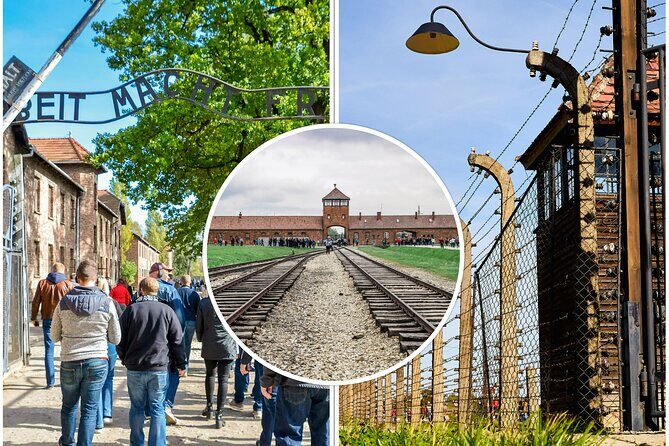
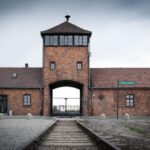
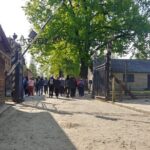
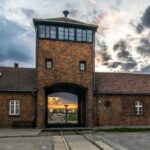
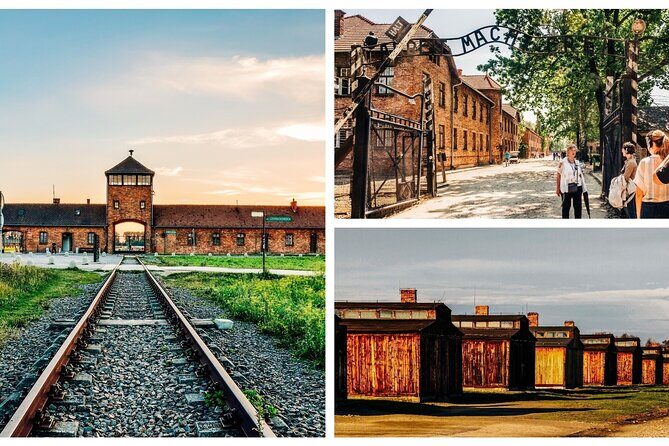
The visit begins at Auschwitz I. This is the original camp, set up first as a concentration camp for Polish citizens arrested after Germany annexed Poland in 1939. You’ll walk through the camp gate and pass under the infamous inscription Arbeit Macht Frei.
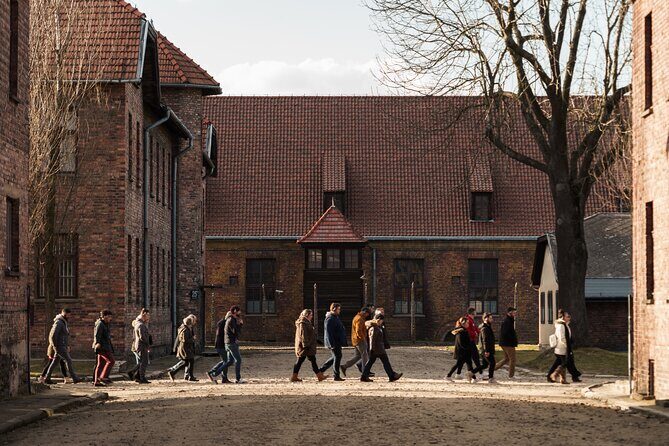
The Auschwitz I section is designed as a guided walk lasting about 2 hours, and you’ll use headsets to hear the group leader clearly. That headset detail matters. The grounds are spread out and sound can get lost in open areas, so the audio support makes it easier to follow the story without constantly straining to hear.
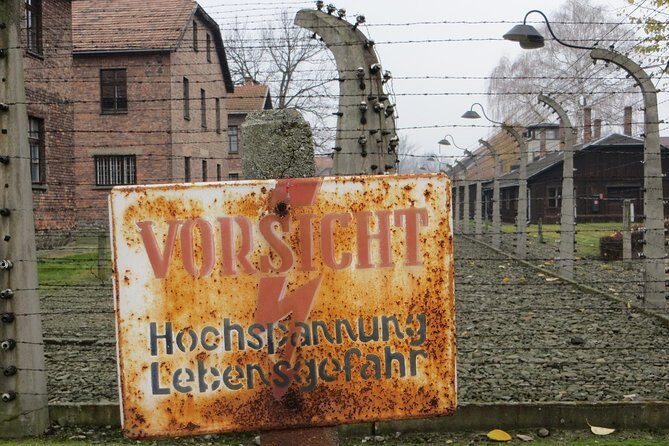
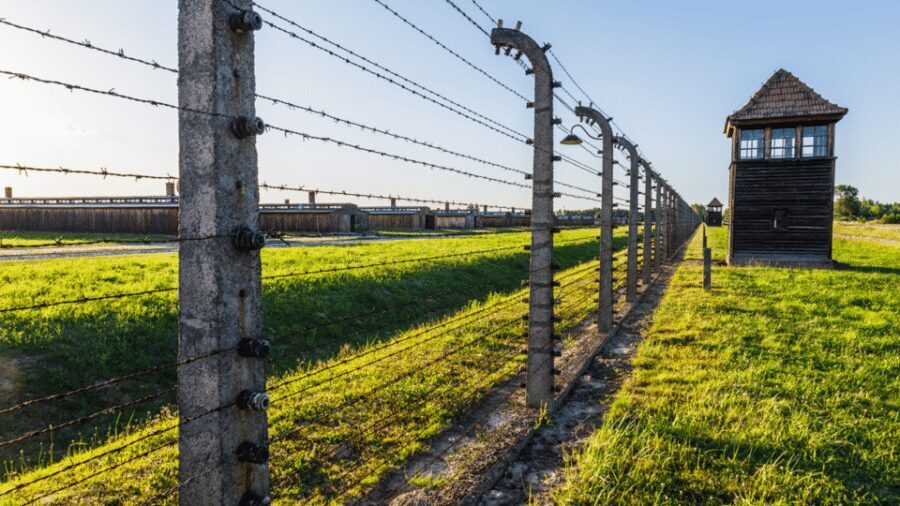
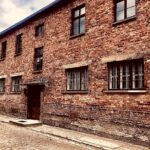
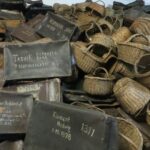
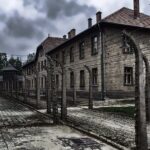
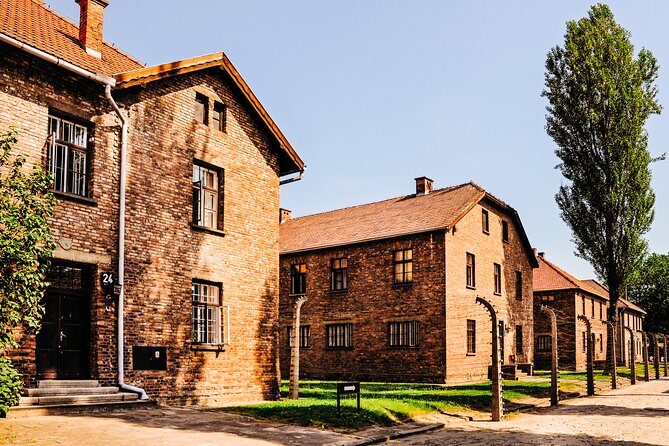
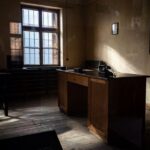
You’ll see some of the most difficult, important structures and areas: original wooden barracks, fortified walls, barbed-wire fencing, and the gas chambers and crematoria. The idea isn’t sightseeing. It’s understanding the machinery of terror and the physical scale of the camp. Done well, this part of the day helps you connect the names, dates, and policies you may have read about with the reality of what stood there.
The Birkenau Shift: Moving from Concentration Camp to System of Extermination
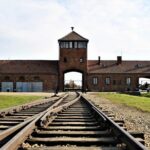
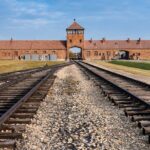
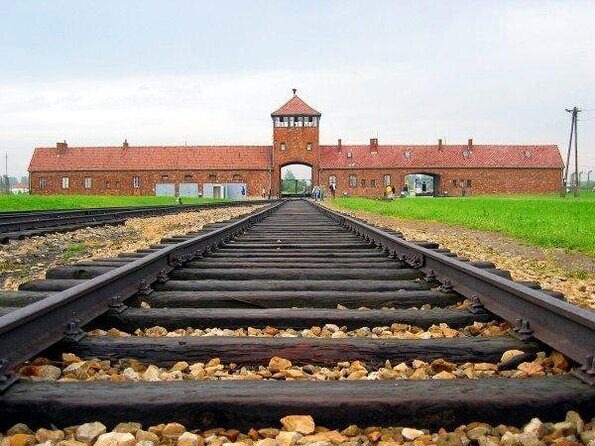
After Auschwitz I, you get a short break—up to about 15 minutes—before moving to Birkenau, which is only a few minutes away. Birkenau is Auschwitz II, the larger camp built in 1941 under SS commander Heinrich Himmler’s orders.
Your guide continues the narrative here, and the focus is the brutal, targeted purpose of mass murder. You’ll hear about the cruel selection process, the appalling living conditions, and the pseudo-scientific medical experiments carried out by Nazi doctors, including Josef Mengele.
Birkenau is described as the camp that could hold around 90,000 prisoners, which is hard to fully grasp until you’re standing in the space itself. The memorial’s structure, combined with a guided route, is what helps your brain process the size and function of the camp rather than getting lost in it.
Time at Birkenau is about 1.5 hours on this tour. That’s enough to cover the key areas without turning the visit into a rushed blur—but it still means you need to accept you will not stand everywhere long. If you know you want long reflective pauses in front of every board or space, this schedule may feel tight.
The Walk, the Pace, and the Reality of a Timed Memorial
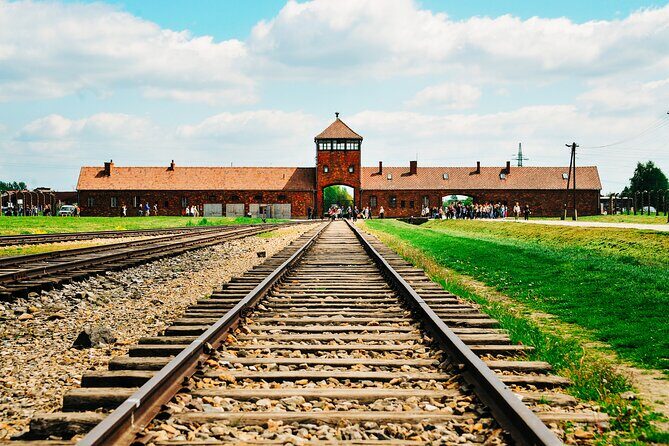
This is one part where you should set your expectations clearly. The memorial sets the flow and the duration. That means the guide’s pacing is real and the day has a rhythm.
On the positive side, a well-run group tour keeps you from wasting time: you get to the right place, you follow a logical route, and you avoid waiting around. A lot of the best comments focus on organization, smooth pickup, and guides who stayed respectful and helpful.
But there’s also a practical truth from real guest experiences: some people felt the Auschwitz visit was too fast, with limited time to read everything or process what they were seeing. One person even described the Birkenau segment as rushed and suggested it’s not the right choice if you need to pause often.
So here’s my advice to you:
- If you can walk steadily and keep up, this tour is likely a good fit.
- If you need extra time to absorb information, pick a slower option or be prepared to step back mentally at the breaks.
- Make sure your headset is positioned well. If you have any trouble hearing, let the group leader know quickly rather than waiting.
Other Auschwitz tours from Krakow in Krakow

Breaks, Food, and What to Bring for a 7-Hour Emotional Day
Lunch is not included, and the schedule doesn’t leave time for a normal meal between Auschwitz I and Birkenau. That means you should bring a snack and plan for short stops rather than a sit-down lunch.
A note on food options: there’s no time for a regular meal, and the information provided specifically says a grocery shop, snack bar, or restaurant are not available on-site. That’s why packing something simple matters—especially if you get warm up nerves during the day and then realize you’re hungry later.
Also remember the weather reality. One guest explicitly warned to wrap up warm. Even if Kraków feels mild, the camps involve outdoor walking and waiting, and that can drain you. Bring layers, wear shoes with grip, and keep your day bag light.
ID Requirements, Photo Rules, and What Fits in Your Bag
Auschwitz-Birkenau has strict entry rules. You must bring your passport or ID because your personal details are mandatory to confirm at the entrance. Do not assume you can talk your way through it. If you forget it, you may not be allowed in.
Photography is another rule you’ll want to respect. Pictures are generally allowed, but there are a few clearly indicated exceptions where photography is restricted. Follow the signage and your guide’s directions and you’ll stay on the right side of the rules.
Packing is also specific. Your carry-on size can’t exceed 30 x 20 x 10 cm. Larger luggage can be left in the car. This helps keep bags manageable in crowded lines and guided routes. Pack smart: essentials only.
One more expectation: you are required to behave appropriately and respectfully while in the camps. That includes your pacing, your volume, and how you move through space with other visitors. In a place like this, “being respectful” is not a suggestion—it’s part of the experience.
Guides, Headsets, and What Makes This Tour Feel Well-Run
This tour pairs transportation with on-site museum guidance. The key piece is that after you arrive, you’re introduced to a professional local guide licensed by the Auschwitz-Birkenau Museum.
That matters because the story is complex and the details are exact. You’re not just getting surface-level facts. You’re getting context, names, timelines, and the meaning behind what you’re seeing. Multiple guide names appear in guest feedback—Michael, Anna, Łukasz, and others—often described as respectful, detailed, and emotionally careful in how they talk about the site.
Also, group size is limited to 30, which is important at Auschwitz. Bigger groups create more chaos and can make headsets less effective. Smaller groups make it easier for the guide to keep everyone aligned with the route and rules.
One headset note: a few guests mentioned microphone interference, which made parts of the narration harder to hear. You can’t control that, but you can control your response. If your audio cuts in and out, raise it immediately so you don’t lose the thread for the entire segment.
Who This Trip Is Best For (and Who Should Rethink It)
This is ideal if you:
- Want a full-day guided experience that covers both Auschwitz I and Birkenau.
- Care about European World War II history and want structured context.
- Prefer group organization over self-planning on a hard day.
It’s less ideal if you:
- Struggle with long walking, uneven ground, and stairs.
- Need lots of time to pause and process slowly.
- Have trouble keeping up with a paced group route.
Some guest feedback directly flagged the tour as demanding for elderly visitors, especially where balance and stairs were involved. Even if you can travel, you’ll want to judge your stamina realistically. Auschwitz is not the place to gamble on comfort.
If you want to go anyway, plan to use breaks effectively. Don’t burn all your energy early on; save some focus for Birkenau, where the scale can hit you harder as you process what you’re seeing.
Should You Book This Krakow to Auschwitz-Birkenau Guided Tour?
Book it if you want:
- Hotel pickup or easy meeting-point access
- Admission included (so you’re not doing logistics on a stressful day)
- A structured route with a licensed museum guide and headsets
- A small-group experience that fits within the memorial’s rules
Skip it or choose a slower alternative if you:
- Need extra time at each stop to read, reflect, and sit with what you’re seeing
- Are worried about stairs, uneven ground, or a paced schedule set by the site
If you do book, prep like a pro: bring your passport/ID, pack a snack, wear sturdy shoes, and dress for cold weather. Then arrive ready for a day that will stay with you—historically, emotionally, and in the way you see Europe’s 20th century after.
FAQ
How long is the tour?
The duration is approximately 7 hours.
Is admission to Auschwitz-Birkenau included?
Yes. Admission tickets are included, so you do not need to pay extra on the day.
Do I need to bring my passport or ID?
Yes. You must bring your passport or ID for personal details confirmation at the entrance.
Where is the meeting point in Krakow?
The listed start meeting point is Floriana Straszewskiego 17, 31-101 Kraków, Poland.
Is hotel pickup available?
Yes. Pickup is offered, and you can choose hotel pickup or a central meeting point (the price may differ depending on the option selected).
When will pickup happen?
Pickup hours are tentative and may change due to museum schedule and traffic. Exact pick-up time is confirmed for the day before departure, and departure can fall between 5:00 AM and 02:00 PM.
Is lunch included?
No. Lunch is not included, and there is no time for a regular meal between Auschwitz and Birkenau, so you should bring a snack.
Is this tour suitable for children?
The visit may be traumatic, and it is recommended that visitors be at least 13 years old.
How many people are in the group?
The tour has a maximum of 30 travelers.
Can I take photos?
Photos are generally allowed, with a few clearly indicated exceptions.
What luggage can I bring?
Your carry-on can’t exceed 30 x 20 x 10 cm. Larger luggage can be left in the car.