REVIEW · KRAKOW
Auschwitz-Birkenau Memorial Entrance Ticket and Guided Tour
Book on Viator →Operated by DISCOVER CRACOW · Bookable on Viator
One day. Two camps. Heavy facts. This Auschwitz-Birkenau tour from Krakow is powerful because you go in with a professional guide, starting at Auschwitz I and then moving to Birkenau so the facts land, not just the shock.
I also like the clear pacing: you get about 1 hour 45 minutes at Auschwitz I and 1 hour 30 minutes in Birkenau, so you can absorb what you’re seeing instead of rushing. The main consideration is practical and season-based: you need your ID or passport for security, and departure timing can shift with guide availability, plus it can get very cold outside in winter.
In This Review
- Key things I’d lock in before you go
- Why this Auschwitz-Birkenau day trip from Krakow feels worth the effort
- Krakow pickup, air-conditioned transport, and group size you can handle
- Entering Auschwitz I: the gate, the blocks, and the original camp layout
- What the Auschwitz I portion gives you
- Auschwitz I walking tour: why the details are the point
- The jump to Birkenau (Auschwitz II): Brzezinka and the largest camp’s scale
- What you’ll likely notice as you walk the Birkenau grounds
- Timing and pace: 4 to 8 hours is real, so plan like an adult
- Price check: is $36 actually good value for this Auschwitz day trip?
- Comfort and prep: ID, layers, and how to avoid day-of headaches
- What to do if you’re sensitive to heavy material
- Who this tour suits best (and who might want a different option)
- Should you book this Auschwitz-Birkenau guided entrance ticket from Krakow?
- FAQ
- How long is the Auschwitz-Birkenau Memorial Entrance Ticket and Guided Tour?
- How much does the tour cost?
- What’s included in the price?
- Is food included?
- What are the main stops on the tour?
- Do I need an ID or passport?
- Is there a group size limit?
- Do I get picked up and dropped off in Krakow?
- What happens if I cancel?
- Is the tour suitable for most travelers?
Key things I’d lock in before you go
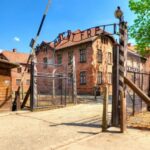
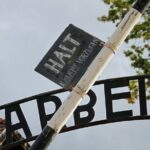
- Auschwitz I start (A ride through history): your visit begins at the gate marked Arbeit Macht Frei, then moves through the original camp areas.
- Original camp details: you’ll see features like original roads, fences, watchtowers, and railway elements that help explain how the camp worked.
- Birkenau scale at Auschwitz II: the Brzezinka section is the largest part of the complex, and the layout makes the numbers feel real.
- Smaller groups (max 30): it’s not a cattle-car experience, and you can usually follow instructions more easily.
- What’s priced in: the tour price covers pickup/drop-off in Krakow, air-conditioned transport, guide time, and all fees and taxes.
Why this Auschwitz-Birkenau day trip from Krakow feels worth the effort
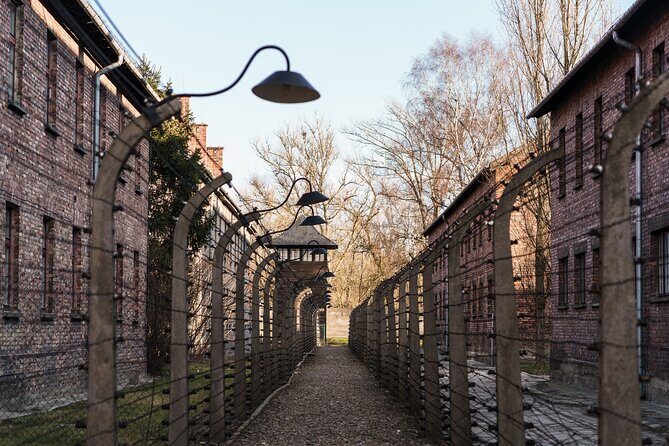
If you’re choosing a day trip to Auschwitz-Birkenau, you’re already making a serious choice. This one is built around a guided visit to the UNESCO-listed Auschwitz-Birkenau Memorial and Museum. That matters, because the site is full of details that can blur together if you’re walking without context.
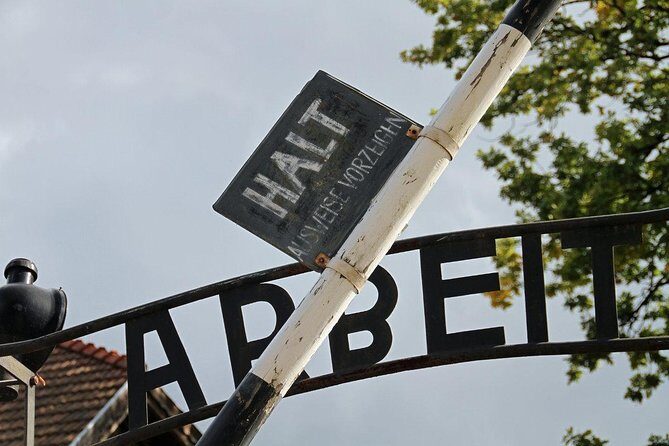
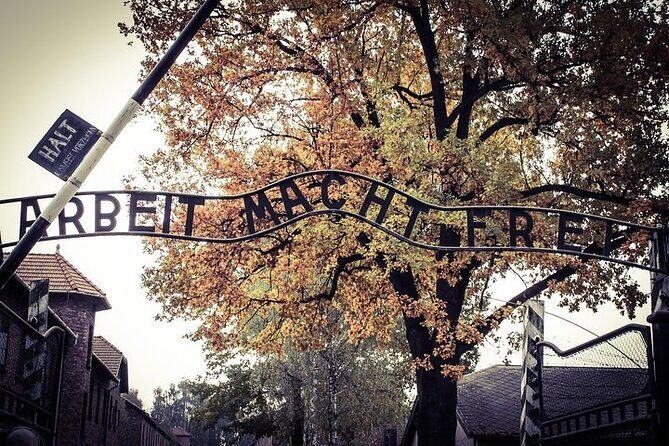
I like that the day isn’t just a drive out to a landmark. You’re met by a professional guide and brought directly into Auschwitz I first, walking through the gate marked Arbeit Macht Frei (often translated as work sets you free). From there, the tour flows to Birkenau for the larger, more spread-out reality of Auschwitz II.
It’s not light. It’s not easy. But it is structured in a way that helps you stay focused on what you’re actually there to learn and remember.
Other Auschwitz I and Birkenau combined tours in Krakow
Krakow pickup, air-conditioned transport, and group size you can handle
This experience includes pick up and drop off to the city centre in Krakow, which saves you the stress of figuring out trains or transfers. Transport is by an air-conditioned vehicle, and the group size maxes out at 30 people. That’s a sweet spot for a day like this: big enough to run efficiently, small enough that the guide can still keep things together.
One small reality check: the itinerary time can be affected by guide availability at the museum. The departure time might change, and that doesn’t qualify for a refund. So plan your Krakow schedule with a bit of slack the day before and the day of the tour.
Entering Auschwitz I: the gate, the blocks, and the original camp layout
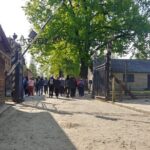
Your first stop is Panstwowe Muzeum Auschwitz-Birkenau (Auschwitz I). You arrive, meet the guide, and enter at Auschwitz I, walking through the gate with the inscription Arbeit Macht Frei. That moment hits fast. It’s a phrase designed to disguise cruelty behind a slogan, and the guide’s framing helps you read what you’re looking at instead of just staring.
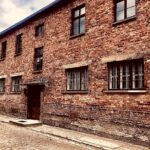
Auschwitz I began in 1940 in place of old Polish army barracks. It was first used for Polish political prisoners, then expanded over time. The complex operated until liberation by advancing Soviet forces in 1945. During its operation, more than 1.5 million prisoners were brought there from multiple nationalities, including Jewish, Polish, Italian, and French. Of those, 1.1 million were exterminated.
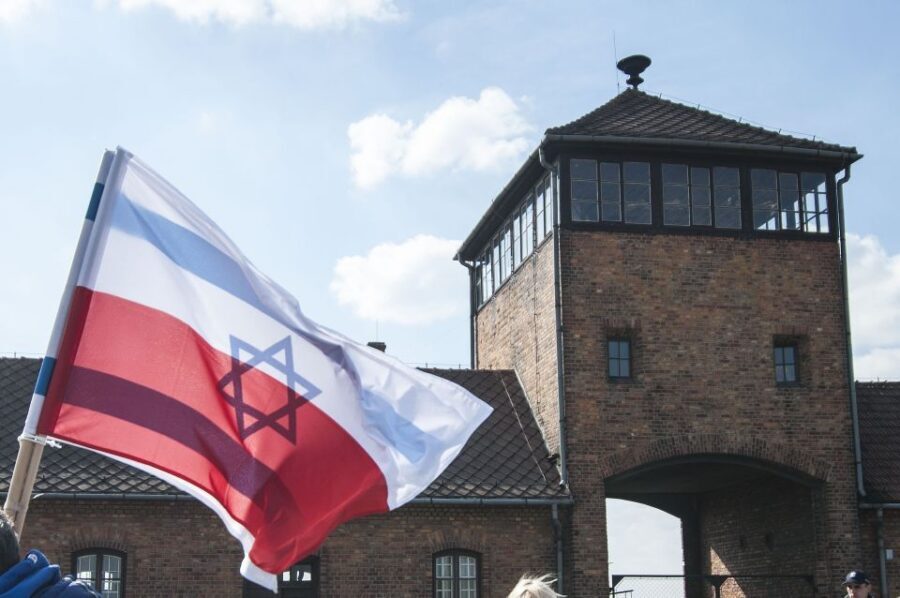
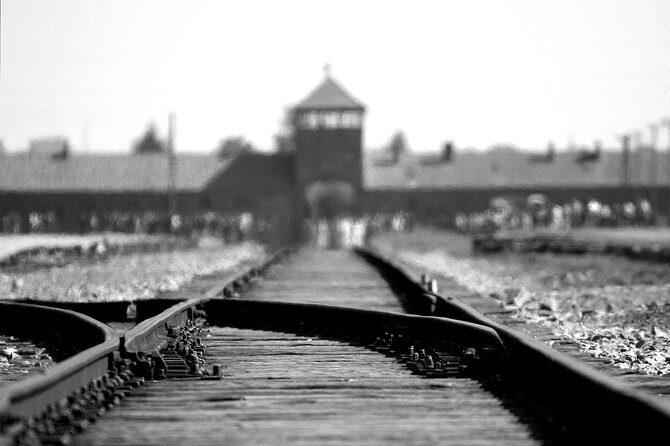
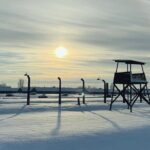
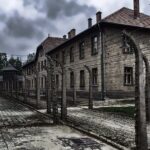
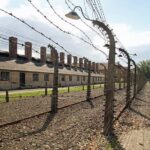
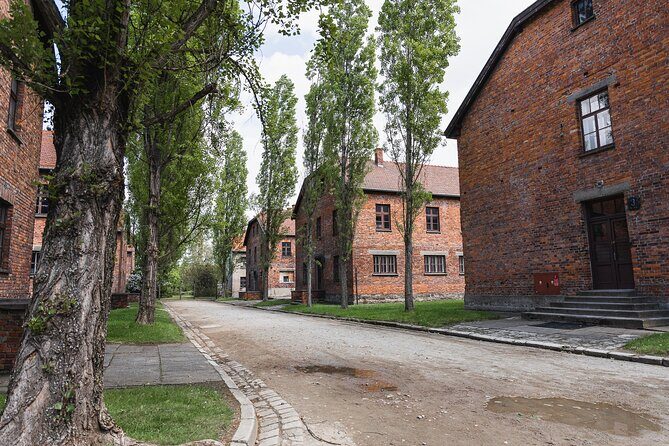
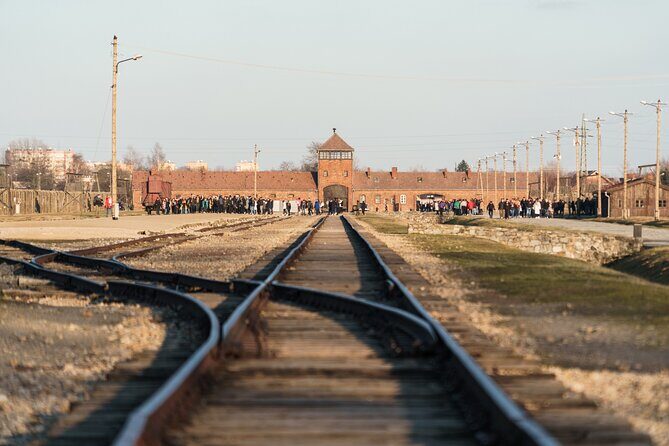
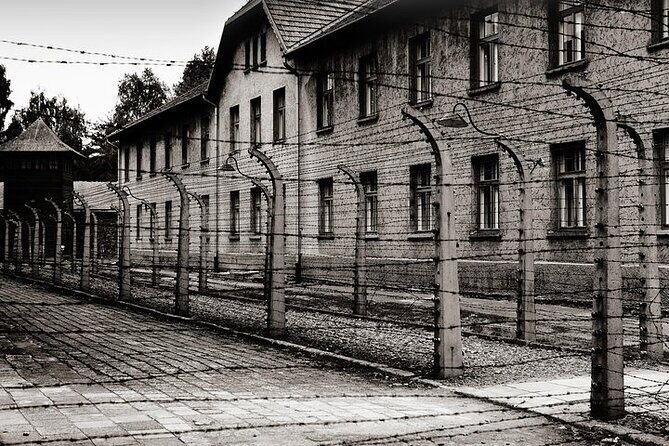
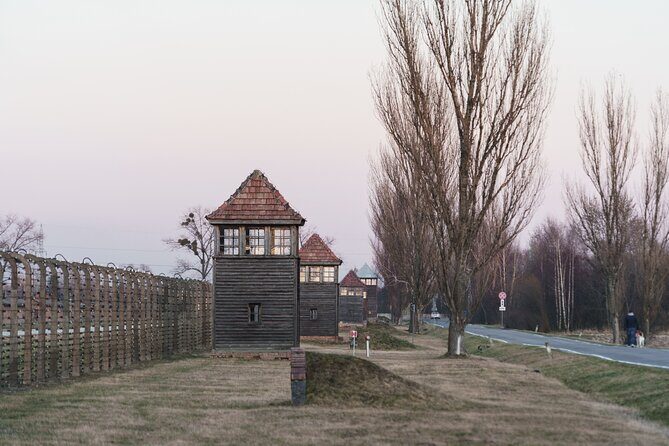
That’s the heavy math behind the buildings. And the tour gives you the one thing you can’t fake with photos: the feel of the place. Auschwitz I is made up of original buildings, and you can see the original roads, fences, watchtowers, and railway elements that supported the camp’s system.
What the Auschwitz I portion gives you
The guided time here is about 1 hour 45 minutes, and the Auschwitz I admission ticket is included. That’s enough time to:
- understand how the camp functioned, not just that it existed
- connect the visible layout to the written facts
- hear explanations that make specific locations in the camp clearer
If you’re someone who needs structure to handle emotional material, this first stop is where that structure matters most.
Auschwitz I walking tour: why the details are the point
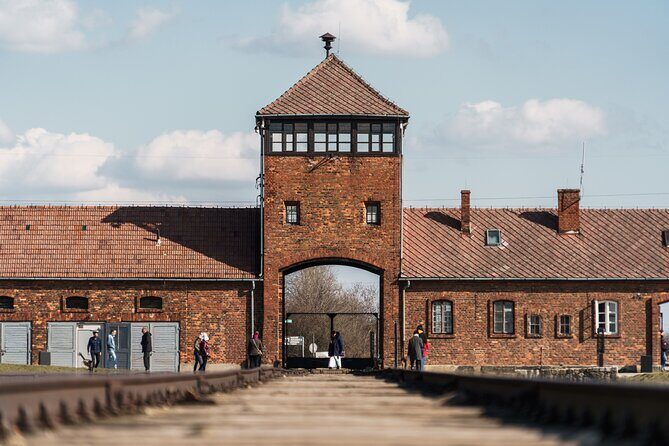
Auschwitz I can look like a place you’ve already seen in pictures. But when you’re there, the details become the lesson.
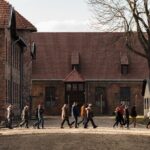
You’ll move past original camp features: fences, watchtowers, and the way roads and rail lines shaped prisoner movement. Even if your brain wants to shut down, your eyes keep catching scale and design. The guide helps you turn what you’re seeing into understanding.
One reason a guided visit is so valuable here is that the camp is a museum and a memorial at the same time. The guide’s job isn’t to shock you again. It’s to keep you grounded in the evidence: what was where, what it was used for, and why the site must be preserved.
Also, if you land in a good group dynamic, the whole thing runs with quiet efficiency. One guide name that’s stood out in past experiences is Bart, praised for being especially effective at explaining what you’re looking at. If you’re lucky enough to have him, take advantage of his pacing and don’t be shy about absorbing every stop.
Other Auschwitz entry tickets and transfer options in Krakow
The jump to Birkenau (Auschwitz II): Brzezinka and the largest camp’s scale
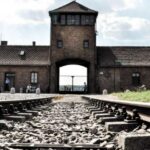
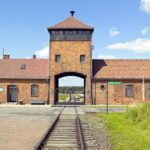
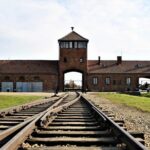
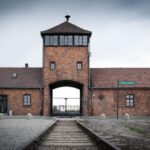
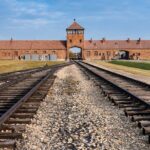
After Auschwitz I, you move to Brzezinka, the Birkenau portion of the Auschwitz complex (Auschwitz II). This is the largest camp in the overall Auschwitz system, which included over 40 camps and sub-camps.
Birkenau started with a plan for Soviet POWs, but it became a concentration camp for prisoners of various nationalities and a center of extermination of Jews. Construction began in October 1941 using slave labor, in a place where the village of Brzezinka had been displaced and mostly demolished—about three kilometers from Auschwitz I.
The numbers and the intent are central to understanding Birkenau. It was designed to hold 125,000 prisoners at one time, and it’s described as a place where people were destined to die from cold, hunger, disease, and exhaustion. The tour also points to the reality that prisoners were treated as disposable labor.
What you’ll likely notice as you walk the Birkenau grounds
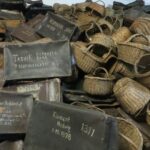
This part of the day is about 1 hour 30 minutes. That’s long enough to feel the camp’s layout in your legs and your mind. You’ll see living conditions that are difficult to process, and the guide helps explain how people were forced to adapt just to survive the conditions imposed on them.
Birkenau’s main lesson is scale. Auschwitz I can feel like a set of buildings and enclosures. Birkenau often feels like a whole landscape of loss, even though it’s still a camp with a strict system behind it.
Timing and pace: 4 to 8 hours is real, so plan like an adult
The overall duration is listed as 4 to 8 hours (approx.). That wide range is normal for an Auschwitz day trip because entry flow, group timing, and guide availability can shift.
Here’s how the structure helps you:
- You have a first block (about 1 hour 45 minutes) at Auschwitz I with the admission ticket included.
- You then have a second block (about 1 hour 30 minutes) at Birkenau.
- Transportation and time between stops fill the rest of the day.
You’re walking. You’re standing. You’re reading signs and listening to explanations. Even if you’re an efficient sightseer, don’t schedule other big activities afterward. Your brain will feel like it ran a marathon you didn’t train for.
Price check: is $36 actually good value for this Auschwitz day trip?
At $36, this tour can feel like a bargain compared to many day tours. But the real value is in what you’re getting for that money.
Included:
- pickup and drop-off in Krakow city centre
- professional guide at the Auschwitz-Birkenau National Museum
- transport by air-conditioned vehicle
- all fees and taxes
- Auschwitz I admission ticket included (and Birkenau admission is listed as free for the stop)
Not included:
- food and drinks
So you’re mostly paying for the hardest parts: guide time and timed entry handling, plus the practical logistics to get you there in one piece. For a visit where you want context, a guided structure usually beats DIY on value alone.
The only pricing “watch-out” is expectation. You’re not buying lunch. And you’re not buying a flexible schedule that can be rearranged easily.
Comfort and prep: ID, layers, and how to avoid day-of headaches
You should bring an ID or passport. Before entrance security, they ask for it. That’s a non-negotiable detail, and it’s the kind that can ruin your morning if you forget it.
Bring warm layers. One past visitor specifically noted that January visits can be very cold and advised wrapping up well. Even if you’re traveling in milder months, the camp grounds can still feel exposed.
Food isn’t included. Some tours offer guidance or options on food during the day. One review mentioned a pack lunch option being offered, so if you want a simple solution, ask the operator what’s available and plan accordingly. The most reliable move is to carry a water bottle you can refill later (if allowed where you are) and a snack you can manage during the breaks you’re given.
What to do if you’re sensitive to heavy material
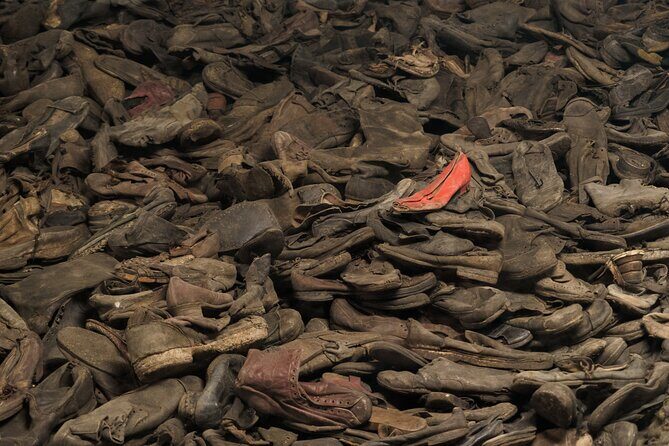
This is a memorial for the Holocaust. It’s also a museum built on evidence and testimony. If you’re the kind of person who shuts down when emotions spike, consider setting a personal intention before you go.
Try this approach:
- Decide what you want to take away: context, names and categories of victims, or the history of the Nazi occupation as it’s explained.
- Don’t force yourself to feel. Instead, focus on understanding what you’re shown.
- Take moments to step back when you need air. A guide can’t do that for you, but they can help you return to the thread.
And if you’re traveling with kids or teens, remember that this is not a “quick history stop.” It’s a full, serious experience. If you bring children, double-check that ticket counts and timing line up with your party so everyone gets access as planned.
Who this tour suits best (and who might want a different option)
This experience fits best if:
- you want a guided Auschwitz I + Birkenau day trip with reliable transport
- you prefer a structured timeline instead of navigating alone
- you’re traveling from Krakow and want pickup and drop-off handled
It may feel like a lot if:
- you struggle with long walking and standing days
- you want lots of free roaming time without guide interpretation
- you’re hoping to keep the day flexible on short notice
The max group size (up to 30) makes it workable for most people who can handle a long, emotional day.
Should you book this Auschwitz-Birkenau guided entrance ticket from Krakow?
Yes, I’d book it if you can afford the emotional weight and you want the day to be organized around meaning, not logistics. The reason is simple: this tour includes the essentials that make a first-time Auschwitz visit actually work—pickup in Krakow, an air-conditioned ride, and a guided visit through Auschwitz I and Birkenau with the Auschwitz I admission ticket covered.
Book it if you want structure, context, and a pace that lets you absorb what you’re seeing.
Hold off if you have a tight schedule you cannot move, or if you’re not ready for security checks, cold weather, and a day that can run several hours.
If you do book, go in with a plan: bring ID, dress for the elements, and leave the rest of your day empty so your mind can process what your eyes will remember.
FAQ
How long is the Auschwitz-Birkenau Memorial Entrance Ticket and Guided Tour?
It’s listed as about 4 to 8 hours total.
How much does the tour cost?
The price is $36.
What’s included in the price?
Pickup and drop-off in Krakow city centre, a professional guide at the Auschwitz-Birkenau National Museum, transport by air-conditioned vehicle, and all fees and taxes. Admission at Auschwitz I is included.
Is food included?
No. Food and drinks are not included.
What are the main stops on the tour?
You visit Auschwitz I (Panstwowe Muzeum Auschwitz-Birkenau) first, then Birkenau (Brzezinka).
Do I need an ID or passport?
Yes. Security asks for your ID or passport before entrance.
Is there a group size limit?
Yes. The tour has a maximum of 30 travelers.
Do I get picked up and dropped off in Krakow?
Yes. Pick up and drop off to the city centre in Krakow are included.
What happens if I cancel?
This experience is non-refundable and cannot be changed for any reason.
Is the tour suitable for most travelers?
It says most travelers can participate.