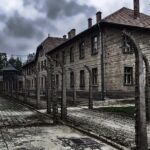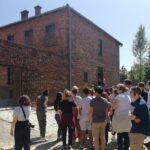
REVIEW · OSWIECIM
Auschwitz-Birkenau: Guided Tour and Skip-The-Line Ticket
Book on GetYourGuide →Operated by Poland Booking S.C. · Bookable on GetYourGuide
A visit like this changes your pace of thought. This Auschwitz-Birkenau tour is built around skip-the-line entry and a professional licensed guide, so you can focus on the place rather than paperwork and crowds. I especially like how the visit is split between Auschwitz I and Auschwitz II Birkenau with the same guide, and how the pacing gives you enough structure to follow the story. The main drawback to consider is that the site moves fast and you won’t linger long at every stop.
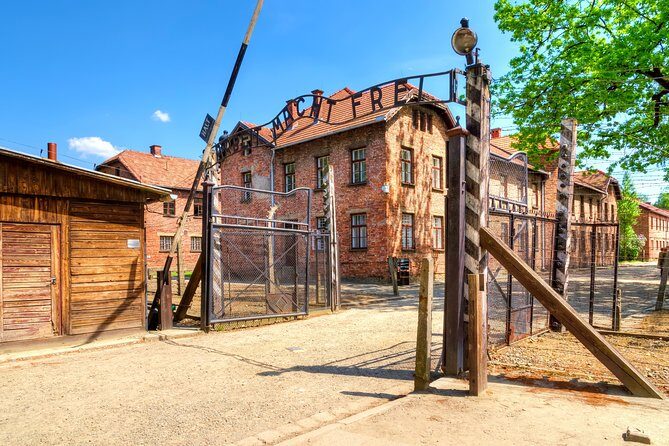
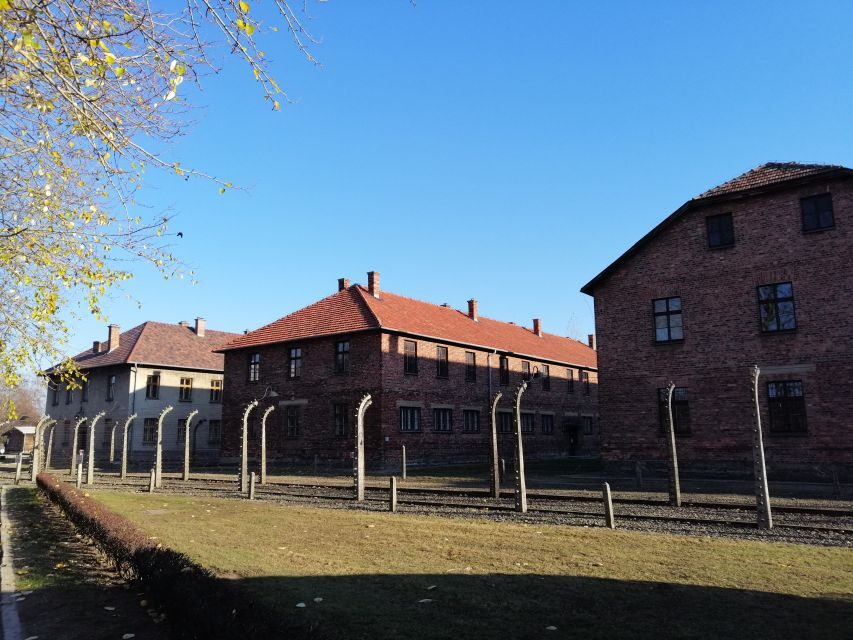
You meet your host outside the Auschwitz I entrance, pass security, and then settle into the museum visit. Expect a serious, tightly guided experience focused on what happened here—gas chambers, crematoriums, and the barracks—without fluff.
In This Review
- Key things to know before you go
- Why a guided Auschwitz-Birkenau visit is worth it
- Meeting outside Auschwitz I: timing, security, and what to bring
- Auschwitz I (first phase): using the time well
- The short break and the 2 km shift to Birkenau
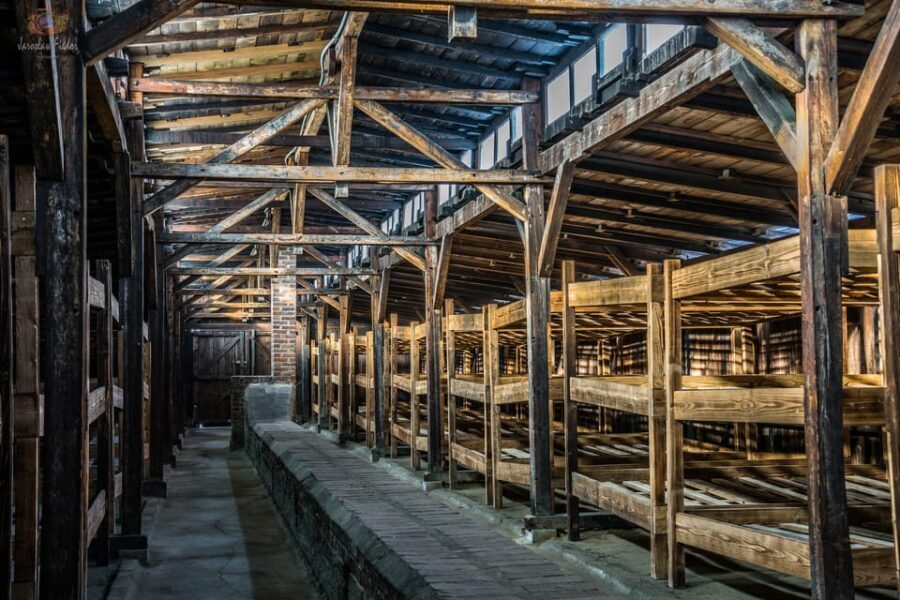
- Auschwitz II Birkenau (second phase): barracks, crematoriums, and gas chambers
- Languages, guide quality, and how groups actually feel
- Price and value: what $10 includes and what you must plan for
- Who should book—and who should reconsider
- Should you book this Auschwitz-Birkenau guided tour?
- FAQ
- FAQ
- How long is the Auschwitz-Birkenau guided tour?
- Where do I meet the host for this tour?
- Is transportation to and from my accommodation included?
- Do I need an ID for the entry?
- Are bags or backpacks allowed?
- What languages is the tour available in?
- Can children or people with mobility impairments join?
- Is there a cancellation window?
Key things to know before you go
- Licensed, professional guidance helps you make sense of what you’re seeing instead of just staring at buildings
- Skip-the-line museum entry means less waiting and more time inside the memorial
- Two main phases: Auschwitz I first (about 1 hr 20–1 hr 50), then Birkenau (about 1 hr)
- Short break for lunch between the two parts, but you still need to manage the switch to Birkenau
- Site rules matter: no large bags/backpacks, and flash photography isn’t allowed
- Limited group time per area can make it harder to absorb everything at an unhurried pace
Why a guided Auschwitz-Birkenau visit is worth it
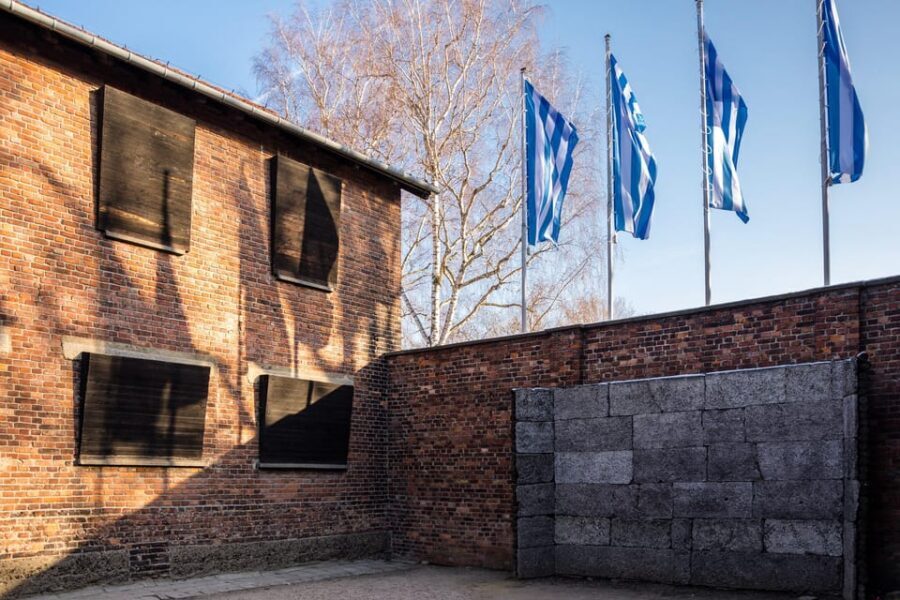
Auschwitz-Birkenau isn’t a place where you can safely “wing it.” The grounds are vast, the history is layered, and details matter. That’s exactly why I think a licensed guide is a big part of the value. You’ll get help connecting the dots: what certain buildings were used for, how the camp worked, and why specific pieces of evidence exist where they do.
I also like that this tour keeps the experience focused and structured. You’re not bouncing between different staff or losing your place with vague instructions. The same guide takes you through the first part at Auschwitz I and then onward to Auschwitz II Birkenau.
One more practical point: you’re paying for the museum entry ticket and the guide together. At around $10 per person, it’s not just “a tour”—it’s also admission, guided interpretation, and skip-the-line access in one package.
Other Auschwitz I and Birkenau combined tours in Oswiecim

Meeting outside Auschwitz I: timing, security, and what to bring
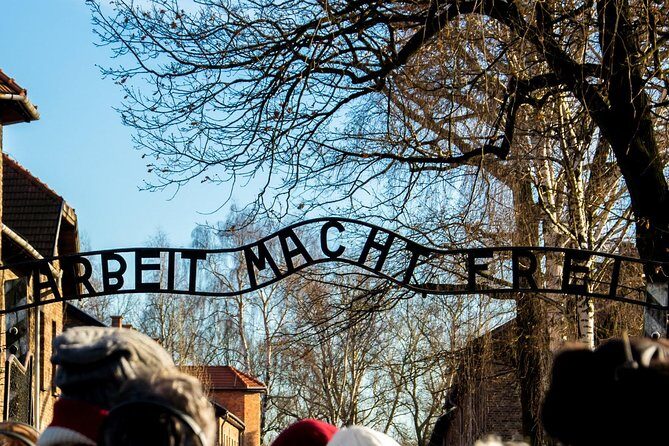
You’ll meet your host outside the Auschwitz I entrance. From there, you go through security with your pre-booked ticket. This is where being prepared saves time: have your passport or ID card ready, and avoid bringing items that will slow you down.
A few on-the-ground rules to take seriously:
- No luggage or large bags
- No backpacks
- Maximum allowed size is 20 x 30 cm
- No flash photography
This matters because if you arrive with a bag that’s too big, your day can get derailed fast—especially at a memorial where there’s little patience for last-minute sorting.
Also check your start time. The tour can run between 7:30 AM and 3:00 PM, and the exact start time is sent the day before. Build in buffer time so you’re not rushing to an experience that demands calm attention.
Auschwitz I (first phase): using the time well
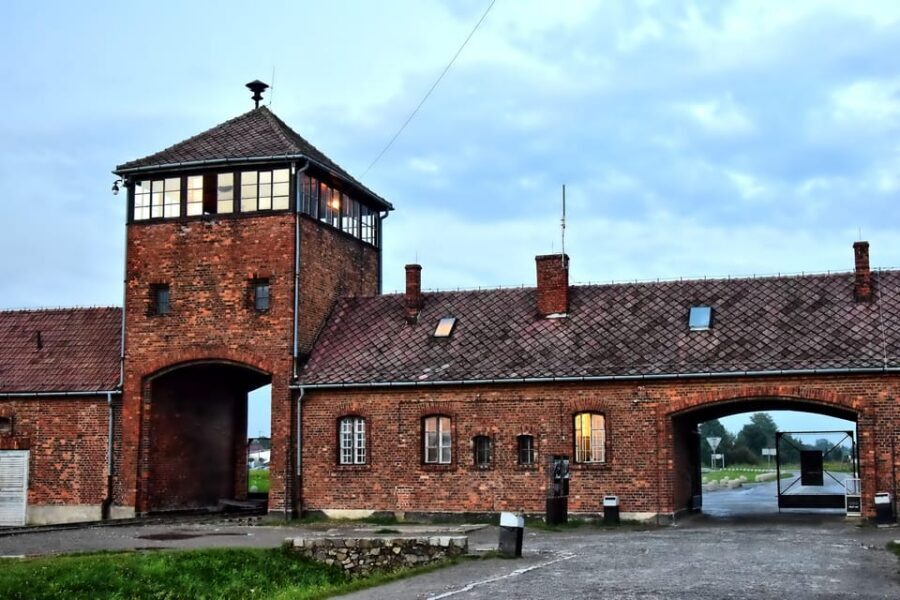
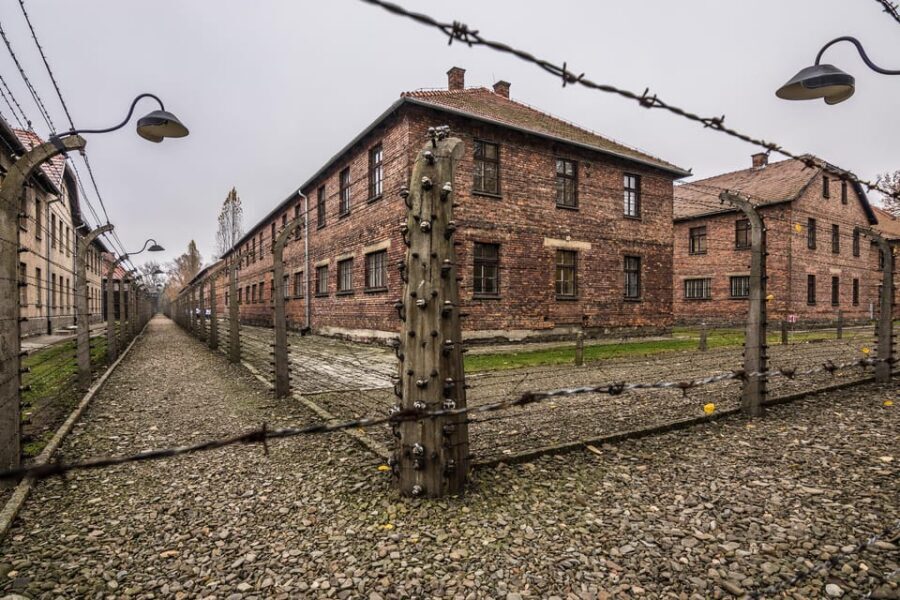
Your first museum phase runs about 1 hour 20 minutes to 1 hour 50 minutes. You’ll start with the Auschwitz I area (the museum part), where the story is often the hardest to grasp because it’s both administrative and human at the same time.
This is the section where the guide’s role is most important. You’re likely to see lots of objects and spaces that can look similar at first glance—only the context makes them powerful. A good guide helps you understand:
- what the sites were used for
- how prisoners were processed and managed
- what the evidence in the museum is telling you
Here’s the trade-off. This tour is designed to cover Auschwitz I and then move to Birkenau, so you won’t have unlimited time to stop and stare at every single station. In other words, you should show up ready to learn quickly and absorb at your own speed once you’ve got the basics from your guide.
The short break and the 2 km shift to Birkenau
Between the two phases, you get a break—often 10 to 15 minutes—when you can eat lunch. The tour also includes an additional practical gap: after completing Auschwitz I, there is a 15-minute break where you need to reach Birkenau on your own to the car parking area in Brzezinka, a short 2 km distance.
That means the “break” isn’t just free time. It’s also your window to make the move. If you’re coming by public transport, you should let your tour leader know before you start, so you can coordinate your way to Birkenau during that gap.
What to do to make this painless:
- Bring lunch and drinks (they’re not included)
- Keep your bag small enough to match the rules
- Treat the transfer like a mini logistics task, not a stroll you can improvise
If you plan to eat slowly, you’ll probably feel rushed. If you pack a simple lunch you can manage quickly, this part feels workable.
Auschwitz II Birkenau (second phase): barracks, crematoriums, and gas chambers
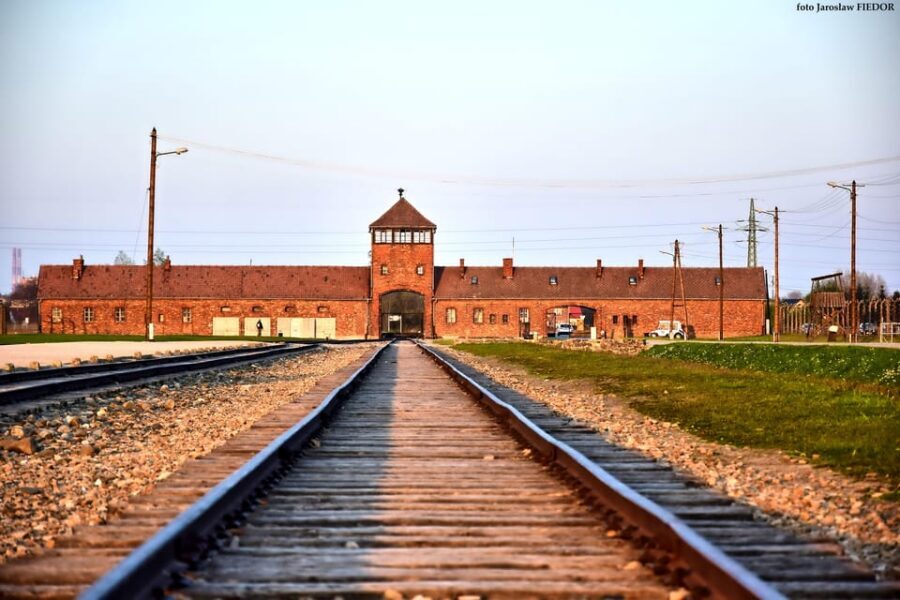
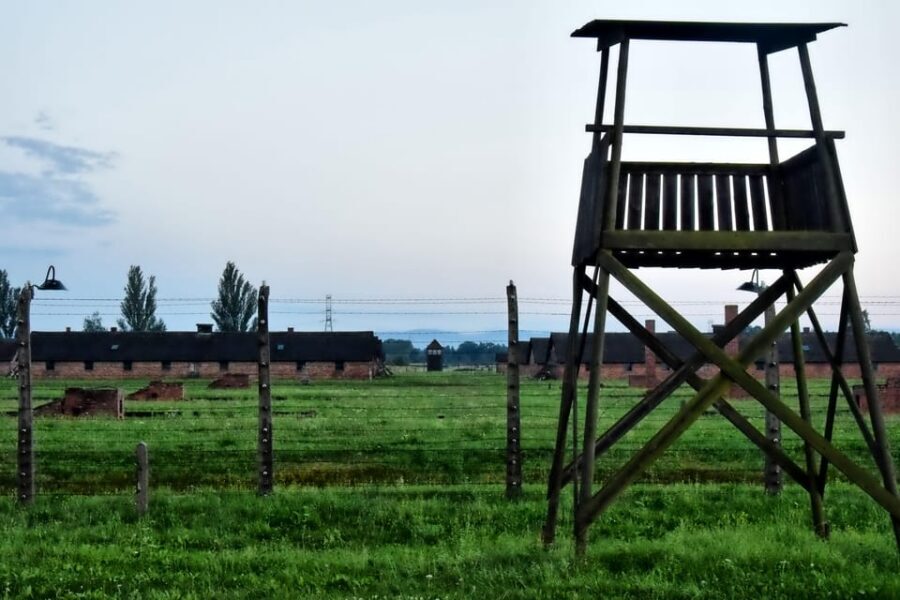
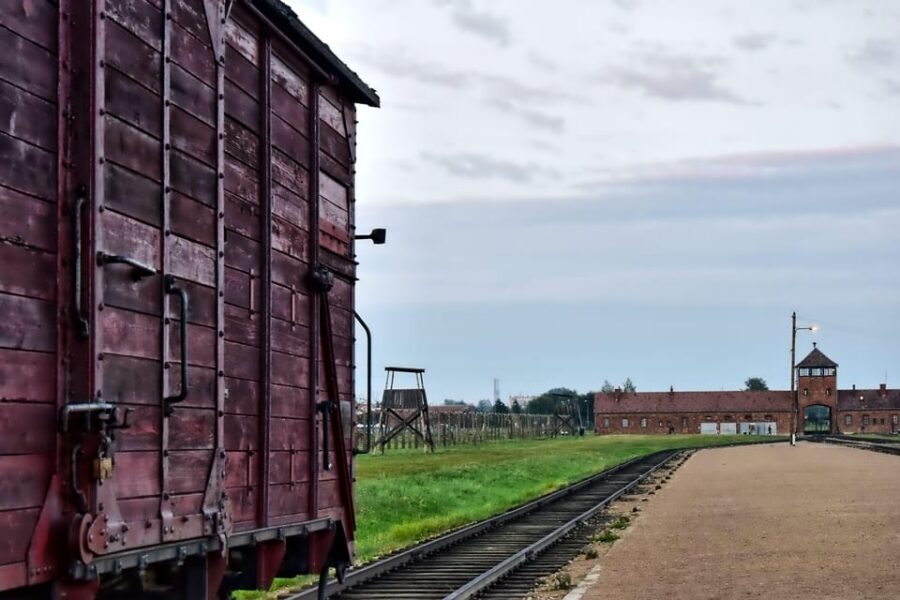
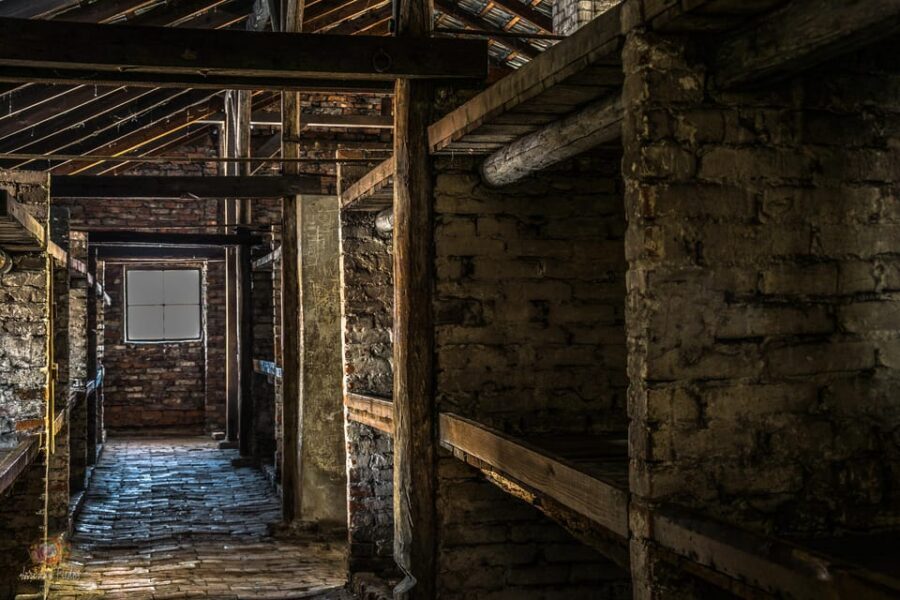
After the shift, you’ll visit Auschwitz II Birkenau with the same guide for about one hour. This is the area many people associate most strongly with the camp’s most horrific machinery, and it includes the gas chambers, crematoriums, and the barracks.
What makes Birkenau so difficult to experience isn’t only what you see—it’s scale and emptiness. With less “museum building” feeling than Auschwitz I, you’re more exposed to the open landscape and the way structures sit within it. A guided hour helps you interpret what you’re seeing without getting lost in details.
At the same time, Birkenau is not a place where you can expect long pauses at every location. The time is deliberately limited, so if you’re hoping for a slow, quiet, wander-at-your-own-pace kind of visit, this format may feel too structured. The good news is that the guide’s explanations give you something to hold onto when your brain wants to stop processing.
Other skip-the-line Auschwitz tickets in Oswiecim
Languages, guide quality, and how groups actually feel
This tour runs with live tour guides in English, Italian, French, Spanish, and German. Having the language match your comfort level makes a big difference here. You want to spend your mental energy on what the sites mean—not on translating basic explanations.
Also, pay attention to how your tour selection fits your needs. The meeting point is outside Auschwitz I, and transportation isn’t included. If you planned for hotel pickup and you don’t get it, that’s not the same as a “bad tour”—it’s a reminder to double-check what you actually booked.
In one Spanish-language situation, I’ve seen how guide support can matter for the transfer and return logistics, including a friendly bus guide named Joanna helping with the ride back into Kraków. That’s the kind of human help that can turn a confusing day into a manageable one.
Price and value: what $10 includes and what you must plan for
The listed price is $10 per person and includes:
- Auschwitz-Birkenau Museum entry ticket
- Professional licensed guide
It doesn’t include:
- transportation to/from your accommodation
- parking fees
- food and drinks
So the real question isn’t just whether the price is low—it’s whether the inclusions solve the biggest problems. Here, they do. You’re buying your way past the ticket line, paying for admission, and getting interpretation from someone trained to explain this site. That’s value.
Your part of the deal is logistics and comfort:
- Bring ID
- Pack a small bag that fits the size rule
- Bring lunch and drinks
- Plan your own way between Auschwitz I and Birkenau during the transfer window
If you show up with your supplies and follow the meeting point plan, this tour feels like strong value for a day that’s otherwise easy to mess up through confusion or wasted time.
Who should book—and who should reconsider
This tour is not suitable for:
- children under 12
- pregnant women
- people with mobility impairments
That isn’t a judgment—it’s about the realities of the sites and the pace. Also, the pacing is guided and timeboxed, so if you’re traveling with someone who needs lots of flexibility, you may want to consider alternative formats.
Who it suits best:
- adults who want context, not just photographs
- visitors who care about doing the visit “correctly,” with interpretation and evidence
- anyone who doesn’t want to figure out museum logic under pressure
Who might find it challenging:
- people who require very long stops at each location
- anyone who expects hotel pickup included by default
Should you book this Auschwitz-Birkenau guided tour?
If you’re going to Auschwitz-Birkenau, I think booking a licensed guide is the right move. This setup is practical: skip the ticket line, split the visit between Auschwitz I and Birkenau, and keep explanations consistent with the same guide.
Book it if you can handle a structured day, a short lunch gap, and the reality that time at each station is limited. Consider another approach if you need extreme flexibility, struggle with mobility constraints, or you’re expecting comprehensive hotel transportation.
FAQ
FAQ
How long is the Auschwitz-Birkenau guided tour?
The total duration is about 210 minutes.
Where do I meet the host for this tour?
Meet your host outside the Auschwitz I entrance.
Is transportation to and from my accommodation included?
No, transportation to/from your accommodation is not included.
Do I need an ID for the entry?
Yes. Bring a passport or ID card.
Are bags or backpacks allowed?
No large bags or backpacks are allowed. The maximum permitted size is 20 x 30 cm.
What languages is the tour available in?
The live guide is available in English, Italian, French, Spanish, and German.
Can children or people with mobility impairments join?
It is not suitable for children under 12 and for people with mobility impairments.
Is there a cancellation window?
Yes. You can cancel up to 24 hours in advance for a full refund.