REVIEW · KRAKOW
From Krakow: Auschwitz-Birkenau Full-Day Guided Tour
Book on GetYourGuide →Operated by Royal Tours Krakow · Bookable on GetYourGuide
Auschwitz isn’t an easy day—but this tour is tightly organized. I like that you get a licensed guide to explain what you’re seeing at Auschwitz I and Auschwitz II Birkenau, and I also like the air-conditioned minivan setup with headset so you can focus on the sites instead of chasing info. One consideration: the visit is emotionally heavy, and the pace is set by the museum, with walking that can feel constant even during breaks.
This is also one of those rare tours where details matter—names must match your ID, certain clothing is restricted, and bag limits apply. If you want a straightforward, guided way to visit both camps in one day from Krakow, this format does a lot right, including skip-the-ticket-line entry and planned time for the two major areas.
In This Review
- Quick hits before you go
- Auschwitz-Birkenau from Krakow: the structure that helps you handle the day
- Getting to the memorial: what the 7-hour timeline feels like
- Touring Auschwitz I: from Arbeit Macht Frei to the “prison within a prison”
- Block 11: why this stop hits differently
- Moving to Auschwitz II Birkenau: scale that’s hard to picture
- Birkenau guided tour: what you should focus on during the 1.5 hours
- Memorial time: paying respects before heading back
- Transportation comfort and the real question: can you handle the walking?
- What language you’ll get and why headsets matter
- Price and value: what $89 buys you in practice
- Who this tour is best for—and who should reconsider
- Should you book this Auschwitz-Birkenau full-day guided tour from Krakow?
- FAQ
- How long is the Auschwitz-Birkenau full-day guided tour from Krakow?
- Does this tour include pickup and drop-off?
- Will I get a guided tour at both Auschwitz I and Auschwitz II Birkenau?
- What language are the guides?
- What do I need to bring, and what are the main restrictions?
- Is this tour suitable for children?
Quick hits before you go

- Skip-the-line entry + headsets help you spend more time inside the memorial and less time figuring out logistics.
- Auschwitz I first, then Birkenau gives you the right “part-to-whole” understanding of how the system worked.
- Block 11 is on the route, including references to Zyklon B extermination attempts tied to Auschwitz I.
- Birkenau’s scale lands hard: it’s 25 times larger than Auschwitz I, with over 1 million deaths.
- Two timed guided tours (about 105 minutes at Auschwitz I, about 1.5 hours at Birkenau) keep the day moving.
- Your name on the booking must match your ID—the museum can refuse entry if it doesn’t.
Auschwitz-Birkenau from Krakow: the structure that helps you handle the day
This is a full-day guided trip built around doing two very different places with one plan: Auschwitz I (the original camp) and Auschwitz II Birkenau (the huge extermination-focused site). The value here isn’t just transport. It’s the way the day is sequenced so the guide can connect what you see—buildings, layouts, and terminology—without you feeling lost.
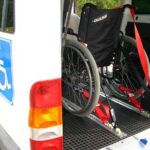
I also like the practical side: you’re collected from Krakow (pickup is optional depending on what you choose) and moved in an air-conditioned minivan. Between the drive and the museum’s own visitor flow, that comfort and predictability matter more than you’d think on a 7-hour outing.
The emotional weight is real. You should plan for a day that may feel long even if everything runs on time. If you’re sensitive to heavy history topics, or you’re going with someone who struggles with intense content, consider the timing and whether you can pause when needed.
Other Auschwitz I and Birkenau combined tours in Krakow
Getting to the memorial: what the 7-hour timeline feels like
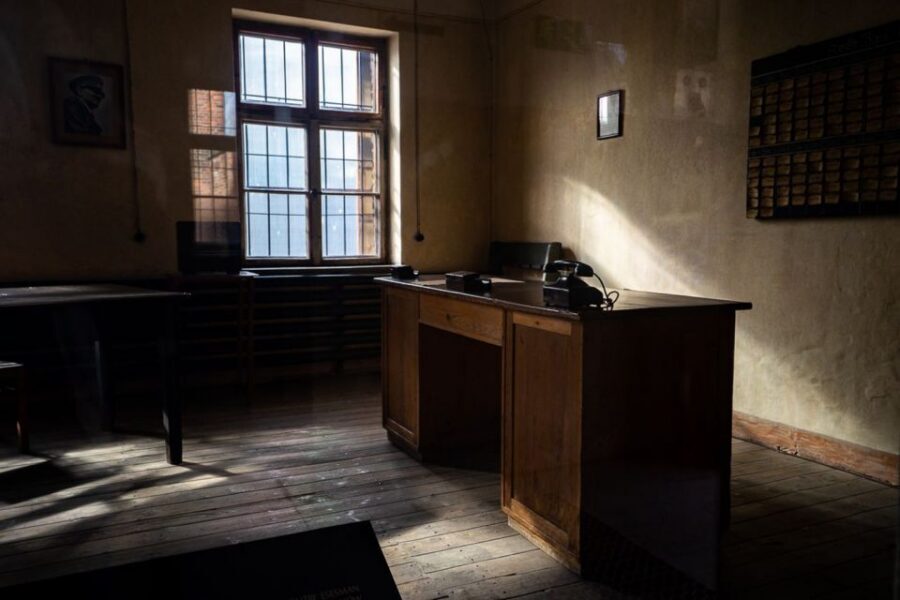
The tour is listed as about 7 hours, with driving time and two museum sections. Expect roughly 1.5 hours by coach/bus to reach the site, plus a return drive later. Inside the camps, the memorial sets the visitor service pace, so your schedule is “planned,” but not fully guaranteed minute-by-minute.
There are break points built in: a short break around the main memorial area, then a break at Birkenau before the second guided block. You’re also given headset equipment, which is helpful because the grounds are large and there’s a lot to hear and remember.
One more practical note: the preferred tour time isn’t guaranteed. If the museum shifts your slot, the operator contacts you the day before to confirm the new time, and that change isn’t treated as a reason for a refund. If you’re traveling with tight connections, keep some slack in your day.
Touring Auschwitz I: from Arbeit Macht Frei to the “prison within a prison”
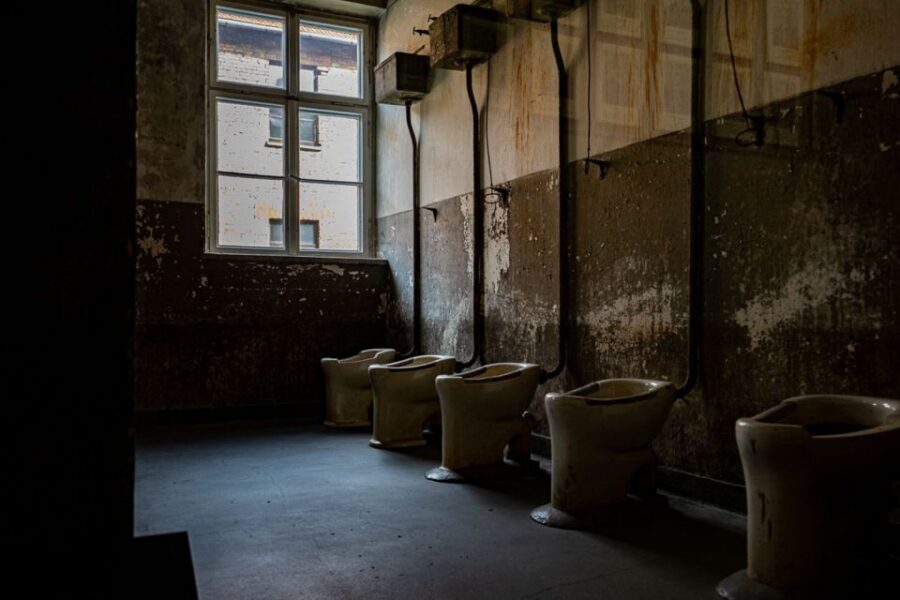
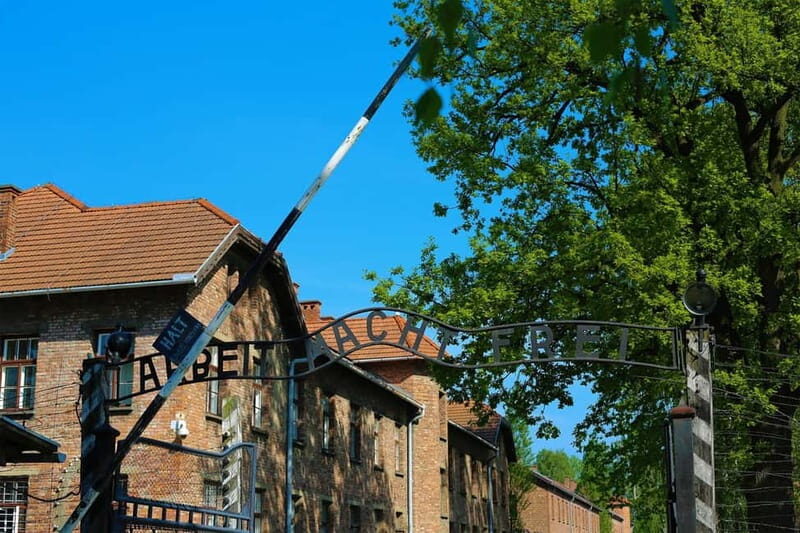
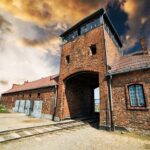
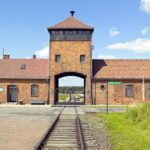
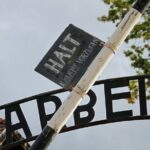
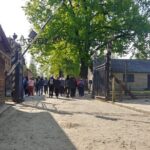
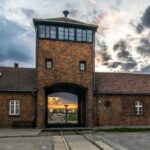
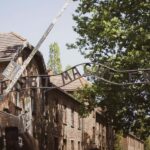
Auschwitz I is where the camps feel immediate and administrative—more compact, more architectural, and often easier to interpret because so much of the site’s meaning is concentrated in fewer steps. You enter through the gate with the slogan Arbeit Macht Frei (Work sets you free), a line that’s famous for how brutally it contrasts with what actually happened.
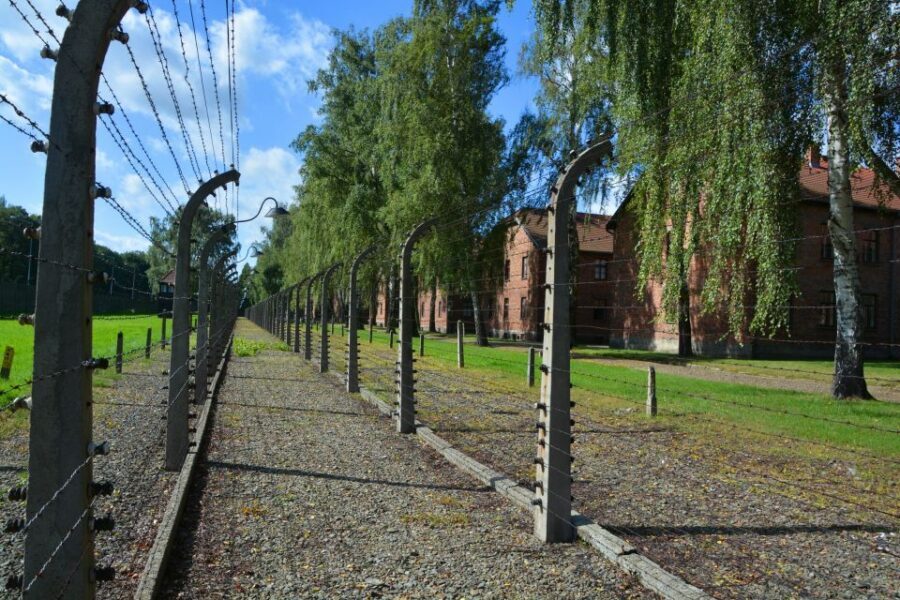
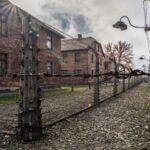
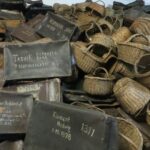
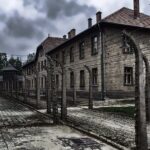
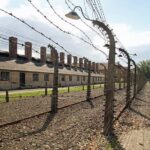
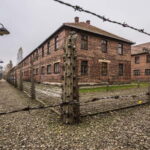
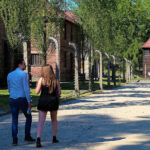
From there, the guided part focuses on the physical remnants that people often recognize from photos: the 22 brick barracks where prisoners were housed. Even if you’ve read about Auschwitz before, seeing the scale of the surviving structures changes how the story lands in your head. It’s not just a concept; it’s a layout.
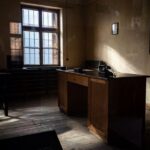
Then you move toward the section that many visitors find the hardest: Block 11. This “prison within the prison” is specifically associated with intensified punishment and torture, and your guide’s explanations matter here because the building’s purpose can be misunderstood without context.
Block 11: why this stop hits differently
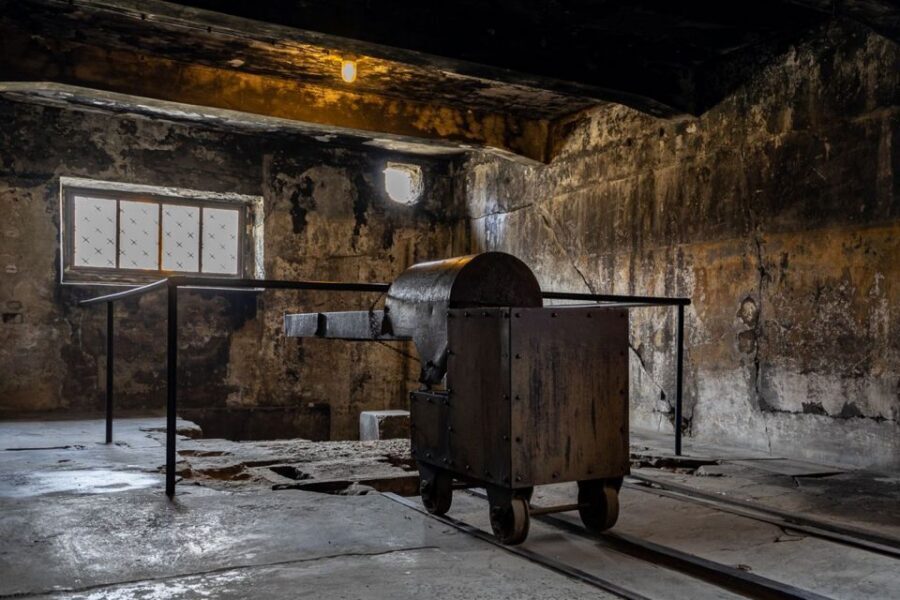
Block 11 is not presented as a general exhibit. It’s treated as a key piece of the camp’s machinery of control and cruelty. In this tour, you’re guided through the areas tied to special punishments and torture chambers.
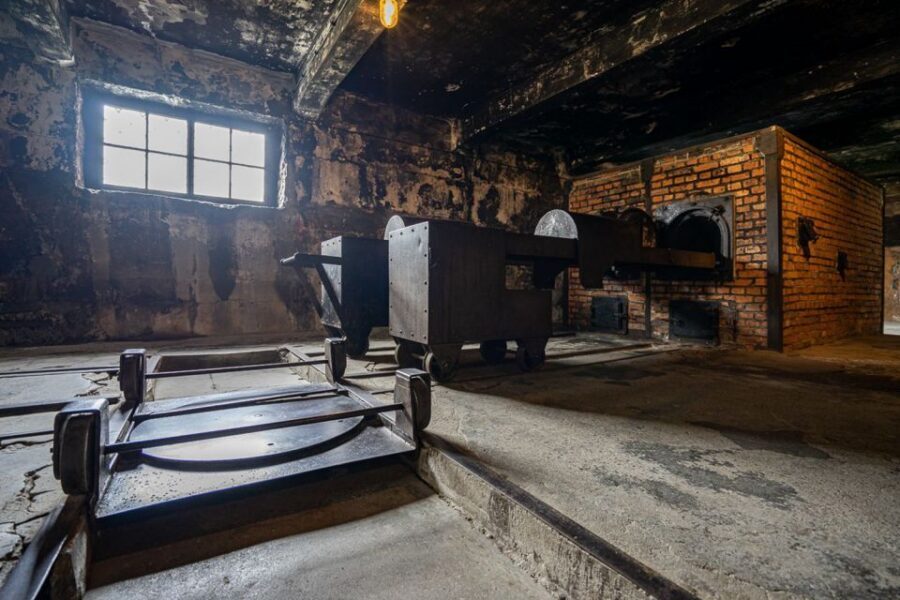
You’ll also hear the references linked to Zyklon B extermination attempts connected to Auschwitz I. And at the end of the camp area, there are the remaining structures still standing—described here as the only crematorium and gas chamber that remain.
This is one of those moments where the guide’s role is essential. You’re standing in a place designed for terror, and the emotional reaction can easily drown out details. A good guide helps you slow down and understand what you’re looking at: what it was used for, why it mattered, and how it fits into the larger system.
Moving to Auschwitz II Birkenau: scale that’s hard to picture
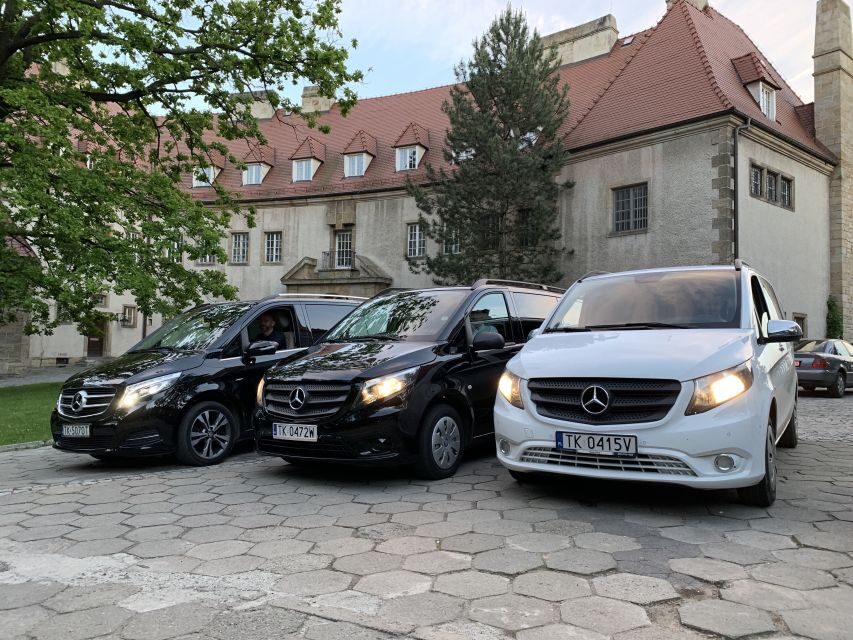
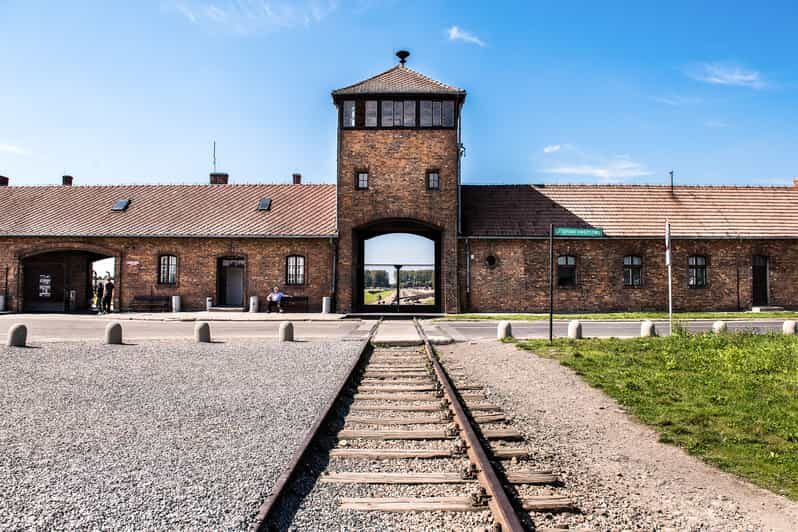
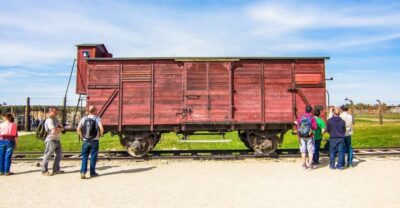
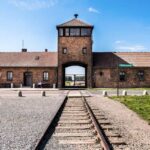
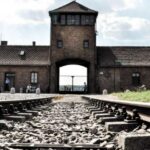
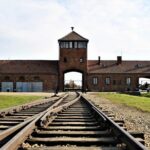
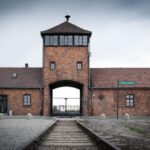
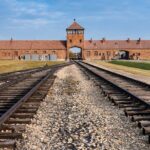
After Auschwitz I, you transfer by minivan to Birkenau. This is the “big” camp. In plain terms, it’s 25 times larger than Auschwitz I, and it’s presented as the largest camp within the overall system.
That scale is not just a fact—it changes how you experience the tour. In Birkenau, the distance between points can make the day feel longer, and the visual emptiness in some sections can be unsettling because you’re looking at what’s left after an industrialized destruction process.
The tour also emphasizes what happened here in terms of loss: over 1 million people died at Birkenau. Your guide’s job is to connect that number back to the site itself, so it doesn’t stay as an abstract statistic.
Other Auschwitz tours from Krakow in Krakow

Birkenau guided tour: what you should focus on during the 1.5 hours
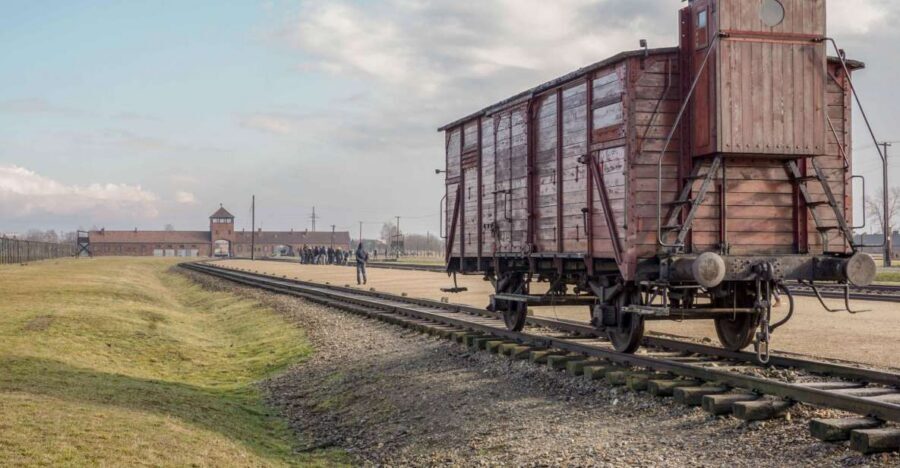
The Birkenau guided portion is about 1.5 hours, with a break beforehand. That time window is realistic: enough to make sense of the main areas, not enough to “wander.” If you want to remember the layout, lean on the guide’s pacing rather than trying to self-tour.
This is where I’d focus on three things while you listen:
- How the camp’s design supported mass processing and confinement
- What the remnants tell you (and what they can’t)
- How the scale influences the story—because the camp wasn’t built for normal human use
Many people find that the guide’s explanations are what turns the physical space into meaning. In recent departures, guides such as Monika and Joanna have been praised for being detailed and passionate, and Jakob for strong explanations. That quality matters most at Birkenau, where the sheer size can make it easy to feel overwhelmed.
Memorial time: paying respects before heading back
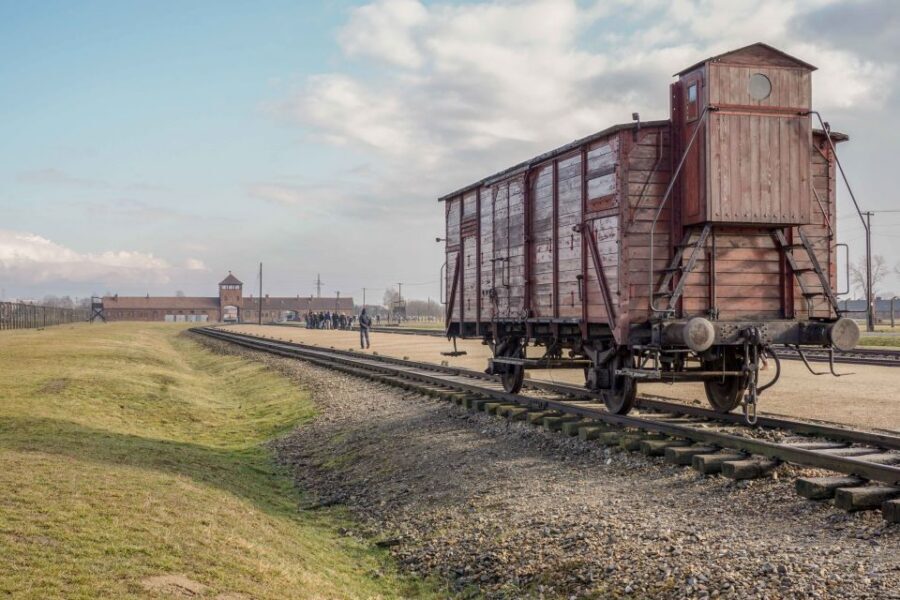
At the end of the Birkenau segment, the tour includes time for a memorial moment—paying respects before you start the return trip to Krakow. This isn’t presented as an optional side stop. It’s part of how the experience is framed: not just sightseeing, but remembrance.
If you need a quiet minute, this is usually where you can take it. I’d treat this part of the day as its own “anchor,” separate from the harder interpretive parts you just covered.
Transportation comfort and the real question: can you handle the walking?
You’re touring two major areas on one day, and both involve walking. The pace and duration are set by the memorial visitor service, so the “7 hours” is a schedule target, not a guarantee that you’ll be at a comfortable break every 20 minutes.
A couple of practical packing tips come directly from the rules and the day’s reality:
- You need an ID card or passport
- You can’t bring alcohol or drugs, and explosives are not allowed
- Sleeveless shirts are not allowed
- Bags bigger than 20x30x10 cm aren’t allowed in the museum
Comfort matters. Wear trainers or boots you don’t mind walking in for most of the day. One consistent theme from participant comments is that the day is smooth and well organized, but the walking is still there, and you’ll want your feet ready.
For hydration and basic comfort, plan ahead. Even in cold weather, you’ll likely feel better bringing water and staying loose with layers.
What language you’ll get and why headsets matter
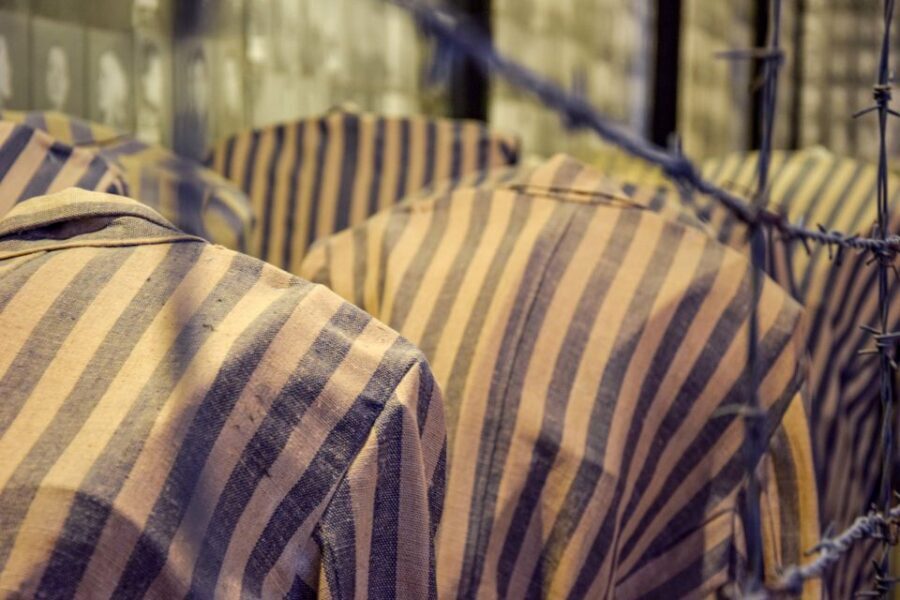
This tour offers live guides in German, English, and French, depending on the option you book. It also includes headsets, which helps a lot in a place where sound can get lost and you’re moving across wide areas.
From the feedback, the best guide performance is less about reciting facts and more about answering questions clearly and explaining significance in a way you can actually use. Monika and Joanna are specifically praised for knowledge and helpful answers, while Jakob is praised for passion and strong English.
If you’re the type who wants a step-by-step story (not just “facts on a board”), this tour format fits you well. If you prefer lots of visuals or documentary-style context, you might find the museum experience relies more on the site and exhibits than on big media presentations. One participant even wished for more video context, which is a useful heads-up if that would affect your learning style.
Price and value: what $89 buys you in practice
At $89 per person for a 7-hour outing, you’re paying for more than entry fees. You’re getting:
- Round-trip transportation from Krakow in an air-conditioned minivan
- Entrance fees for both Auschwitz I and Auschwitz II
- A licensed local guide for both guided portions
- Headsets to hear clearly
- Skip-the-ticket-line access
To judge value, compare what it would cost to recreate all of that yourself: transport, entry fees, and the “two-camp guided interpretation” that makes the sites understandable. The guide is what transforms the day from stressful wandering into a coherent story you can take home.
This is also a non-refundable experience. Since tickets are non-refundable and name matching is required for entry, I’d buy only if your schedule is solid.
Who this tour is best for—and who should reconsider
This is best for adults and older teens who are ready for intense WWII history and a serious, structured visit. The tour explicitly notes it’s not recommended for children under 14, which is a good rule of thumb given the subject matter and the emotional intensity.
You’ll likely enjoy this tour if you:
- Want a guided, two-camp day rather than a pick-and-choose plan
- Prefer organized timing and clear explanations
- Appreciate skip-the-line entry and headset support
You might reconsider if you’re traveling with someone who can’t handle graphic, emotionally charged content, or if you’re trying to squeeze Auschwitz into a day with tight transit connections where a time change would cause trouble.
Should you book this Auschwitz-Birkenau full-day guided tour from Krakow?
If you want one dependable day that covers both Auschwitz I and Birkenau with a licensed guide, I’d say yes. The pricing looks fair for what’s included—transport, entrance fees, headset support, and structured guided time in both camps.
Book it if you can respect the rules (ID matching, bag limits, and clothing), and if you’re ready for a heavy experience that’s more about remembrance than tourism. Skip it if your schedule can’t handle museum time changes, or if you need a lighter-content introduction to WWII history first.
In the end, this isn’t a “fun day.” It’s a precise one: you leave with a clearer understanding of how the system operated, and you spend your attention where it matters.
FAQ
How long is the Auschwitz-Birkenau full-day guided tour from Krakow?
The duration is listed as about 7 hours. Exact timing can shift because the memorial controls visitor service scheduling, and the operator may contact you the day before to confirm a new time.
Does this tour include pickup and drop-off?
Yes. Pickup and drop-off are included, and pickup may be from your accommodation in Krakow depending on the option you select.
Will I get a guided tour at both Auschwitz I and Auschwitz II Birkenau?
Yes. You visit Auschwitz I first with a guided tour (about 105 minutes), then you go to Auschwitz II Birkenau for another guided tour (about 1.5 hours).
What language are the guides?
The live tour guide language is available in German, English, and French, depending on the option you book.
What do I need to bring, and what are the main restrictions?
Bring a passport or ID card. You’re not allowed to wear sleeveless shirts, and you can’t bring alcohol or drugs. Bags bigger than 20x30x10 cm are not allowed in the museum.
Is this tour suitable for children?
It’s not recommended for children under 14 years old.