REVIEW · KRAKOW
Krakow: Auschwitz-Birkenau Self-Guided Tour with Tour Leader
Book on GetYourGuide →Operated by Time4Krakow Tours in Kraków · Bookable on GetYourGuide
A quiet bus ride ends in history. This day trip from Krakow to Auschwitz-Birkenau is powerful because you get transport plus museum entry and still move through the sites at your own pace with an English self-guided book and map. I also like that the setup is practical: express security and clear pickup/drop-off points. One thing to keep in mind: the Auschwitz II-Birkenau portion can feel time-tight depending on the day’s schedule.
This is not a fast sightseeing hit. You’re going to walk, read, and pause. The experience is built around respect and reflection at two key places—Auschwitz I and Auschwitz II-Birkenau—so the value is less about ticking boxes and more about getting you there smoothly, so you can focus on what you’re seeing.
In This Review
- Key takeaways before you go
- Getting From Krakow to Oświęcim: pickup points and that 7-hour rhythm
- Express security and your English host: how the day stays organized
- Auschwitz I: the 1.5 to 2 hours that sets the emotional context
- Auschwitz II-Birkenau in the posted schedule: ramp, crematories, and that monument
- Self-guided with a booklet: how to pace yourself without feeling lost
- What to pack, what to avoid, and how to handle crowds respectfully
- Price and value: what $18 covers and what it doesn’t
- Who should book this Auschwitz-Birkenau day trip from Krakow
- Should you book this Krakow Auschwitz-Birkenau tour?
- FAQ
- How long is the Auschwitz-Birkenau trip from Krakow?
- Where do I get picked up in Krakow?
- What are the drop-off locations back in Krakow?
- Is this tour self-guided?
- Is there a live guide during the visits?
- What’s included in the price?
- What is not included?
- What language is available for the tour?
- What do I need to bring and what should I avoid?
- Is it wheelchair accessible and are there age limits?
Key takeaways before you go
- Express security check helps you start sooner and reduces time in queues
- Self-guided book + map means you can set your own pace and spend extra time where it hits hardest
- Two camp stops in one day gives you both contexts: Auschwitz I’s preserved camp areas and Auschwitz II-Birkenau’s larger site
- English greeter/host and WhatsApp updates keep the day on track when timing shifts
- Comfortable shoes matter because you’ll do real walking across preserved grounds
- Not for kids under 12 if you’re traveling as a family, plan accordingly
Getting From Krakow to Oświęcim: pickup points and that 7-hour rhythm
The whole day runs about 7 hours. That’s long enough to give you both camps, but it’s not long enough to wander like you’re on a leisurely city stroll. The structure is clear: you leave Krakow, travel to the museum area, visit the camps, then return.
Pickup is set up with three options in Kraków: Pawia 18, Old Town (Pawia 18 area), and Pawia 18B. If you choose 18B Pawia Street, there’s a Kiss and Ride spot where the bus waits. I like this because it removes the guesswork. You know where to be, and you know where the day begins.
Once you’re on board, the bus ride is about 1.5 hours each way. Inside the museum area, you’ll have a short transfer (the schedule lists about 5 minutes) between camp sections. Translation: you spend most of your time where it matters, not stuck on the road.
Other Auschwitz I and Birkenau combined tours in Krakow
Express security and your English host: how the day stays organized
Getting into Auschwitz-Birkenau is one of those travel moments where organization matters. You’ll use an express security check, which is designed to help you skip a chunk of the typical waiting. Still, security can be busy during peak periods, so I’d treat the start time as “right on time, but be patient” rather than “instant.”
You’ll have an English host or greeter, and communication runs through WhatsApp. That part matters more than it sounds. The start time you book is listed as approximate, and the plan can adjust with timing and seasonal factors. Checking your WhatsApp messages before pickup is one of the easiest ways to avoid a stressful scramble.
Bring a passport or ID card. Wear comfortable shoes because your feet will do a lot of work on uneven, preserved ground. Also plan for the fact that the trip happens in all weather conditions—rain, snow, sun. Poland weather can change fast, and the sites don’t care about your umbrella plans.
Auschwitz I: the 1.5 to 2 hours that sets the emotional context
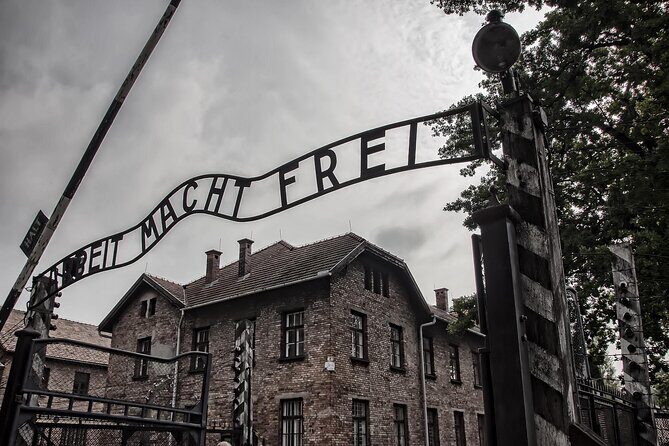
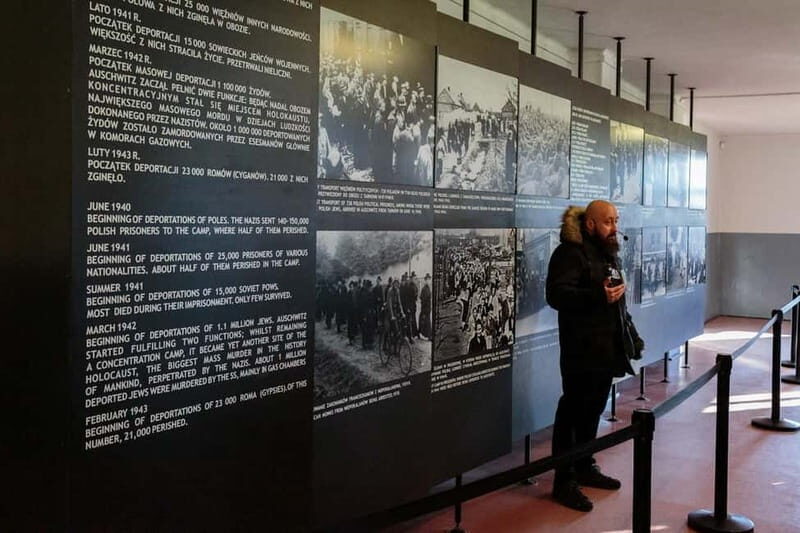
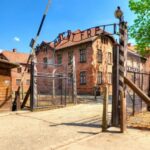
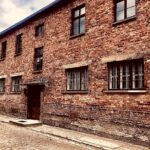
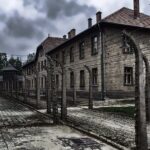
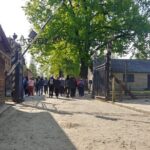
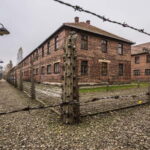
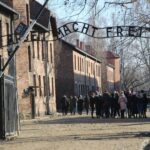
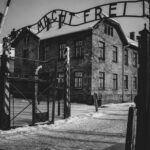
Auschwitz I is where the day starts to lock in emotionally. You’ll spend about two hours here in the first block, and the main focus is the preserved camp areas and a permanent exhibition housed in former prisoner barracks.
What I like about this first stop is that it gives you a way to understand what you’re looking at before you move to the larger Auschwitz II-Birkenau site. The exhibitions are meant to show the brutal reality of the camp system—so you’re not just staring at buildings. You’re trying to connect the physical place to the documented history.
This portion is self-guided, using your included book and map. That means you’re free to linger where something lands with you. It also means you should budget your own energy. If you rush, you lose the chance to make sense of what you’re seeing.
One practical caution: there’s no flash photography allowed. It’s a sensible rule, but it also means you can’t use your camera to “get through” the hard parts quickly. Your eyes and reading have to do the work.
Auschwitz II-Birkenau in the posted schedule: ramp, crematories, and that monument
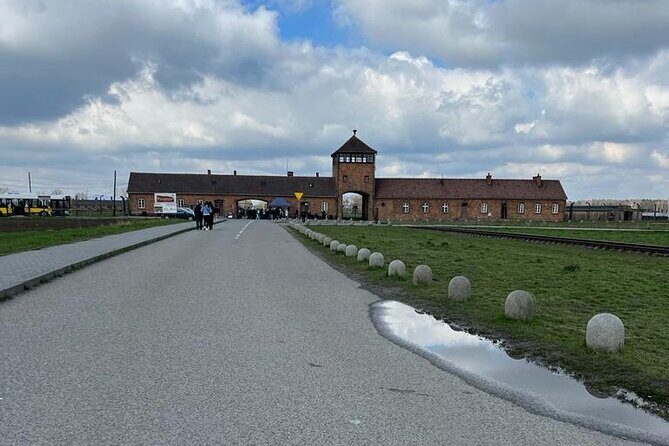
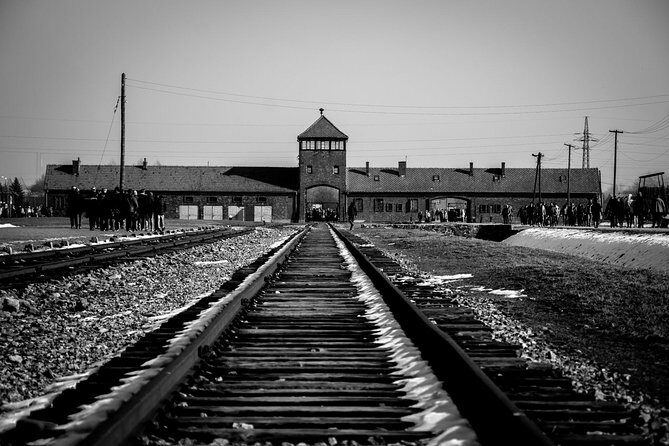
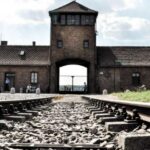
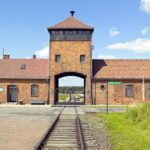
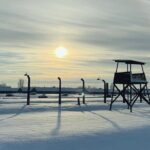
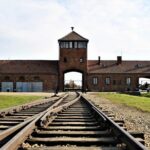
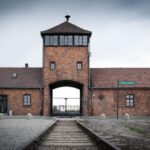
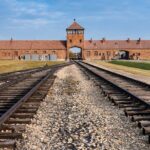
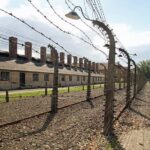
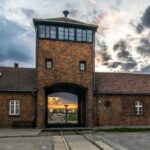
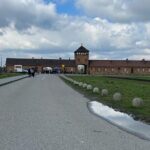
Auschwitz II-Birkenau is the bigger, more open site—and it can be overwhelming. The goal here is memory and witnessing, not convenience. You’ll visit preserved remnants connected to the camp’s operations: crematories, the unloading ramp, additional barracks, and a monument dedicated to the camp’s final victims.
Here’s the honest time consideration: the description talks about around two hours, but the posted schedule lists about 50 minutes for Auschwitz II-Birkenau. That difference is important for your expectations. If you want slow walking, multiple viewpoints, and time to read carefully, you may feel a squeeze on the second camp.
Daylight can also make a difference. I’ve seen situations where later-than-expected departures shorten what people can comfortably cover at Birkenau. So do yourself a favor: treat the day’s timing as flexible, and arrive mentally ready to focus on what’s in front of you rather than trying to do everything.
Self-guided with a booklet: how to pace yourself without feeling lost
This experience is truly self-guided on-site. You’re given a book and map in your chosen language, and the idea is that you can process what you see at your own rhythm. I like this model for sites like Auschwitz-Birkenau because it avoids turning the experience into a checklist driven by someone else’s pace.
But don’t confuse self-guided with unsupported. The day includes transportation, tickets, and a greeter/driver who helps you understand how the flow works. From what I’ve picked up about this route, drivers often go beyond “here’s the bus” and explain the best way to navigate between camp areas and what to focus on. Names that have come up for this kind of help include Kris, Marcel, Kuba, and Jacob—people praised for explaining the process clearly and making sure you don’t waste time figuring out where to go next.
My practical advice: plan on doing more reading than photographing. Bring your attention down to the small decisions—where you stop, what you read first, and how long you stay when you feel pulled in a certain direction. That’s where self-guided can become more than “solo tourism.” It becomes a chance for real reflection.
Other self-guided Auschwitz visits in Krakow
What to pack, what to avoid, and how to handle crowds respectfully
Pack for a long, all-weather walking day: comfortable shoes top the list, then weather-appropriate clothing. Even if the morning looks fine, you’re outside on the preserved grounds.
Rules are straightforward:
- No flash photography
- No alcohol and drugs
Age also matters. This tour is not suitable for children under 12. If you’re traveling with younger kids, plan something else for this day, because the content and environment are not a good fit.
Crowds are a reality. The express security check helps, but during busy periods you can still lose time at the beginning. I’d rather you plan for that possibility than get irritated if you find yourself standing longer than you hoped. When crowds build, your best move is to stick to your own pacing inside the sites, rather than trying to match someone else’s step count.
Price and value: what $18 covers and what it doesn’t
The price is listed as $18 per person, which sounds almost too low until you look closely at what’s included. You’re getting entry tickets, transportation from Krakow, plus a guidebook and map in your chosen language. For a day that includes two major camp areas, that combination is where the value lives.
What’s not included: food and drinks, and there’s no live tour guide inside the exhibits. That’s normal for a self-guided format, but it affects how you should budget your day. Bring a plan for lunch breaks or snacks, or at least be ready to buy something before/after, since you won’t have meals included.
Also note that tickets to the museum are non-refundable due to requirements. This is one of those “read before you book” points. If your dates are extremely shaky, double-check your confidence in keeping them. The good news is that you do have flexibility around the booking window: the activity lists free cancellation up to 24 hours in advance and reserve now & pay later.
One more value-related detail: the museum provides free entry passes for individual visitors without educators, according to official museum regulations. Since this tour includes tickets, you may not need to think about that rule for your own access. Still, it’s worth being aware in case you’re comparing options and how individual entry works.
Who should book this Auschwitz-Birkenau day trip from Krakow
Book this if you want:
- Reliable transportation out of Krakow and back
- Guaranteed museum entry
- A self-guided format that lets you stop, read, and reflect without a script
- An English experience with a greeter/host and practical communication via WhatsApp
Skip it if you’re hoping for a fully guided, commentary-heavy museum experience all day. This format gives you a booklet and map, but the on-site pace is yours.
It’s also a good fit if you can handle a solemn, emotionally intense day without needing constant conversation to get through it. You’ll get respect in the structure: no flash, no distractions, and time spent where it matters.
Should you book this Krakow Auschwitz-Birkenau tour?
Yes, if your top priority is a smooth, organized way to get to Auschwitz-Birkenau from Krakow without turning it into a rushed group tour. The $18 price makes sense here because you’re paying for real value: transport plus entry tickets plus the self-guided materials.
I’d book with one expectation set: the experience is meaningful, but the timing isn’t built for slow wandering at every stop. Plan to read carefully where you can, and accept that the second camp may feel tighter than you’d like.
If you can do that, you’ll use the day the way it’s intended—less about speed, more about presence. And that’s what turns a difficult visit into a respectful one.
FAQ
How long is the Auschwitz-Birkenau trip from Krakow?
The duration is listed as 7 hours.
Where do I get picked up in Krakow?
Pickup options include Pawia 18, Kraków Old Town, and 18B Pawia Street. The bus waits at the Kiss and Ride area at 18B Pawia Street.
What are the drop-off locations back in Krakow?
Drop-offs are listed as Kraków Old Town and Floriana Straszewskiego 17.
Is this tour self-guided?
Yes. You’ll visit the sites as a self-guided tour using the provided book and map.
Is there a live guide during the visits?
The experience includes an English host/greeter, but the visits are described as self-guided, not a fully live-guided museum tour.
What’s included in the price?
Included are entry tickets, transportation, and a guidebook (book) and map in your chosen language.
What is not included?
Food and drinks are not included, and there is no hotel pickup and drop-off.
What language is available for the tour?
The tour is listed as English.
What do I need to bring and what should I avoid?
Bring passport or ID card and comfortable shoes. You must not use flash photography and you must avoid alcohol and drugs.
Is it wheelchair accessible and are there age limits?
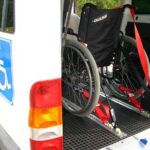
It is listed as wheelchair accessible, and it is not suitable for children under 12.