REVIEW · KRAKOW
From Krakow: Auschwitz-Birkenau Camp Complex Guided Day Trip
Book on GetYourGuide →Operated by Cracovia Viaggi Local Tours. · Bookable on GetYourGuide
Few places feel this heavy. This Auschwitz-Birkenau day trip from Krakow gives you an Italian guided tour that connects the camps’ purpose with the human traces left behind. I also like that the private transportation keeps the day organized, so you’re not juggling buses while your mind is busy processing what you’re seeing.
You’ll spend focused time inside Auschwitz I and then move to Birkenau, with your guide explaining how the system worked and what different parts of the complex were for. I especially like the way the tour points you toward the daily-life details—things people left behind that make the history more than dates.
The main drawback is the intensity: you’ll be walking and standing through a difficult memorial setting, so comfortable shoes and a calm pace matter.
In This Review
- Key highlights worth your attention
- Krakow Pickup to Auschwitz: Why the Ride Matters
- Auschwitz I: The Gate, the Barracks Story, and the First Shock of Scale
- Inside the Blocks: Everyday Items That Turn Numbers Into People
- Birkenau (Auschwitz II): Moving From Documentation to the Deadliest Machinery
- Monowitz and the Daily Reality of Survival
- Timing, Comfort, and What to Bring for a 7-Hour Day
- Private Transportation and On-Site Assistance: The Value Behind the $83
- Italian Guide, Optional Italian Audio, and How to Use Them Well
- Punctual Pickup and a Day That Stays on Rails
- Who Should Book This Auschwitz-Birkenau Day Trip?
- Should you book? My practical call
- FAQ
- How long is the Auschwitz-Birkenau day trip from Krakow?
- How much does it cost?
- What language is the guide?
- Is food included?
- What do I need to bring?
- What are the main rules on site?
Key highlights worth your attention
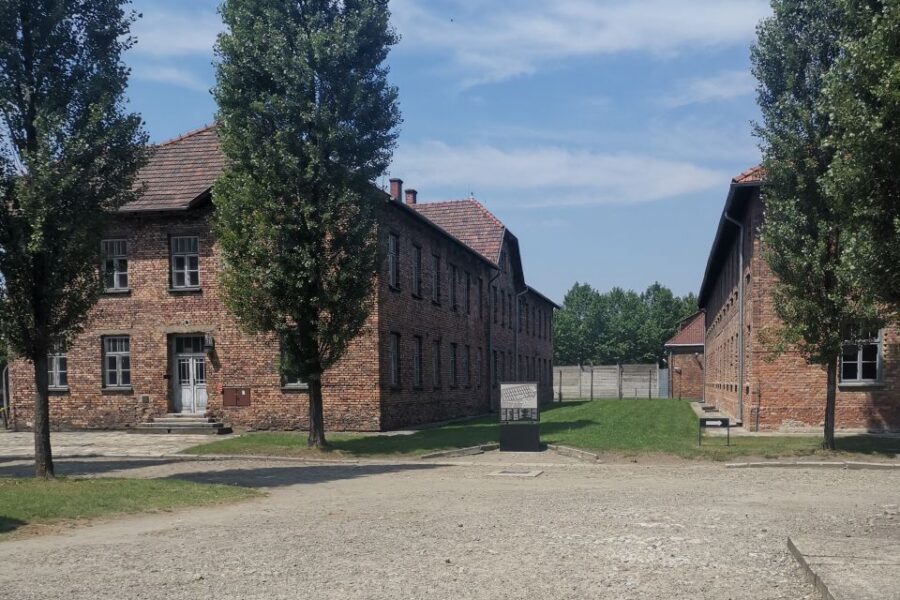
- Auschwitz I explained beyond the basics: you’ll learn the camp’s origins and what it was used for before, including its earlier use as barracks for the Polish military.
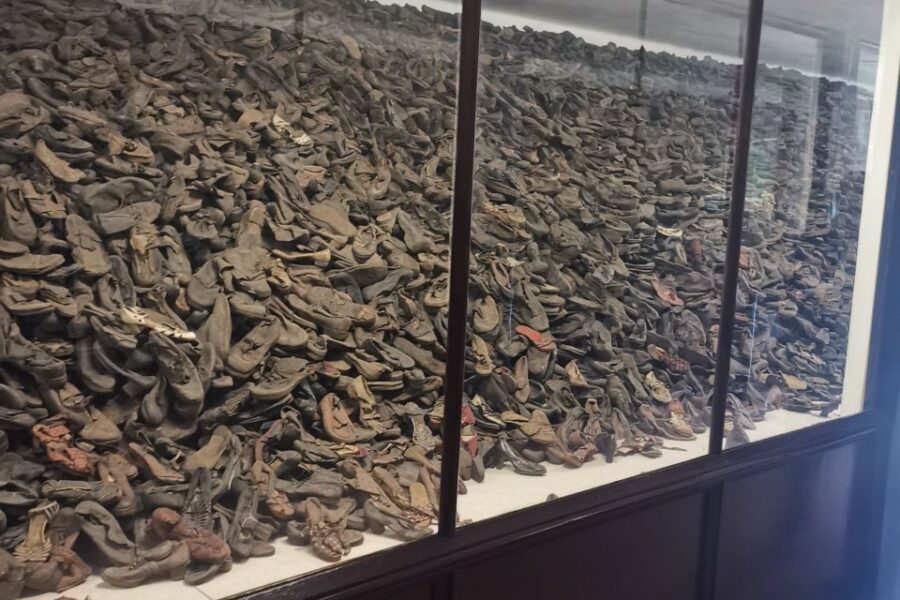
- Artifacts that hit differently: photographs, documents, shoes, suitcases, and glasses help you understand what prisoners were stripped of and what they tried to keep.
- Birkenau with the memorials in mind: you’ll see the gas chambers and crematoria and then move through the remembrance spaces built around the victims.
- Monowitz context you can actually understand: even if you’re not focused on one single site for it, your guide brings in what survival could look like in daily routines at Monowitz.
- Punctual, tight on logistics: pickup details come via WhatsApp, and the team works to keep everyone together.
Krakow Pickup to Auschwitz: Why the Ride Matters
This trip starts with pickup in Krakow, and that first transfer is more than just getting out of town. Your guide uses the ride time to set the framework—how Auschwitz-Birkenau fits into the Holocaust, and what the different parts of the complex were designed to do.
You’ll ride about 45 kilometers to reach Auschwitz, and because it’s private transportation, the day stays smooth. Your exact departure time is communicated by WhatsApp the day before the visit (by 6:30 pm), including a photo of the vehicle pickup and its name—useful if you’ve ever shown up at the right place, but the wrong bus.
One practical tip: plan to arrive for pickup with a bit of buffer. You’re heading into a controlled memorial visit, and settling in early makes everything less stressful later.
Other Auschwitz I and Birkenau combined tours in Krakow
Auschwitz I: The Gate, the Barracks Story, and the First Shock of Scale
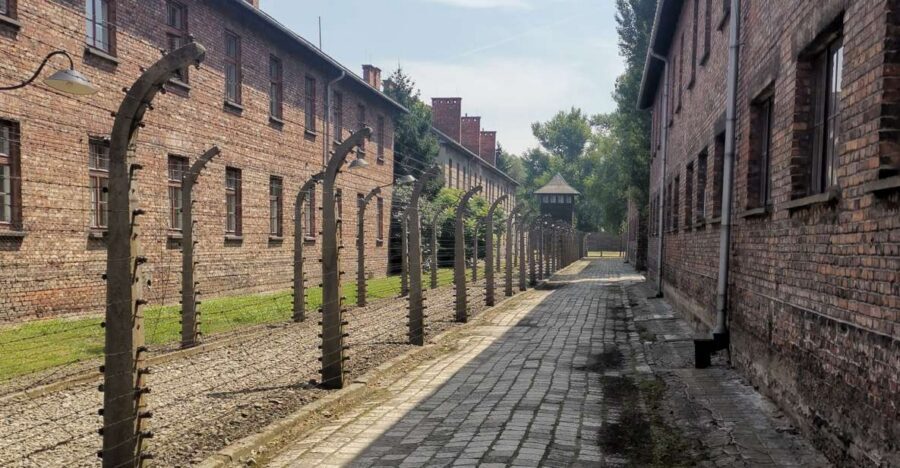
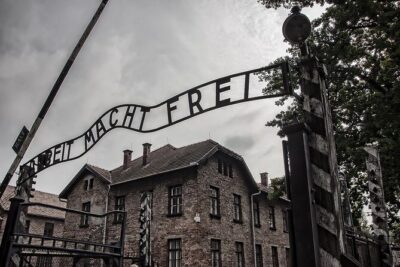
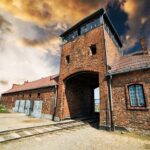
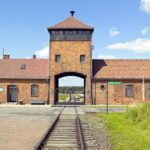
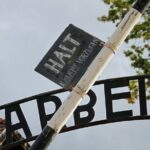
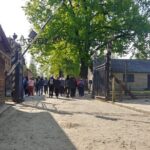
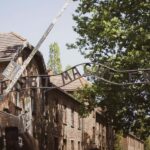
When you arrive at Auschwitz I, the experience starts with symbolism. At the entrance, you’ll see the gate with Arbeit macht frei over it. It’s the kind of detail you’ve probably heard about in history class, but seeing it in place changes the feeling immediately—like the site is speaking before you even start walking.
Your guide explains the camp’s origins and roles, including its earlier use as barracks for the Polish military. That context matters because Auschwitz wasn’t created in a vacuum. You learn how institutions were repurposed, and how quickly a system of oppression became an organized machine.
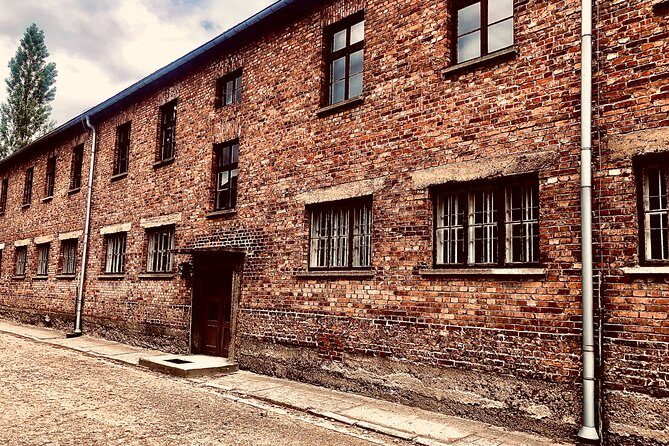
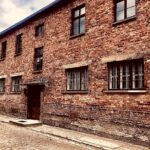
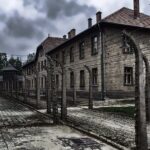
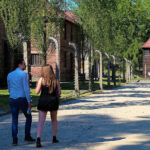
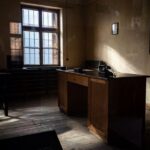
Then you move through the prisoner blocks, now used as exhibition spaces and filled with artifacts and personal effects left behind. This is where your guide’s pacing is important: they don’t treat the visit like a checklist. Instead, the story is built through objects that survivors and victims didn’t get to carry with them.
Inside the Blocks: Everyday Items That Turn Numbers Into People
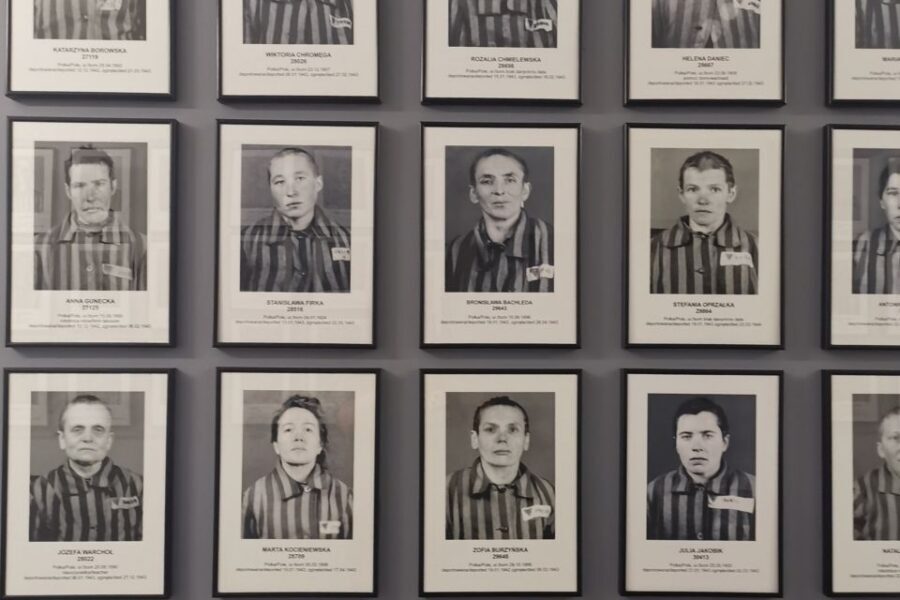
Auschwitz I is often described in terms of what happened there, and it’s rightly serious—but what really strengthens this tour is the attention to the everyday items.
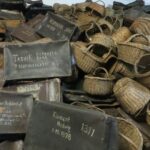
You’ll see photographs and documents, plus groups of belongings such as shoes, suitcases, and glasses. Your brain wants to categorize and count. Your guide helps you resist that urge by turning the objects into reminders of individuality and loss. That’s why the artifacts hit so hard: they’re mundane things—until they aren’t.
If you want this part to land, don’t race through it. I found it better to slow down at a few key displays and let the meaning build. Your guide’s explanation gives the context, but your body and eyes still need time to process what those items represent.
Also, remember you’re inside a memorial-adapted space. Flash photography is not allowed, and it’s worth treating the rules as part of the respect: keep your attention on the information and the quiet work of remembering.
Birkenau (Auschwitz II): Moving From Documentation to the Deadliest Machinery
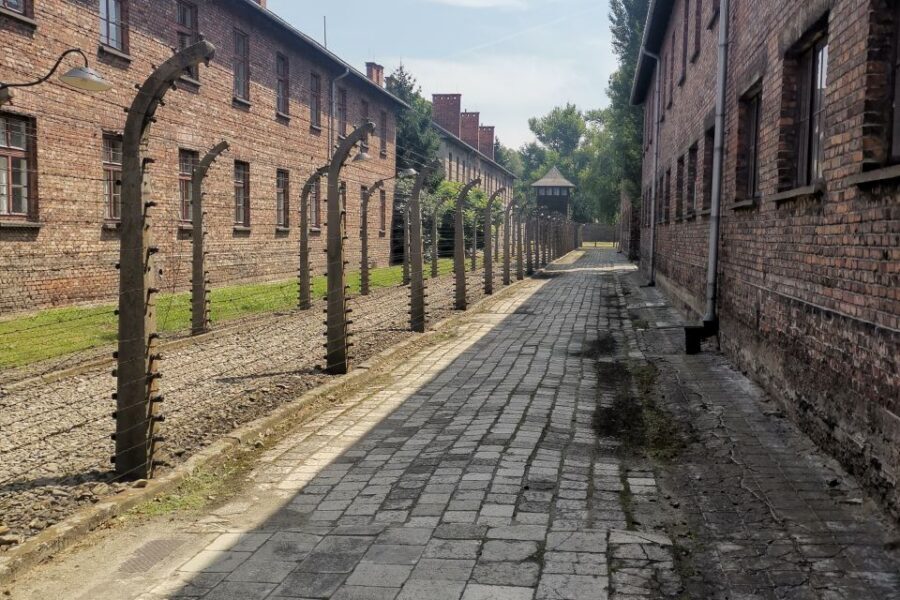
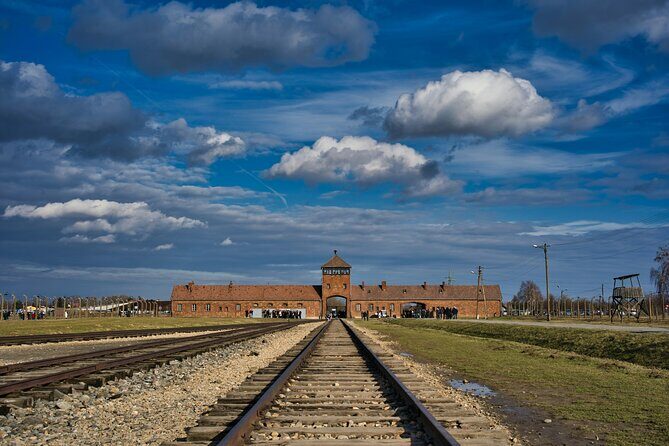
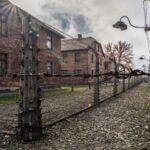
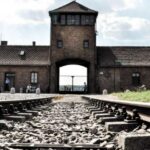
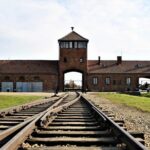
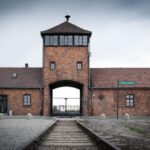
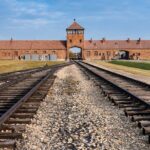
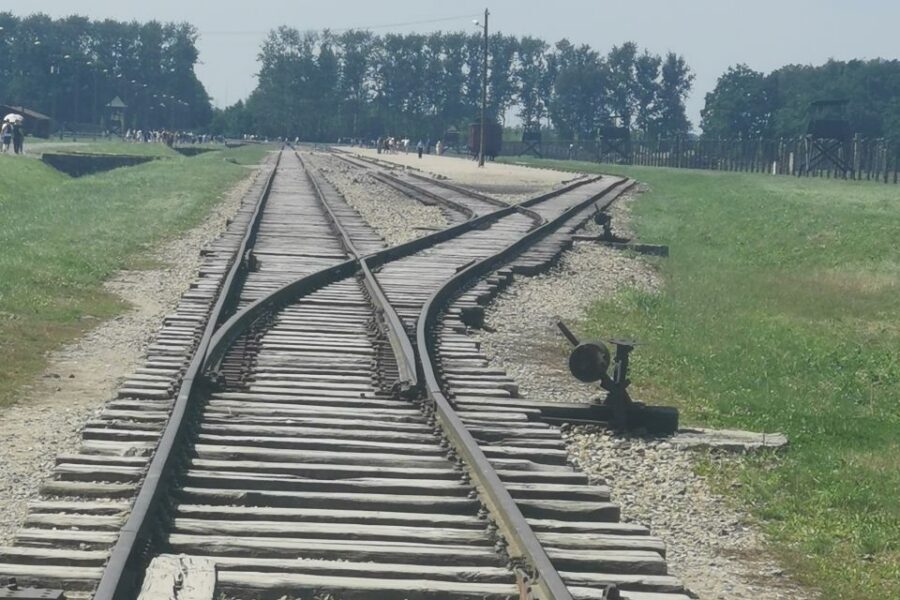
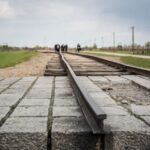
After Auschwitz I, you travel a short distance to Birkenau. This shift is big. Auschwitz I feels more enclosed and museum-like. Birkenau is more about scale—open areas, memorial pathways, and the way the complex stretches out.
Your guide brings you to the gas chambers and crematoria. You don’t need extra dramatics here; the facts are the impact. The value of a guided tour is that you’re not left alone with a site you might not fully understand. You get explanations of how the complex functioned, and what you’re looking at as you walk.
Then comes an important part that I really appreciated: the tour slows down for remembrance. You make your way around the memorials built across the complex, keeping the victims in mind as you go. This isn’t just a photo-stop circuit. It’s structured reflection after the hardest visuals.
Monowitz and the Daily Reality of Survival
One of the tour highlights focuses on how people survived in their day-to-day lives at Monowitz. You may not spend the entire day in Monowitz itself, but you will hear the story connected to it—how the broader system worked, and what survival could look like when life had been reduced to routines and forced labor.
That matters because it counters a common trap: visiting Auschwitz-Birkenau and thinking the story ends at deportation and death. This tour’s framing gives you a more complete picture. It helps you understand that the Holocaust was also about continual, organized cruelty—survival attempts inside a structure built to destroy.
If you care about understanding the system rather than just remembering images, this is a strong point in the experience.
Other Auschwitz tours from Krakow in Krakow

Timing, Comfort, and What to Bring for a 7-Hour Day
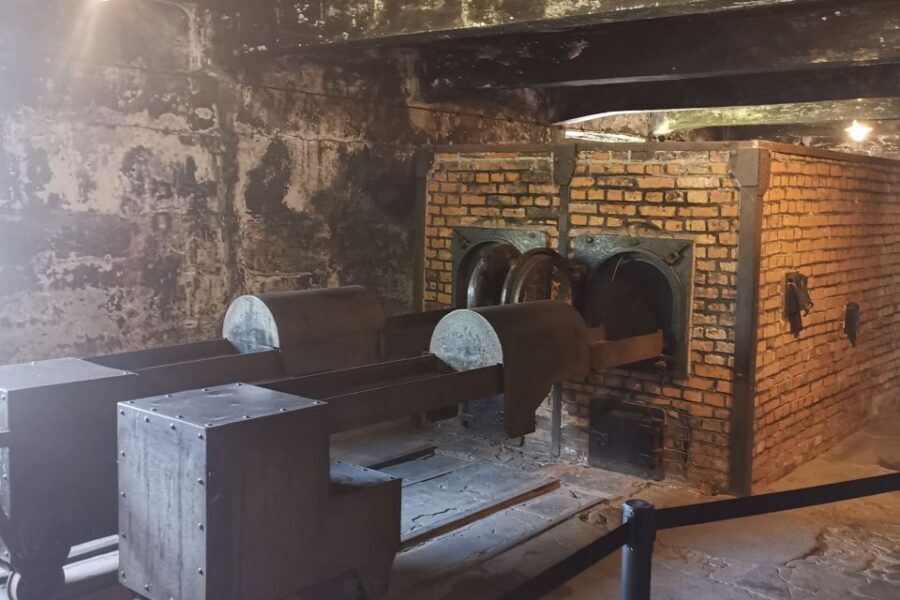
The total duration is about 7 hours. That’s not a long time for what you’re absorbing, so treat the day like a marathon of attention, not like sightseeing.
A few practical notes from the tour rules and what you’ll feel on-site:
- Bring a passport or ID card. You need it.
- Wear comfortable shoes. You’ll be walking through memorial spaces and exhibition blocks.
- Don’t bring oversize luggage or large bags. These sites have restrictions, and the visit is easier when you travel light.
- Smoking is not allowed.
- Pets aren’t allowed (assistance dogs are allowed).
- Flash photography is not allowed.
- Alcohol and drugs are not allowed.
If you’re sensitive to crowded spaces or emotionally intense environments, consider going in with a plan for yourself. Take short breaks when the route allows, and keep water in mind—just note that food and drinks aren’t included, so you’ll want to handle your own needs.
Private Transportation and On-Site Assistance: The Value Behind the $83
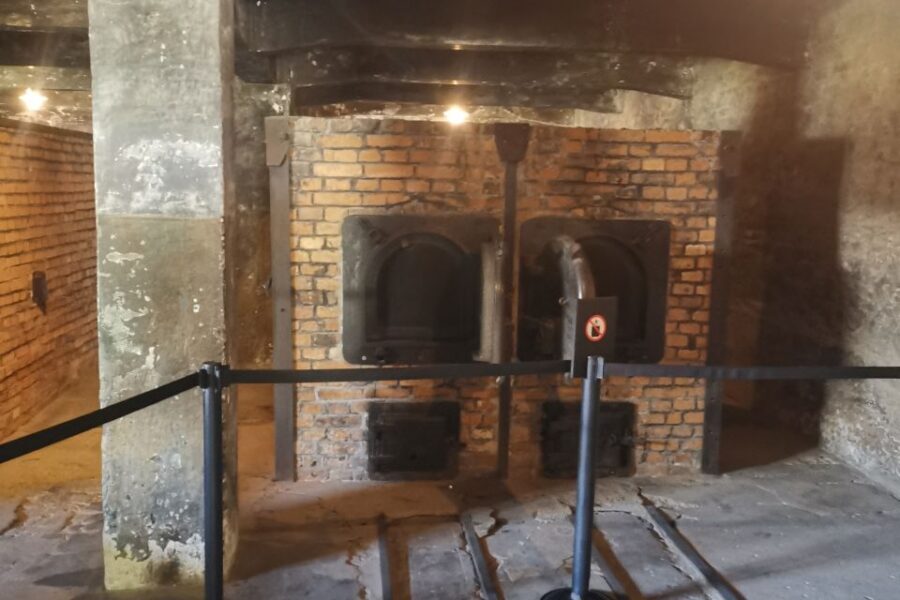
At $83 per person, this tour isn’t cheap, but it also isn’t random pricing. You’re paying for a bundle of real costs: entry tickets, private transportation, a guided tour, and on-site assistance.
Here’s how that adds up in practical terms:
- You’re not buying separate admission tickets and scrambling for a reputable guide at the last minute.
- Private transportation reduces friction. You go from Krakow to Auschwitz and back in one organized day.
- On-site assistance matters when you’re arriving at a large complex where rules, timing, and meeting points matter.
Where the value shows up most is in how the day stays controlled. You’re not just getting a ride—you’re getting a plan.
One more detail: the guide and optional audio are in Italian. If Italian is your comfort language, you’ll get the most out of the explanations. If you don’t read Italian, you’ll want to think about whether the Italian-only experience works for you, because the tour is designed around that language setup.
Italian Guide, Optional Italian Audio, and How to Use Them Well
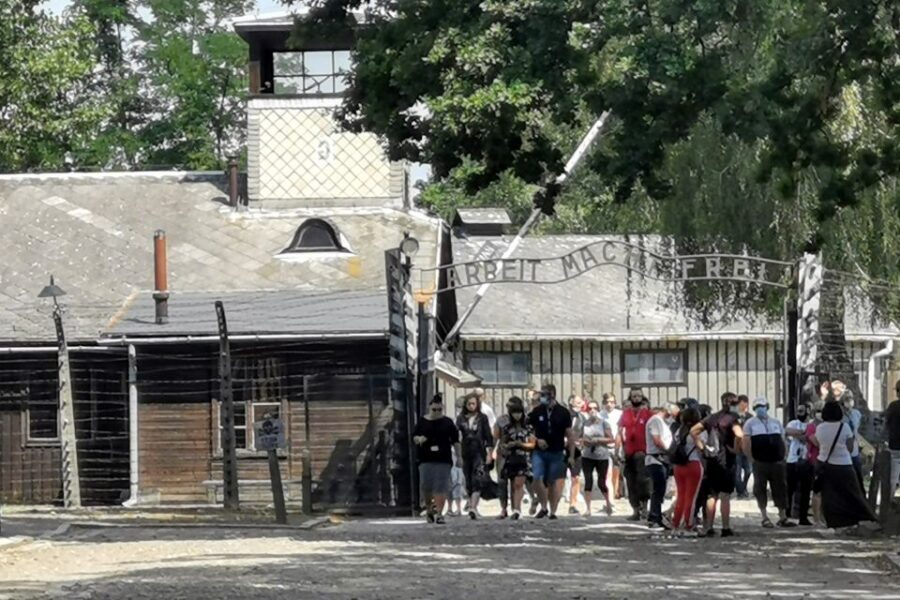
Your live tour guide is Italian, and there’s an optional audio guide in Italian too.
If you only understand some Italian, the audio might still be helpful for reinforcing key points—especially in exhibition rooms where you might want to reread the story with your own pace. If you’re fluent or near-fluent, you’ll probably enjoy the full arc: the origins and roles explained early, the artifacts interpreted through the guide’s narration, and the Birkenau visit tied to memorial reflection.
Either way, use the guide as your map. On your own, Auschwitz-Birkenau can feel like a collection of heavy rooms. With a guide, the sites connect into a clearer, more coherent narrative.
Punctual Pickup and a Day That Stays on Rails
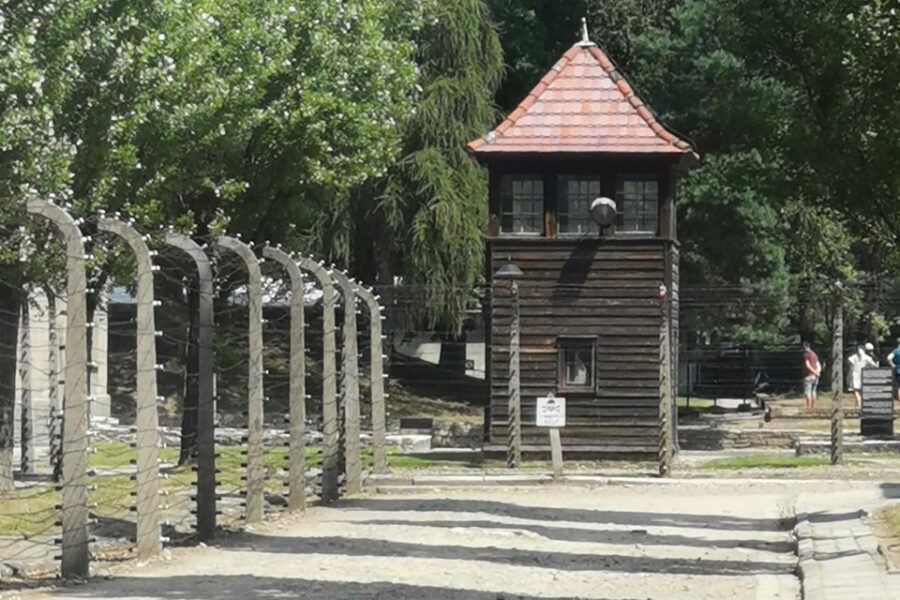
A detail I’d put on your checklist: the pickup and timing process is tight. You receive information in advance via WhatsApp, including the vehicle details, and the team checks that you’re all there. If you’re delayed, the staff works to keep the group together rather than letting the day unravel.
This matters because a site like this runs on schedules. Starting early is also a practical win. If you can enter early and avoid a long wait, you can spend your energy inside the memorial spaces rather than losing time at the gate.
Also, the day may be cold depending on season. In my experience, colder weather makes standing still feel longer. Dress for it. Layers help.
Who Should Book This Auschwitz-Birkenau Day Trip?
This tour is a strong fit if you:
- want an Italian guided explanation rather than self-guided wandering
- prefer a structured route: Auschwitz I first, then Birkenau
- care about how the complex worked, not just what happened in the abstract
- like reflection built into the schedule, not added later by you
It might be less ideal if:
- you need a language other than Italian for the main guidance
- you’re looking for a lighter, more casual day (this is emotional and demanding by nature)
- you don’t want to walk and stand through memorial areas for most of the day
Should you book? My practical call
If you’re visiting Krakow and you can handle a serious, guided memorial day, I think this is a solid choice. The price includes the tickets and private transport, which reduces stress, and the tour’s structure focuses on context, not just sightseeing. The standout part for me is the combination of artifacts you can see up close and the way the guide connects the story to survival realities like Monowitz.
Book it if you want clarity, pacing, and reflection. Skip it only if language is a barrier for you or if you know you can’t handle the intensity of Auschwitz-Birkenau in a single 7-hour window.
FAQ
How long is the Auschwitz-Birkenau day trip from Krakow?
The duration is 7 hours.
How much does it cost?
The price is $83 per person.
What language is the guide?
The live tour guide is Italian. An optional audio guide is also available in Italian.
Is food included?
No. Food and drinks are not included.
What do I need to bring?
Bring your passport or ID card and wear comfortable shoes.
What are the main rules on site?
You can’t bring oversize luggage or large bags, and there’s no smoking. Flash photography is not allowed, pets are not allowed (assistance dogs are allowed), and alcohol and drugs are not allowed.