REVIEW · KRAKOW
Krakow: Auschwitz Birkenau Museum Guided Tour with Pickup
Book on GetYourGuide →Operated by GR8 WAY · Bookable on GetYourGuide
Auschwitz and Birkenau start with a long ride. This is a guided day trip from Krakow that combines free hotel pickup and skip-the-line entry with English narration at Auschwitz I and Auschwitz II-Birkenau, so you spend your energy where it matters.
One big consideration: it’s a long, emotionally heavy day, and the schedule can feel fast once you’re inside—especially if you want extra time to absorb every detail.
In This Review
- Key Things I’d Prioritize on This Tour
- Hotel Pickup and the Very Early Start from Krakow
- Road Trip Timing: Why 7 Hours Works (and Sometimes Doesn’t)
- Auschwitz I: Guided Walk Through the Camp Core
- Auschwitz II-Birkenau: Seeing the Scale and the Horror
- Walking, Steps, and Why Your “7 Hours” Plan Needs Padding
- Guide Style in English: Hearing the Story Clearly
- Getting Water and Snacks: Small Things That Save Big Stress
- Price and Value: Is $8 Good for This Tour?
- What to Bring (and What Gets Left Behind)
- Names, IDs, and the Exact-Match Rule You Can’t Ignore
- Who This Tour Is Best For
- Should You Book This Auschwitz-Birkenau Guided Tour?
- FAQ
- How long is the Auschwitz-Birkenau guided tour from Krakow?
- What sites are included in the tour?
- Is hotel pickup included?
- Is transportation included?
- Is the tour in English?
- Do I skip the ticket line?
- Where do I meet the guide?
- What should I bring?
- Are luggage or large bags allowed?
- Is the booking refundable?
Key Things I’d Prioritize on This Tour
- Hotel pickup plus air-conditioned transport: door-to-door starts make a 65 km trip feel manageable.
- Skip-the-line museum entrance: you lose less time to queues before the walking begins.
- Two guided stops, Auschwitz I and Auschwitz II-Birkenau: you get both the camp core and the wider layout.
- English live guide with audio support: built-in listening helps you keep up without constantly reading signs.
- Bring the right gear: solid shoes and a small bag make the day smoother on rocky ground and stairs.
Hotel Pickup and the Very Early Start from Krakow
This tour is built around convenience: you’re picked up from your Krakow pickup point (Straszewskiego 14, or your hotel depending on the option) in an air-conditioned vehicle, then dropped back at the end. The ride is about 65 km, usually around 1.5 hours each way. That matters because Auschwitz isn’t just a “swing by” place. You want to arrive ready.
Expect an early start. Several schedules can mean a pickup in the pre-dawn hours, and it’s not unusual for your timing to shift closer to museum opening. One reason guides and drivers push early is simple: you want fewer delays before you enter, and you want your guided time to start before crowds thicken.
The trade-off is obvious: you’ll be up early, and you’ll likely feel it by the time you’re walking through barracks, corridors, and open areas. If you’re sensitive to long days, plan for a low-key evening back in Krakow.
Other Auschwitz I and Birkenau combined tours in Krakow
Road Trip Timing: Why 7 Hours Works (and Sometimes Doesn’t)
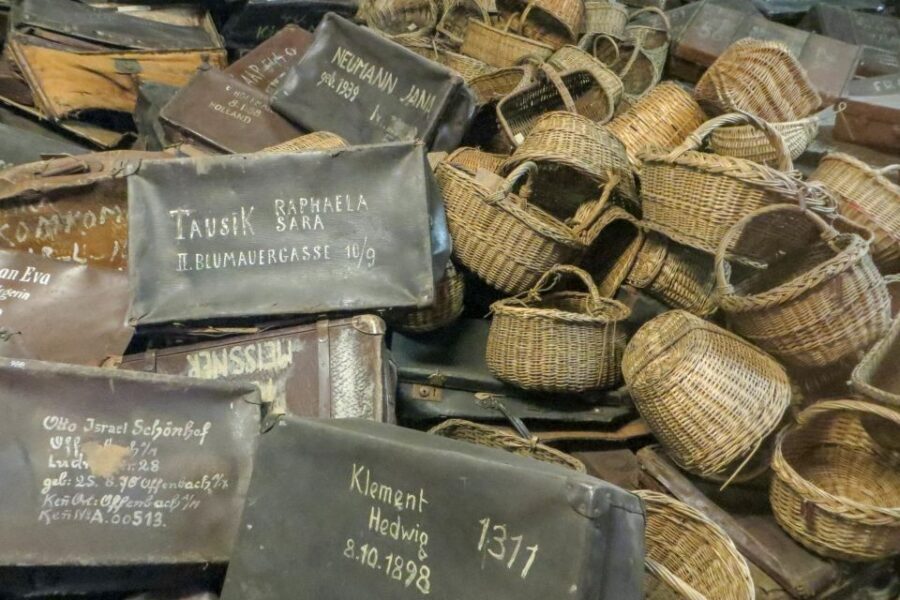
On paper, this runs for 7 hours. In practice, the day has three big chunks: travel out, guided time on-site, and travel back. The typical rhythm looks like this: around 1.5 hours on the coach to Auschwitz, then guided visits at Auschwitz I and Auschwitz II-Birkenau, with another 1.5 hours back to Krakow.
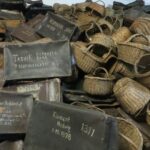
Here’s why that pacing is important: Auschwitz is not a museum you “browse.” You’re looking at real evidence—camp infrastructure, loading areas, and preserved ruins—so you’ll keep stopping mentally even when your feet keep moving. That’s why many people feel rushed even when the tour is well organized.
I’d also mentally budget for waiting. The site can be busy, and organization can look chaotic at peak times. The good news: the tour format is designed to help you avoid the longest ticket-line headaches, and the driver route can help you get through the mess faster.
Auschwitz I: Guided Walk Through the Camp Core
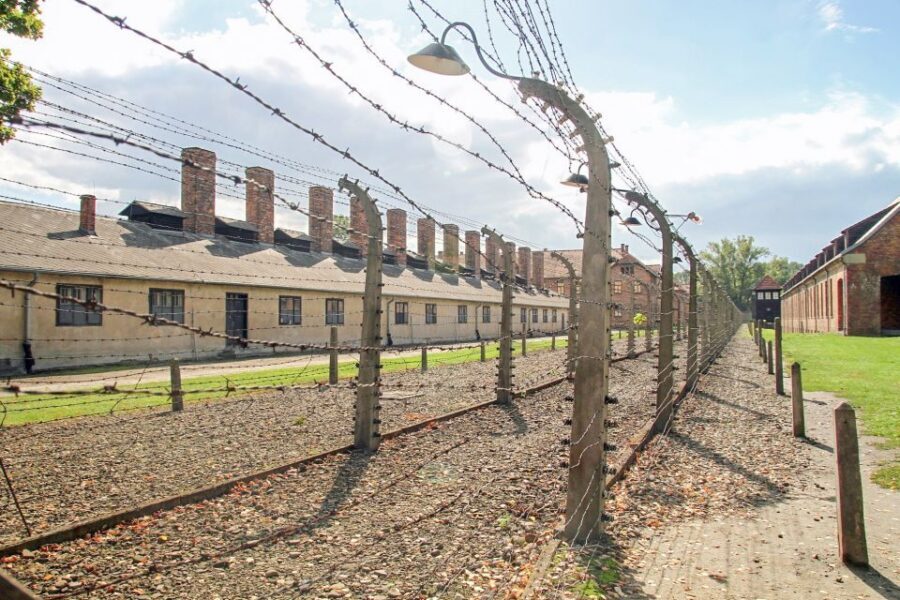
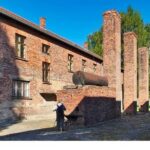
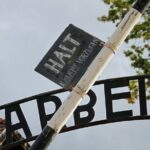
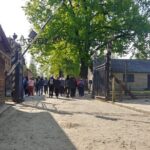
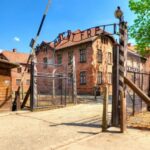
Auschwitz I is where the tour anchors you in the camp’s structure and purpose. You spend about 2.5 hours here with a guided visit. This is usually the moment when the day shifts from “history trip” into “place of remembrance,” fast.
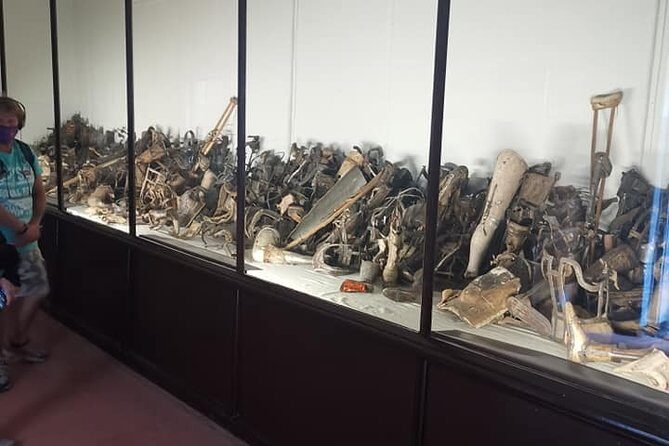
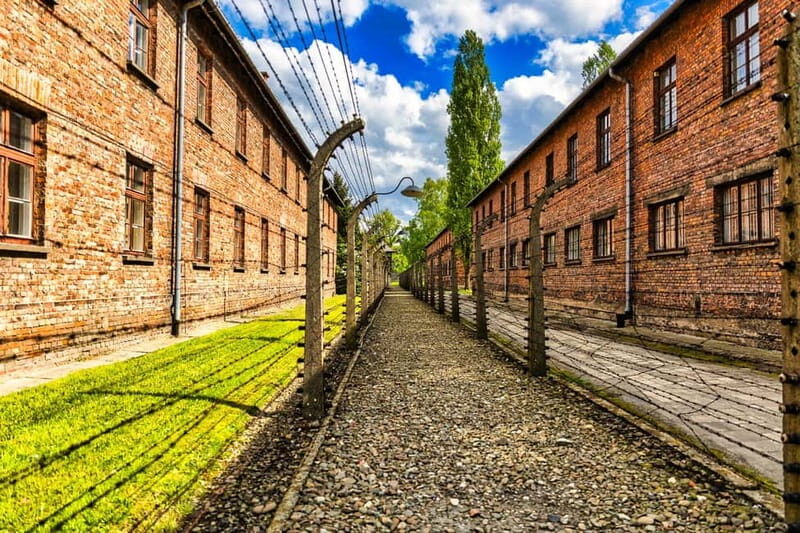
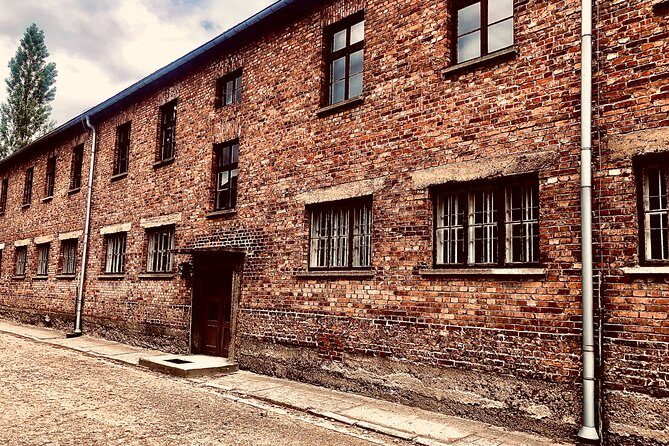
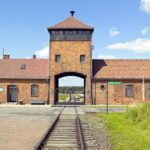
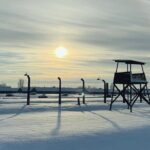
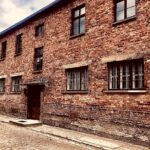
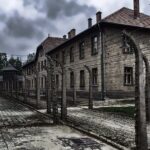
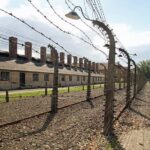
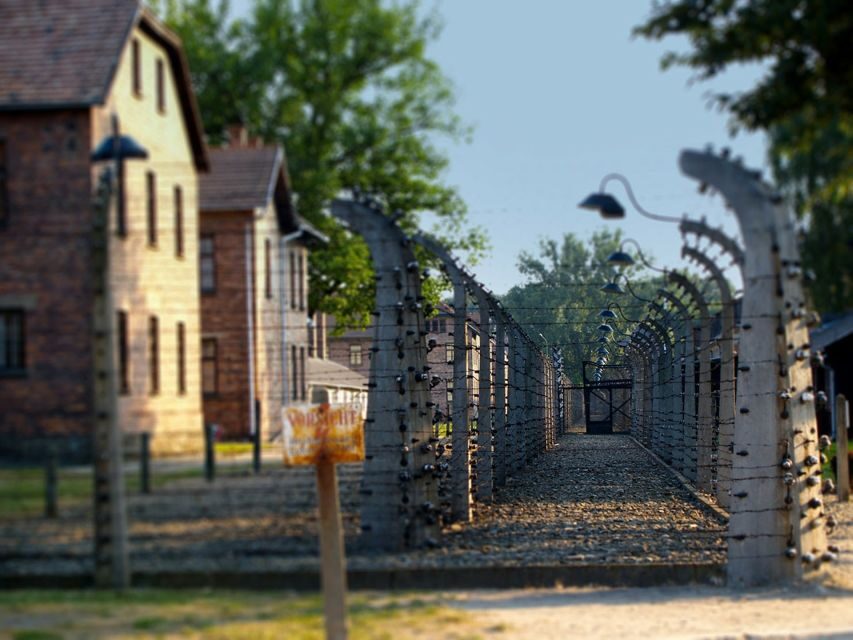
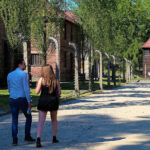
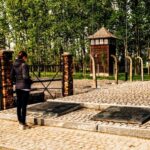
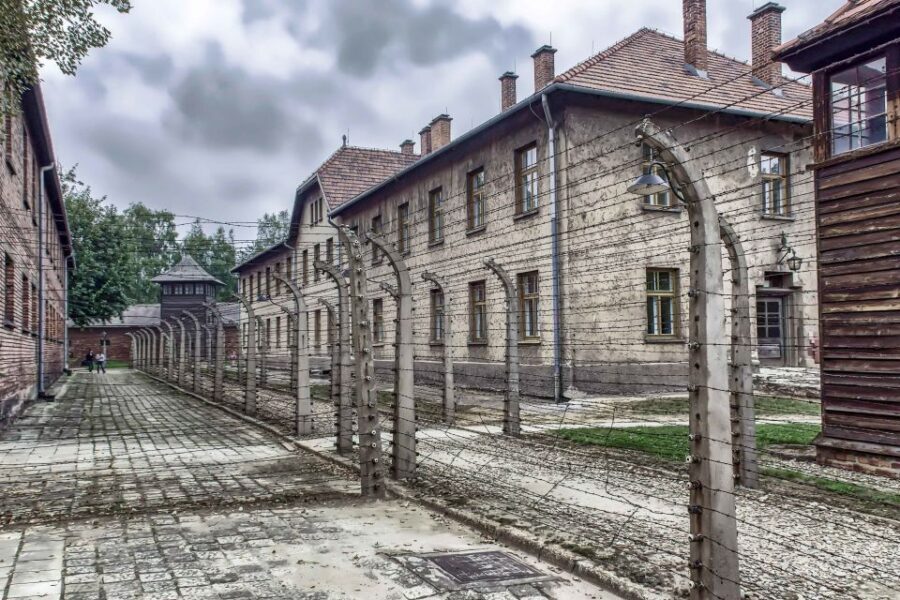
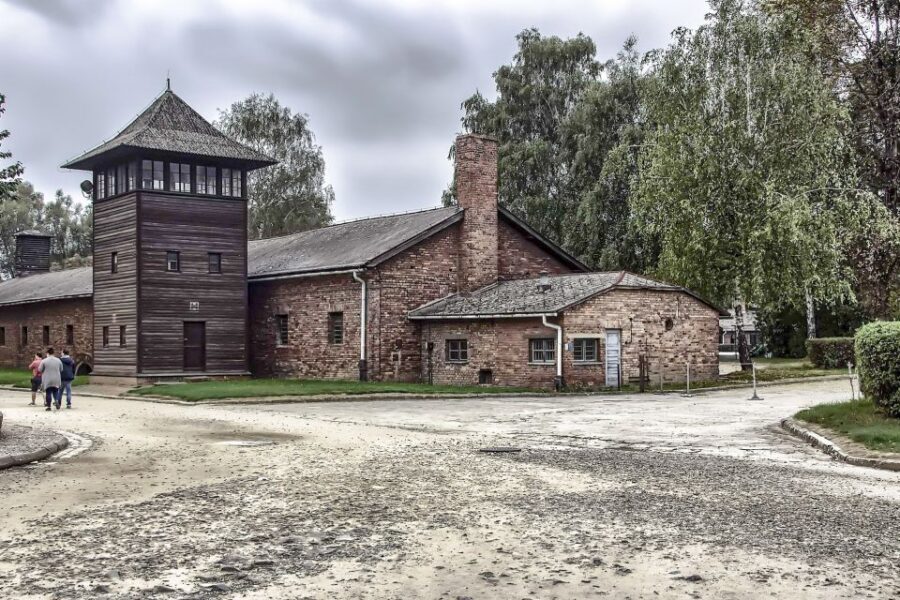
You’ll see the remains of key buildings and everyday camp elements, including barracks and watchtowers. You’ll also get guided context for how the camp operated and expanded—information that matters if you want to understand why Auschwitz isn’t just one location. It’s a system that grew.
A practical benefit of doing Auschwitz I first: the guide can set the storyline while your brain still has the energy to follow it. Guides I saw referenced in English-language tours include Anna and Susannah, and the common thread is a respectful tone and careful explanation. Some guides move at a brisk pace, which can make it hard to absorb everything at once. If you’re the type who likes to linger at exhibits, keep your questions ready so you can ask when you get a chance.
One small logistics detail that can help your focus: in at least one experience, headsets were used so the group could hear the narration clearly during the Auschwitz I portion. Even if yours doesn’t use headsets, having both a live guide and audio support is meant to keep you from turning the day into constant sign-reading.
Auschwitz II-Birkenau: Seeing the Scale and the Horror
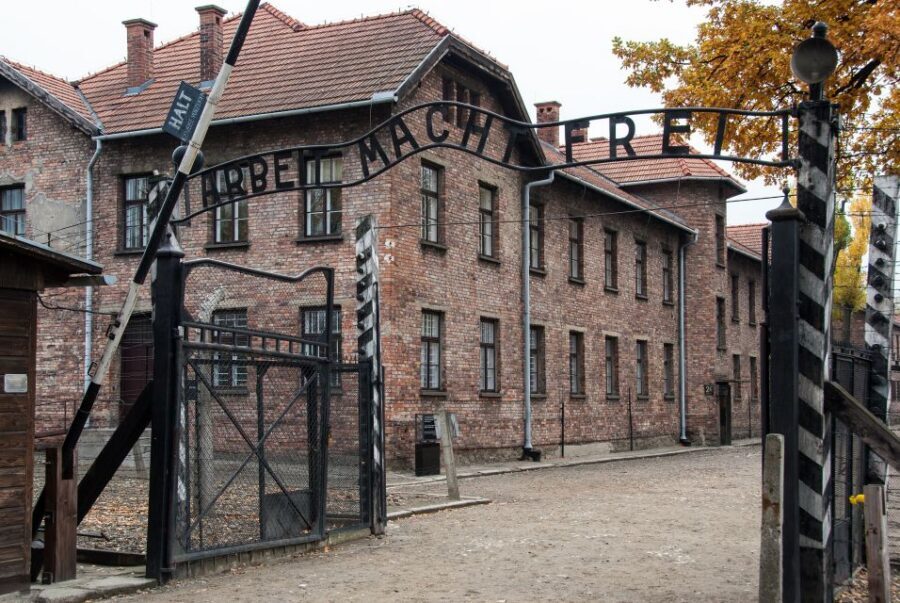
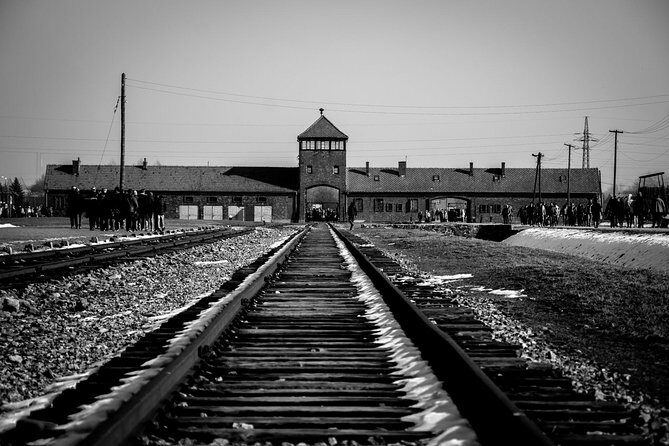
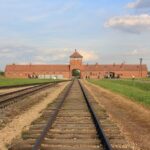
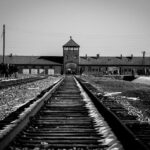
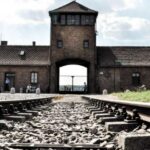
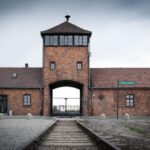
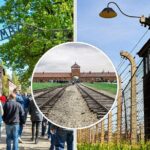
After Auschwitz I, you move to Auschwitz II-Birkenau for about 1 hour of guided time. This is the camp people often picture first, but it’s also the place where scale can hit you hardest. The ground is different, the layout feels wider, and you’re looking at remnants that suggest how mass detention and processing were organized.
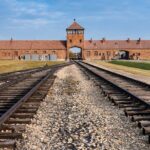
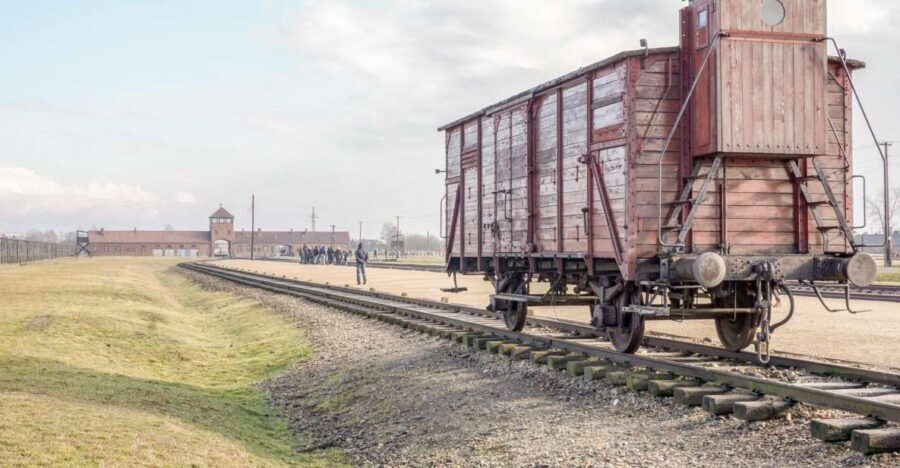
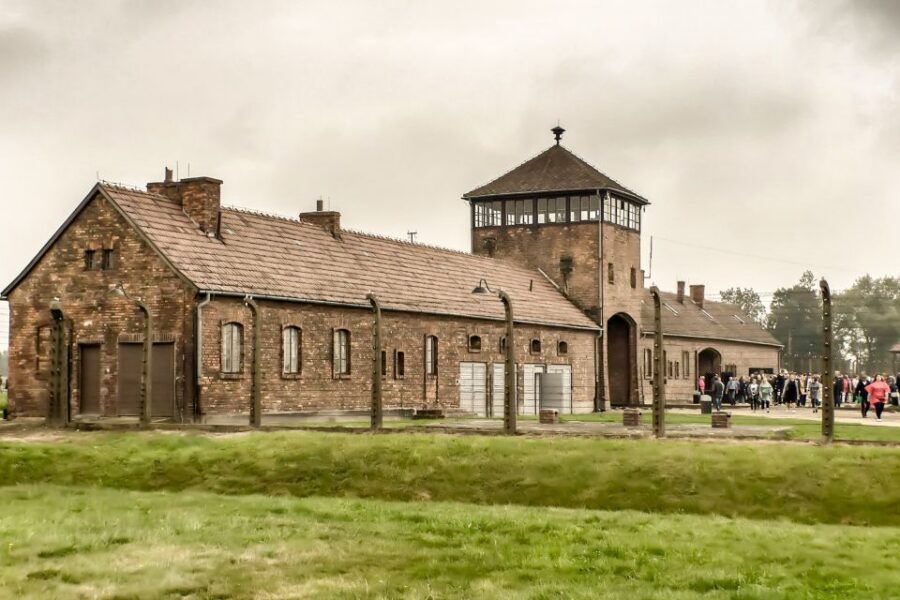
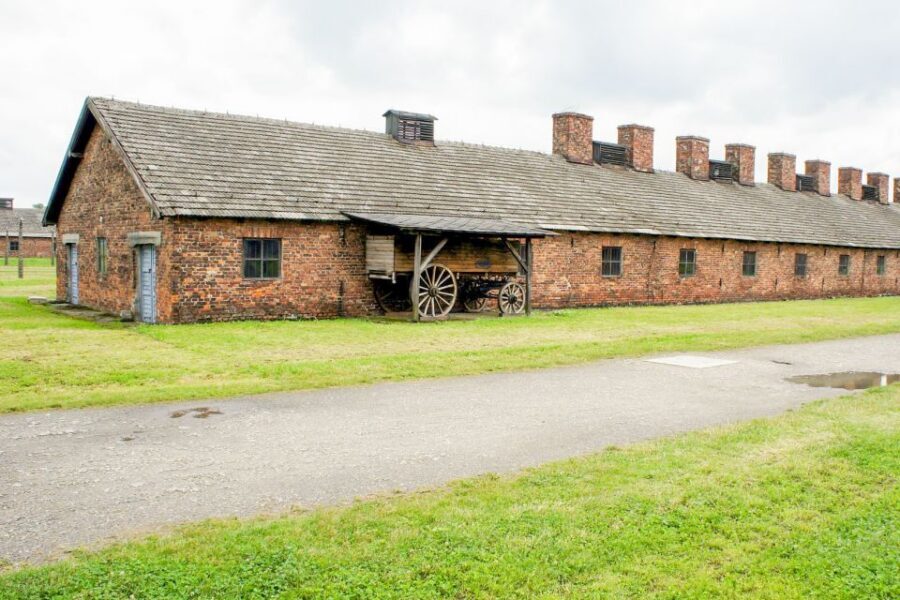
Expect to see remains of barracks, railway ramps, and structures connected to the camp’s machinery of murder—along with gas chambers and crematoriums. The tour format makes sure you don’t just pass through open areas. You get commentary that connects what you see to what happened there.
This portion is emotionally intense. It’s also physically demanding. Birkenau is rocky, and the ground is uneven and exposed. That’s why I’d prioritize footwear you can trust. Thin soles can feel punishing over time, and you’ll want grip for steps and uneven paths.
If the guide pacing feels fast, don’t panic. You can still take moments to step aside and absorb the scene. Use the guided walk to understand what each area meant, then give yourself a few quiet seconds to process once you’re there.
Walking, Steps, and Why Your “7 Hours” Plan Needs Padding
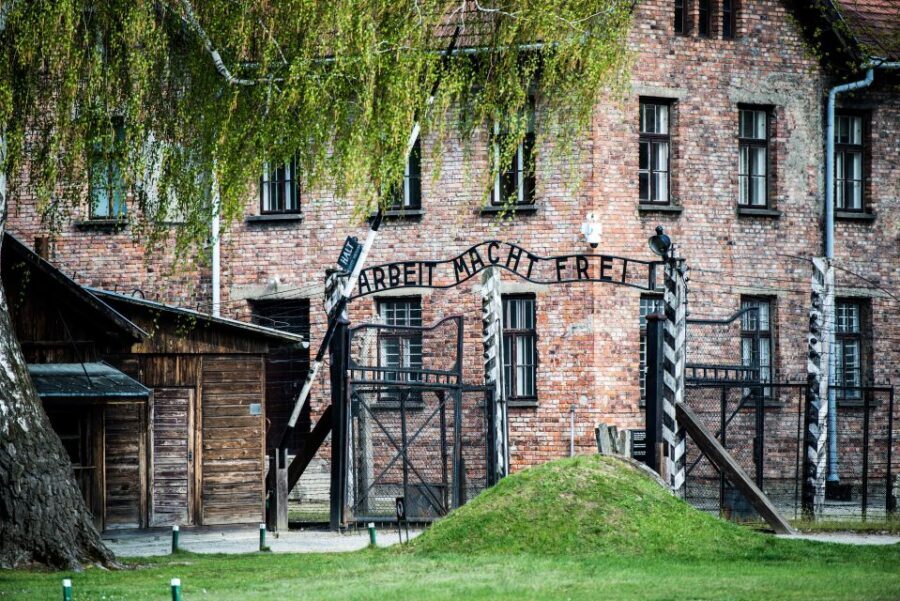
This is a walking-heavy day. Even if the guided time is broken into blocks, the overall movement adds up: stepping in and out of areas, crossing paths on-site, and handling lines and transitions. Comfortable shoes are not optional here—they’re the difference between remembering the visit and just surviving it.
A lot of the experience takes place outdoors, and the weather can swing the difficulty level fast. In colder months, a hat and scarf can make a meaningful difference if your plan is to stand around for a while and absorb details.
Also, expect stairs and uneven surfaces. Some visitors note there are many steps up and down. In winter, traction matters. If you wear anything slick or overly flexible, you’ll feel it.
One smart tip from day-of experience: take a small bag. Larger items and luggage aren’t allowed. If you arrive with a big backpack, you might need to use a luggage store on-site (sometimes with a charge). That’s time you lose, so pack light.
Other Auschwitz tours with hotel pickup in Krakow


Guide Style in English: Hearing the Story Clearly
This tour includes a live English tour guide plus an English audio guide. That combo helps because you’ll be standing in places where it’s hard to read tiny details while also watching where your guide is going next.
Some guides are named in the experiences shared from this kind of tour format—Sofia, Anna, and Susannah show up as examples—so you know you’re likely to get someone who can explain the camp clearly and respectfully. A good guide is crucial here because the physical remains need context. Without that, it’s easy to turn the visit into a checklist.
One balancing act: tours can be emotionally draining, and some guides understandably keep the group moving to stay on schedule. That can mean fewer long pauses for questions. If you want to ask something specific—like how camp functions changed over time—save your questions for moments where the guide slows down, rather than interrupting every few minutes.
Getting Water and Snacks: Small Things That Save Big Stress
You can get drinks and food near the camps, but the rhythm is different once the tour begins. One practical tip that comes up often: bring water with you, because once the guided walking starts you may not be able to stop easily to buy something right away. There is a cafe at Auschwitz I, but the timing may not match your needs.
Also watch vending-machine pricing. One experience mentions that bottled water can be very expensive at vending machines, and if the machine fails after taking money, help may not be immediate. If you’d rather avoid that stress, grab water at the cafe or bring your own.
For me, these tips aren’t about comfort. They’re about attention. When your body is uncomfortable from hunger or thirst, it’s harder to absorb what the place is asking you to understand.
Price and Value: Is $8 Good for This Tour?
The listed price here is $8 per person, and the value is unusually strong for what’s included. You get hotel pickup and drop-off, transportation in an air-conditioned vehicle, a professional guide, an entrance ticket to the museum, and an English live guided component with audio support.
Why that matters: Auschwitz is expensive mainly because it’s logistically difficult. Travel time is long, queues can be slow, and the day requires organization. Bundling transport and entrance into one package reduces the risk of wasting precious hours figuring things out on the fly.
That said, the value depends on your expectations. If you need a very slow, unstructured pace with unlimited time for reflection, no guided day trip can fully deliver that. You’re trading deep, personal pacing for a guided narrative and smoother logistics.
What to Bring (and What Gets Left Behind)
Do the simple prep work and the day will feel calmer.
Bring:
- Passport or ID card (you’ll need it)
- Comfortable shoes with grip
- Weather-appropriate clothing
Keep it light:
- Luggage or large bags aren’t allowed.
- If you arrive with a standard larger rucksack, you may need to use storage on-site.
Practical add-ons:
- Water before you hit the main guided stretch
- A hat/scarf if it’s cold or windy
- A small bag so you can move through transitions easily
Also note what’s not allowed: alcohol and drugs, and pets.
Names, IDs, and the Exact-Match Rule You Can’t Ignore
This tour has an ID matching requirement. You must provide your full name and contact details as part of the booking, and entrance may be refused if your name on the booking doesn’t match your ID exactly. That’s not a small rule. It’s one you should double-check before you travel.
If you’re a student, a valid student ID can unlock a youth discount. If you’re not sure your document qualifies, check it in advance so you don’t lose time at the entrance.
One more thing to understand: museum tickets for this experience are treated as non-refundable. That means you should only book when your travel plans are stable.
Who This Tour Is Best For
This is best for visitors who want structure. If you’re the kind of person who likes facts connected to what you’re seeing, the guided format helps a lot.
It also suits people who would rather not coordinate transport, timing, and museum access on their own. The pickup and skip-the-line approach make it easier to arrive on time and start the visit without extra stress.
It might not be ideal if:
- You need long unscheduled pauses
- You’re uncomfortable with early mornings
- You have trouble with lots of walking and stairs
- You’re looking for a “light” sightseeing day
Should You Book This Auschwitz-Birkenau Guided Tour?
If you’re visiting Krakow and Auschwitz is on your must-do list, I’d lean toward booking this type of guided trip. The mix of hotel pickup, included entrance, and English narration removes a lot of friction. You can focus on the experience instead of wrestling with logistics.
Book it if you:
- Want both Auschwitz I and Auschwitz II-Birkenau in one day
- Prefer a guided storyline rather than self-guided wandering
- Appreciate having transport handled for you
Consider another option if you need extra time for personal reflection or a slower pace. Also, if early pickups are a deal-breaker for you, plan your sleep and transport buffer carefully.
In the end, this is not a casual tour. It’s a serious visit to a UNESCO-listed memorial site where seeing and understanding matter. Choose the option that keeps the day organized enough for you to show up fully, respectfully, and present.
FAQ
How long is the Auschwitz-Birkenau guided tour from Krakow?
The total duration is 7 hours (starting times vary by availability).
What sites are included in the tour?
You visit Auschwitz I and Auschwitz II-Birkenau, both with guided components.
Is hotel pickup included?
Yes. Free hotel pickup and hotel drop-off are included.
Is transportation included?
Yes. The tour includes transportation by air-conditioned car/vehicle, and the drive between Krakow and Auschwitz is about 65 km (around 1.5 hours).
Is the tour in English?
Yes. The live tour guide is English, and an English audio guide is also included.
Do I skip the ticket line?
Yes. The tour includes skip-the-ticket-line access.
Where do I meet the guide?
You are picked up from Straszewskiego 14, depending on the selected option. The tour ends back at the meeting point.
What should I bring?
Bring your passport or ID card, plus comfortable shoes and weather-appropriate clothing.
Are luggage or large bags allowed?
No. Luggage or large bags are not allowed.
Is the booking refundable?
The cancellation policy states the activity is non-refundable, and museum tickets are treated as non-refundable.