REVIEW · KRAKOW
From Krakow: Auschwitz-Birkenau Tour with Transportation
Book on GetYourGuide →Operated by Zakopane City Tours · Bookable on GetYourGuide
A coach ride turns into a hard history lesson. This Auschwitz-Birkenau tour from Kraków is interesting because it packs Auschwitz I and Auschwitz II-Birkenau into one guided day, with tickets handled for you and an English or Spanish leader steering the story.
What I like most is how the tour builds understanding, not just sightseeing. You get portable headsets (so you can actually hear what’s being explained), and the same guide stays with you from Auschwitz to Birkenau, connecting what you see to the Nazi plan that unfolded here.
One thing to consider: it’s emotionally heavy and physically long, and the time on site can feel tight. Auschwitz and Birkenau are huge, and not every corner gets long-form attention, especially in Birkenau.
In This Review
- Key highlights at a glance
- Getting to Oswiecim: long coach time and early departures
- Meeting at Plac Matejki 2: where to show up and what to bring
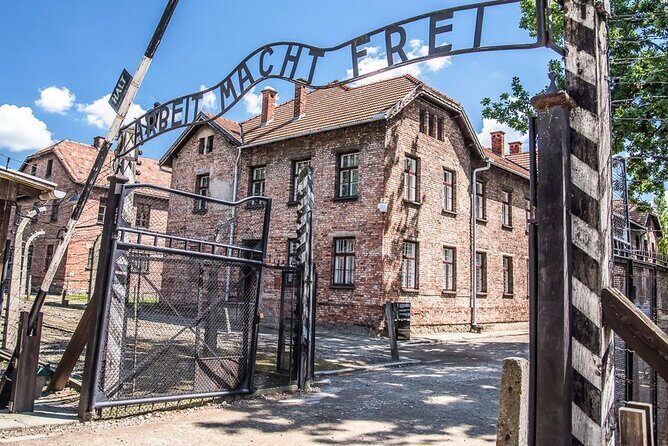
- Auschwitz I: prison blocks, the camp logic, and the main gate moment
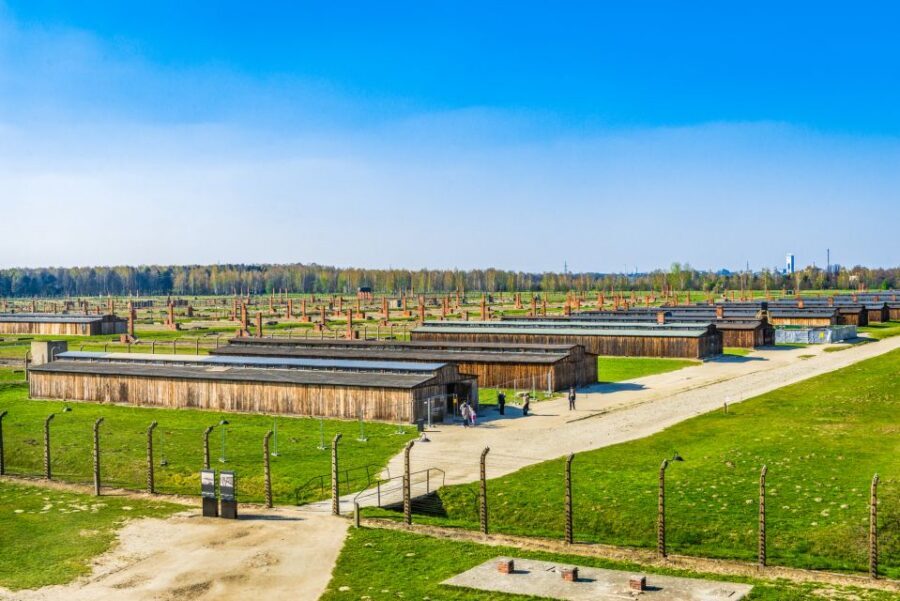
- Auschwitz II-Birkenau: what “scale” really means in 50 minutes
- Between camps: headset listening, short breaks, and managing fatigue
- Price and value at about $86: what you actually get
- Who this tour fits best (and who should skip it)
- Booking decision: should you take it?
- FAQ
- Where is the meeting point in Kraków?
- How long is the tour?
- What’s included in the price?
- What is not included?
- What languages is the guide offered in?
- Is there a headset?
- Are children allowed?
- What should I bring and show at the entrance?
- Are there rules about what I can bring into the museum?
- FAQ
- Can I take photos?
- What’s the biggest on-site limitation to plan around?
- Should you book this Auschwitz-Birkenau tour with transportation?
Key highlights at a glance
- One guided day for both Auschwitz I and Auschwitz II-Birkenau, with transport between the two parts of the site
- Skip-the-ticket-line access, plus an English-speaking tour leader using headsets for clearer listening
- Designed stops with short breaks, so you can reset between the hardest sections
- Main gate and key memorial areas, framed with historical context you can follow
- Strict site rules (no flash in blocks, bag size limits), meaning you’ll want to pack light
Getting to Oswiecim: long coach time and early departures
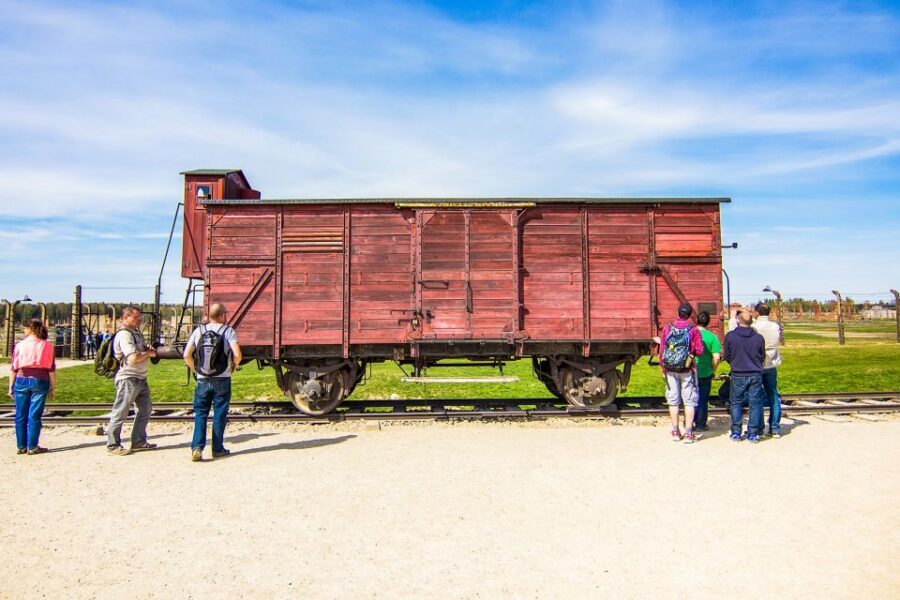
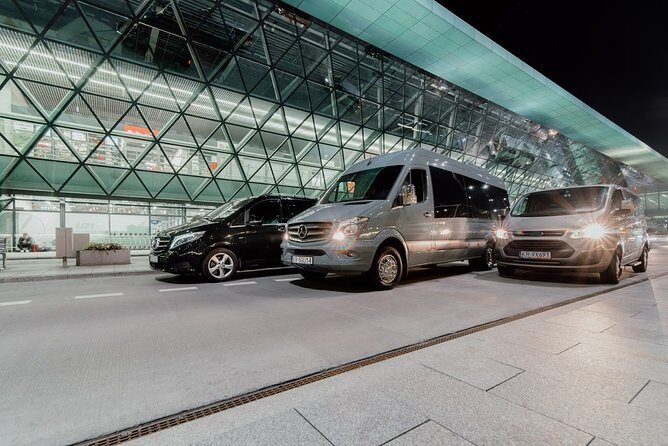
This is one of those days where the schedule matters. The ride from Kraków to Oswiecim/Oświęcim is about 100 minutes, and you’ll want the early start to feel like a win, not a punishment.
In practice, the tour often runs very early. Some departures can be around 4 a.m., which sounds brutal until you reach the museum before the heaviest crowd surges. The upside is that your guided time on site starts with less scrambling. You also get a day back in Kraków—some groups are back by around mid-afternoon—so you can still salvage an evening plan.
You may also notice a short orientation moment during the bus ride. Multiple guests noted a documentary or film played en route, which helps set the tone before you step into the memorial spaces. That matters. If you arrive raw and unprepared, the first buildings can feel like an information overload. A little prep beats a hard landing.
Other Auschwitz I and Birkenau combined tours in Krakow
Meeting at Plac Matejki 2: where to show up and what to bring
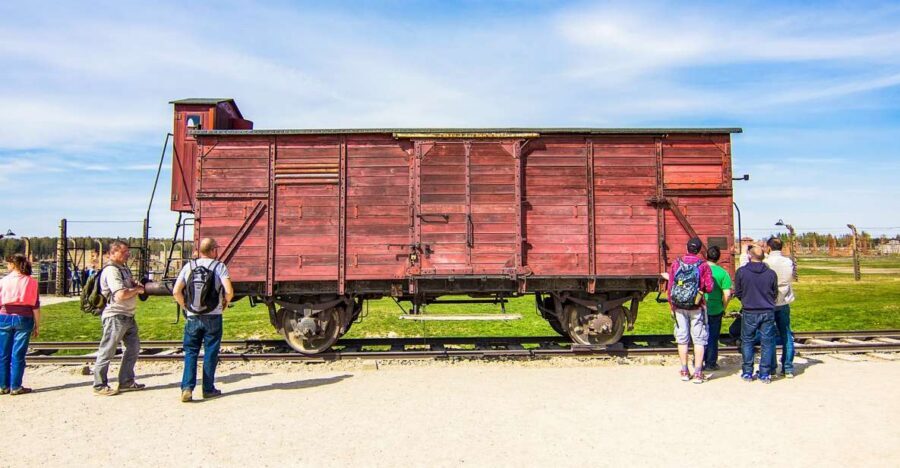
You meet at Plac Jana Matejki 2 in Kraków. If you’re coming from the city center, the meeting office is on the right-hand side, and it’s marked with the Cracow City Tours logo. This is the only meeting point—there’s no hotel pickup.
That simplicity is good. It also means you should plan for buffer time. Once you miss the meeting window, the whole day gets harder, because the group departs straight for the tour destination.
Bring the essentials:
- Passport or ID card (for adults, and ID for children if applicable)
- A small bag—site rules limit what you can bring (maximum 30 × 20 × 10 cm)
- Warm layers if you’re going in cooler months; you’ll be outdoors between stops
Don’t bring:
- Luggage or large bags (you can leave bags in the vehicle or use lockers, where available)
- Food inside the museum areas
- Flash photography in the blocks
- Anything sleeveless (this is explicitly not allowed)
One small practical tip: if you’re the type who needs to buy something last-minute, arrive ready to carry it. The museum has a gift shop, and short breaks are provided, but you don’t get long wandering time.
Auschwitz I: prison blocks, the camp logic, and the main gate moment
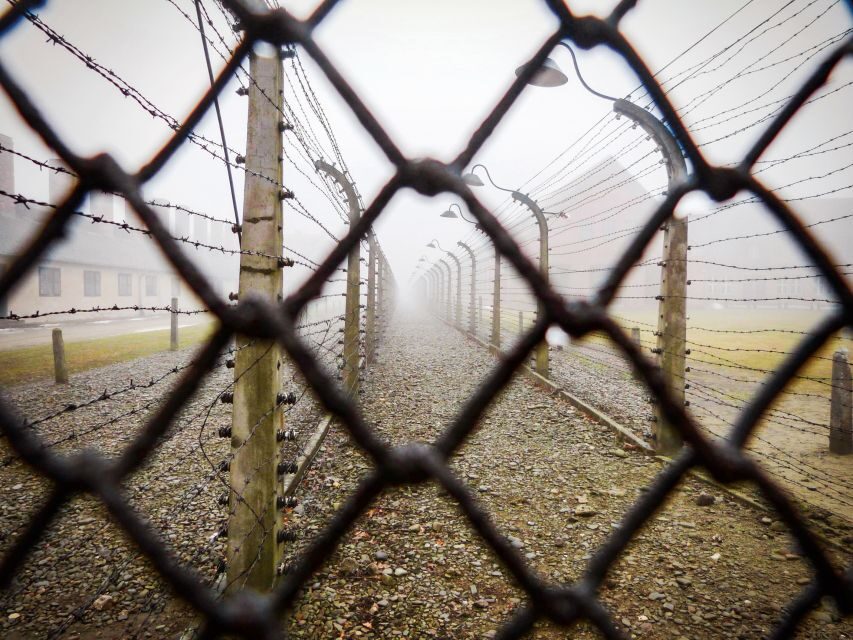
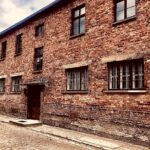
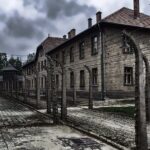
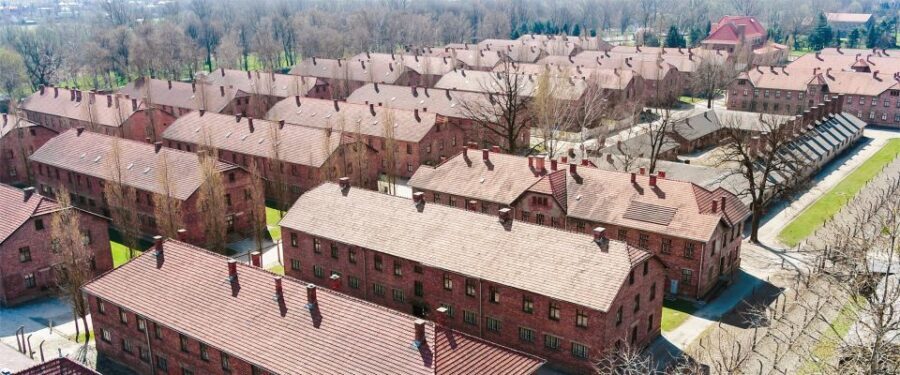
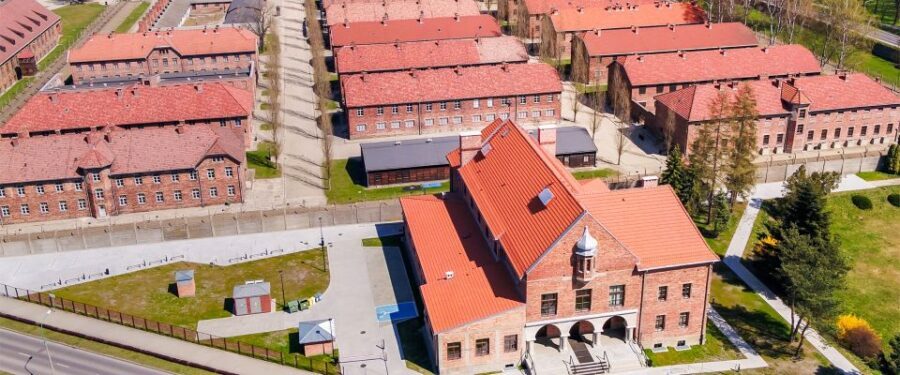
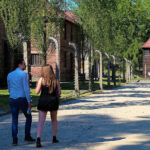
Auschwitz I is where the tour builds the foundation. You’ll spend about two hours on the guided portion at Auschwitz I, with restroom and regrouping breaks built into the day.
This is the part that makes the rest click. The Nazis didn’t just create a brutal prison at random—they built Auschwitz to handle mass arrests and overcrowding, starting around 1940. At first, it was meant to follow other Nazi systems from the 1930s. Then, in 1942, it became central to the Nazi plan known as the Endlösung der Judenfrage—the Final Solution, tied to extermination from across Third Reich territories.
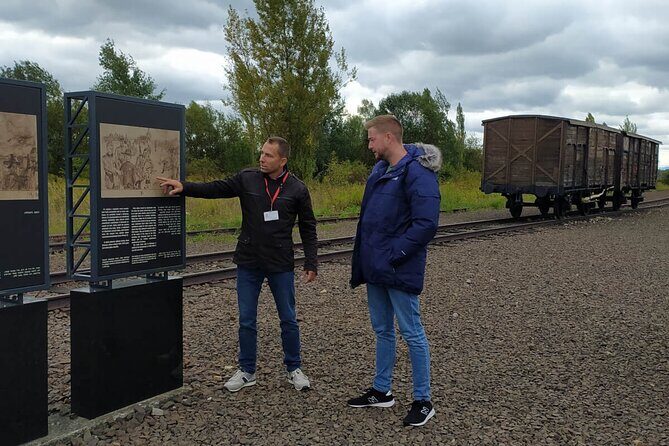
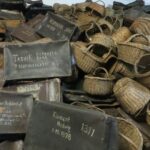
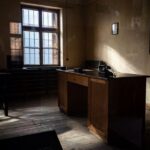
Your guide’s job here is to connect history to the ground you’re standing on. You’ll see places like the prison blocks, and you’ll also be shown key memorial areas tied to the camp’s machinery of persecution. Some guides also emphasize how Auschwitz affected not only Jewish prisoners, but also Poles, Romany people (Gypsies), and other groups targeted by Nazi policy—so you don’t leave with a one-dimensional version of events.
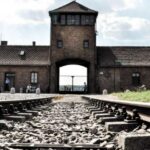
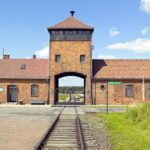
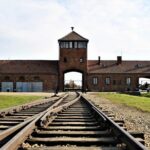
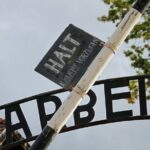
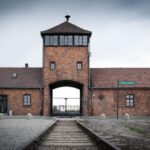
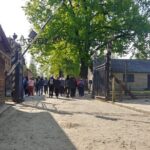
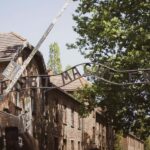
There’s a moment early on that many people remember: seeing the main gate and hearing the tragic context explained out loud, without sensational tone. The most respectful guides pace themselves and let you absorb rather than rush your mind.
A heads-up: this portion can feel intense quickly. The tour is serious, and it moves with purpose. If you need extra emotional space, use the short breaks wisely and take a moment outside before re-entering the next block.
Auschwitz II-Birkenau: what “scale” really means in 50 minutes
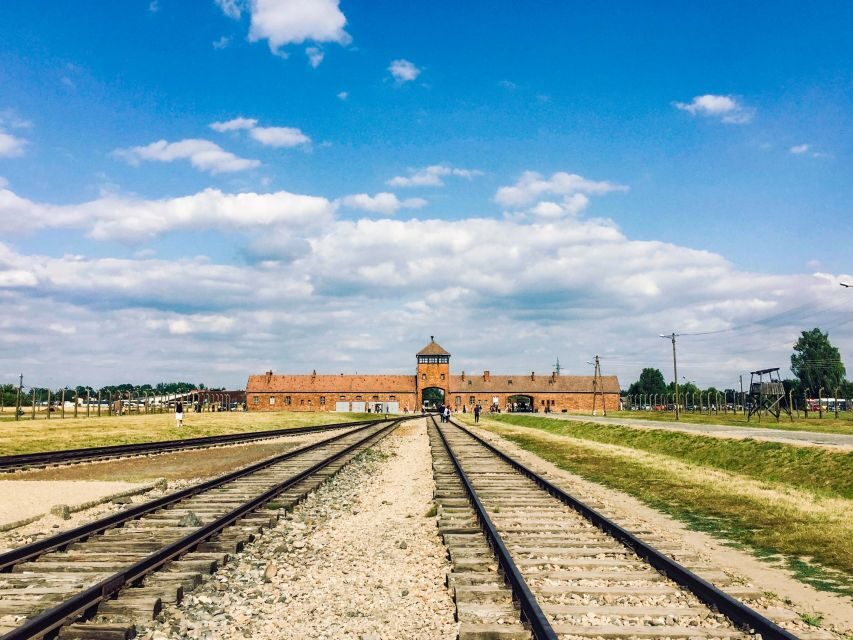
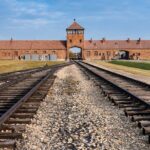
After a break and transit between the two sites, you’ll hit Auschwitz II-Birkenau, usually for about 50 minutes of guided visiting time.
This is the tricky part. Birkenau is enormous, and even a good tour can feel like it’s showing highlights rather than giving everything a full slow look. That’s not a flaw in your guide—it’s a reality of fitting two major areas into one day while keeping access organized and safe.
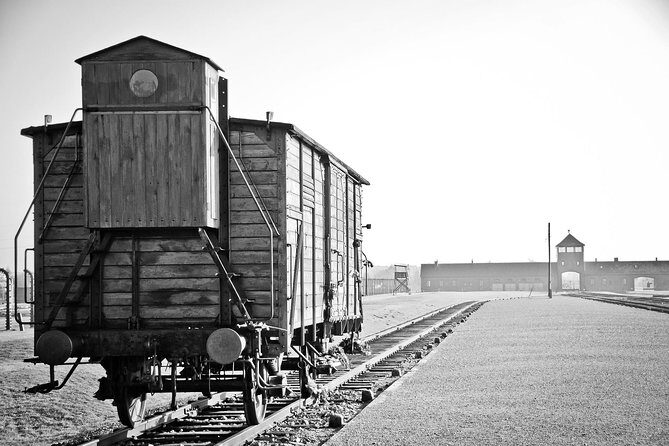
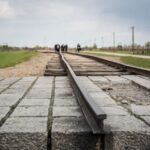
Still, those 50 minutes can be powerful because the guide typically ties together what Auschwitz I established with what Birkenau carried out on an even larger scale. You’ll encounter memorial areas connected to the camp’s atrocities, and the story will include references to the gas chambers and crematorium as part of the system of murder.
What makes this section valuable is perspective. Seeing Birkenau isn’t just sad—it’s clarifying. It shows how the Nazis used geography, transport, and bureaucratic planning to make mass violence possible at scale.
If you’re someone who wants to spend hours on site with zero pace, you may feel you’d like more time at Birkenau. But if you value historical framing and clear routing, the guided structure helps you avoid wandering through information without context.
Between camps: headset listening, short breaks, and managing fatigue
The tour uses a portable headset system, with one for each visitor. That’s a big deal here. In memorial sites, you’re often standing still, looking at exhibits, and reading panels. If you can’t hear the guide clearly, you miss the thread that turns objects into meaning.
That said, audio can be imperfect sometimes. One issue that came up in feedback was occasional headset or audio problems. If your headset cuts out or feels uncomfortable, speak up quickly. The staff can usually adjust or swap—don’t just endure silence while your guide is explaining key points.
Timing is built around short breaks:
- Breaks around the museum areas are scheduled (often 10–15 minutes)
- The day includes time to regroup and reset, including opportunities to buy something in the gift shop
Plan your energy. This is physically walking-heavy, and emotionally draining. If you’re deciding whether to stack this with another big day (like salt mines), I’d keep it separate. One intense memorial day is enough.
One smart move: eat before you arrive. Food and drinks aren’t included, and while you can have a meal during the breaks, the tour isn’t built like a day at a museum café. Come prepared, then you can focus.
Other Auschwitz tours from Krakow in Krakow

Price and value at about $86: what you actually get
At $86 per person, the value is mostly in the “handled for you” parts.
You’re paying for:
- Entrance tickets to Auschwitz-Birkenau
- Transportation to and from Oświęcim, plus movement between the two parts of the museum
- An English-speaking tour leader (and you can also find Spanish-language options)
- Headsets for clear audio
- Insurance for the duration of the tour
- Skip-the-ticket-line entry, which saves time and reduces stress
What you don’t get:
- Hotel pickup or drop-off
- Food and drinks
So the real question isn’t just the price tag. It’s whether you want to spend time arranging transport, figuring out the entrance process, and coordinating two museum areas all on your own. If you’d rather spend your mental energy on the site itself—and let someone handle the logistics—this price starts to look fair fast.
Also, because the tickets are tied to the museum’s requirements, it’s a plan you should treat as committed. If your ID name and booking name don’t match, entry can be refused. Get that right and you’ll have a smoother day.
Who this tour fits best (and who should skip it)
This works best if you want:
- A guided overview that ties Auschwitz I to Birkenau
- Clear pacing and a plan you don’t have to build yourself
- A setup that reduces delays with skip-the-line access
- Headsets so the tour is more accessible to different hearing needs
It’s less ideal if you:
- Want maximum “free time” in the museum spaces
- Struggle with long, emotionally intense days
- Are traveling with kids—this tour is not suitable for children under 14
Even when everything runs smoothly, this isn’t a light educational outing. It’s a memorial to human cruelty, and it lands in your body as well as your mind. If you’re going, go with respect and the right expectations: you’re not here to be entertained.
Booking decision: should you take it?
I’d book this tour if you want the practical support that makes a difficult day easier to navigate. The transport, skip-the-line entry, headsets, and a single guide linking both camps are exactly what you want when you’re trying to understand what happened, not just collect a checklist of locations.
Skip it (or at least reconsider the format) if you know you need long, quiet, unstructured time in Birkenau. In that case, a more flexible on-your-own approach might suit you better, though you’d still want careful planning.
If you do book: pack light, bring your ID, and eat before you go. Then let the guide do the hard work of translating history into clear, respectful context—so you can do the hard work of paying attention.
FAQ
Where is the meeting point in Kraków?
You meet at Plac Jana Matejki 2 in Kraków. From the city center, the bus stop and office are on the right-hand side, and the office is marked with the Cracow City Tours logo.
How long is the tour?
The duration is listed as 450 minutes (about 7.5 hours).
What’s included in the price?
Included are entrance tickets to Auschwitz-Birkenau, transportation to and from Oswiecim and between Auschwitz and Birkenau, an English-speaking tour leader (and the activity also lists Spanish as a language option), portable headsets, and insurance for the duration of the tour.
What is not included?
Hotel pickup and drop-off, plus food and drinks, are not included.
What languages is the guide offered in?
The tour languages listed are English and Spanish.
Is there a headset?
Yes. The tour provides a portable headset for each visitor.
Are children allowed?
The tour is not suitable for children under 14.
What should I bring and show at the entrance?
Bring passport or ID card. The activity also lists the driver’s license, and it notes ID documents for children as well.
Are there rules about what I can bring into the museum?
Yes. The tour notes luggage restrictions and states that luggage or large bags aren’t allowed, with a maximum handbag/backpack size of 30 × 20 × 10 cm.
FAQ
Can I take photos?
You’re allowed to take photographs, but you should not use flash inside the blocks.
What’s the biggest on-site limitation to plan around?
There are strict rules at the memorial, including no smoking and limits on what you can carry, plus short breaks during the day while the tour stays on schedule.
Should you book this Auschwitz-Birkenau tour with transportation?
Yes, if you want a structured, guided day that handles transport and entrance for you, with headsets and a leader connecting Auschwitz I and Birkenau. It’s also a good fit if you’d rather not plan two separate sites on your own. Just go in knowing it can feel emotionally intense and the guided time at each area is limited by the schedule.