REVIEW · KRAKOW
From Krakow: Auschwitz-Birkenau Tour with Transportation
Book on GetYourGuide →Operated by Krakow Tours by Krakowdirect · Bookable on GetYourGuide
An early ride to history waits, and this trip keeps the day organized. What I like most is the pickup in central Krakow and the way the company sets you up before you even reach the memorial.
I also really value having an English-speaking host (and, on guided options, a professional guide) to help you follow the flow, rules, and timing without getting lost. One possible drawback: it’s a long, early outing with strict memorial rules—so you’ll want to pack light and wear comfortable shoes.
In This Review
- Key highlights at a glance
- Getting From Krakow to Auschwitz Without Turning It Into a Logistics Project
- Pickup Timing, Comfort, and What the Ride Actually Feels Like
- Auschwitz I: Starting Where the System Took Shape
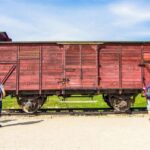
- Judenrampe and the Original Train Car Moment
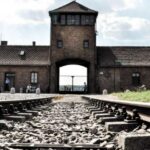
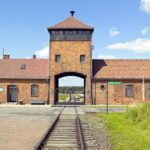
- Auschwitz II-Birkenau: Where the Scale Becomes Unavoidable
- Self-Guided vs Live-Guided: Pick the Right Level of Structure
- Duration and Pacing: What the 7–11 Hours Really Mean
- Price and Value: How $22 Can Work (and When It Might Not)
- Who This Tour Suits Best (and Who Should Rethink It)
- Should You Book This Auschwitz-Birkenau Tour From Krakow?
- FAQ
- What parts of Auschwitz are included?
- Is the tour self-guided or guided?
- How do the guided options work?
- Is there a documentary during the trip?
- Do I need to buy entry tickets?
- What meeting point is used in Krakow?
- What should I bring and what can’t I bring?
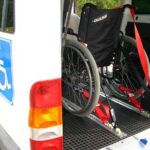
- Is it suitable for wheelchair users or mobility impairments?
Key highlights at a glance
- Documentary on the ride to give context before you arrive
- Judenrampe stop with a look at the original camp train car
- Two memorial areas: Auschwitz I first, then Auschwitz II-Birkenau
- Guided vs self-guided options with longer guided time on live-guided choices
- Pickup and drop-offs around Krakow for less hassle
- Small-group limits with a max group size of 30 visitors per guide
Getting From Krakow to Auschwitz Without Turning It Into a Logistics Project
This is the kind of day trip that makes sense when you want to focus on the sites, not on schedules, tickets, and buses. You start in Krakow at the Radisson Blu Hotel Tourist Bus Stop, and you’re picked up from there (or another selected meeting point, depending on the option). A round-trip ride by modern vehicle handles the travel time so you can concentrate on what’s ahead.
The best part of this setup is that the company doesn’t just deliver you to the memorial and disappear. There’s an English-speaking tour host for the whole trip, and if you pick a live-guided option, you also get a professional guide for the Auschwitz visit itself. That matters because Auschwitz isn’t a place where you want to wander randomly for hours—you want a structure that respects the space.
There’s also a documentary film on the way, which helps you transition from “a historical place on a map” into “a real system of persecution and murder.” Even before you step inside the gates, the tone is set.
Other Auschwitz I and Birkenau combined tours in Krakow
Pickup Timing, Comfort, and What the Ride Actually Feels Like
Expect an early start window. Pickup times can fall between 5:00 AM and 11:00 AM, and your exact pickup time may shift (often by 30–60 minutes, sometimes more). The smart move is to arrive 15 minutes early at the meeting point so you’re not stressing when schedules tighten.
The coach ride to the memorial is about 75 minutes, and the trip includes an educational documentary during the journey. Based on real-world feedback from passengers, the vehicle experience tends to be smooth and comfortable—clean seating, and in some cases a screen playback of an Auschwitz-related video. The day is long, so being warm, comfortable, and seated during the initial context helps a lot.
One more practical note: you can’t bring luggage or large bags. If you’re doing this as a day trip from Krakow, pack like you’re going to be walking a lot in enclosed, rule-heavy spaces—small day bag only, and keep what you need accessible.
Auschwitz I: Starting Where the System Took Shape
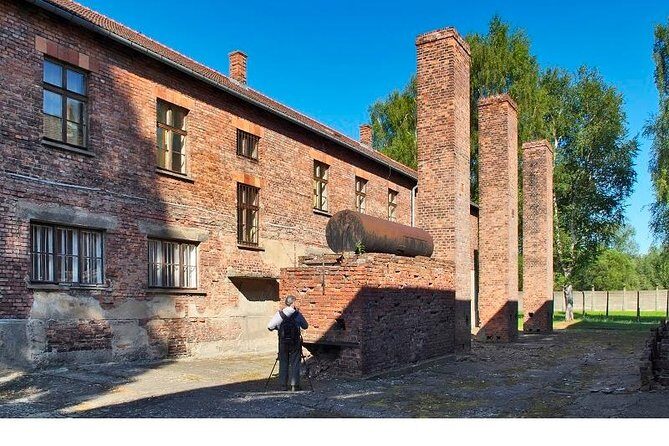
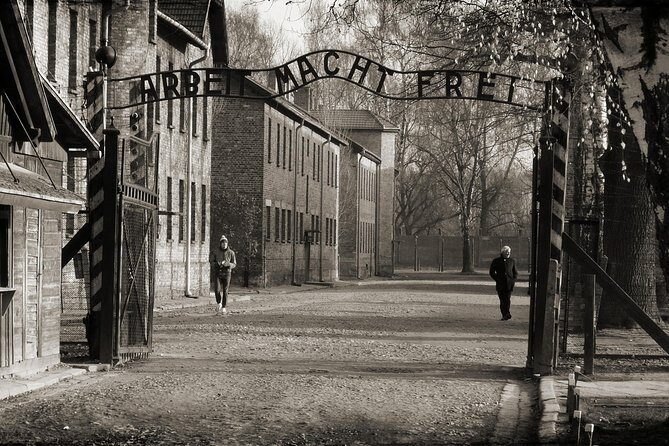
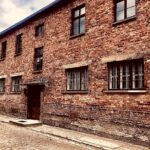
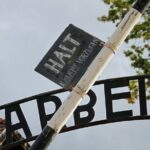
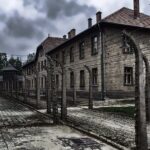
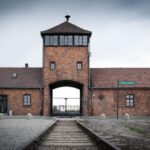
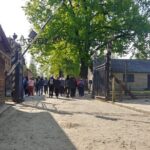
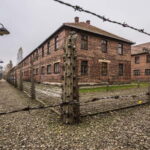
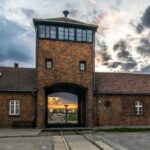
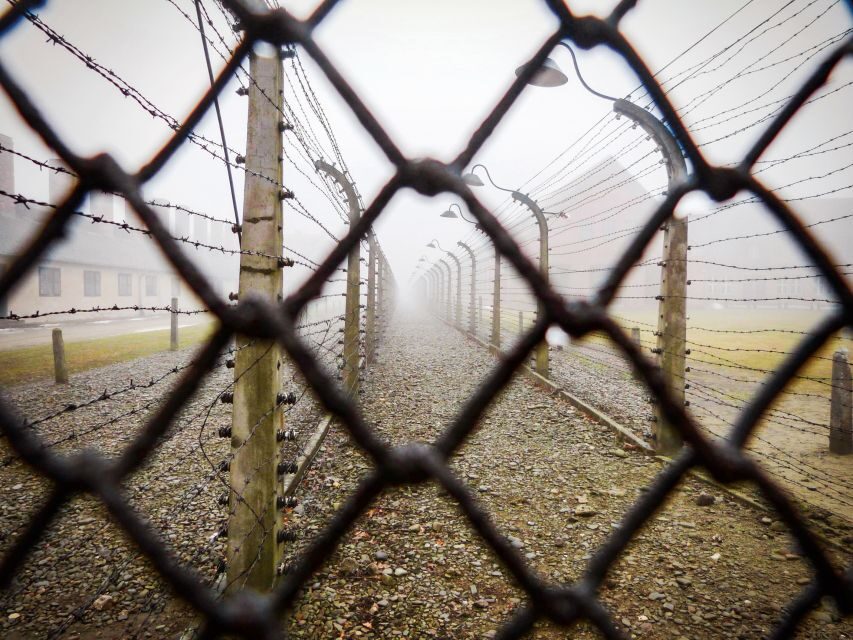
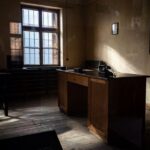
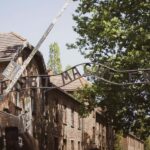
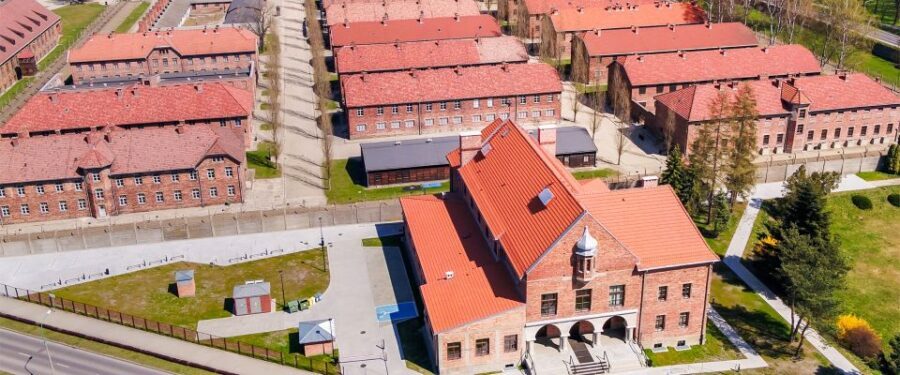
Your visit starts at Auschwitz I, the original camp area. This is where the Nazis set up the first concentration camp facilities for men and women and where early mass killing methods began. You’ll see how the camp operated at the core level, including administrative structures and prison spaces that were central to the terror.
One detail that stands out here is the emphasis on understanding how Auschwitz expanded. Auschwitz I wasn’t just one camp—it was the starting point for a larger complex, and the site shows how decisions and executions were organized and enforced. You also get the sense of how the camp machine ran through buildings, corridors, and documented procedures.
Inside Auschwitz I, your tour leader provides essentials about rules and how to move through the memorial area. That isn’t “small talk”—it helps you avoid wasting time figuring out what’s permitted and what isn’t, and it keeps groups moving in a way that works with museum regulations.
Judenrampe and the Original Train Car Moment
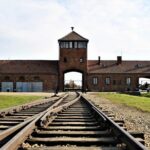
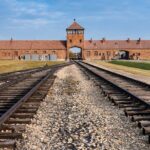
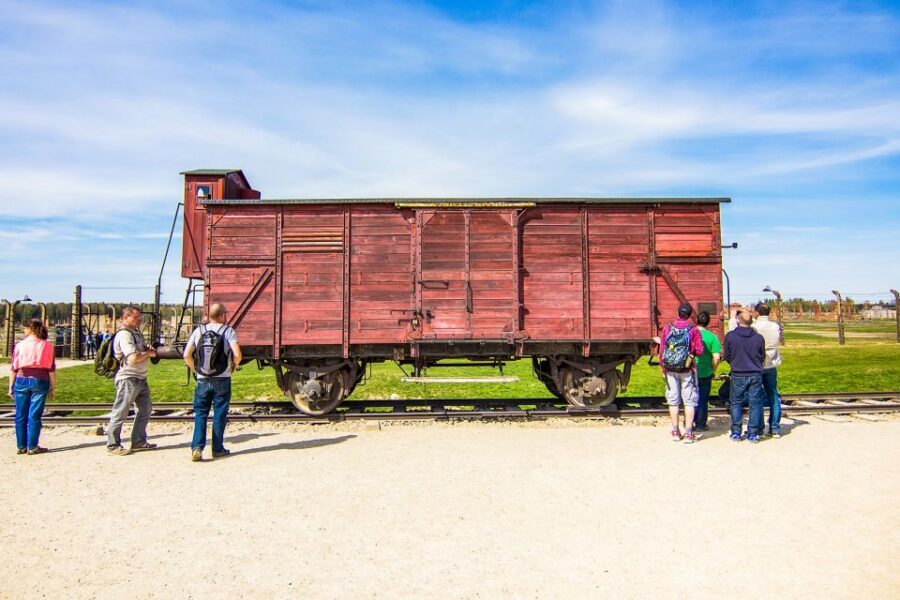
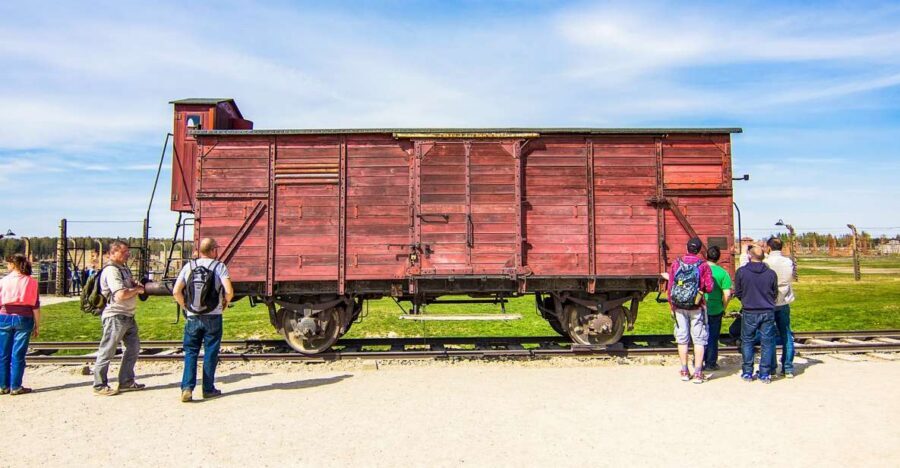
After the first segment, you’ll head to the next key area: the Judenrampe. This is one of those stops that feels like a direct bridge between transport and arrival—an uncomfortable but important connection you can’t learn from photos alone.
The highlight here is that you’ll see the original camp train car. This matters because the horror of Auschwitz wasn’t only in what happened after arrival; it also lay in how victims were processed, moved, and dehumanized as groups. Even a short pause at this point can recalibrate how you interpret everything else you’ll see next.
If you choose the self-guided or booklet-style options, this part is still built into the route, so you’re not skipping the most “site-specific” elements. If you choose the guided option, a professional guide can help you understand what you’re looking at and why this rail staging mattered.
Auschwitz II-Birkenau: Where the Scale Becomes Unavoidable
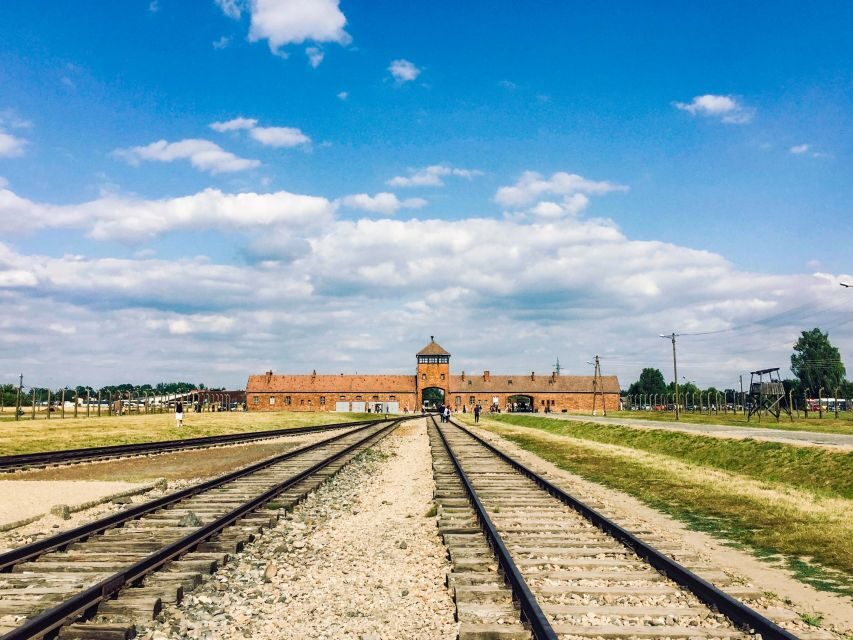
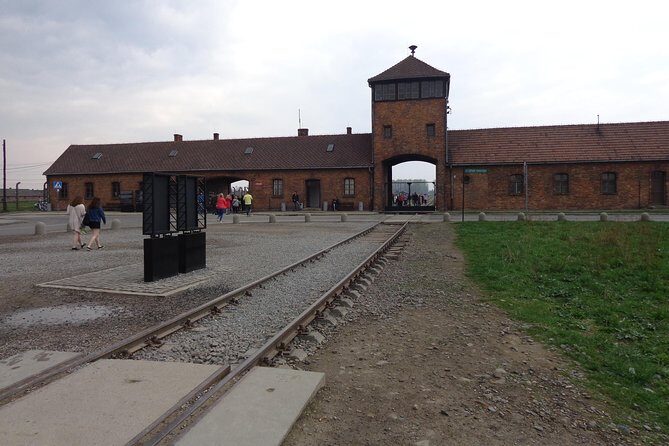
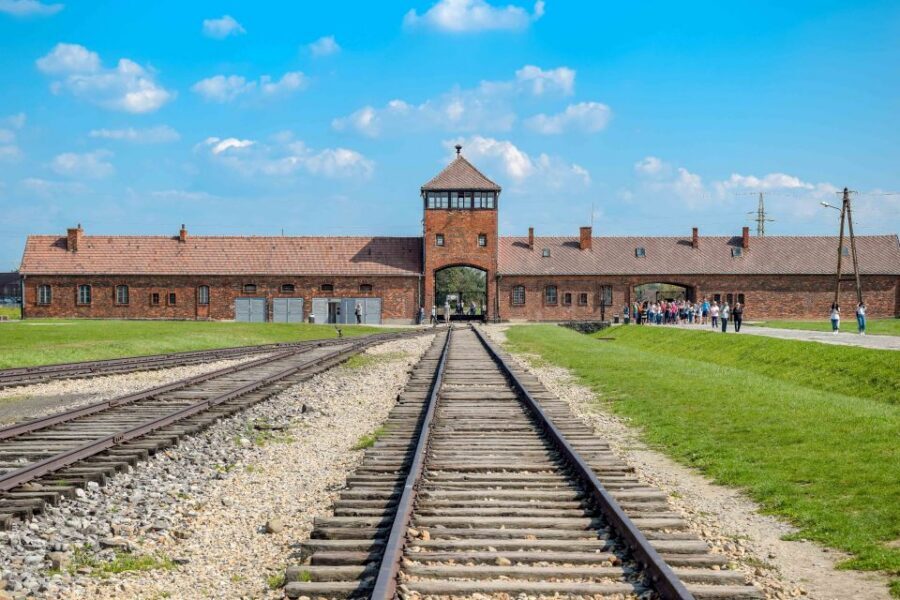
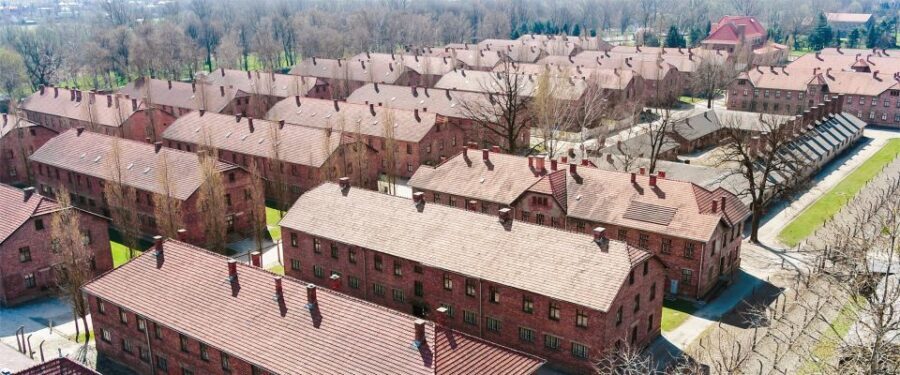
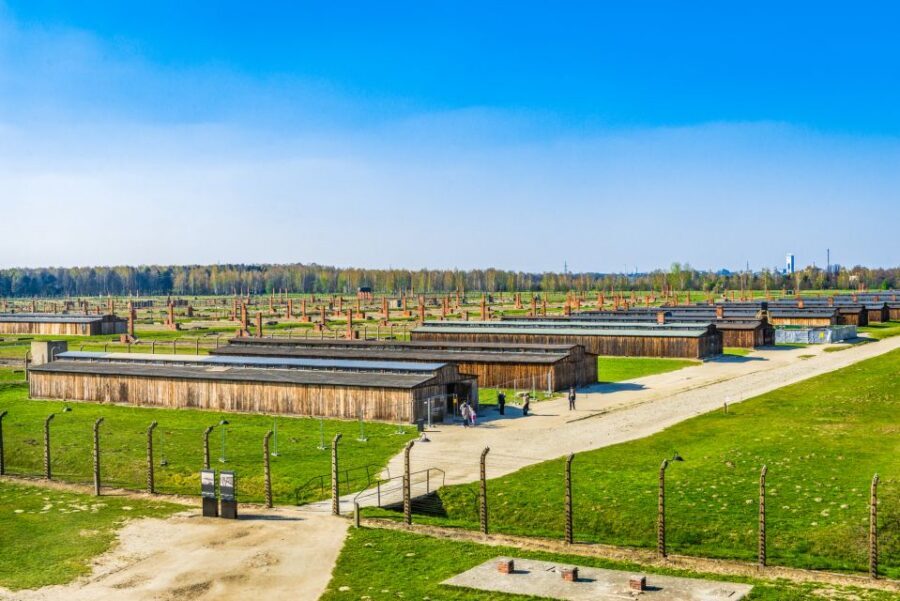
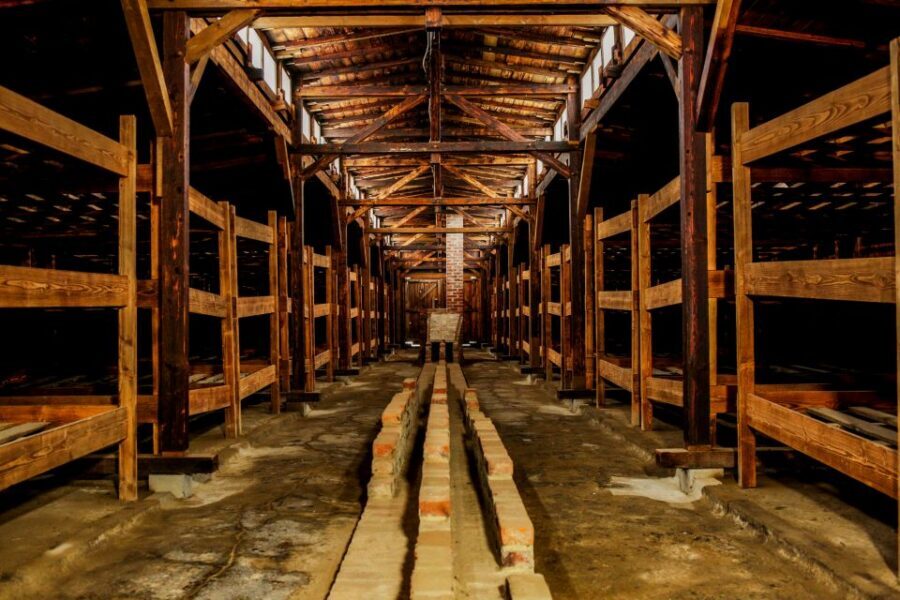
Then comes Auschwitz II-Birkenau, the larger camp area known for mass extermination facilities. You’ll be walking through preserved ruins and landscape remnants across a wide area, and the scale changes how the story lands. In Birkenau, you’re seeing the industrial logic of murder reflected in the layout and structures left behind.
This is also where about one million Jews were murdered, and where nearly 300 barracks (mostly wooden) were present at the height of the camp’s population. In 1944, Birkenau held over 100,000 prisoners, including Jews, Poles, Roma, and others. Those numbers aren’t just statistics here—they help you understand why the camp’s fencing, roads, barracks, and preserved sites feel so vast.
Because you’ll cover both Auschwitz I and Auschwitz II in one day, it helps to think of Birkenau as the “big picture” section: the place that shows how the system scaled up, how overcrowding operated, and how the camps were built to process enormous numbers of people in brutal conditions.
Other Auschwitz tours from Krakow in Krakow

Self-Guided vs Live-Guided: Pick the Right Level of Structure
This tour comes in multiple formats: you can go self-guided or choose a live-guided option. The difference is not just “someone talks vs no one talks.” It affects how long you’ll be on guided interpretation inside Auschwitz and how much context you’ll get as you move from one site to the next.
On live-guided options, you get a 3.5-hour guided tour of Auschwitz-Birkenau, and you’re also more likely to get skip-the-line tickets, depending on the selected choice. That can be a real time-saver when you’re working with a fixed day plan.
On self-guided or booklet-based options, you’ll have a guide book with maps and descriptions, including a suggested route. This can work well if you want to set your own pace and read carefully without needing a constant narration. Just remember: Auschwitz demands attention. Even if you’re self-guided, you’ll still benefit from staying close to your planned route so you don’t lose time in areas that require slow, respectful viewing.
Duration and Pacing: What the 7–11 Hours Really Mean
The trip length is listed as 7 hours to around 570 minutes, and the day can run longer depending on the option. The memorial also sets pacing and duration based on visitor service regulations, so think of your schedule as an approximation rather than a stopwatch promise.
In practice, you should expect an intensive day: travel, film context, then structured time at Auschwitz I, a short break, then time at Birkenau, followed by the return to Krakow. Because the areas are physically spread out (especially in Birkenau), comfortable shoes aren’t optional. And you’ll want to pace yourself emotionally too—this is not a place where you can skim.
One more practical benefit of having a host: they help keep the group together. With something this serious and rule-driven, that reduces the risk of ending up separated, which can be stressful when the whole point is to focus and move with the group safely.
Price and Value: How $22 Can Work (and When It Might Not)
The price listed is $22 per person, which is strikingly low for a full-day round-trip with a documentary ride and an Auschwitz visit. The key question is what you’re buying at that price: transportation plus host support, or a more complete guided interpretation package.
Some options include skip-the-line tickets and a longer guided component. Other options may require that you handle the entry ticket yourself. In particular, the entry ticket is not included for the option described as round-trip transport plus tour host assistance to get the ticket. So before you commit, check which format you’re choosing and whether tickets are covered inside the price.
Where the value really shows is in the “day design.” You’re paying for less hassle: pickup, a structured route that hits the major elements (Auschwitz I, Judenrampe/original rail car, and Birkenau), and help navigating memorial procedures. If you tried to do it solo, you’d likely spend more time coordinating transport and getting tickets, and that’s time you’d rather spend where it matters.
Who This Tour Suits Best (and Who Should Rethink It)
This trip is a strong fit if you want a clear plan and don’t want to manage transport while also handling the emotional weight of Auschwitz. It’s especially good if you like having an English-speaking host and, on guided options, a professional guide to explain what you’re seeing respectfully and clearly.
It’s less suitable for people with mobility impairments or wheelchair users, since the tour is not designed for those needs. Also, you’ll want to be ready for lots of walking and standing, particularly once you reach Birkenau’s larger preserved areas.
If you’re a first-timer to Auschwitz and you’re unsure how to interpret what you’ll see, the guided option usually provides the most immediate help. If you’re comfortable reading and want to move at your own pace, the booklet self-guided route can still work well as long as you stay on track.
Should You Book This Auschwitz-Birkenau Tour From Krakow?
Yes, I’d consider booking it—especially if you value structure. This is one of those rare tours where the main “service” is not entertainment. It’s organization, timing, and interpretation support so you can experience the site with care instead of confusion.
I’d book if:
- you want Krakow pickup and a simple round-trip plan
- you prefer an English-speaking host who keeps everything moving
- you want a route that includes Auschwitz I, Judenrampe/original train car, and Auschwitz II-Birkenau
I’d hesitate if:
- you need wheelchair-friendly access (this one isn’t suitable)
- you’re hoping for a flexible, stop-anywhere style day (memorial pacing rules keep things structured)
If you do book, the best prep is simple: pack light, wear comfortable shoes, and treat the documentary and guide materials as your warm-up. You’ll get more from the day if your mind is ready before you cross the threshold.
FAQ
What parts of Auschwitz are included?
You visit Auschwitz I and Auschwitz II-Birkenau, with time set aside for both areas during the day.
Is the tour self-guided or guided?
You can choose either a self-guided option or a live-guided option, depending on what you select.
How do the guided options work?
On guided selections, you get a professional guide and a 3.5-hour guided tour of Auschwitz-Birkenau. Some guided formats also include skip-the-line tickets.
Is there a documentary during the trip?
Yes. A documentary film about Auschwitz is shown on the way to the camp.
Do I need to buy entry tickets?
Entry ticket coverage depends on the selected option. For the specific option described as roundtrip transport plus tour host assistance to get ticket, the entry ticket is not included. Some guided options include skip-the-line tickets.
What meeting point is used in Krakow?
You meet in front of the Radisson Blu Hotel (Tourist Bus Stop), where you wait for a van, minibus, or coach marked KrakowDirect.
What should I bring and what can’t I bring?
Bring your passport or ID card and wear comfortable shoes. You’re not allowed luggage or large bags, and alcohol and drugs aren’t permitted.
Is it suitable for wheelchair users or mobility impairments?
No. The tour is not suitable for people with mobility impairments or wheelchair users.