REVIEW · KRAKOW
Guided Tour to Auschwitz Birkenau & Schindler Factory with PickUp
Book on Viator →Operated by Krakow Tours by KrakowDirect · Bookable on Viator
Krakow becomes real, fast. This full-day tour links Auschwitz I and Birkenau with Schindler’s Factory and keeps the logistics handled via coordinated transport and a licensed local guide for the camps. Two things I really like are the small group size (max 30) and the headset setup in Auschwitz I that helps you hear every detail clearly. One consideration: it’s a long, early day with a lot of walking, and the schedule is tight, so if you want lots of slow browsing (especially at Schindler’s), you may feel rushed.
You’ll also be asked to bring ID for Auschwitz and to travel light, which matters more than most people expect. The payoff is a focused, guided experience that turns famous names into a structured, place-based understanding of WWII and Krakow’s wartime reality.
In This Review
- Key things to know before you go
- Why this Auschwitz + Schindler combo is worth it
- Pickup logistics: what you gain (and what to plan for)
- Krakow to Oswiecim: the drive time and the snack reality
- Auschwitz I: walking the gate route with headsets
- Birkenau (Auschwitz II): the largest camp and why the scale changes everything
- Schindler’s Factory: WWII Krakow context after Auschwitz
- The real value of the guides (and what to look for)
- Walking, emotional pace, and practical behavior tips
- Price and value: what $69.99 is really buying
- Who should book this tour, and who might rethink it
- Should you book it? My decision guide
- FAQ
- Will pickup be from my hotel?
- How long is the tour?
- Is the tour offered in English?
- How big is the group?
- Do I need ID for Auschwitz-Birkenau?
- Are entrance tickets included?
- What should I bring for food?
- Can I take photos?
- How much can I carry on?
- Where does the tour end?
- Is there free cancellation?
Key things to know before you go
- Pickup and drop-off included: you’ll be moved between Krakow, Oswiecim, and the final stop without fuss.
- Headsets at Auschwitz I: easier listening as you follow the route through the key areas.
- Licensed Auschwitz guiding for the camps: the camp portion is led by a guide authorized by the Auschwitz-Birkenau Museum.
- Limited group size: the camps follow museum rules that cap groups (and the tour stays under 30 people).
- A second Krakow WWII stop: Schindler’s Factory adds context beyond the camps.
- Bring snacks: lunch isn’t built into the day and there’s no proper gap between Auschwitz I and Birkenau.
Why this Auschwitz + Schindler combo is worth it
Pairing Auschwitz-Birkenau with Schindler’s Factory is smart if you want a whole WWII story arc in one day. Auschwitz covers the machinery of oppression, while Schindler’s Factory shifts the lens back to Krakow’s wartime streets, labor, and Jewish life under Nazi rule. Doing both together also saves you the hassle of arranging separate days and second transport plans.
I especially like that this tour is built around guided time in the camps, not just drop-off sightseeing. Auschwitz is the kind of place where order matters. With a guide setting the sequence and giving context, you’re less likely to miss key transitions like what each camp area was used for and why the locations still look the way they do.
Other Auschwitz I and Birkenau combined tours in Krakow
Pickup logistics: what you gain (and what to plan for)
This tour runs from Krakow with a pickup option tied to either your hotel or a specified meeting point. Either way, you’re coordinating one departure rather than two separate trips. That’s a big deal for a day this emotional, because you don’t want to be wrestling maps and bus schedules while your brain is already overloaded.
Here’s what to plan for: the exact pickup time is confirmed the day before, and it can shift based on museum timing and traffic. Your pickup window can fall between 5:00 AM and 2:00 PM, and the tour can adjust the start time if needed. In other words, treat your schedule on the day as flexible until you get that confirmed time.
Vehicle comfort can be good, but it varies by departure. Some riders report a comfortable minibus and even short extras like a history DVD on the drive. That’s not something you should bank on for every trip, but the general theme is that transport is handled, not DIY.
Krakow to Oswiecim: the drive time and the snack reality
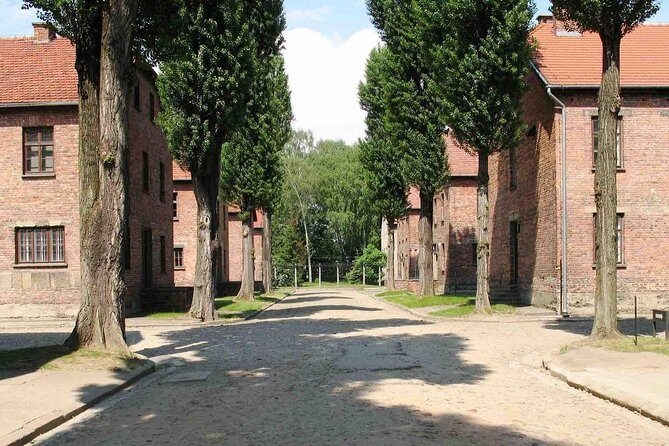
Oswiecim is about 1 hour 15 minutes away (65 km), so you’ll spend real time on the road. The day is structured so you land in time for museum procedures and the guided route without a long idle stretch.
That’s where your “small” packing and food choices matter. Lunch isn’t included, and there’s no time for a regular meal between Auschwitz I and Birkenau. The tour suggests bringing a snack, and I agree with that advice. Even if you arrive hungry, there won’t be a convenient grocery stop on-site in the way you might expect.
Also note the luggage rule: your carry-on can’t exceed 30 x 20 x 10 cm. Larger bags can be left in the car. This means you’ll want to travel light with anything you might need during the day (water, a snack, and your ID).
Auschwitz I: walking the gate route with headsets
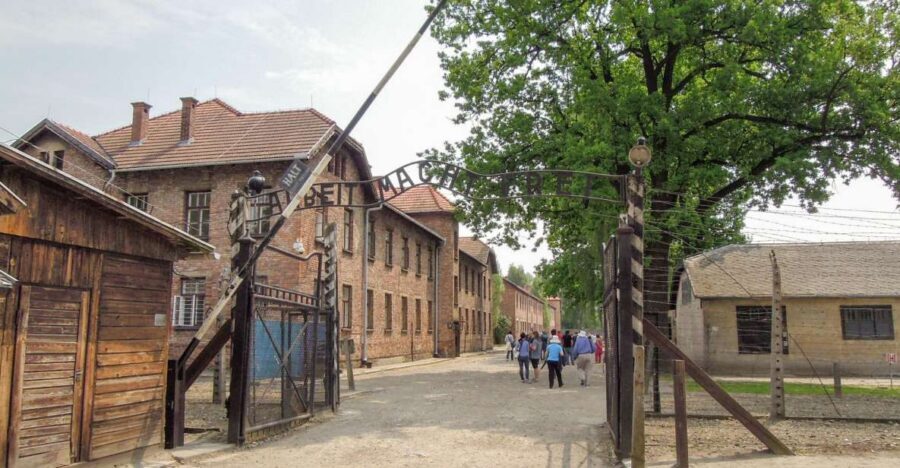
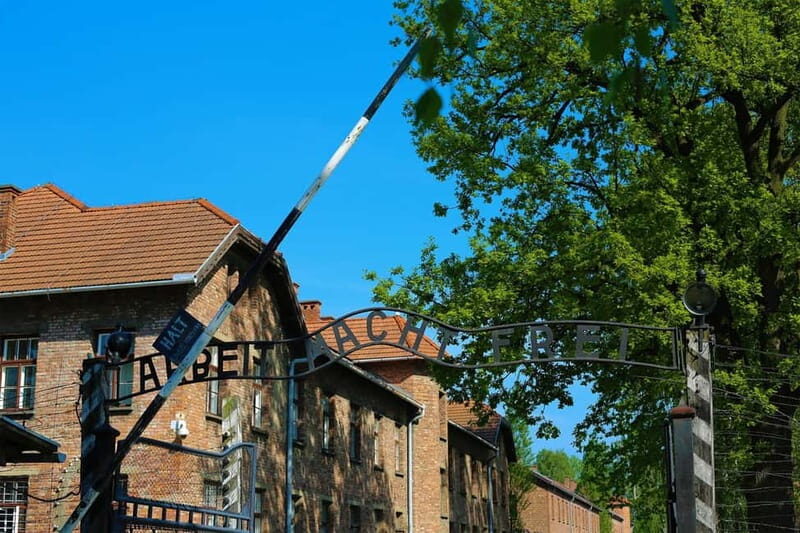
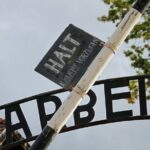
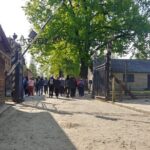
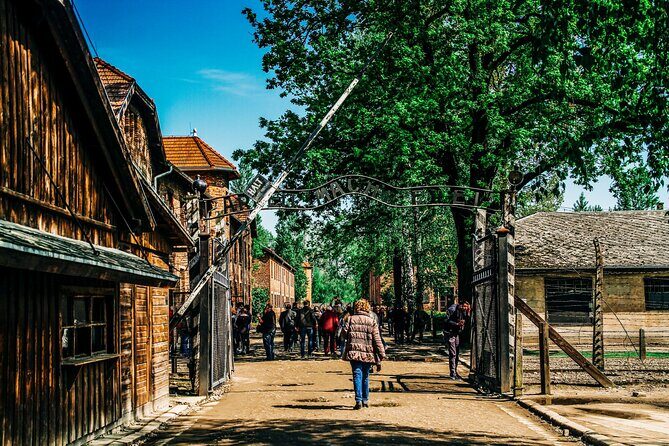
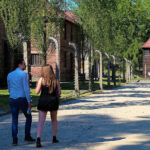
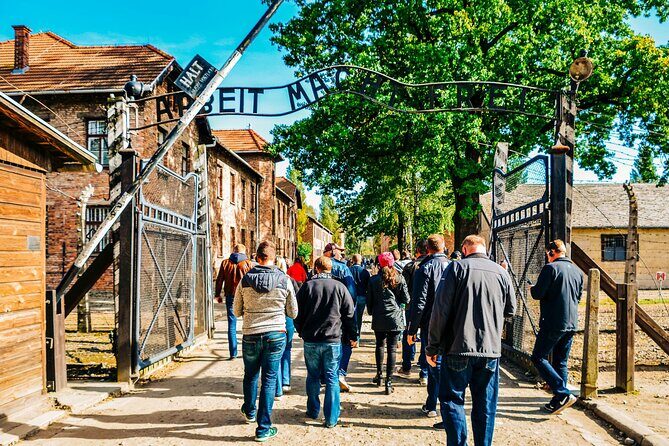
Auschwitz I is where the story becomes physically anchored. You enter and begin at the area tied to the early concentration camp for Polish citizens arrested after Germany annexed the country in 1939. Then you move through the infamous entrance area bearing Arbeit Macht Frei (Work Makes You Free), which still hits hard because it’s the deliberate cruelty of the place, not just history.
A detail I appreciate in the way this tour is designed: the camp portion uses a headset system so you can hear your guide clearly even when the group is moving. At Auschwitz, silence and crowd motion can make it easy to lose spoken context. Headsets help you stay with the narrative.
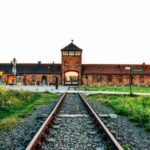
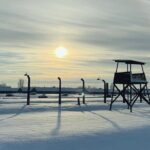
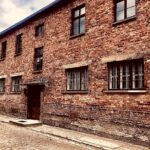
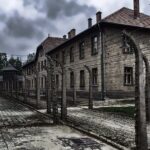
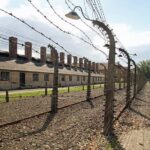
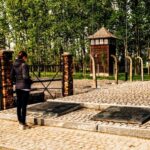
In this part of the visit, you’ll see core elements and remains tied to the camp’s function, including wooden barracks and the fortifications like walls and barbed wire fences. The tour also covers areas such as crematory spaces and the “Death wall,” leaving you with an understanding of the scale and systems at work. Time-wise, expect about two hours in Auschwitz I.
Possible drawback: this segment can feel fast emotionally because the museum is busy and you’re moving through many sites. If you’re the type who needs long pauses to process, you may feel the pressure from the group pace. The good news is that the guide’s structure is meant to help you interpret what you’re seeing rather than rushing past it without meaning.
Birkenau (Auschwitz II): the largest camp and why the scale changes everything
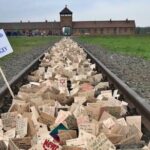
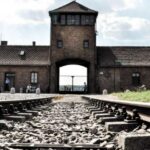
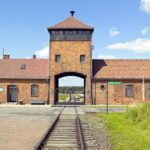
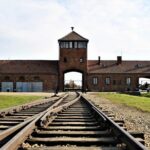
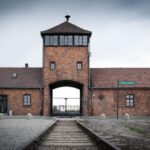
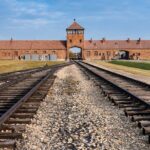
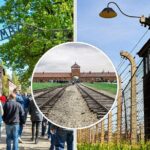
Birkenau is not just another stop. It’s a different kind of impact because of its size and the way the layout communicates mass imprisonment. The tour continues after a short break, then moves just a few minutes to Birkenau (Brzezinka).
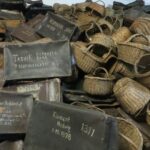
Your guide explains Birkenau’s role as the largest camp, built and operated with the intent of making Europe Judenrein (free of Jews). You’ll hear about selection processes, brutal living conditions, and the pseudo-scientific medical experiments conducted by Nazi doctors, including Josef Mengele. The language is heavy because the events are heavy; that’s the purpose of a guided visit here—facts in the right order, not random patchwork.
This is also where that “headset and group structure” matters even more. In Birkenau, it’s easy for people to drift visually because you’re seeing open space, ruins, and remnants that don’t automatically tell you the full story. A guide gives you the thread.
Timing-wise, this portion runs about 1 hour 30 minutes and ends with a liberation narrative: soldiers from the 60th Army of the First Ukrainian Front opened the gates on January 27, 1945. The tour’s ending aims to place your visit within the full arc of genocide and why it must never happen again.
One practical consideration: Birkenau can be physically demanding because it’s a sprawling site. If you’re sensitive to uneven ground, long walking distances, or standing for long periods, wear shoes with real grip.
Other Auschwitz tours with hotel pickup in Krakow


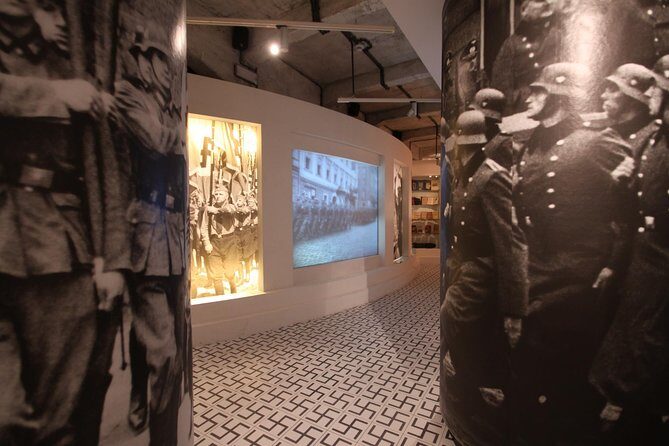
Schindler’s Factory: WWII Krakow context after Auschwitz
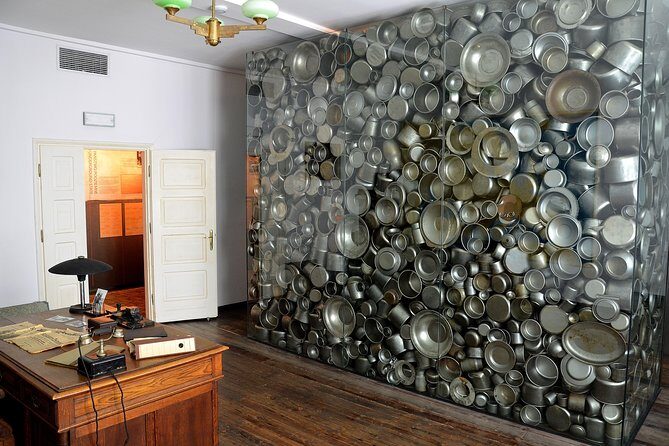
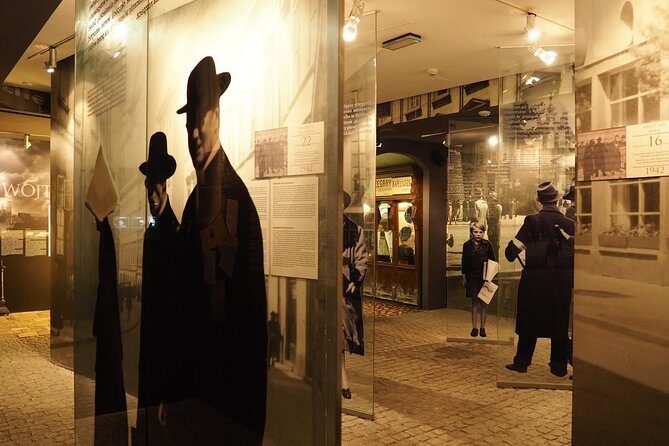
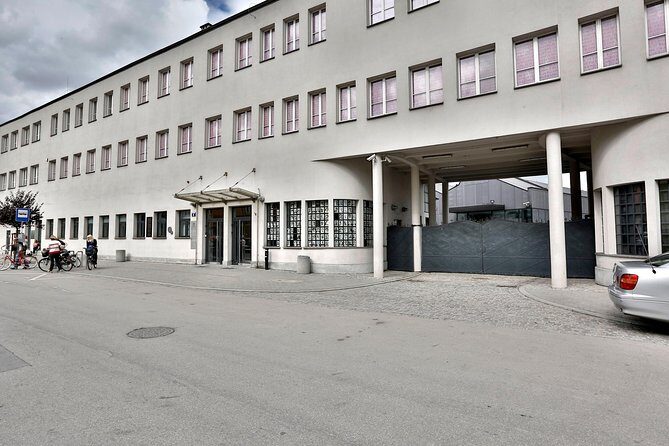
After the camps, you’ll head back into Krakow for Oskar Schindler’s Factory Museum. The driver drops you in front of the museum, and a guide meets you there. This is a different tone than Auschwitz: it’s still WWII-focused and serious, but it pivots toward how people lived, worked, and survived amid Nazi occupation and the Krakow ghetto’s shadow.
The museum’s framing is centered on Schindler’s actions to save Jewish people. But just as important, it also connects you back to Krakow during World War II. The exhibitions are described as interactive, and that interactivity can be a helpful change after the starkness of the camps. You’re not just looking at artifacts; you’re learning the setting in a more “street-level” way.
Expect about 1 hour 30 minutes here. That time includes guided explanation plus time to move through the exhibits. It’s enough for a solid visit, but it’s not built for long, slow wandering.
A balanced note: Schindler’s Factory experiences can vary in comfort depending on group size and how the guide manages an active museum space. One mixed point from real-world experience is that a larger group can make it feel like there’s less room to breathe in the museum galleries. If you’re someone who hates feeling packed in, this is worth keeping in mind.
The real value of the guides (and what to look for)
For Auschwitz I, the tour includes a professional local guide licensed by the Auschwitz-Birkenau Museum, and headset audio helps you keep their explanation close to what you’re seeing. That licensed structure is important: it means the guide is working within a museum-approved way of presenting the site.
From on-the-ground reports, the camp guide experience can be strong enough to change how the day lands emotionally. People highlight guides who explain the horrors with sensitivity and keep the focus on why visiting matters. There are also specific driver and guide mentions like Michael and Bart in the pickup and driving experience, which suggests the organization is often led by recognizable, consistent staff rather than “whoever shows up.”
What should you do as a visitor? Bring your curiosity, but also bring restraint. You don’t need to race ahead. If you want to ask questions, do it when the group has a pause. And if you need a moment alone, take it. This is one of those places where the best respect is thoughtful breathing space, not constant motion.
Walking, emotional pace, and practical behavior tips
This day is intense, and the schedule is tight. Auschwitz I and Birkenau are not just museums you “see.” They’re sites where how you move through space affects how well you can process what you’re learning.
The tour requests respectful behavior throughout. That’s not a generic rule; it’s the atmosphere. I’d also plan for emotional reactions. The tour notes Auschwitz can be traumatic and recommends a minimum age of 13 years. If you’re traveling with teens, make sure everyone is ready for the type of information and imagery involved.
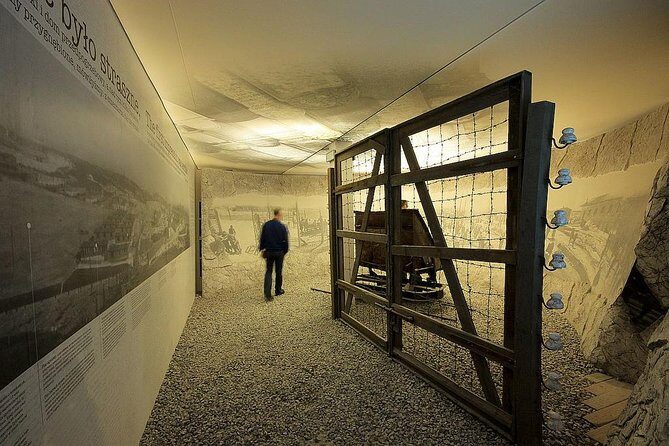
Also, consider your body. There’s a lot of walking across multiple locations, and one review highlight points out “lots more walking than I thought.” Comfortable shoes are not optional.
Photography is generally allowed with a few exceptions. So bring your camera or phone if you want it, but expect signs or areas where you’ll be asked not to shoot.
Finally, snacks and water: lunch isn’t included and there’s no sit-down meal gap. A small food plan helps you keep your head clear.
Price and value: what $69.99 is really buying
At $69.99 per person, this tour has one major value lever: you’re bundling transport plus guided visits to two major WWII learning centers. Many people underestimate how hard it is to coordinate Krakow-to-Oswiecim transport and then keep timing intact for the museum’s entry procedures and guided route.
The price can also shift depending on which pickup option you choose. The tour notes that you need to select the correct product option for hotel pickup versus meeting point pickup because the price differs. That means $69.99 is most accurate for the base pickup scenario. If you want the easiest door-to-door option, budget a bit more.
Also, keep your expectations realistic. Auschwitz and Birkenau have systems you must follow once you arrive, and Schindler’s Factory is a different type of space. If you want a relaxed day with lots of time to linger, a single-day combo might feel rushed. But if your goal is a well-structured, guided day that covers key sites, the value stacks up quickly.
Who should book this tour, and who might rethink it
This is a strong fit if you:
- want one organized day instead of planning separate trips
- like guided structure, especially for a place as complex as Auschwitz
- want WWII and Krakow context in the same outing
- appreciate small groups (max 30)
You might rethink it if you:
- struggle with long walking days or standing for extended periods
- need lots of free time for self-paced exploring
- prefer a more open-ended museum visit at Schindler’s Factory (the schedule is fixed, and the group experience can feel tight if crowding happens)
If you’re a history fan, you’ll likely come away with a clearer timeline because the tour keeps the sequence moving from Auschwitz I to Birkenau and then to Krakow’s WWII story at Schindler’s Factory.
Should you book it? My decision guide
Yes, I’d book this tour if you want the convenience of transport plus guided time at Auschwitz-Birkenau and then a meaningful add-on in Krakow. The big strengths are the small group cap, the headset setup in Auschwitz I, and the licensed guide approach for the camps. That combination helps you stay oriented and hear the story clearly, which is exactly what you want at a site this significant.
Skip (or consider another format) if you’re hoping for a slow, roomy day with no schedule pressure. This is a long, emotionally heavy itinerary, and it moves.
If you do book, go in prepared: bring your ID, pack a snack, wear good shoes, and plan your expectations around a guided learning day rather than an airy self-guided stroll.
FAQ
Will pickup be from my hotel?
Pickup is offered from either your specified hotel or a meeting point, depending on the option you choose. The exact pickup time is confirmed by email the day before departure, and it can shift due to museum timing and traffic.
How long is the tour?
The tour runs about 8 hours 30 minutes (approx.).
Is the tour offered in English?
Yes, it is offered in English.
How big is the group?
The tour has a maximum of 30 travelers.
Do I need ID for Auschwitz-Birkenau?
Yes. Auschwitz requires confirming personal details, so you must bring a passport or ID to present at the entrance.
Are entrance tickets included?
Yes. Admission tickets are included for the Auschwitz-Birkenau museum portions and for Schindler’s Factory.
What should I bring for food?
Lunch is not included, and there’s no time for a regular meal between Auschwitz I and Birkenau. Bring a snack.
Can I take photos?
Visitors are generally allowed to take pictures with a few clearly indicated exceptions.
How much can I carry on?
Your carry-on must not exceed 30 x 20 x 10 cm. Larger luggage can be left in the car.
Where does the tour end?
The tour ends at Schindler’s Factory in Krakow.
Is there free cancellation?
Yes. You can cancel for a full refund up to 24 hours in advance of the experience start time.