REVIEW · KRAKOW
From Krakow: Auschwitz & Birkenau Guided Tour with Pick up
Book on GetYourGuide →Operated by Walking & talking · Bookable on GetYourGuide
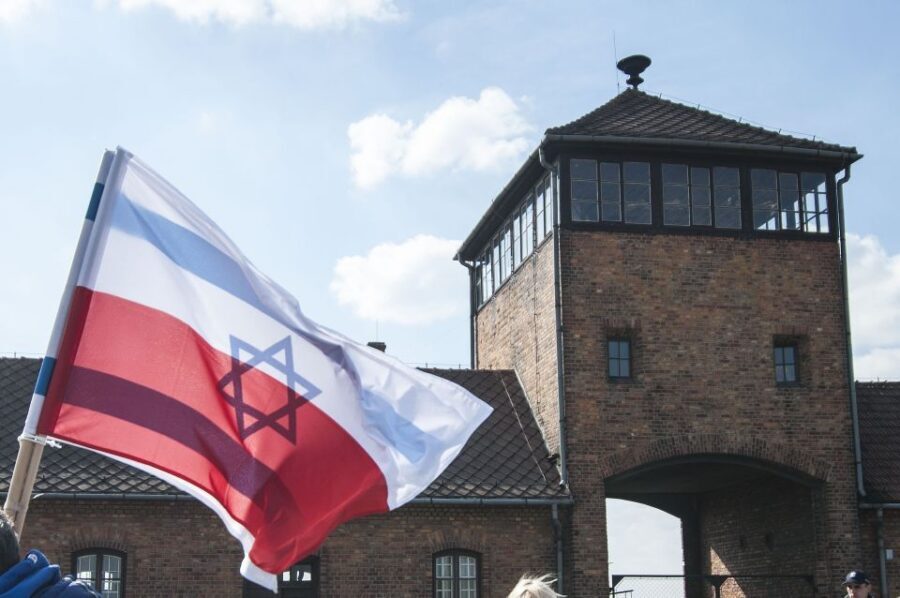
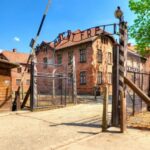
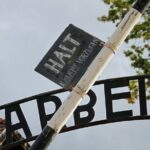
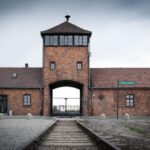
That gate at Auschwitz changes people fast. This 7.5-hour tour pairs skip-the-line access with a structured walk through Auschwitz I and Auschwitz II, so you don’t just see ruins—you understand what happened there.
I really like two things: the museum-trained guides who explain the sites clearly in English, and the way the itinerary moves from Auschwitz I to the much larger Auschwitz II so the story makes sense. You’ll be on foot for multiple parts, and on cold days it can feel long, so plan for comfort.
One thing to consider: the schedule can shift because Auschwitz guide availability can affect tour times, and the day-before change doesn’t qualify for a refund.
In This Review
- Key highlights you’ll notice right away
- Auschwitz I, Auschwitz II, and why this tour matters
- Getting to Auschwitz from Krakow without the stress
- The Auschwitz I walking tour: prison blocks, belongings, and the first turning point
- The short break and transfer to Auschwitz II
- Auschwitz II (Birkenau): railway arrivals and the scale of the system
- The guide experience: why Cyprian’s name comes up
- Price and value: what you’re really paying for at $89
- Practical tips so the day feels manageable (not brutal)
- Where the day ends in Krakow
- Should you book this Auschwitz & Birkenau guided tour?
- FAQ
- How long is the Auschwitz & Birkenau guided tour from Krakow?
- Is the entry ticket included, and do I skip the line?
- What language is the guide speaking?
- Do I need to bring identification?
- What should I bring and what’s not allowed?
- Is the tour wheelchair accessible?
Key highlights you’ll notice right away
- Museum professional guidance with headsets so you can hear every stop clearly
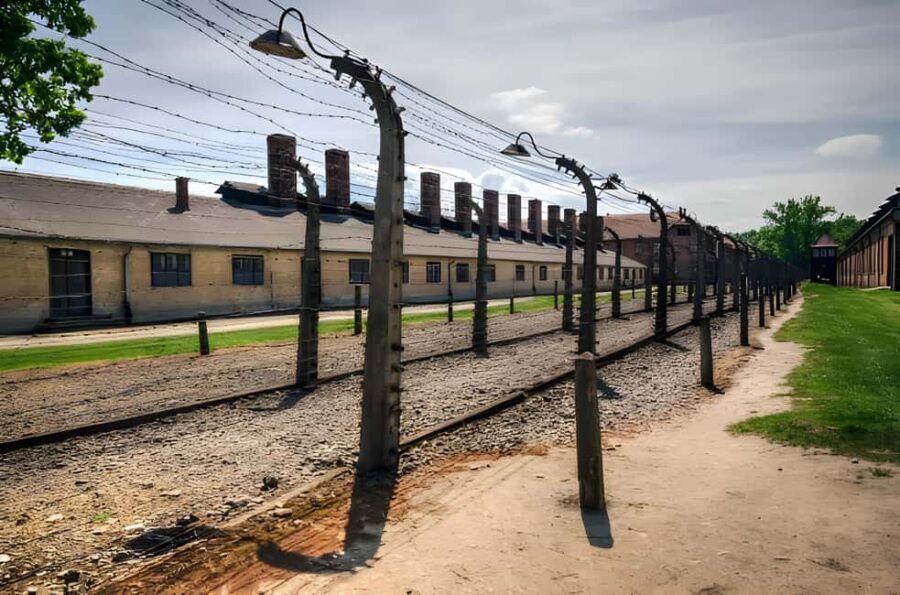
- Auschwitz I essentials, including prison blocks and the gas chamber/crematorium area
- Auschwitz II scale, with railway tracks and the unloading ramp where arrivals were sorted
- Memorial pauses that slow the day down for remembrance and context
- Transport is handled, with round-trip air-conditioned bus plus a defined drop-off in Krakow
- Guide name recognition, with visitors praising Cyprian for going above and beyond and speaking excellent English
Auschwitz I, Auschwitz II, and why this tour matters
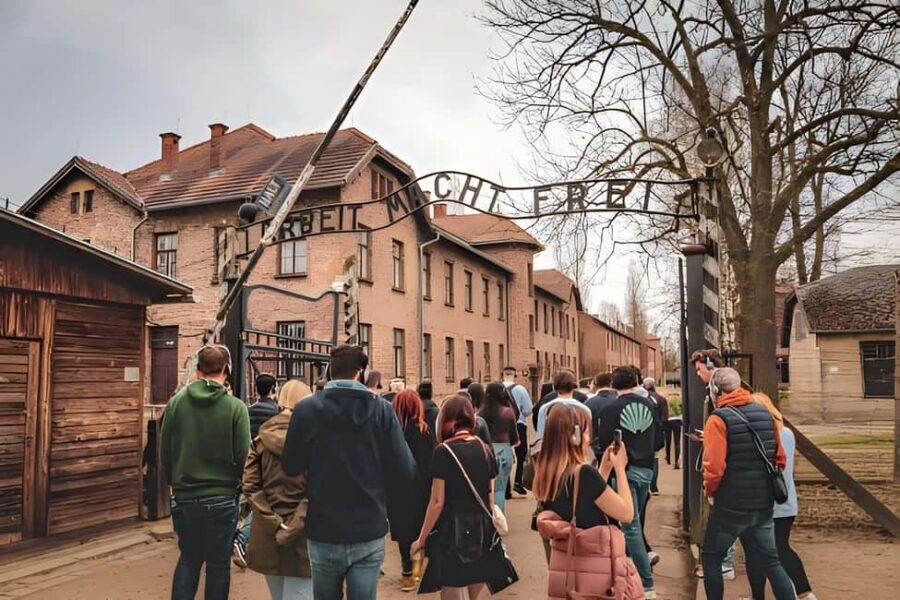
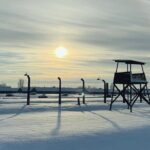
Auschwitz-Birkenau isn’t a normal sightseeing day. It’s a place where the details hit harder when you’re guided through them in order, with time to process what you’re seeing. This tour is built like that: you start with Auschwitz I and then move on to Auschwitz II, the extermination camp where most of the killings took place.
What makes this experience especially valuable is the combination of official museum guidance and a route that tracks key evidence. You won’t just wander. You’ll be pointed to specific prison blocks, memorials, and remains tied to how the Nazi system worked.
You should also know what you’re signing up for emotionally. The gas chambers and crematorium area at Auschwitz I and the ruins at Birkenau are not “scenes.” They’re places of industrialized murder. Your guide’s job is to explain what happened there and what the site still communicates today.
Other Auschwitz I and Birkenau combined tours in Krakow
Getting to Auschwitz from Krakow without the stress
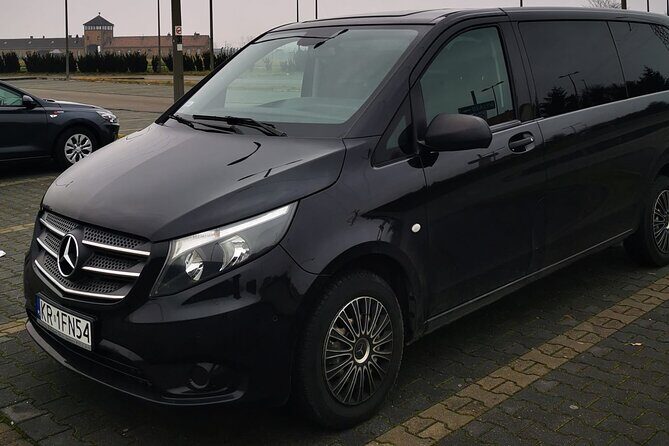
The day starts with pickup in Krakow. You’ll wait at the hotel lobby or right by the entrance for the driver, who carries a sign that reads Discover Cracow. Then you’re on an air-conditioned bus for about 1.5 hours toward the memorial.
This transport part is genuinely practical value. With pickup included, you don’t have to figure out timing, local transit, or parking. And since you’re heading to a controlled ticketed site, it helps to arrive in the right order rather than sprinting around logistics.
Two small notes that matter. First, call the supplier the day before to confirm the pickup time. Second, tour times may shift depending on guide availability at the Auschwitz memorial, and you’ll be contacted the day before—so build a little flexibility into your Krakow schedule.
The Auschwitz I walking tour: prison blocks, belongings, and the first turning point
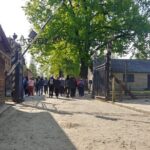
Once you reach the memorial and museum area, you get a guided walking tour of Auschwitz I that lasts about 2.5 hours. The structure of the visit is important because Auschwitz I sets up the early system: detention, confiscation, humiliation, and the machinery of terror.
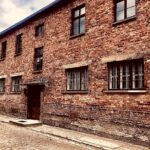
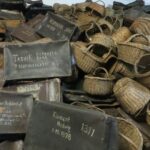
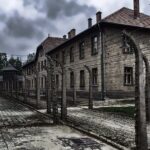
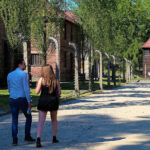
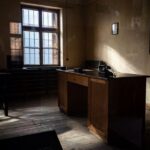
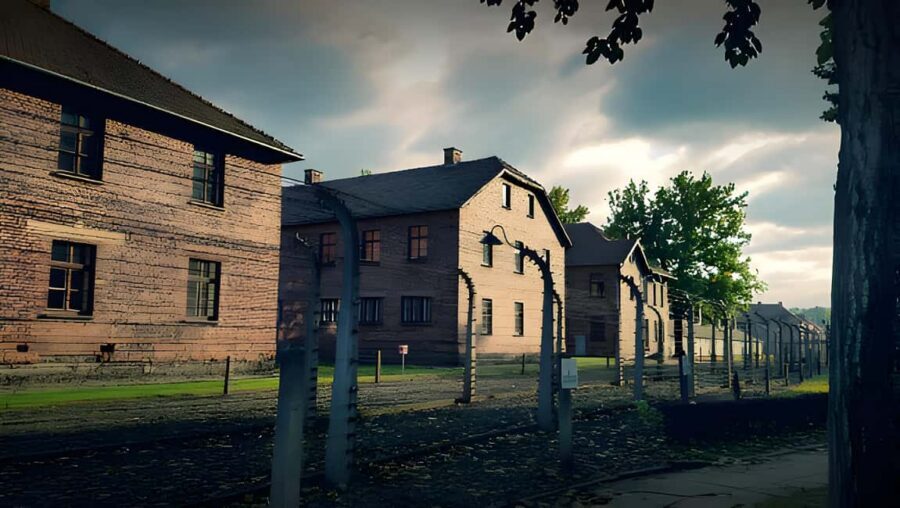
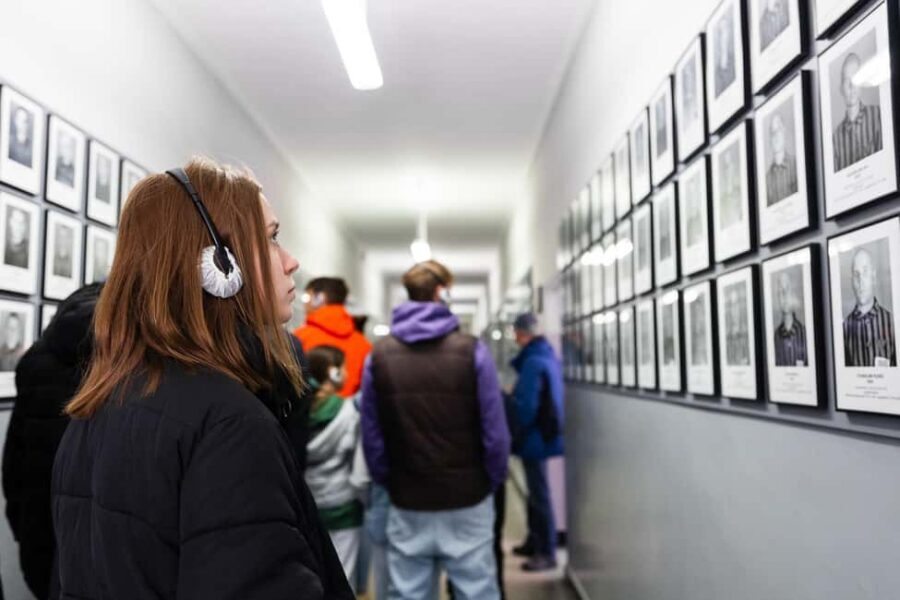
You’ll go through several key parts of the camp, including the prison blocks—brick barracks where prisoners were housed. Some of these blocks are now museum exhibits that document atrocities committed during the Holocaust. This is where you’ll see personal belongings, photographs, and letters connected to people who were imprisoned there.
One of the hardest parts is the area connected to the gas chambers and crematorium. Even though the site is preserved and explained, it’s still the point where your brain finally catches up with what the camp actually meant. Your headset matters here—good audio keeps you connected to the guide’s explanations instead of zoning out.
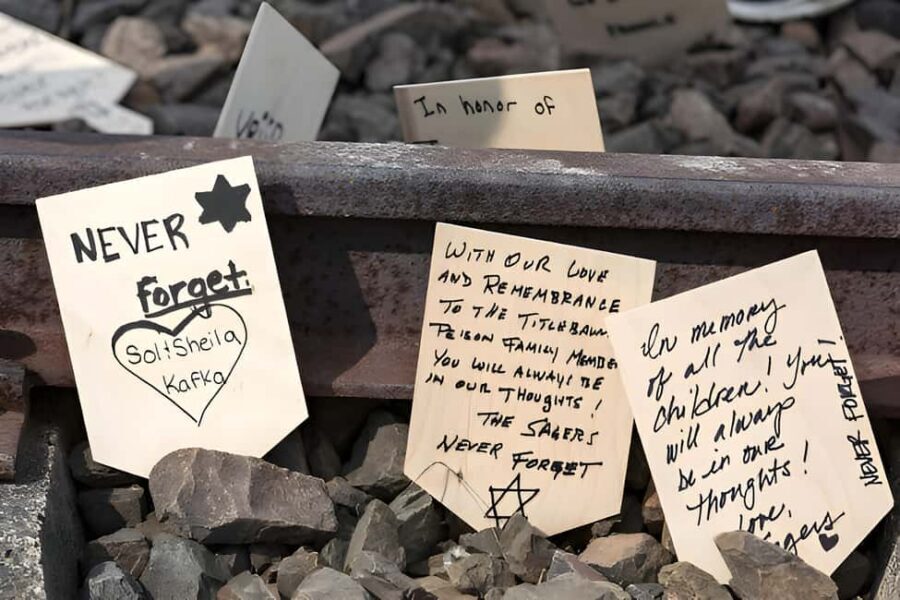
Between the heavy parts, your guide pauses at memorials honoring the millions who perished. Those pauses give you a moment to switch from shock to understanding. If you rush through memorial sites, you miss what they’re trying to teach.
The short break and transfer to Auschwitz II
After Auschwitz I, you get a short break before heading to Birkenau (Auschwitz II). The two sites are only a few kilometers apart, but the experience shift is huge. Auschwitz II was built as an extermination camp, and that difference shows up quickly once you arrive.
There’s also a brief bus leg—about 15 minutes—before the Birkenau walking portion begins. In real life, this is where you can grab water, use the restroom, and adjust layers, especially if the weather is cold.
If you’re the type who hates wasting time, this break is still worth it. Birkenau requires a lot of attention. Taking five minutes to reset helps you follow the guide when the scale starts to feel almost unbelievable.
Auschwitz II (Birkenau): railway arrivals and the scale of the system
Auschwitz II is where the scope lands. The guided tour there lasts about 1.5 hours, and it’s designed to show how arrivals worked and what prisoners faced once they entered the camp system.
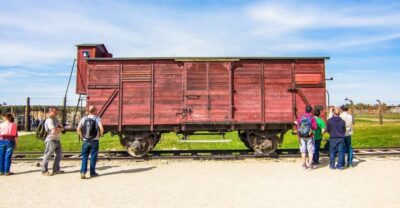
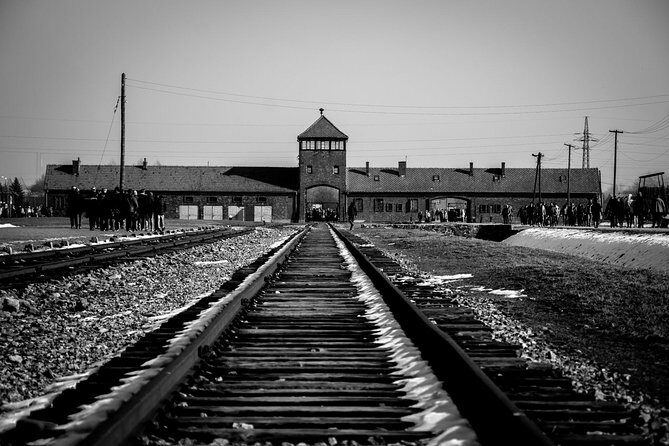
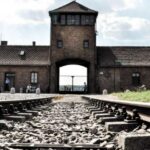
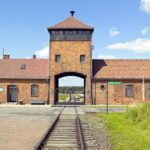
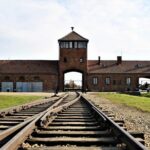
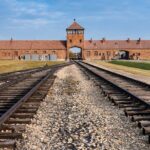
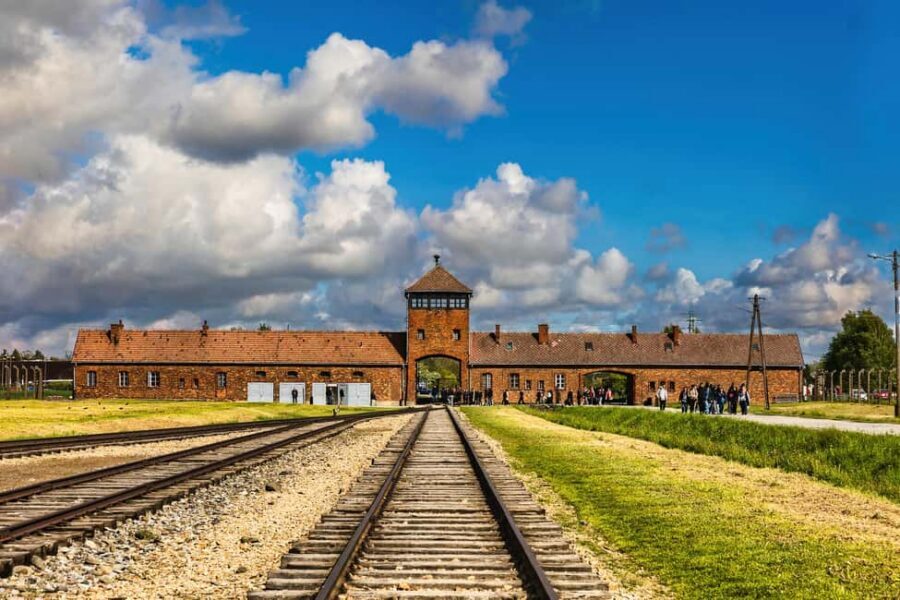
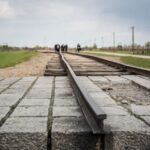
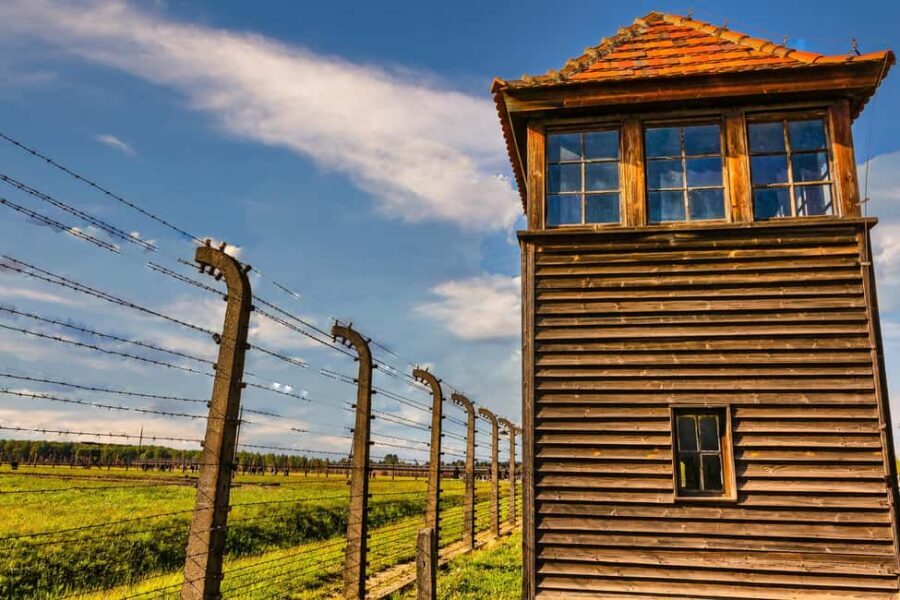
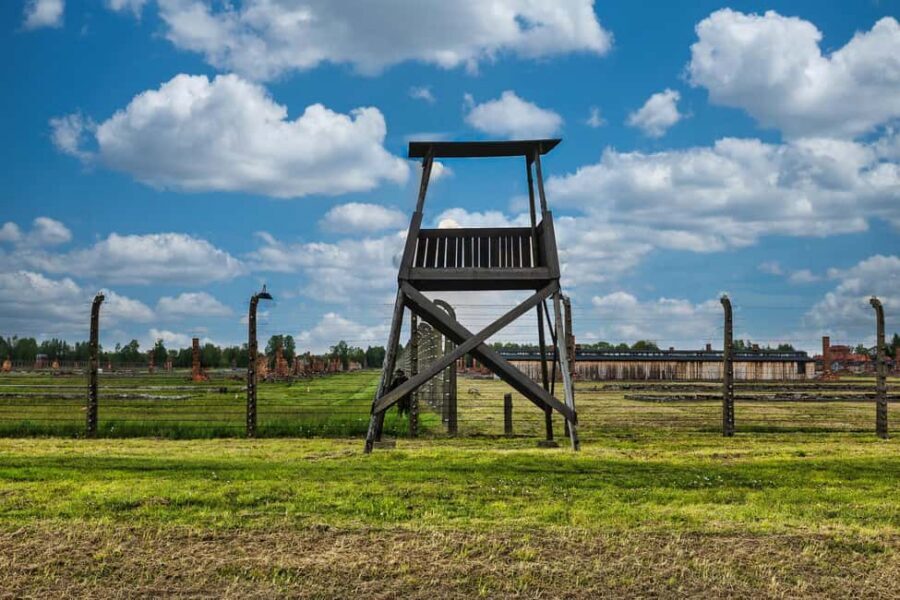
Your route starts at the railway tracks and the unloading ramp. This is where prisoners arrived by train and were sorted into groups—those deemed fit for forced labor and those sent immediately to the gas chambers. Hearing this explained matters because the tracks and ramp look simple, but the process behind them was a coordinated act of mass murder.
Next come the wooden barracks, where prisoners were kept in deplorable conditions. The guide talks about daily life in the camp and what conditions meant in practice, not just as an abstract fact. This is one of those “you’ll remember this sentence later” parts, because it connects the remains to human routine and suffering.
You’ll also see the ruins of gas chambers and crematoria. These were deliberately destroyed by the Nazis as they tried to cover up their crimes. Standing in the remains, with your guide explaining what that destruction meant, you get a clearer picture of how the perpetrators tried to erase evidence—without erasing responsibility.
The tour ends at the International Memorial. It’s a structured closing moment for reflection and remembrance, not a “gift shop finale.” Even if you want the day to end quickly, that last stop helps you leave with a sense of purpose.
Other Auschwitz tours from Krakow in Krakow

The guide experience: why Cyprian’s name comes up
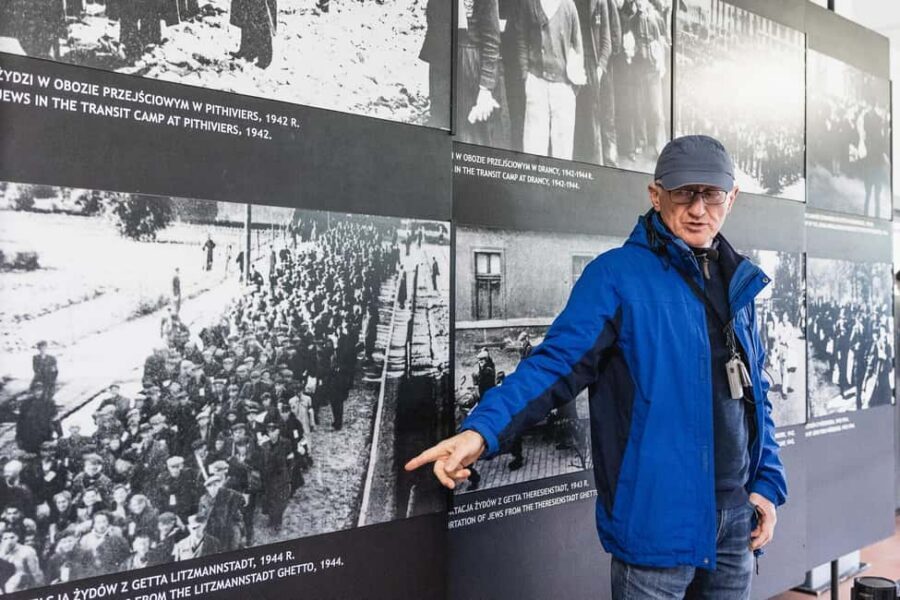
If you’re choosing between tour options, the guide quality is not a small detail here—it changes the whole day. This tour includes a professional, qualified guide from the museum, plus a tour leader who looks after you.
In feedback, Cyprian stands out for being amazing, professional, helpful, and clearly able to deliver the story in excellent English. That kind of clarity matters at Auschwitz-Birkenau, where small details can connect into the bigger picture fast.
Also, you get headsets. That sounds basic, but in real sites like this, it prevents the common problem of missing key points because you’re standing at the wrong angle or the group is moving away from you.
Price and value: what you’re really paying for at $89
At about $89 per person, you’re not just paying for a bus ride. You’re paying for several things that add up:
- Round-trip air-conditioned transportation from Krakow
- Skip-the-line entry for Auschwitz-Birkenau Memorial and Museum
- Live English museum guide plus a tour leader
- Headsets to hear clearly
When you price those pieces separately, the value gets clearer. The skip-the-line ticket alone can save time and stress on a site that runs strict entry and guided access. And the fact that the guide is professionally connected to the memorial gives you a safer bet that explanations will be accurate and structured.
This is also where non-refundable matters. If your schedule is tight in Krakow, consider whether you can handle a day-before time change. The tour itself sounds fixed in your plan, but Auschwitz guide availability can shift the timing.
Practical tips so the day feels manageable (not brutal)
Auschwitz-Birkenau is physically demanding, even when the walking is guided. Wear comfortable shoes. Bring comfortable clothes. Bring your ID or passport because you need it to enter.
You should also plan for temperature. One review mentioned a cold day and feeling chilly because the bus heater didn’t seem to be on, and the tickets weren’t handed out as quickly as expected. So I’d treat this like a “dress for discomfort” day: layers, warm socks, and a jacket you don’t mind using constantly.
Also, you’re expected to follow site rules. Weapons or sharp objects aren’t allowed, and neither are alcohol or drugs.
Finally, make sure the name you provide during booking matches the name on your ID exactly. Entrance can be refused if there’s a mismatch. That’s an easy thing to prevent—double-check it early.
Where the day ends in Krakow
After Birkenau, you’re back on the bus for about 1.5 hours. The tour finishes at Pawia 18b in Krakow. That fixed endpoint is helpful if you’re meeting someone or planning dinner right after.
Give yourself some mental time after the tour. Even with headsets and a clear route, you’ll likely process what you saw more once you’re back in everyday life. That’s normal here.
Should you book this Auschwitz & Birkenau guided tour?
I’d book this tour if you want structure, official guidance, and transport handled end to end. The pairing of Auschwitz I and Auschwitz II in one day makes sense, and the included headsets and skip-the-line access reduce avoidable stress.
You might want a different plan if you dislike long days on foot or if the idea of freezing through an early-morning-to-afternoon outing sounds miserable. Also, if you’re extremely schedule-sensitive, remember tour times can shift based on guide availability and there’s no refund for that change.
If you go, go prepared: warm layers, comfortable shoes, ID ready, and a mindset that this is a heavy educational visit—not a casual history stop.
FAQ
How long is the Auschwitz & Birkenau guided tour from Krakow?
The total experience takes about 7.5 hours. That includes transportation time and guided tours at both Auschwitz I and Auschwitz II.
Is the entry ticket included, and do I skip the line?
Yes. You get a skip-the-line entry ticket to the Auschwitz-Birkenau Memorial and Museum as part of the tour.
What language is the guide speaking?
The live guided tour is in English.
Do I need to bring identification?
Yes. You’ll need your passport or ID card. Also, the full name on your booking must match the name on your ID at entry.
What should I bring and what’s not allowed?
Bring comfortable shoes and comfortable clothes, plus your passport or ID card. Weapons or sharp objects aren’t allowed, and alcohol and drugs are also not allowed.
Is the tour wheelchair accessible?
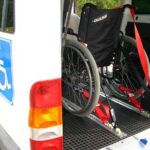
No. This activity is not suitable for wheelchair users.