REVIEW · KRAKOW
Krakow: Last Minute Auschwitz-Birkenau Guided Tour
Book on GetYourGuide →Operated by SuperCracow.com · Bookable on GetYourGuide
A long day, and it hits hard. This Krakow-to-Oświęcim trip takes you to Auschwitz-Birkenau with a licensed guide and admission included, so you can focus on what matters. The only real catch is that because it’s last-minute, you may spend extra time standing in line to collect tickets, which can stretch the day.
It’s a long, emotional route: you ride out of Krakow (about 60 km), watch an introductory film en route, then walk the preserved grounds at Auschwitz I and Auschwitz II-Birkenau. You’ll see the gate and key site elements like the railway platform and gas chamber areas, with the pace ultimately set by the memorial’s visitor service.
In This Review
- Key things to know before you go
- The Auschwitz-Birkenau format: why a guided day works
- Pickup and the 60 km ride out of Krakow
- The short intro film: what to expect on the way
- Auschwitz I: the gate moment and preserved camp history
- Birkenau (Auschwitz II): scale, extermination, and hard visual evidence
- The “real day” logistics: transport flow and time management
- Ticket collection and the no-large-bag rule
- Language options and how the guide experience can vary
- Price and value: what your $80 is really buying
- Who this tour suits best (and who should reconsider)
- A respectful packing list for a day you’ll remember
- Should you book this Auschwitz-Birkenau day trip from Krakow?
Key things to know before you go
- Last-minute friendly: you can book on short notice, but ticket collection lines can add time
- Two sites, one structured narrative: Auschwitz I first, then Auschwitz II-Birkenau for the extermination history
- Intro film during transport: you’ll usually get a short WWII overview on the way (it can be cancelled)
- Guides make the difference: multiple guides (including Paul, Konrad, Martin, Per, and Anna) were praised for clear explanations and room for questions
- Bag rules are strict: no large bags; keep it under 20 x 30 cm
- Lunch isn’t included: plan to bring your own food and drinks
The Auschwitz-Birkenau format: why a guided day works
I get why you might think you can DIY this. You can, on paper. But Auschwitz-Birkenau isn’t “a museum you visit.” It’s an investigation of human cruelty, told through preserved buildings, artifacts, and place-based evidence. A guided day helps you connect the dots quickly, so you’re not just staring at exhibits without context.
This tour is built for exactly that: transport from Krakow, a licensed guide, and a set flow that moves you from Auschwitz I to Birkenau with time to absorb what you’re seeing. The guide’s job is to explain what you’re looking at, what happened there, and how the sites relate to the broader WWII timeline.
One practical note that affects your whole experience: the memorial controls the tempo. Your group pace and time at each part are ultimately determined by visitor-service operations, not your itinerary wish list. So if you’re the type who hates being rushed, this is still worth it—just mentally plan for a serious, controlled schedule.
Other Auschwitz I and Birkenau combined tours in Krakow
Pickup and the 60 km ride out of Krakow
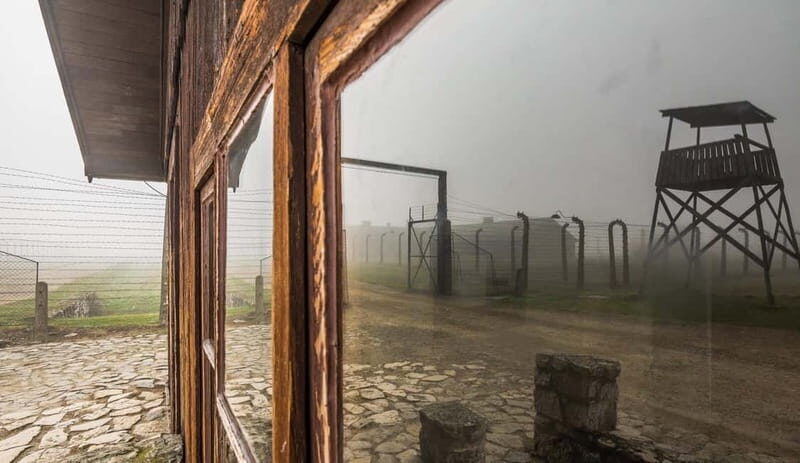
The day starts with Kiss & Ride-style pickup at several spots in Krakow, so you don’t have to coordinate a complex meeting location. Your pickup addresses are:
- Wielopole 2
- Pawia 18a
- Starowiślna 65
- Floriana Straszewskiego 14
- (Plus a nearby option depending on your stop)
The ride is about 60 km west to Oświęcim, roughly 1 hour and 15 minutes depending on traffic. This kind of transfer time matters because it’s where you can settle in and prepare emotionally. Also, on this particular tour you usually get that short introductory film as you travel—more on that next.
In the reviews, people who were picked up from central locations reported a smooth start, and they liked that the bus was clean and comfortable. If your Krakow hotel is in a pedestrian-heavy area, you’ll almost certainly still be able to reach a designated pickup point.
The short intro film: what to expect on the way
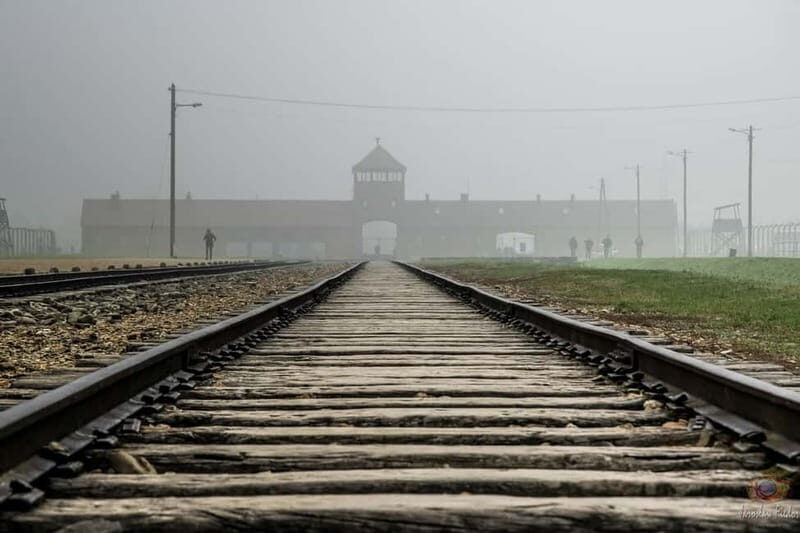
As you head toward the memorial, you’ll watch a short introductory video that frames what the camp looked like during WWII. Several guides structure this moment like a warm-up: the idea is to give you basic orientation before you step through any gates.
One caution, though: that film isn’t guaranteed. In one case it was cancelled, and the tour still ran. If the film doesn’t happen, don’t assume the rest will be pointless; the guide will still provide the necessary context once you’re on site. Still, it’s useful to arrive with an open mind because the day’s tone is set early.
Auschwitz I: the gate moment and preserved camp history
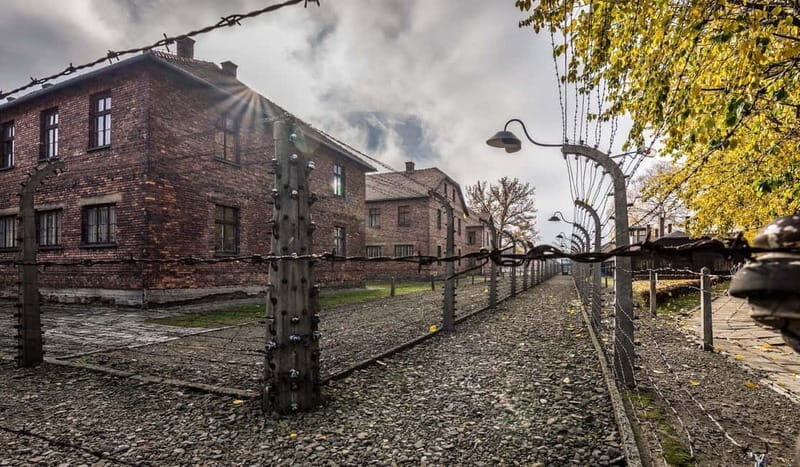
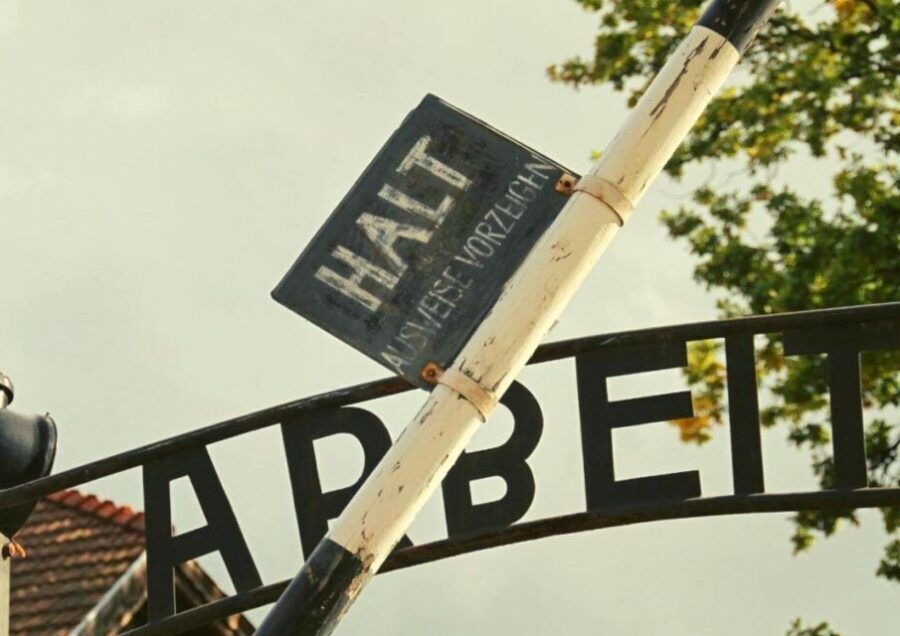
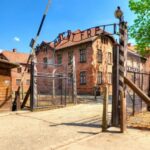
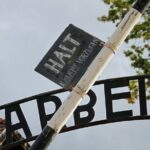
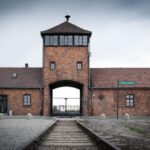
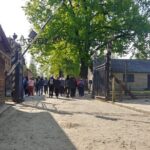
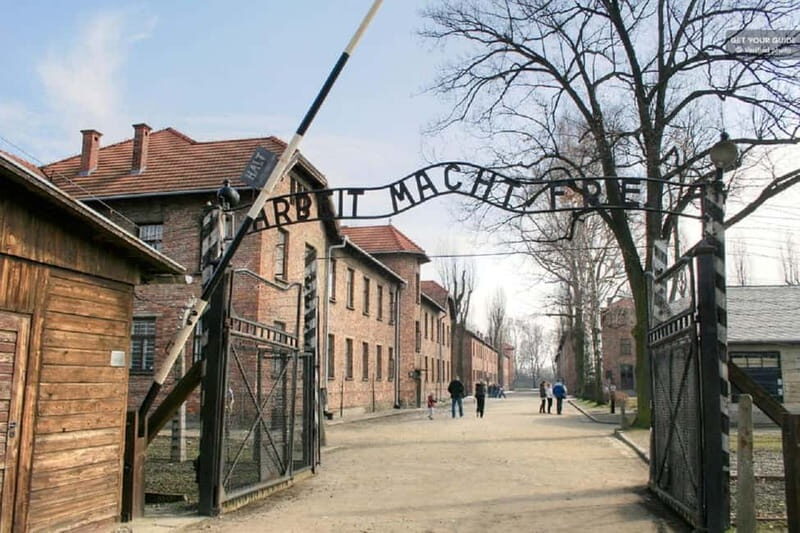
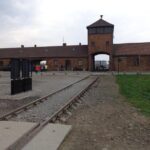
Auschwitz I is the starting point inside the memorial grounds. This is where you enter through the gate marked Arbeit macht frei. It’s one of those place moments that feels instantly real. Even if you’ve read about Auschwitz, there’s a specific kind of emotional weight that comes from standing where structures were built and operated.
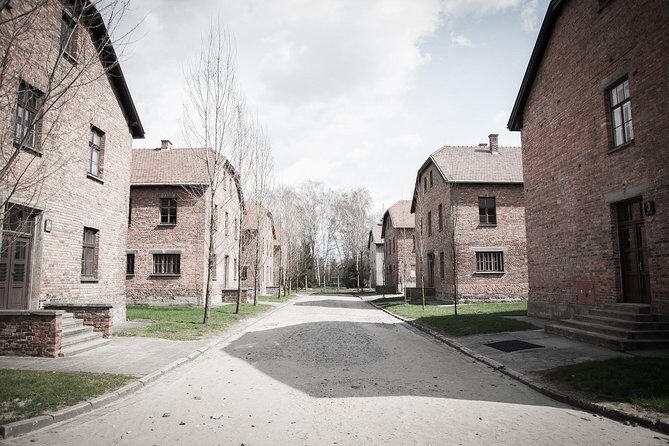
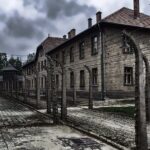
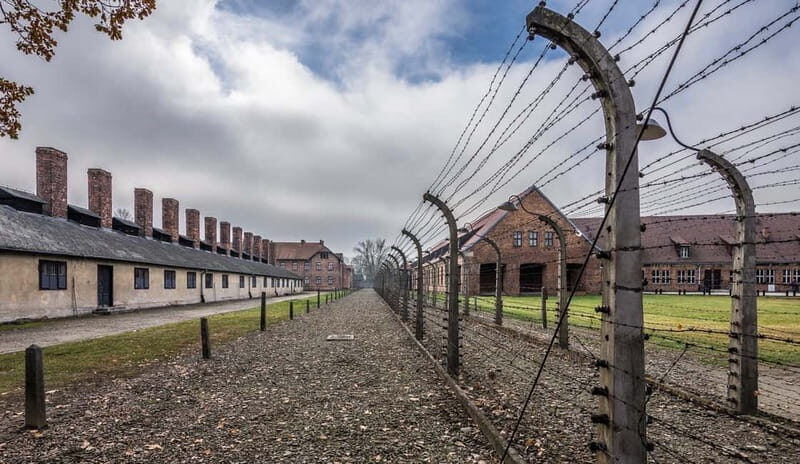
From there, your licensed guide walks you through the preserved area, explaining the history of the site and how it functioned. This part of the tour is often about understanding the system: not just dates and names, but how the camp was organized and why it became such an enduring symbol of suffering.
Two practical things to plan for here:
- Walking and pacing: This is not a quick “see and leave” stop. You’ll spend time moving through areas where the architecture and layout do most of the teaching.
- Questions help: In feedback, people noted that guides repeatedly made space for questions during the walks. If you’re the type who needs clarification to process what you’re seeing, that Q&A time is worth leaning into.
Birkenau (Auschwitz II): scale, extermination, and hard visual evidence
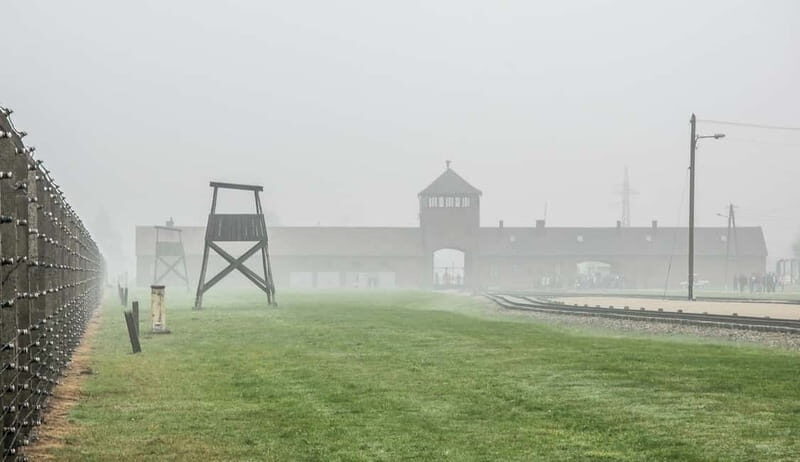
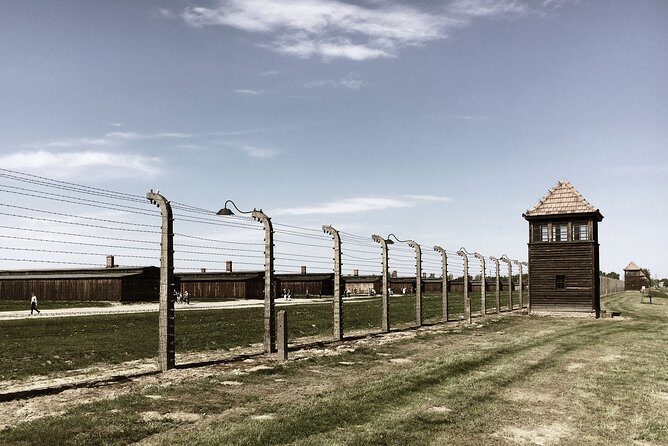
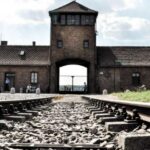
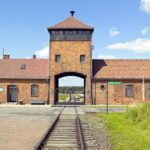
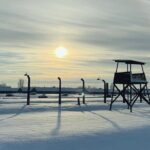
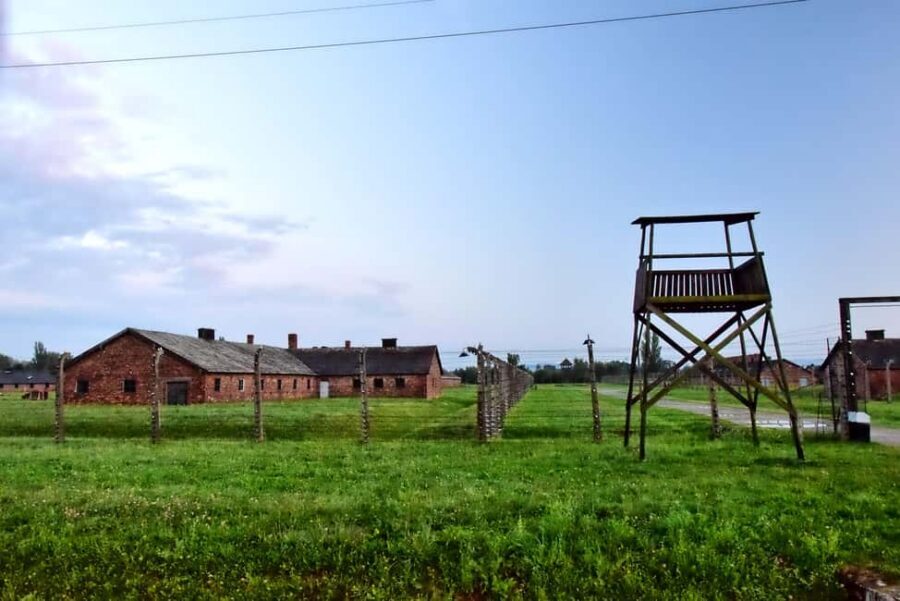
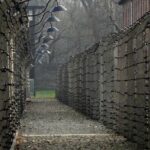
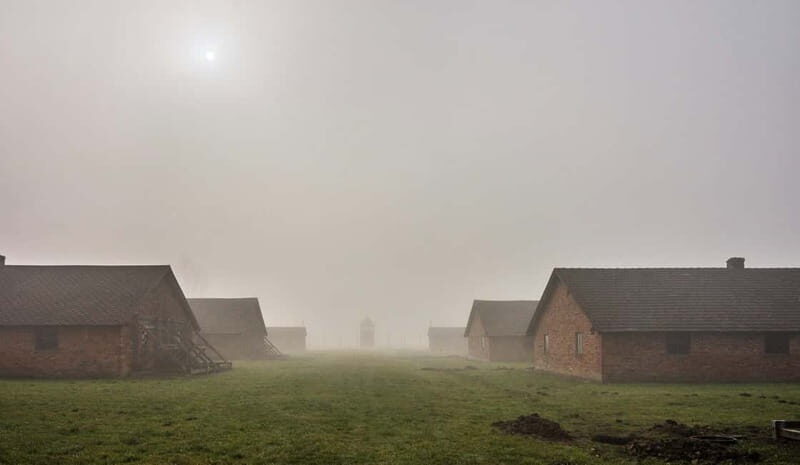
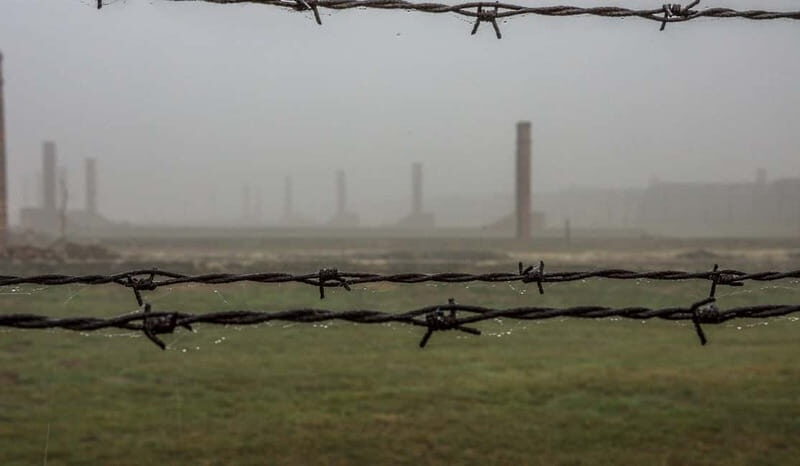
Birkenau is the final major block of the day, and it’s where the scale can overwhelm your brain. This is Auschwitz II-Birkenau, the part associated with mass extermination under the Nazi Final Solution.
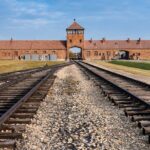
On this tour, Birkenau is the last hour on the memorial side. That time limit is important: it means the guide will focus on the most essential site elements rather than giving you unlimited freedom to wander. You’ll still see major features, including things like gas chamber-related areas and the railway platform.
Here’s the value of the guided approach at Birkenau: when you see buildings and remnants in place, a good guide helps you interpret what you’re looking at in a way that doesn’t reduce human lives to abstractions. The site becomes easier to understand when someone gives you a careful map of meaning.
Just keep expectations realistic. In at least one review, a guest wished they had more time for photography. That lines up with the overall structure: memorial tours move in a controlled way, and you’ll likely spend more time learning than capturing perfect photos.
Other half-day Auschwitz visits in Krakow
The “real day” logistics: transport flow and time management
This tour is long enough that logistics matter more than you might think.
- You travel by van to the memorial area and then switch to a bus/coach for a short segment between parts of the site.
- The memorial portions are timed: Auschwitz I gets about 2 hours, and Birkenau gets about 1.5 hours, with travel and transfer time filling out the rest.
- Because ticket collection can take time on short-notice bookings, the day can run longer than you expect.
If you want one simple strategy: keep your plans in Krakow light for the evening. A day at Auschwitz-Birkenau isn’t something you “fit in.” It lingers. Your body will be tired, and your emotions will be busy. Give yourself space to come back to normal life.
Ticket collection and the no-large-bag rule
Because this is last-minute friendly, admission is arranged, but you still have to stand in line to collect your tickets at the ticket office. That’s the most direct factor affecting timing. If you’re on a tight schedule in Krakow, this is the point where you should be mentally flexible.
The memorial also has rules that can trip up first-timers:
- Bring a passport or ID card. A student card is mentioned as well.
- Large bags aren’t allowed. The maximum size given here is 20 x 30 cm.
So pack light. If you’re used to traveling with a medium backpack, plan to bring a smaller day bag or something you can comfortably keep within that size limit.
Language options and how the guide experience can vary
The tour is offered with live guides in English, French, German, Italian, and Spanish. That’s a big deal for Auschwitz, because nuance matters. Even when you know the broad story, you still want a guide who can explain what you’re seeing in a way that feels accurate and not watered down.
One specific note: for non-English guided tours, the leader may not speak your chosen language for the entire experience. It says this applies only to the museum tour itself. Translation details matter for comprehension, so if language is a make-or-break issue, double-check what you’re selecting during booking.
In reviews, guests repeatedly praised the guides’ clarity and willingness to answer questions. Names that came up included Paul, Konrad, Martin, Per, and Anna—and that variety is useful because it tells you the quality is not dependent on just one person.
Price and value: what your $80 is really buying
At about $80 per person, this is positioned as good value for a Krakow day trip with real on-site time. The price includes:
- Pickup and drop-off in Krakow
- A licensed guide
- Entry tickets to Auschwitz-Birkenau (though you collect them on the day)
What you still need to cover is lunch. That means you’re not “paying extra for basics,” but you are expected to be an adult and bring food.
Is it worth it? For most people, yes, because the tour removes the biggest headaches: transport, tickets, and interpretation. DIY planning can be cheaper on the surface, but you trade that for time spent coordinating rides, figuring out ticket logistics, and doing your own context-building while you’re trying to process an intense place.
Also, the last-minute angle matters. If your trip to Krakow is short or your schedule shifted, being able to book without weeks of planning can save your whole itinerary.
Who this tour suits best (and who should reconsider)
This is a strong fit if you want a structured Auschwitz day with minimal friction and a guide to help you understand what you’re walking through.
It’s also likely a good match if you:
- Prefer guided context over solo browsing
- Want pickup convenience in Krakow
- Appreciate the idea of two-site coverage in one day (Auschwitz I and Birkenau)
It’s not suitable for wheelchair users, based on the info provided here. Also, if you’re someone who gets overwhelmed by crowds and rigid timing, you should go in with expectations that the memorial experience is shared and managed.
And remember: the day includes witnessing elements tied to extermination. This isn’t entertainment. It’s educational, but it’s also heavy.
A respectful packing list for a day you’ll remember
You’ll be glad you brought the basics, because lunch isn’t included. The simplest, practical approach is:
- Bring lunch and drinks (recommended here)
- Bring your ID or passport (and student card if applicable)
- Bring a small bag that stays within 20 x 30 cm
- Wear comfortable shoes you don’t mind walking in for a long, serious day
Weather can change how comfortable you feel on foot, so dress in layers. Even if the day is mostly planned for you, you still control what you’re wearing.
Should you book this Auschwitz-Birkenau day trip from Krakow?
If you’re visiting Krakow and want an Auschwitz-Birkenau day that’s organized, guided, and admission-included, I think this is an easy “yes”—especially if your timing is tight. The biggest advantage is simple: you get transport from Krakow, a licensed guide, and a clear flow that covers both Auschwitz I and Auschwitz II-Birkenau.
Book it if you can handle these realities:
- You might spend time collecting tickets in line due to last-minute nature
- Lunch isn’t included, so plan ahead
- The memorial controls pacing, so you won’t “opt out” of the schedule
Skip or reconsider if you need very long free time for photography, or if strict mobility needs make the “not suitable for wheelchair users” note relevant to your situation.
In short: for most people, this is a practical, value-packed way to experience the memorial with context, not just facts.