REVIEW · KRAKOW
Auschwitz-Birkenau Private Tour from Krakow
Book on Viator →Operated by Krakow4you · Bookable on Viator
History hits hard on this drive. This is a private day trip from Krakow to Auschwitz-Birkenau, where a guide walks you through Auschwitz I and Birkenau with admission fees included, and your only job is to be ready for the day.
What I like most is the way the day is engineered to remove stress: hotel pickup and drop-off plus comfortable private transport, and you’re not trying to solve tickets, timing, and buses while on vacation. I also really appreciate the private-guide setup at Auschwitz-Birkenau, because even in a small group, you can ask questions and get answers without feeling rushed.
One consideration: this is heavy, real-world Holocaust history, and it can feel long and emotionally demanding. Also, at Auschwitz you’ll be working with the guide assigned by the site that day, so you don’t get to pick the personality or style.
In This Review
- Key highlights and why they matter
- From Krakow to Auschwitz: the private-transport advantage
- Auschwitz I: where artifacts make the story concrete
- Birkenau: the scale that changes how you feel
- The guide setup: private attention, assigned camp guidance
- Timing and what to expect from a full-day 7–9 hour experience
- Price and value: what you’re really paying for
- What to know before you go: bags, language, and kids
- Extras you can ask for (without breaking the day)
- Who this private Auschwitz-Birkenau tour is best for
- Should you book this Auschwitz-Birkenau private tour from Krakow?
- FAQ
- How long is the Auschwitz-Birkenau private tour from Krakow?
- Is hotel pickup and drop-off included?
- Are admission fees and guided time included?
- Is this a private tour?
- What language is available for the tour?
- Is there a luggage or bag size limit?
- Is it recommended for children?
Key highlights and why they matter
- Hotel pickup and drop-off in Krakow: no navigating public transit with camera bags and deadlines
- Private chauffeur + local know-how: helpful route timing and context on the way
- Auschwitz I + Birkenau with a guide: more than a checklist visit
- Admission fees included: less admin, fewer surprises
- Snacks and bottled water: a practical touch on a long day
- Smaller-group feel: reviews mention easier pacing and reduced queue stress
From Krakow to Auschwitz: the private-transport advantage
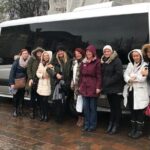
The best part of this tour starts before the gates. You get picked up at your Krakow hotel (or apartment building), right from the reception desk when there is one. If there isn’t, you wait in front of the building. If you’re arriving by air, the pickup is at the airport arrival hall, with a sign that shows your name. That detail matters because the night-before packing brain is real—and you don’t want to waste the morning doing phone calls and wrong-turns.
The drive to Auschwitz-Birkenau takes roughly about 1.5 hours each way, and the private car keeps things calm. Reviews also mention very comfortable vehicles (one guest even noted an S-Class), plus a chauffeur who shares context on the drive. That matters because the day isn’t just a museum stop; it’s a full sequence of learning and walking. A little framing on the road helps you connect the geography to the story once you arrive.
And yes, it’s UNESCO-listed. That’s not just trivia. It’s a reminder that you’re visiting a place that carries global historical weight—and that the site runs on rules and timing. Private transport helps you stay aligned with those rhythms instead of fighting schedules.
Other Auschwitz I and Birkenau combined tours in Krakow
Auschwitz I: where artifacts make the story concrete
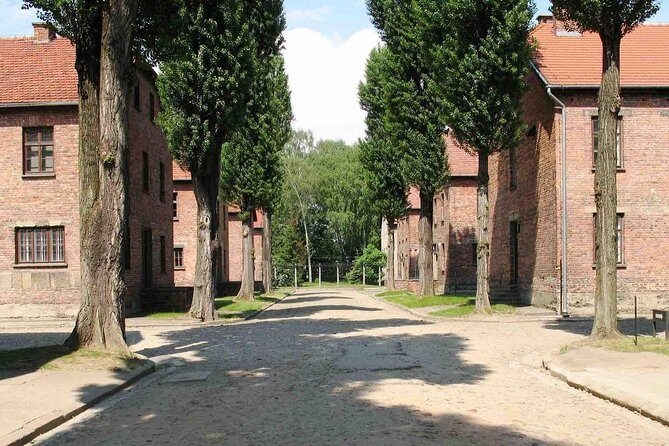
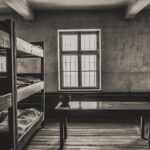
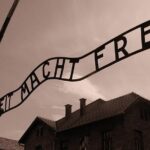
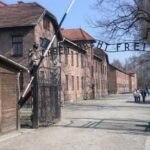
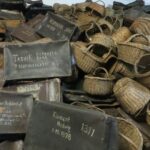
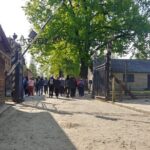
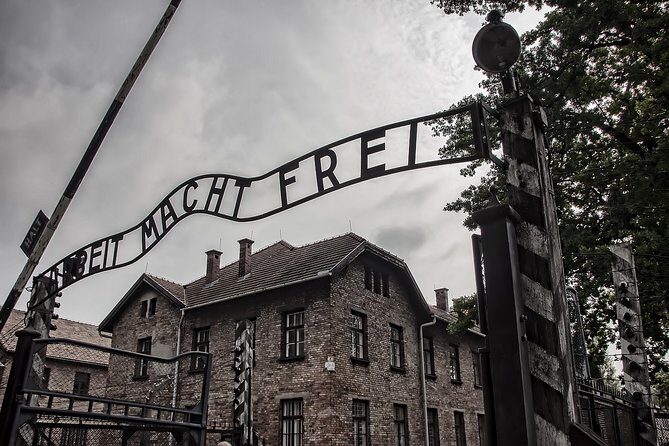
Auschwitz I is the more concentrated museum portion of the visit, and it’s often where your brain finally stops treating this like distant World War II history. With your guide at your side, you’ll see Auschwitz as it exists today as a museum site—along with exhibitions and artifacts that focus on what prisoners carried and what they endured.
The tour includes a guided visit at Auschwitz-Birkenau, and Auschwitz I is where the guided approach pays off. You’re not just looking at buildings; you’re being directed to specific displays and themes—personal belongings, the organization of the camp, and the museum’s research and remembrance mission. That’s important because the memorial work here isn’t only about facts; it’s also about honoring victims and making sure the history is understood accurately.
One practical note: at Auschwitz, there’s a limit on what you can bring inside certain areas. The tour information states that each person is allowed a maximum bag size of 7.8 x 11.8 inches (20 x 30 cm) in the Auschwitz Museum. That means you should pack lighter than you would for a normal day trip. A bigger bag doesn’t make the visit impossible, but you don’t want to discover size rules at the last second while everyone else is moving.
The pacing also helps. Instead of being swept along with a big group, you can absorb at a steadier speed. Reviews mention “ample time” and an experience that felt designed around the group rather than a rigid clock-watching routine—exactly what you want at a site like this, where rushing feels wrong.
Birkenau: the scale that changes how you feel
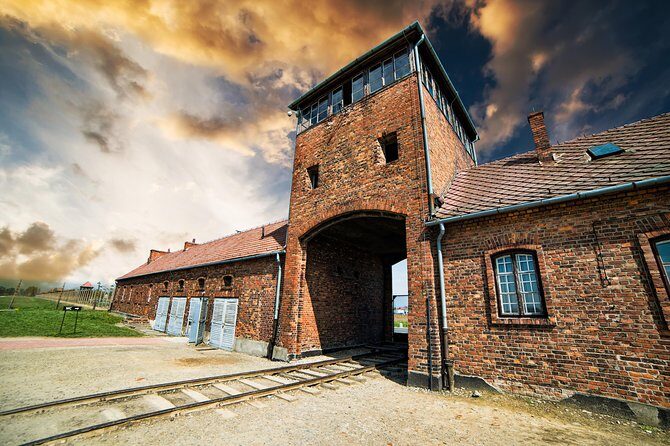
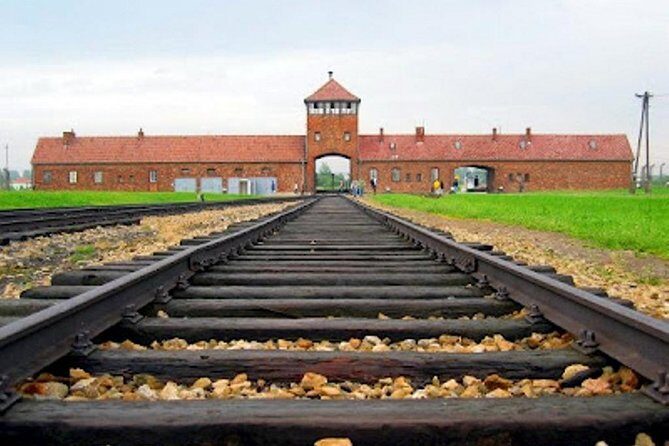
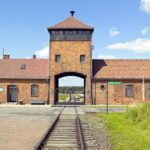
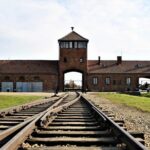
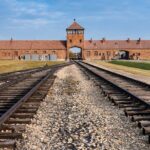
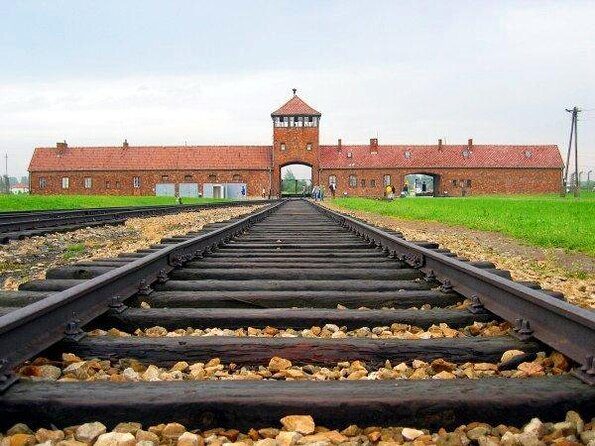
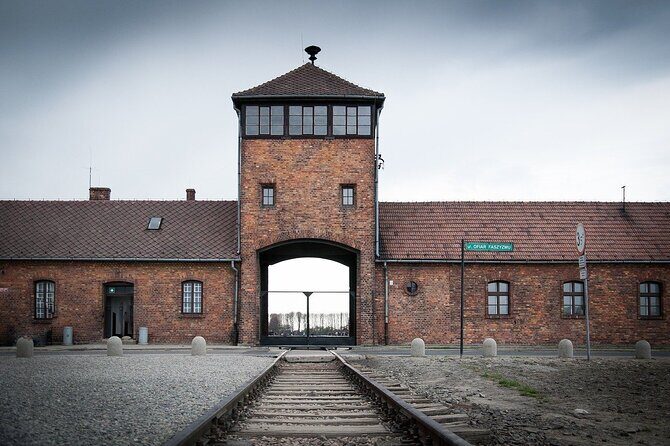
If Auschwitz I is the museum’s structured story, Birkenau is where scale hits. The included visit includes Auschwitz II – Birkenau, commonly called the death camp, and this portion takes around 3.5 hours as part of the guided time at the site.
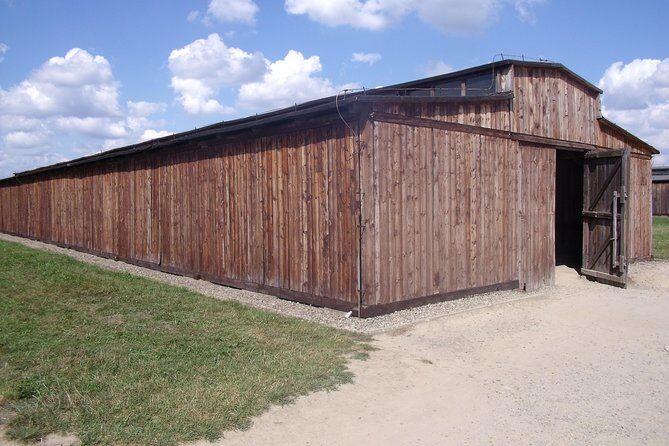
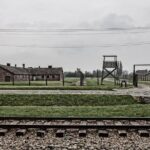
Birkenau’s layout can be hard to picture if you only know it from photos. On the ground, you see the distances, the remaining structures, and the layout that tells you how the machinery of deportation and murder was organized. Even if you think you’re ready, the sheer physical scope can recalibrate your understanding. That’s not dramatic tourism talk—it’s a real effect of walking the space.
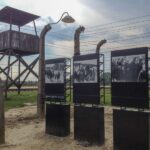
A guide here is a must. You’ll get help tying what you’re seeing to what it meant, and you’ll also get context on the Holocaust research and memory work that the museum is committed to. The tour information emphasizes remembrance and studying artifacts; Birkenau is where those themes stop being abstract.
One small detail from reviews that may happen: some guides use headphones/headset audio systems so you can hear clearly while walking. That can help you stay connected even when you’re moving between areas and the group spacing stretches out.
The guide setup: private attention, assigned camp guidance
This tour is private, and you’ll have a private guide at Auschwitz-Birkenau who’s focused on your group. That’s the advantage over typical group tours where questions die in the crowd. You can ask things like how the sites were used, what certain objects represent, and how to read the context of the exhibits without being shoved forward.
In one review, the local Auschwitz guide was Evelyn, and the guest highlighted that the experience felt “like listening” with a headset rather than a highly conversational style. That’s a useful warning, even if it isn’t universal: at Auschwitz, you can’t necessarily choose the guide’s tone or personal teaching style. What you can choose is booking a setup where you get private attention rather than being one voice in a mass.
Another review mentioned a guide named Alicja, who handled the day with deep context on Polish history, Europe’s WWII background, and explanations that helped make the details understandable. Even though she wasn’t the Auschwitz site guide (the Auschwitz guide is the one working inside the museum setting), the “connective tissue” she added made the whole story easier to follow.
Bottom line: the guide advantage here is not just comfort. It’s meaning. At Auschwitz-Birkenau, the difference between a quick walk-through and a guided interpretation can be night and day.
Timing and what to expect from a full-day 7–9 hour experience
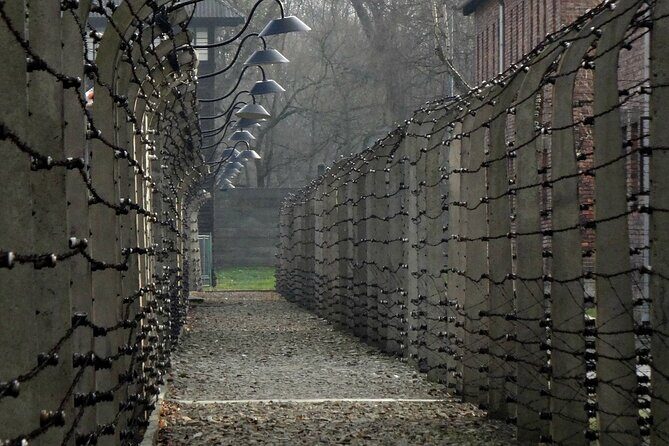
Plan on 7 to 9 hours total. That includes travel from Krakow, the guided museum time, and the emotional weight of the visit. The drive alone is about 1.5 hours to get there, and the guided portion at the sites is substantial.
Here’s how I’d think about the rhythm:
- Morning: pickup in Krakow, then the drive and early context
- Late morning into afternoon: Auschwitz I and Birkenau guided visit
- Wrap-up: drop-off back where you’re staying (or another Krakow destination you choose)
Reviews also include a tip that many people find useful: leaving very early can help you reach Auschwitz before large crowds. One guest said they aimed for a pickup around 6:30 am and got there before the biggest influx. Even if you don’t choose the same time, asking for an early start can be wise. Less queue frustration gives you more mental space for the visit itself.
Also, bring patience for walking. This isn’t a sit-and-watch experience. You’ll be moving between exhibits and memorial areas, and the terrain can be uneven in places. Comfortable shoes are not optional here; they’re part of respecting the visit and keeping you steady on your feet.
Other Auschwitz tours from Krakow in Krakow

Price and value: what you’re really paying for
The listed price is $1,321.68 per group (up to 1), for a private day with pickup, transport, admission, and guidance at the camp. That number can look intense, until you break it down.
Here’s the value logic that makes sense for this kind of experience:
- You’re paying for logistics removal: no ticket math, no transit juggling, no coordinating meeting points at a place that demands timing
- You’re paying for private attention: your guide is built around your group’s pace and questions
- Admission isn’t extra: the tour includes entrance fees and the guided museum experience, so the day has fewer surprise add-ons
- Comfort on a long day: private transport plus water and snacks can matter more than people expect on a 7–9 hour itinerary
Reviews repeatedly frame the experience as “worth paying extra,” with mentions of avoiding queues and getting more information due to a small group. If you’re traveling solo and want maximum control over timing and comfort, private usually costs more—but it also buys you clarity and a steadier pace.
If you’re cost-sensitive, you should compare against group tours or self-guided options. But if you want a calmer day—where you can show up, listen, and ask questions without turning your vacation into a project—this price can feel fair.
What to know before you go: bags, language, and kids
There are three practical things you should plan around.
1) Bag limits
The tour states a bag maximum size of 20 x 30 cm (7.8 x 11.8 inches) for the Auschwitz Museum. This affects what you carry inside. Pack like you’re going to a museum, not a two-week trip.
2) Language choices
The chauffeur service and Krakow tour are organized in English, but the info also says that a language other than English is possible when visiting Auschwitz and Birkenau. If you care about language accuracy for such sensitive topics, check this during booking so you don’t end up with a mismatch.
3) Children
It’s not recommended for children under 14. That doesn’t mean it’s banned; it means the tour operator advises against it. If you’re traveling with teens, you’ll want to judge maturity and emotional readiness, not just age.
Extras you can ask for (without breaking the day)
The core tour is the camp visit plus transport and drop-off. But in real life, private guides can sometimes help you make the day fit your interests.
One review describes the guide adding stops and taking the group to Polish lunch, plus time in Krakow’s old Jewish quarter and the Schindler Passage area. Another review mentioned a bookstore inside Auschwitz-Birkenau where books were purchased and found excellent. Those kinds of extras aren’t guaranteed from the written basics, but the pattern is clear: if you have specific requests, ask. A good private guide can often fit them in without derailing the main visit.
If you want that kind of flexibility, go into the booking with a short list:
- Do you want extra Krakow time after the camp visit?
- Any specific neighborhood or food priorities?
- Do you want a recommendation for a traditional meal stop?
Who this private Auschwitz-Birkenau tour is best for
I think this tour is a strong match if you:
- Want hotel pickup and drop-off so you don’t manage transit
- Prefer a private setup with room for questions
- Are traveling with limited time in Krakow and want one focused day done right
- Value comfort (transport, water, snacks) on a long, intense schedule
- Don’t want the “logistics headache” layered on top of the emotional reality
It may be a weaker fit if you:
- Are traveling on a tight budget and are fine with self-arranged transit
- Want maximum flexibility to build your day on the fly (private tours run on a set schedule, even if pace can adjust)
- Are bringing younger kids under 14 and need a recommendation that matches their needs
Should you book this Auschwitz-Birkenau private tour from Krakow?
Yes—if your priority is a calm, well-run day with a guide when it matters most. The combination of hotel pickup, comfortable private transport, admission included, and a guide at Auschwitz-Birkenau is exactly the kind of “less hassle, better experience” tradeoff that makes sense here.
I’d book it when you want:
- fewer moving parts on the day
- more meaningful explanations
- a pace that doesn’t feel rushed
If you’re nervous about the emotional weight, remember: a private guide and a structured visit can help you process what you’re seeing. Just pack light for the bag rules, plan for a long walk day, and give yourself time to absorb.
FAQ
How long is the Auschwitz-Birkenau private tour from Krakow?
The tour runs about 7 to 9 hours in total.
Is hotel pickup and drop-off included?
Yes. Pickup and drop-off in Krakow are included. You’ll be collected from your hotel reception desk, or from in front of your building if there’s no reception.
Are admission fees and guided time included?
Yes. Entrance fees are included, along with a guided tour of Auschwitz I and Auschwitz II – Birkenau.
Is this a private tour?
Yes. This is a private tour/activity, and only your group participates.
What language is available for the tour?
English is organized for the chauffeur service and Krakow part of the experience. A language other than English is possible when visiting Auschwitz and Birkenau.
Is there a luggage or bag size limit?
Yes. In the Auschwitz Museum, each person is allowed a maximum bag size of 7.8 x 11.8 inches (20 x 30 cm).
Is it recommended for children?
It is not recommended that children under 14 visit the Memorial.