REVIEW · KRAKOW
Guided Tour from Krakow to Auschwitz Birkenau with hotel pick up
Book on Viator →Operated by Welcome in Cracow · Bookable on Viator
Auschwitz from Krakow, without the hassle. This guided day trip is built around door-to-door pickup, pre-booked entry, and clear group navigation with headsets—so you spend your energy on the visit, not the logistics.
I especially like how no-transfer travel from Krakow keeps the day simple, and how the tour pairs a licensed English guide with on-site directions so you don’t feel lost in a site that’s enormous. One thing to note upfront: it’s a long, mostly outdoors day with a lot of walking, and the camps aren’t a good fit if you have mobility limits.
In This Review
- Key Highlights Worth Filing Away
- Door-to-Door Pickup: Why It Makes Krakow-to-Auschwitz Easier
- Tickets, Timed Entry, and Headsets That Keep the Day on Track
- Auschwitz I: What You’ll See and How to Pace Yourself
- Brzezinka (Auschwitz II Birkenau): The Scale Hits Differently
- The 7-Hour Day: Timing, Walking, and Weather Reality
- Comfort and Communication: WhatsApp Updates, Drivers, and Logistics That Don’t Waste Time
- Lunch Isn’t Built In: How to Eat Without Disrupting the Visit
- Practical Rules You’ll Want to Know Before You Go
- Is This Worth $66.54? Value for Your Money and Your Time
- Who This Tour Fits Best
- Should You Book This Krakow-to-Auschwitz Day Trip?
- FAQ
- What’s included in the tour price?
- How long is the day trip?
- Do I need to bring a passport or ID?
- What about bags and luggage?
- Is lunch provided?
- What should I do about timing on the day?
Key Highlights Worth Filing Away
- Hotel pickup in Krakow: fewer steps before you start the day.
- Admission handled in advance: you don’t waste time at ticket lines.
- English guide plus headsets: easier to hear, especially when groups get busy.
- Two camps in one day: Auschwitz I (history and exhibits) plus Auschwitz II Birkenau (scale and layout).
- Group size stays moderate: typically 16–30, capped at 30.
Door-to-Door Pickup: Why It Makes Krakow-to-Auschwitz Easier
If you’ve ever tried to plan public transport to Auschwitz and back, you already know the stress. This tour solves that problem with air-conditioned minivan or minibus plus pickup arranged from your hotel/apartment (or a nearby accessible point if your exact hotel is in a restricted traffic area). That matters because timing is tight at the museum, and you don’t want to gamble your spot on a tight connection.
The trip from Krakow to Auschwitz takes about 1.5 hours, depending on weather and road conditions. You’ll get your pickup timing one day before—and the staff emphasize that pickup times can shift based on museum rules and capacity limits. Translation: plan a calm start to the day and don’t stack other Krakow plans too close to pickup.
On the ride out, the vibe is typically respectful and practical. In feedback from other visitors, drivers like Patryk and Kuba were noted for professionalism, clear guidance, and even light narration during the drive. That’s not “tour fluff.” It helps you settle in mentally before you reach the gates.
Other Auschwitz I and Birkenau combined tours in Krakow

Tickets, Timed Entry, and Headsets That Keep the Day on Track
One of the most valuable parts here is the way the tour handles entry. The tour operator books your tickets in advance, so you don’t wait in line at the ticket office. Even better: the Auschwitz museum requires each operator to submit a complete list of participants, and the entry time is assigned based on the museum’s schedule and constraints. That’s why your full names must be provided when you reserve.
Once you’re inside, headsets are included. This matters more than it sounds. Auschwitz and Birkenau are packed with visitors and multiple groups move through the space. With headsets, you can keep pace with your guide without having to stand at the perfect angle to hear every sentence.
A realistic note: the tour is designed to move. You’ll get breaks, but it’s not a slow wander. If you stop often to take photos, read every sign, or chat, you can fall behind—one visitor specifically warned that the tour moves fast. So I’d treat this as a guided visit first, and a personal reflection afterward when you’ve finished the structured walk.
Auschwitz I: What You’ll See and How to Pace Yourself
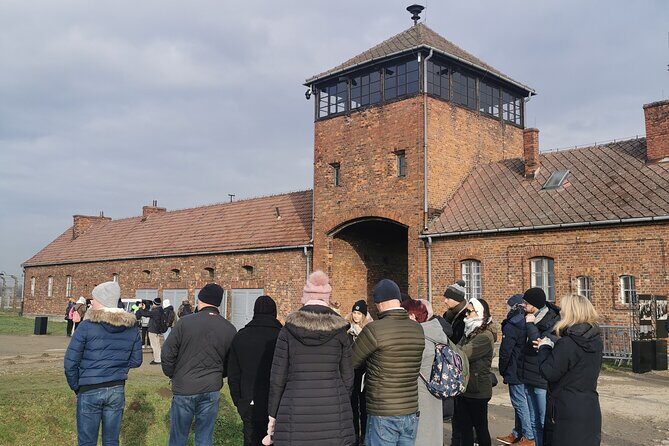
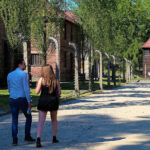
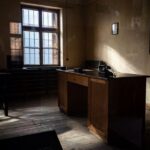
Auschwitz I is where the tour gives you a guided walkthrough through exhibits, artifacts, and key locations tied to the camp’s role in the Nazi system. The walking and timing here are structured so that you don’t miss the major areas. You should expect about two hours of guided time on the Auschwitz I side.
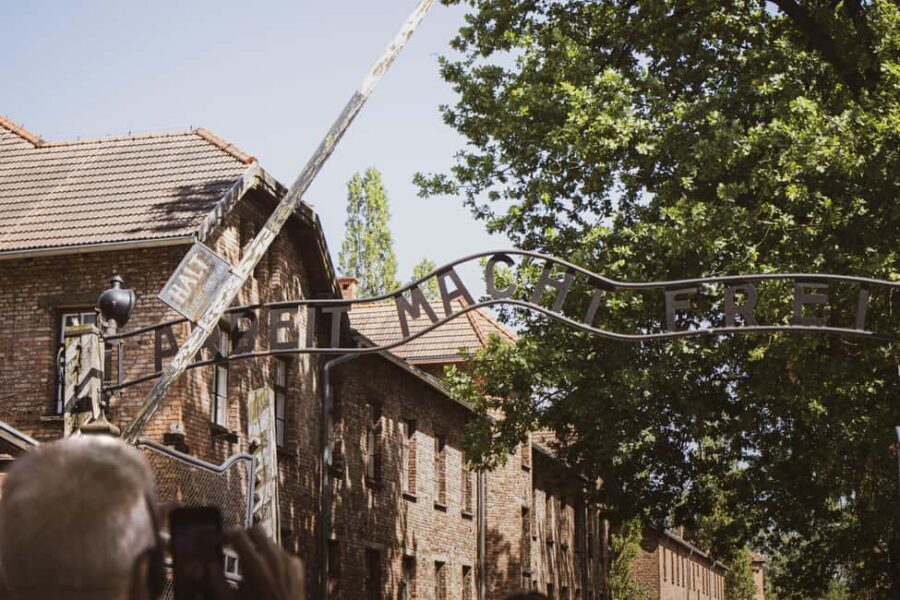
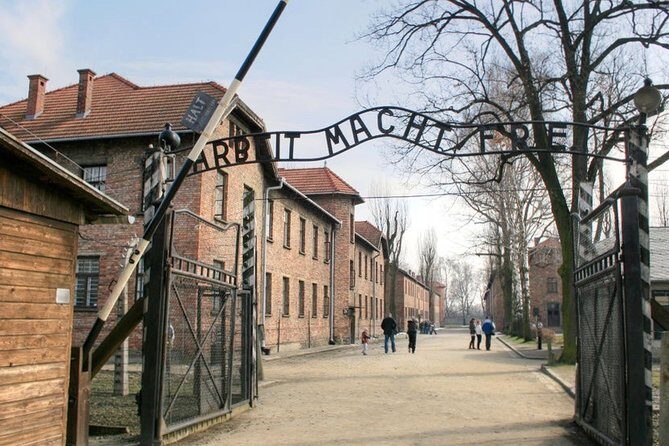
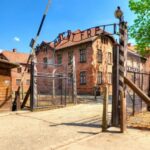
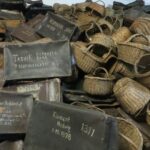
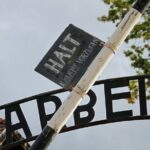
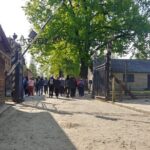
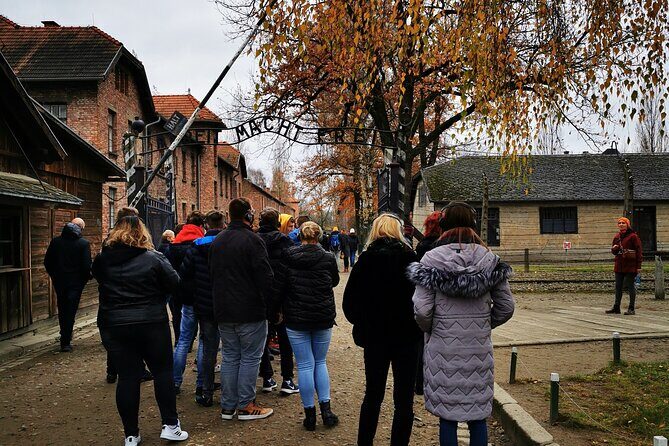
When you arrive, you’ll meet your guide and go into the museum together. You’ll see the famous gate inscription Arbeit macht frei as part of the experience, along with exhibits that include photos and remains of prisoners. The tour also highlights the last surviving gas chamber that remained intact, plus museum displays that put names, dates, and personal stories into context.
This stop is emotionally heavy, and that’s normal. The way to make it easier on yourself is not to force emotions away—it’s to pace your attention. Spend extra time on the information boards and the smaller details. Big historical claims hit hard, but the small, specific evidence is what keeps it grounded and real.
A guide’s role here is huge. In feedback, guides such as Anna, Brigette, and others were praised for being organized, respectful, and able to explain events with care. The best guides don’t just recite dates. They help you understand how the machinery of persecution worked—and what that meant for individual lives.
Brzezinka (Auschwitz II Birkenau): The Scale Hits Differently
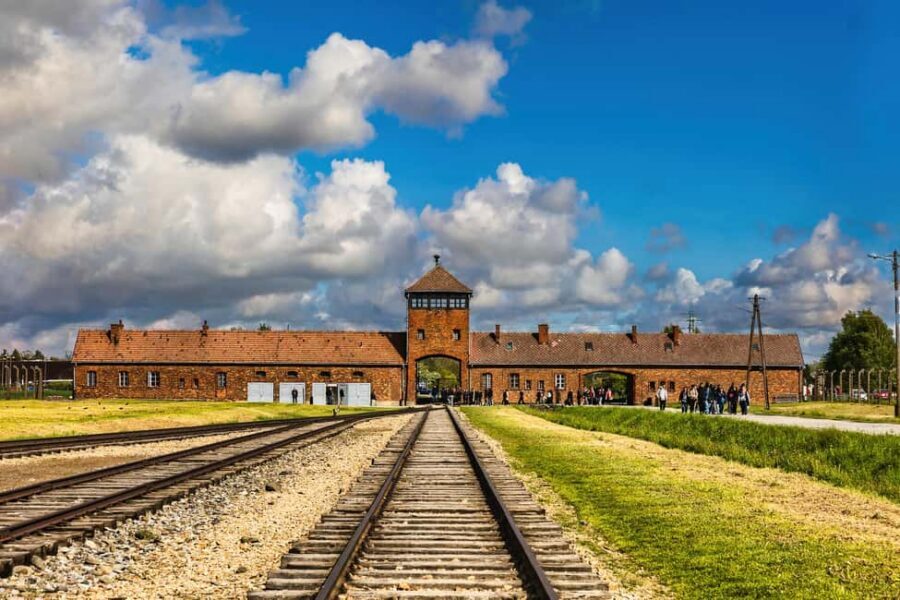
After a break, the driver takes you to the second site: Auschwitz II Birkenau, also associated with Brzezinka. This is the larger concentration camp, and the experience changes as soon as you walk into the layout.
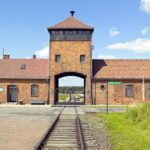
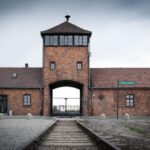
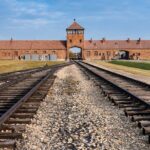
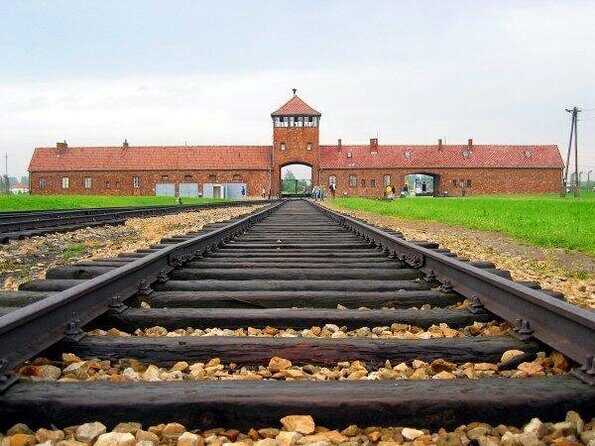
You’ll meet your guide again at the entrance and spend about a little over an hour walking the Birkenau grounds with interpretation. The tour points out major features like the Death Gate, the unloading ramp where transports arrived, the ruins of the gas chambers and crematoria, and the monument to victims of the Holocaust.
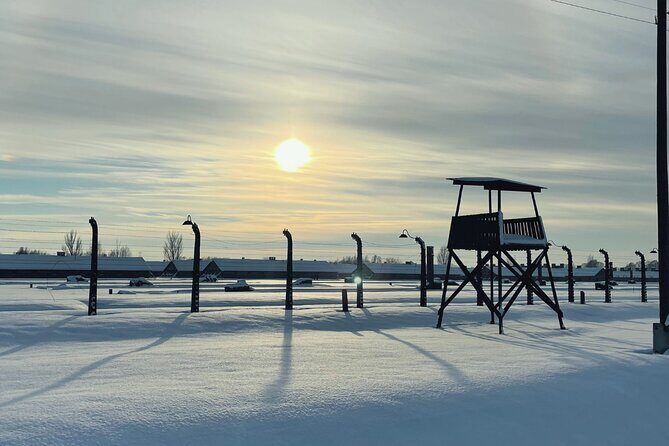
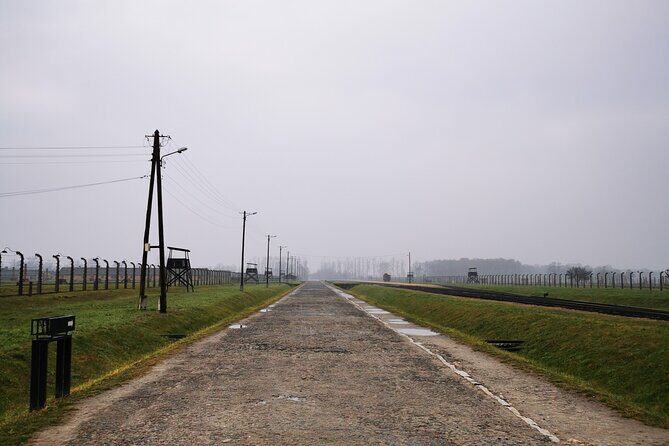
You also spend time looking at the buildings where prisoners lived. This is one of the places where photos don’t fully prepare you. The scale of the site makes the system feel less like “a chapter in a book” and more like something built to operate continuously.
Headsets and group movement are especially important here. Birkenau is open, spread out, and full of visitors. With headsets, it’s easier to follow your guide from point to point without losing the thread.
In feedback, the guides were repeatedly described as respectful and emotionally mindful. That matters a lot at Birkenau. You don’t want someone turning the day into a rush-through. You want context delivered in a way that helps you witness without sensationalizing.
The 7-Hour Day: Timing, Walking, and Weather Reality
This is listed at about 7 hours total. That’s a fair time window for two camp visits plus transport, but it’s still a long day.
Expect a lot of walking. One visitor estimate ranged around 10,000 to 12,000 steps across rough walkways. Another note to take seriously: exploring at your own pace isn’t really feasible because the museum is busy and groups are scheduled into the flow. So come with comfortable shoes, and keep your strategy simple: walk when it’s time to walk, stop when your guide offers a pause.
Weather is another factor. The tour runs regardless of weather, and you’ll spend up to 70% of your time outdoors, especially at Auschwitz II Birkenau. Bring water, and dress for wind, rain, or summer heat. The tour’s dress expectation is smart casual, which makes sense for a respectful site with security checks and lots of standing.
Also, plan your day around the pickup and return window rather than trying to squeeze extra stops. The guidance suggests avoiding other activities on the day because pickup can shift due to museum limits.
Other Auschwitz tours from Krakow in Krakow


Comfort and Communication: WhatsApp Updates, Drivers, and Logistics That Don’t Waste Time
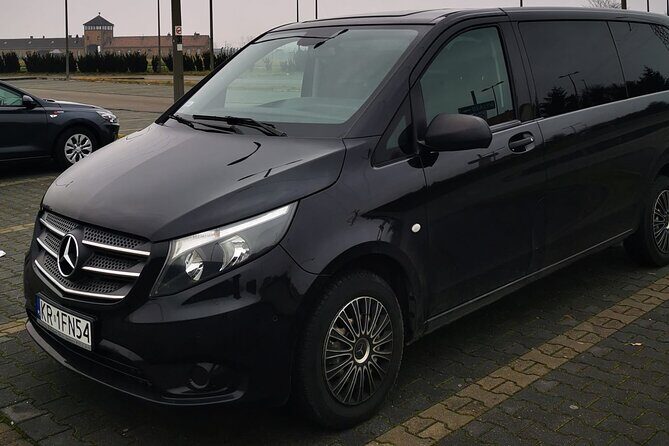
This operator emphasizes communication through messaging apps such as WhatsApp (and others). You’ll get details in the lead-up, and many visitors mention helpful touches like receiving a photo of the van and the driver’s name.
In feedback, drivers named Dorota and Kuba were singled out for punctual pickup, professional driving, and clear instructions. One review even mentioned a van photo ahead of time, which is exactly the kind of small detail that prevents that first-day panic at the curb.
Transportation is typically in a comfortable, climate-controlled vehicle. The group is usually recommended as 16–30 people, with a maximum of 30. That’s big enough for the tour to run smoothly, but small enough that the guide can still manage the group.
One consideration: if you have motion sickness, let the team know in advance. Travel time can also extend due to road conditions, so it’s smart to bring a little patience.
Lunch Isn’t Built In: How to Eat Without Disrupting the Visit
Lunch is not included. The tour notes that there isn’t ample time for a regular lunch break between Auschwitz I and Birkenau, so you should plan for a lighter approach.
You can bring a snack, or you can arrange lunch boxes through the operator for an extra fee (offered in advance, with an offer sent the day before). At the parking area, there are vending machines with snacks, but the restaurant is currently under construction.
In feedback, one visitor described a lunch box option as good value. That tracks with the logic here: the best lunch is the one that keeps you from running on empty during a psychologically intense day.
My practical advice: bring water, a snack you can eat quietly, and keep the meal simple. This isn’t the day to chase a sit-down lunch reservation.
Practical Rules You’ll Want to Know Before You Go
Auschwitz-Birkenau has real procedures, and knowing them helps you avoid last-minute stress.
- Documents: You’re required to carry your passport or ID, and personal details are checked at the museum entrance.
- Bag size: Large bags and backpacks aren’t allowed. The maximum allowed size is 30 cm x 20 cm x 10 cm. You can leave larger bags in your locked car.
- Security check: Expect an airport-style security process before entering.
- Photography: Photos are generally allowed, but using flash inside buildings is prohibited.
- Respectful behavior: Eating, smoking, and loud behavior are strictly prohibited within museum premises.
These rules aren’t there to be annoying. They reduce bottlenecks and keep the experience organized.
Is This Worth $66.54? Value for Your Money and Your Time
At about $66.54 per person for a roughly 7-hour day trip, the price looks reasonable once you factor in what’s included: door-to-door transport, licensed English guiding at both sites, headsets, and pre-booked admissions so you skip ticket-office lines.
Also, you’re paying for time savings. The museum is extremely popular, and the tour is built around the museum’s scheduled capacity limits. If you tried to coordinate transit and entry yourself, you’d likely spend more time (and mental energy) than the cost difference would justify.
If you’re traveling solo, the value can be even better. Several reviews mention feeling comfortable and well taken care of on a solo trip, mainly because pickup and guidance remove the hardest parts.
Who This Tour Fits Best
This is a strong match if you:
- want English guidance with clear listening support (headsets),
- prefer easy Krakow pickup and drop-off rather than DIY transport,
- want to cover both Auschwitz I and Auschwitz II in one day,
- appreciate structured visits at a site where wandering can become chaotic.
It may not be the best fit if you:
- need step-free access or have mobility limitations (there’s a lot of walking on rough surfaces),
- get very uncomfortable in car travel (motion sickness should be mentioned in advance),
- want a long, unhurried self-guided pace (this is organized and timed).
Should You Book This Krakow-to-Auschwitz Day Trip?
I’d book it if you want the day to feel controlled, respectful, and efficient—especially the hotel pickup, skip-the-line admission, and headsets. Those three things remove the most common stress points, letting you focus on what matters.
I’d think twice if you’re sensitive to long outdoor walking or need accessibility accommodations, because this itinerary is movement-heavy and Birkenau in particular is exposed and spread out.
If you can handle a long, emotionally serious day with good shoes and a calm mindset, this is a solid, straightforward way to do Auschwitz from Krakow.
FAQ
What’s included in the tour price?
The tour includes transportation by air-conditioned minivan or minibus, hotel/apartment pickup and drop-off in Krakow (with the hotel pick up option), a licensed English-speaking guide for both Auschwitz I and Auschwitz II Birkenau, headsets, and admission tickets booked in advance. Lunch is not included.
How long is the day trip?
The duration is listed at about 7 hours (approx.), including travel time from Krakow to the camps and the guided visits at both sites.
Do I need to bring a passport or ID?
Yes. The Auschwitz-Birkenau Museum requires you to carry passport or ID, and your full name details must be correct because they’re confirmed at the entrance.
What about bags and luggage?
Large bags and backpacks aren’t allowed. The maximum permitted size is 30 cm x 20 cm x 10 cm. You can leave larger items in your locked vehicle during your visit.
Is lunch provided?
No. Lunch is not included, and there isn’t much time for a regular lunch break between Auschwitz I and Birkenau. You can bring snacks, and lunch boxes can be arranged through the operator for an additional fee.
What should I do about timing on the day?
Your pickup time is communicated ahead of time, but the museum’s rules can affect the final timing. The guidance is to avoid planning other activities on the day so you’re not stressed if the pickup window shifts.