REVIEW · KRAKOW
From Krakow: Auschwitz-Birkenau & Wieliczka Salt Mine Tour
Book on GetYourGuide →Operated by Cracow Tansfer&Tours · Bookable on GetYourGuide
Two UNESCO sites, one hard day of remembrance. This one-day Krakow experience strings together a guided Auschwitz-Birkenau visit and a professional-led descent into the Wieliczka Salt Mine, with pickup and clear listening help via headsets. I especially like that the schedule is built around expert guidance at both places, not just a self-guided rush-through.
I also like the practical side: air-conditioned transport, admission included, and headsets so you can actually follow what the guide is saying. One consideration: the day can start extremely early. In at least one case, the pickup time shifted much earlier than the original plan, so I’d treat early morning as the norm, not a surprise.
In This Review
- Key highlights worth knowing
- Why this Krakow day trip works: Auschwitz then Wieliczka
- Pickup and the early start: plan your morning like a pro
- Auschwitz-Birkenau: how the guided museum visit is set up
- Auschwitz rules and pacing you should expect
- Why UNESCO facts matter here: 1947, 1979, and what you’ll hear
- Wieliczka Salt Mine: the 135-meter descent and underground highlights
- What to wear and pack: comfortable shoes and cold underground
- Price and value: is $279 fair for two UNESCO sites?
- Who should book this tour, and who should skip it
- Is this the right booking for you? My final take
- FAQ
- How long is the Auschwitz-Birkenau & Wieliczka Salt Mine tour from Krakow?
- What UNESCO sites are included?
- Is pickup and drop-off in Krakow included?
- Are admission tickets included?
- Can I take photos at Auschwitz or in the salt mine?
- What should I bring for the salt mine portion?
Key highlights worth knowing
- Two UNESCO World Heritage sites in one day: Auschwitz-Birkenau and Wieliczka Salt Mine
- Headsets included so you hear your English guide clearly
- Auschwitz tour plus museum time with the memorial’s own pacing and rules
- 135-meter descent in the salt mine with a guide and dramatic underground sights
- UNESCO recognition facts you’ll hear on the tour (Auschwitz 1979, Wieliczka 1978)
- Helpful driver support on the road (one driver named Marlena was praised for going the extra step)
Why this Krakow day trip works: Auschwitz then Wieliczka
This is the kind of tour you book when you want maximum meaning and maximum contrast in a single day. Auschwitz-Birkenau is the emotional anchor, and the salt mine is the physical reset: cold air underground, carved chambers, and salt sculptures that feel almost impossible after what you just saw.
You’ll move from history to heritage, but you won’t do it in a lazy way. The day is built around guided time at both sites, with admission included and headsets provided so the information stays clear even in busy places.
If your goal is to see both sites without the stress of planning separate tickets and transportation, this format makes life easier. The tradeoff is a long day and a heavier mental load than typical sightseeing.
Other Auschwitz I and Birkenau combined tours in Krakow
Pickup and the early start: plan your morning like a pro
This tour runs about 12 hours, and it starts in the morning with pickup from your Krakow hotel or selected meeting point (if that option is chosen). Transportation uses an air-conditioned car and bus, which matters for comfort when the day begins before sunrise.
The biggest practical warning is timing. There are documented cases where the pickup came far earlier than the stated time, even when the initial plan sounded like a reasonable early start. So I’d set expectations for an early departure and arrange your Krakow evening and sleep accordingly.
Also note that food and drinks are not included, and you can’t bring everything inside each site. That means you’ll want to plan what you eat and when, rather than assuming you’ll grab lunch on the spot inside the memorial or the mine.
Auschwitz-Birkenau: how the guided museum visit is set up
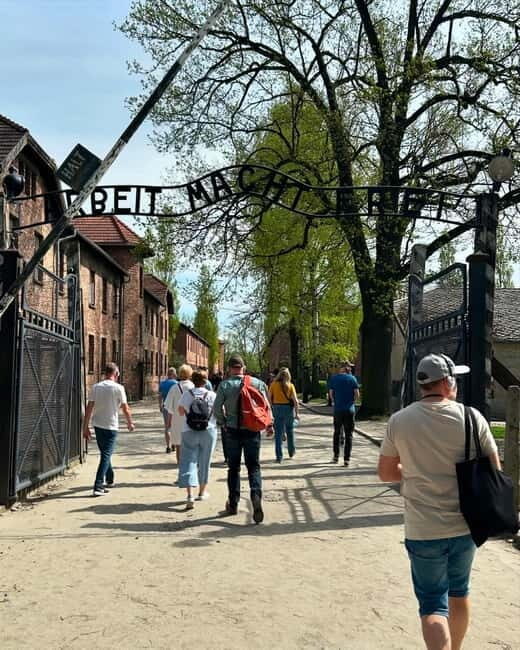
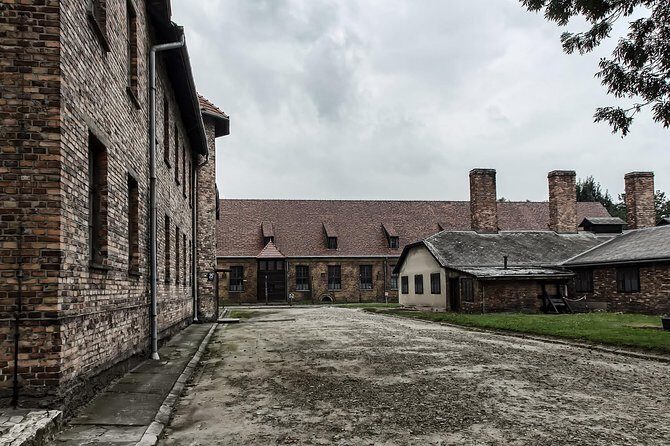
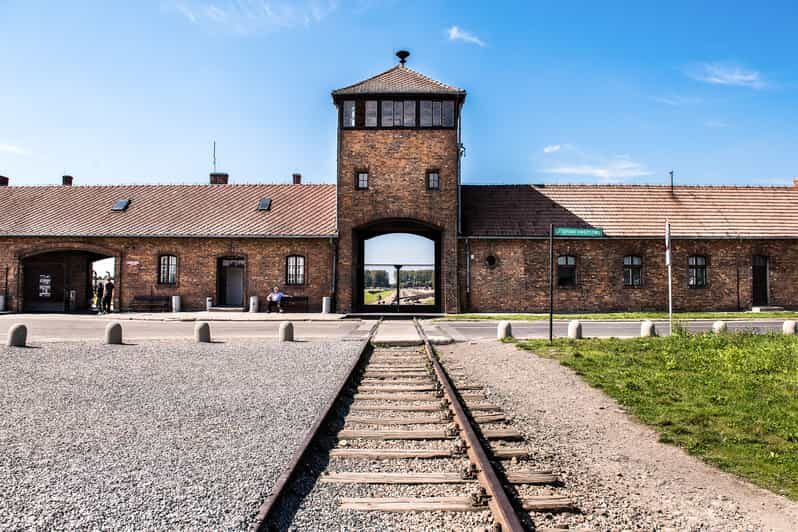
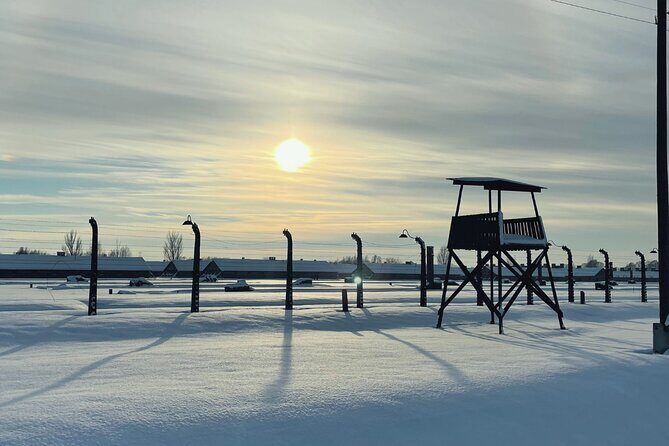
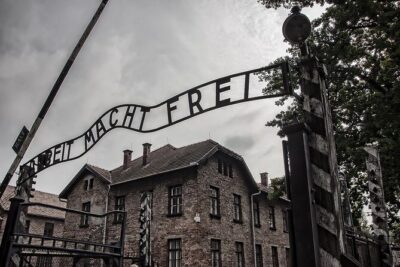
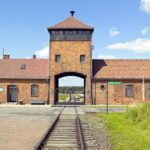
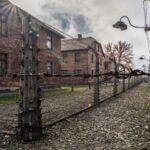
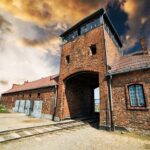
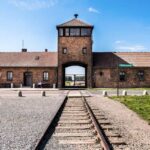
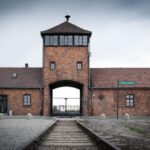
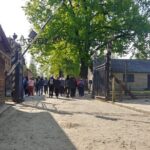
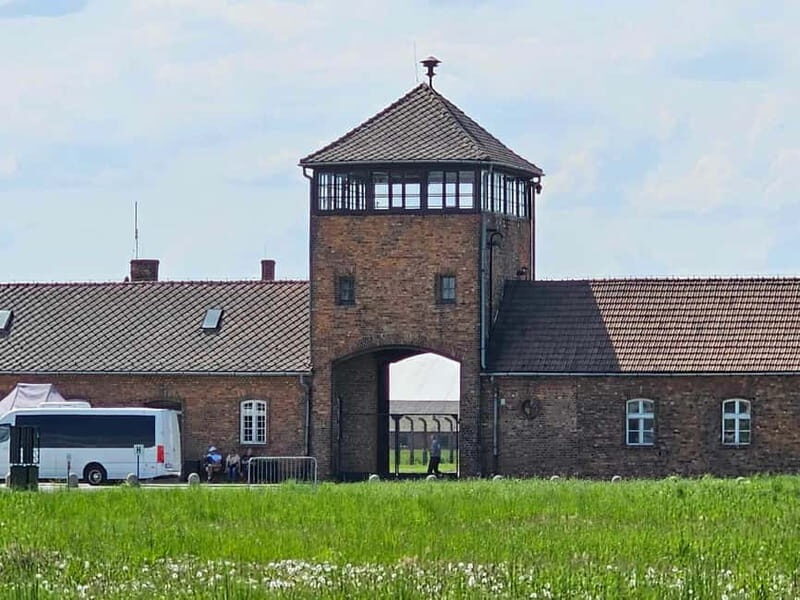
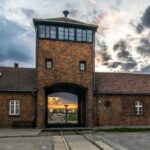
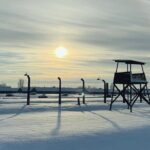
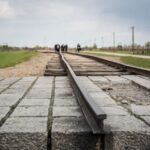
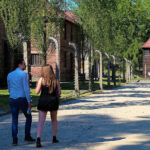
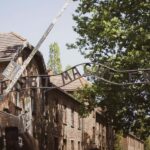
Your day begins at Auschwitz-Birkenau, where you’ll join a guided tour of the former German Nazi concentration and extermination camp. A guide and headsets are included, which is a big deal at Auschwitz because sound can be scattered and the grounds are often crowded.
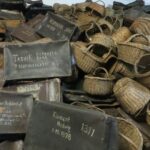
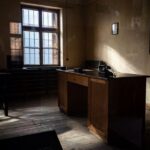
The tour focuses on the most important areas of the museum experience, and you’ll learn why Auschwitz is such a globally recognized symbol of the Holocaust. Your guide is there to help you connect the details you’re seeing with the larger story, rather than just pointing at artifacts and leaving you to interpret everything on your own.
A practical advantage: you’re included with admission and skip-the-ticket-line, so you’re not losing precious time to ticket bottlenecks.
Auschwitz rules and pacing you should expect
Auschwitz isn’t a casual attraction, and the memorial sets the tempo. Even if your trip includes transportation and a timed day, the pace and duration are determined by the staff on site, so don’t build your schedule around the idea that you can control how long you stay.
Photography is allowed, but flash photography is prohibited. Backpacks and larger bags are not allowed inside the museum, though storage is available, so you’ll want to travel light and follow the bag rules. Flash bans can sound trivial until you’re standing at a display and reach for your camera without thinking—so it’s worth putting that on your mental checklist.
Food and drinks are not allowed inside the museum, too. That’s why being ready with a realistic meal plan matters more than you’d expect on a long day.
Finally, the tour recommends you prepare emotionally for Auschwitz. That doesn’t mean you have to be “ready” in some perfect way. It just means you should go in knowing the visit is sensitive, and you’ll likely feel it.
Why UNESCO facts matter here: 1947, 1979, and what you’ll hear
During the Auschwitz portion, you’ll get key context that ties the museum’s creation to later international recognition. The museum was created in 1947, and it became a UNESCO World Heritage Site in 1979.
Those dates aren’t just trivia. They help explain why Auschwitz is presented the way it is today: what changed after the war, how the site was preserved, and how the world chose to protect it as a place of education and remembrance. With a guided visit, you’re less likely to skim past important markers that look similar at first glance.
I like tours that give you this framework, because it reduces the chance you’ll leave with only raw impressions. You’ll still carry those impressions, but you’ll also understand what you’re seeing and why it’s preserved.
Other Auschwitz tours from Krakow in Krakow

Wieliczka Salt Mine: the 135-meter descent and underground highlights
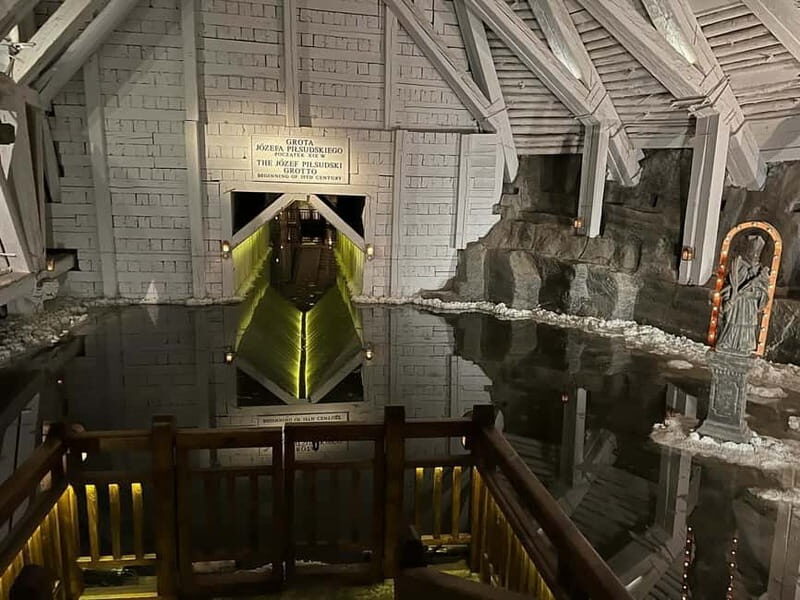
After Auschwitz, the mood shifts in a very physical way when you head to the Wieliczka Salt Mine. You’ll descend 135 meters underground with a professional guide, which is not just a fun detail. That depth changes your experience: colder air, different lighting, and a slower sense of time as you move underground.
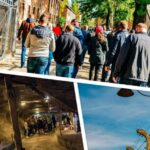
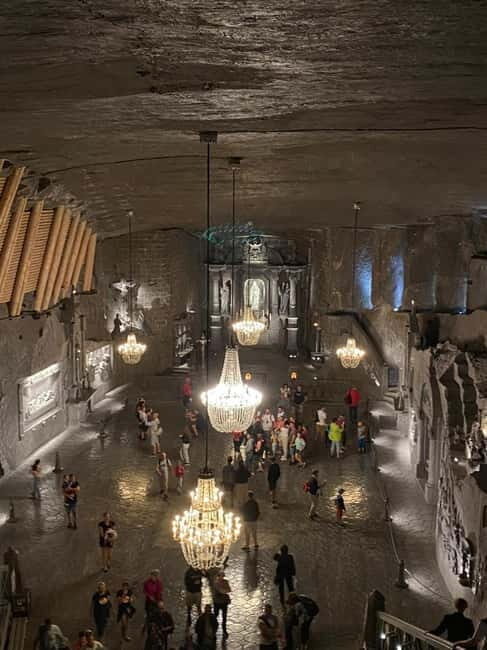
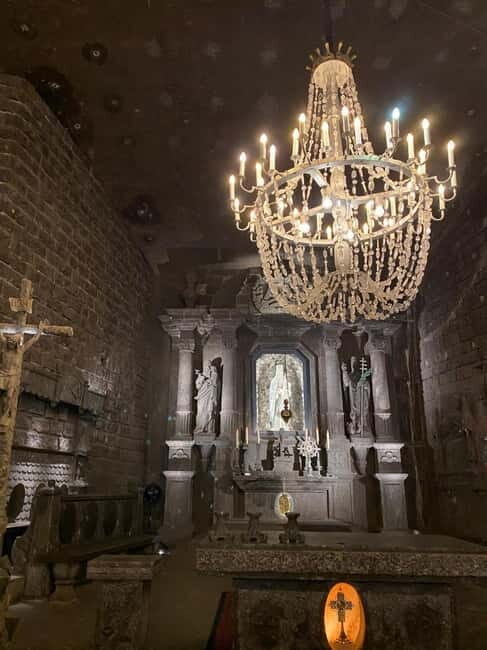
The mine is known for rooms carved directly in salt, and on this tour you’ll get to see those standout features with guidance. Expect chambers carved in salt, underground lakes, majestic wooden structures, and unique salt sculptures.
This is also where the day becomes visually surprising in the best way. One minute you’re dealing with weighty history above ground, and the next you’re standing in a carved world of salt artistry. It’s a contrast, but it’s not random contrast—you’re still learning history, just a different kind of it.
UNESCO context matters here as well. The salt mine was inscribed on the UNESCO World Heritage List in 1978, and your guide will explain the significance behind the site beyond the wow-factor.
What to wear and pack: comfortable shoes and cold underground
This tour asks a lot from your body, even if it’s only “walking” on paper. Wear comfortable shoes because there’s plenty of walking at both places. For the salt mine, plan for temperature: the tour notes it’s colder underground, so bring warm clothing.
Bring water, and have a passport or ID card on you (a copy is accepted). The rules are straightforward, but it’s worth taking them seriously so your day doesn’t get derailed at check points.
The main non-negotiables: no flash photography and no backpacks inside the museum. With storage available, it’s not the end of the world, but you should still keep your day pack manageable.
Price and value: is $279 fair for two UNESCO sites?
At $279 per person for a 12-hour day, you’re paying for a tight package: pickup and drop-off (when selected), air-conditioned transport, admission to both major sites, and professional guides for the key portions. You also get headsets, which reduces fatigue and frustration when you’re trying to listen while moving through busy spaces.
What you don’t get is food and drinks. Since meals aren’t included and you can’t eat inside the museum, you’ll want to budget time and money for food outside the sites. That’s the one cost you’ll likely need to add on top.
Is it worth it? For most people, yes—especially if you’re starting in Krakow and want a smooth, guided day without wrestling with separate transport, ticket timing, and guide logistics. If you’re the kind of traveler who prefers learning with context, the guide time at both UNESCO locations is where your money goes.
If you already planned independent transport and don’t care about guided narration, the price may feel steep. But for a one-day itinerary that’s emotionally and logistically demanding, organized guidance is often the difference between a stressful day and a meaningful one.
Who should book this tour, and who should skip it
This tour is a strong fit if you want both the Auschwitz-Birkenau experience and the Wieliczka Salt Mine on one trip, with guides and clear listening support. The English live guide and headsets are especially helpful if you want information without struggling with language.
It’s not suitable for:
- Children under 10
- People with claustrophobia (because of the underground descent)
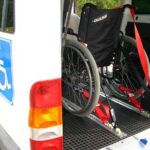
- Wheelchair users
Also, keep in mind that the day includes a lot of walking and an underground cold environment. If you have mobility limits, it may be worth looking for an alternative format that matches your comfort level.
Is this the right booking for you? My final take
I think this is a solid choice for travelers who are coming to Krakow with limited time and want two UNESCO stops handled in one organized sweep. The combination of guided time, headsets, and skip-the-line admission is exactly what you want when you’re juggling a heavy site and a long day.
I’d only hesitate if you already know you can’t handle very early departures, or if you’re worried about underground spaces and long walking. Otherwise, the structure makes sense: Auschwitz first for the memorial’s education and remembrance, then Wieliczka for a guided underground experience that’s visually unforgettable.
If you book, do yourself a favor: sleep early the night before, wear shoes you trust, and bring warm layers for the mine.
FAQ
How long is the Auschwitz-Birkenau & Wieliczka Salt Mine tour from Krakow?
The tour duration is 12 hours.
What UNESCO sites are included?
You visit Auschwitz-Birkenau and the Wieliczka Salt Mine.
Is pickup and drop-off in Krakow included?
Pickup and drop-off at your hotel or meeting point is included when that option is selected during reservation.
Are admission tickets included?
Yes. Admission to both the Auschwitz-Birkenau Museum and the Wieliczka Salt Mine is included.
Can I take photos at Auschwitz or in the salt mine?
Photography is allowed, but flash photography is prohibited.
What should I bring for the salt mine portion?
Wear comfortable shoes and bring warm clothing. The temperature underground in the salt mine is lower, and you should also bring water and weather-appropriate clothing.