REVIEW · KRAKOW
From Krakow: Auschwitz-Birkenau Tour
Book on GetYourGuide →Operated by excursions.city · Bookable on GetYourGuide
A day at Auschwitz-Birkenau is hard to forget. What makes this tour work is the guided focus on Auschwitz I and Auschwitz II-Birkenau, plus included transport that gets you there and back without hassle. I also like the setup around punctual pick-up, though a practical catch is that toilet breaks can be very short due to long queues.
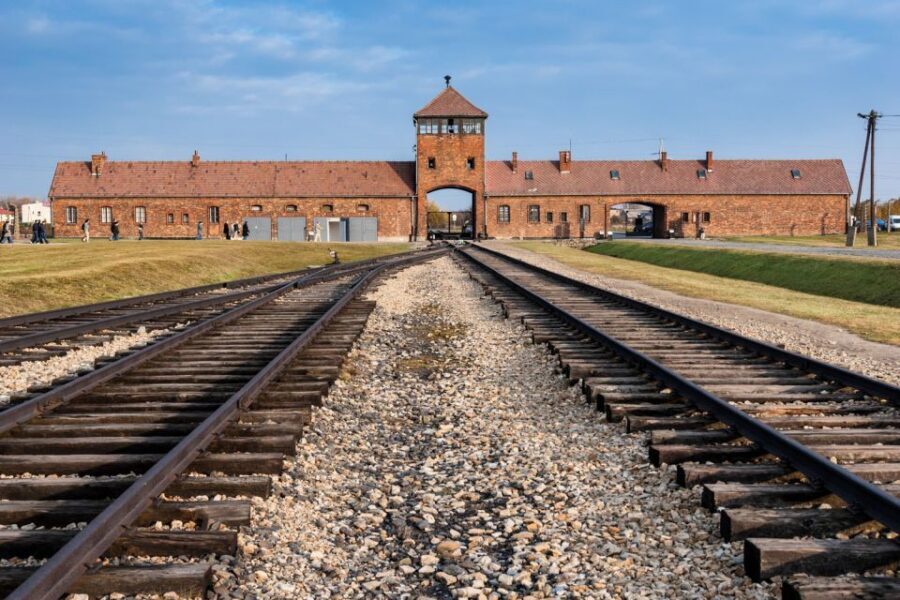
You’ll be visiting a preserved site of memory tied to one of World War II’s darkest chapters, established in 1940 in Oswiecim. The day is built around seeing the camp museum grounds where the ruins of crematoria and gas chambers remain, along with a railway platform and other preserved objects.
The one drawback I’d flag is timing pressure. It’s a 7-hour tour, so you should expect the day to feel structured, with limited time for wandering off on your own.
In This Review
- Key takeaways before you go
- Auschwitz-Birkenau from Krakow: what this 7-hour day really includes
- Getting from Krakow to Oswiecim: plan around a focused schedule
- Skipping the ticket line: why it’s more than a convenience
- Museum rules you must follow: ID matching and bag size limits
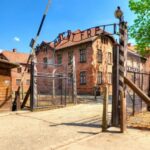
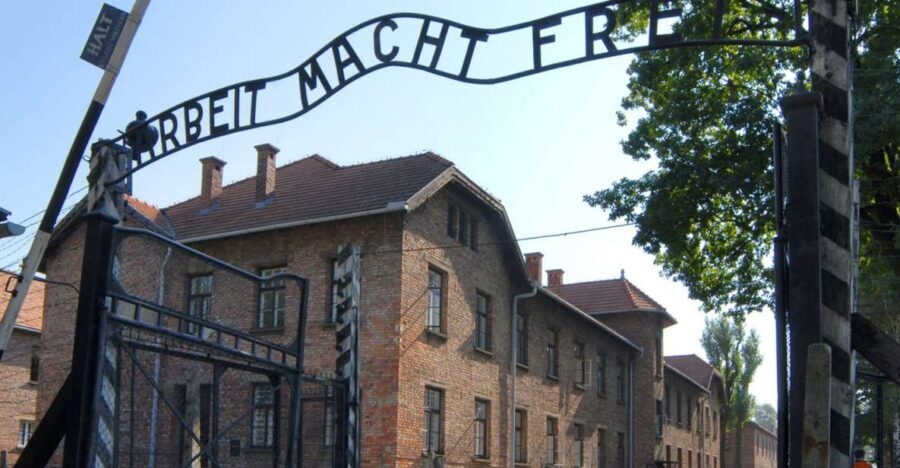
- Auschwitz I: a preserved part of the machinery of terror
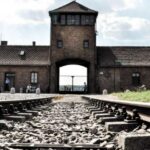
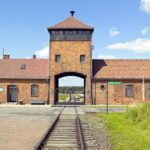
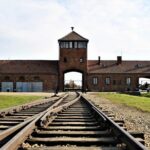
- Auschwitz II-Birkenau: the scale comes through in the preserved ruins
- What the guided tour adds: context, structure, and calmer learning
- Transport included and meals not included: plan your energy
- Value for $81: what you’re paying for (and what you aren’t)
- Who this Auschwitz-Birkenau tour suits best
- Practical tips that make the day go smoother
- Should you book this Auschwitz-Birkenau tour from Krakow?
- FAQ
- How long is the Auschwitz-Birkenau tour from Krakow?
- Where is Auschwitz-Birkenau located relative to Krakow?
- What does the tour include?
- Are meals included?
- Do you skip the ticket line?
- What languages are the live tour guides available in?
- What meeting point do I use in Krakow?
- What ID should I bring?
- Are there bag size limits?
- Is the tour refundable if my plans change?
- Is the tour suitable for pregnant women?
Key takeaways before you go
- Skip-the-line entry helps you start the visit sooner, which matters on a long, important day.
- A live guide (Dutch, English, French, Italian) keeps the history clear and structured instead of turning into a blur.
- Auschwitz I + Auschwitz II-Birkenau means you see both parts of the overall system in one trip from Krakow.
- Museum rules are strict: your full name must match your ID, and bags have a size limit.
- Transport from Krakow is included, with pickup optional and a short driver wait time of 15 minutes.
- No meals are included, so plan for your energy and timing around the guided schedule.
Auschwitz-Birkenau from Krakow: what this 7-hour day really includes
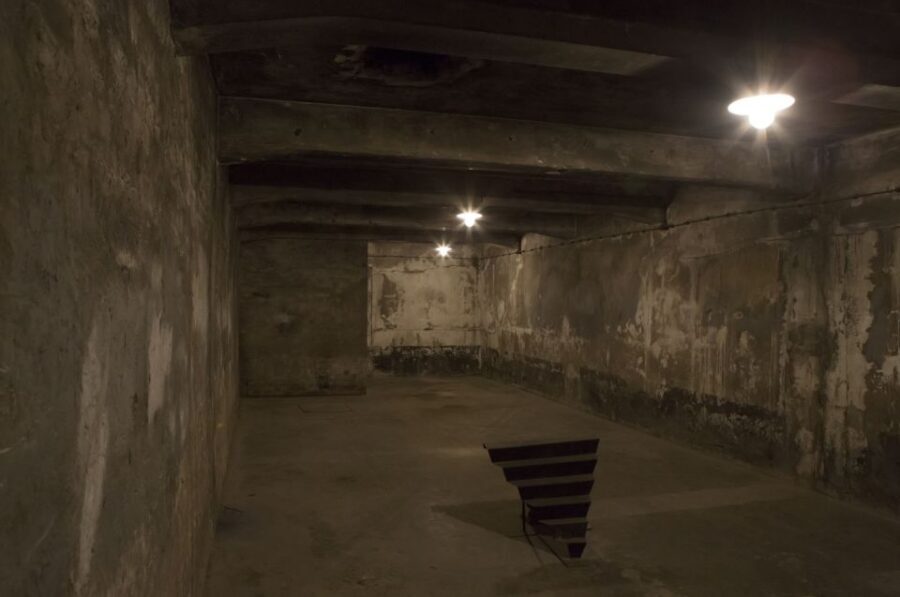
This tour is designed as a full, guided day trip from Krakow to Oswiecim, about 60 km to the west. You’re looking at a 7-hour outing built around a serious purpose: visiting Auschwitz-Birkenau as a place of memory, not a sightseeing stop.
You’ll go to both Auschwitz I and Auschwitz II-Birkenau with a live guide, plus round-trip transport. You also get entrance tickets included, and the tour is set to skip the ticket line, which can be a big deal when you’re trying to fit everything into one workday-style schedule.
Price-wise, $81 per person can look like a lot until you break down what’s bundled. You’re paying for transport to and from Krakow, ticket access, and guided time inside two major parts of the memorial site.
Other Auschwitz I and Birkenau combined tours in Krakow
Getting from Krakow to Oswiecim: plan around a focused schedule
The trip starts with transport between Krakow and Oswiecim, the small town where the German concentration camp system began operating in 1940. Since the sites are around 60 km away, the ride is long enough that the day stays organized rather than loose.
Pickup is optional, and you’re asked to wait in the hotel lobby by reception or at the main entrance if there’s no reception. The driver won’t wait more than 15 minutes after the stated departure time, so showing up late can mean you miss the departure window.
This matters because the rest of the day depends on timing. When you only have 7 hours, the tour can’t slow down for lateness or long delays. If you’re the type who likes extra buffer time, I’d build it in at the start so you’re not stressed later.
Skipping the ticket line: why it’s more than a convenience
One of the smartest inclusions is that the tour skips the ticket line. In practice, that reduces wasted time at the start so you can get to the memorial content sooner.
That sounds basic, but for Auschwitz-Birkenau it changes the mood. You’re not spending your first hour herding paperwork and lines while you mentally gear up for what you’re about to see. Instead, the day’s structure helps you transition faster from travel mode into memorial mode.
Also, because it’s a guided tour, your guide’s role starts early: setting expectations and giving context so the preserved ruins make sense as you move through the site.
Museum rules you must follow: ID matching and bag size limits
If you take only one thing from the logistics, take this: your name has to match your ID exactly. You’re required to provide your full name and contact details as part of the booking, and entrance may be refused if the name on your booking does not match the name on your passport or ID.
Bring a passport or ID card. The memorial’s requirements are strict, and the tour’s tickets are non-refundable, which makes accuracy even more important.
Then there’s the bag rule. The maximum size of backpacks or handbags you can bring into the museum can’t exceed 30 x 20 x 10 cm. For anything bigger, you’ll need to leave bags in the cars or buses or use the lockers provided.
This is one of those “small” rules that can become a big problem if you show up unprepared. I’d pack lightly and keep your essentials compact, so you’re not stuck at the last minute sorting what can and can’t go inside.
Auschwitz I: a preserved part of the machinery of terror
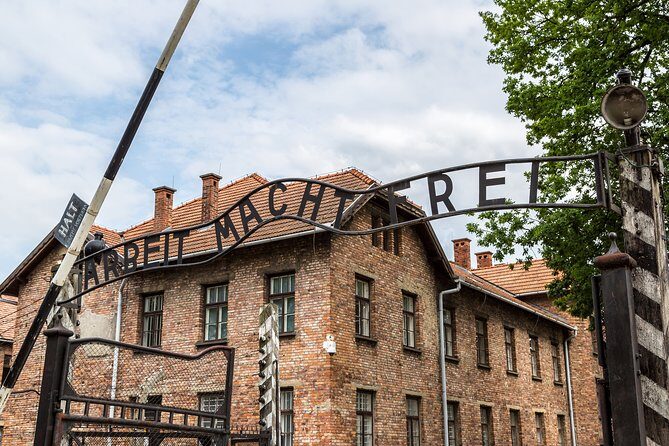
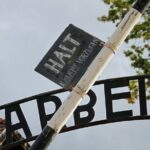
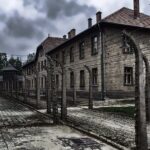
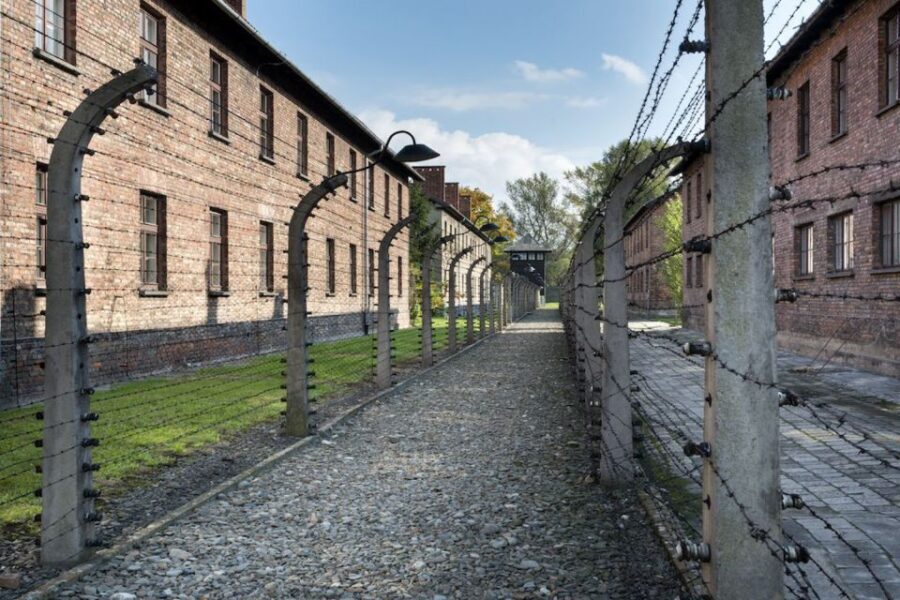
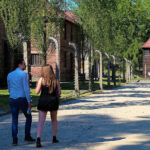
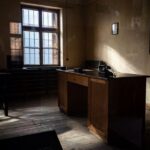
The tour includes Auschwitz I and Auschwitz II-Birkenau, and both are preserved as part of the museum. Auschwitz-Birkenau is described as having been preserved intact as a reminder of the crime committed against humanity here.
Even without getting lost in technical details, this part of the visit matters because it frames what comes next. Auschwitz I helps you understand how the system operated and why the site is preserved at all: not to shock you, but to record what happened and keep it from being erased.
A good guide is key here. You’ll have a live tour guide available in Dutch, English, French, or Italian, and the goal is to explain the major historical period rather than dump information with no breathing room.
If you prefer history delivered calmly and clearly, you’re in the right kind of tour. One guide named Beata, for example, received praise for pacing and for placing the experience in a wider story of Poland’s history connected to the Second World War.
Other Auschwitz tours from Krakow in Krakow

Auschwitz II-Birkenau: the scale comes through in the preserved ruins
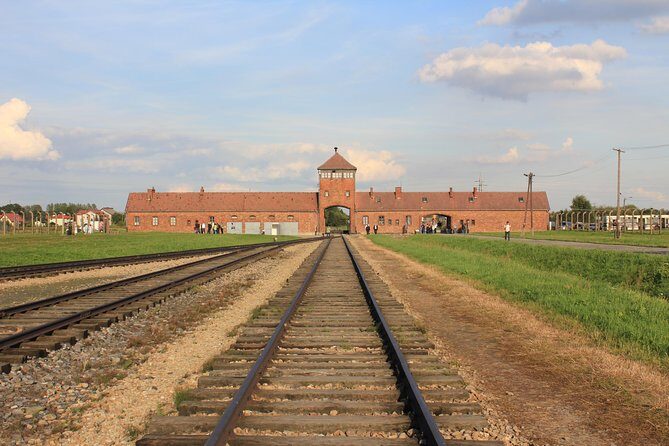
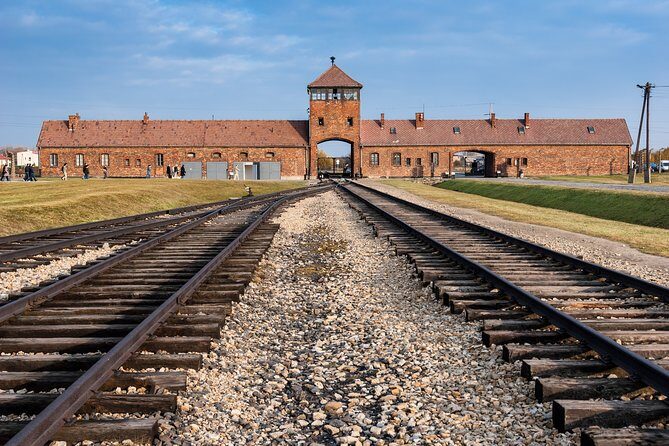
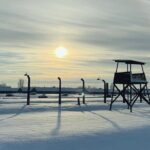
Auschwitz II-Birkenau is where the camp’s scale becomes impossible to ignore. The tour describes Auschwitz-Birkenau as the largest German concentration camp, where more than 1.5 million prisoners were tortured and murdered during the Second World War.
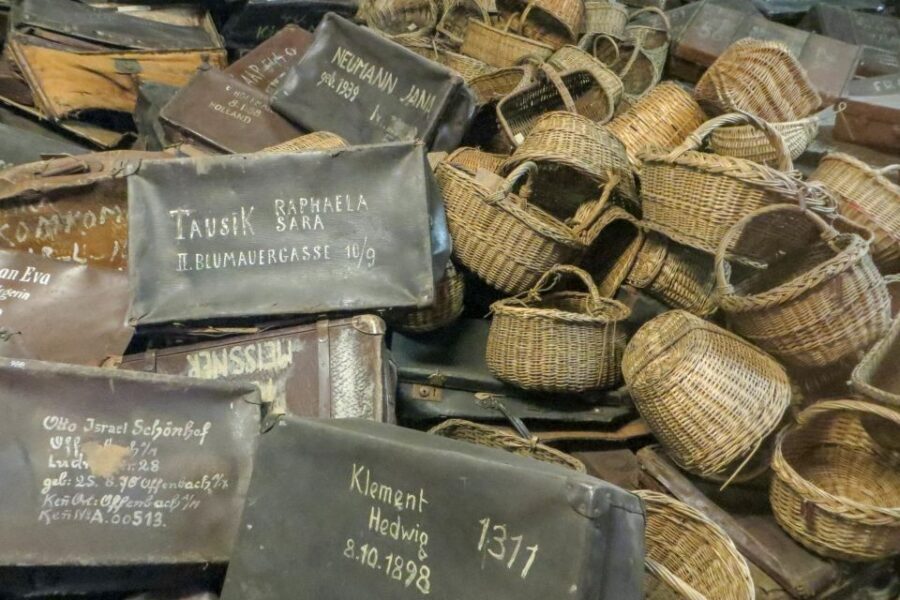
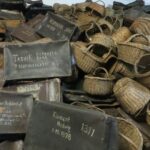
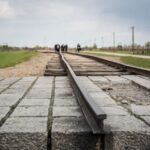
This isn’t just a number to read and move on. The memorial includes preserved elements like the ruins of crematoria and gas chambers and a railway platform, along with other objects from the former camp. Seeing these remains in place is part of what makes this visit different from watching a documentary later.
Because the site is preserved, you’re not only learning history in theory. You’re looking at objects that are meant to testify. It’s heavy. It also tends to be memorable in a way that doesn’t fade quickly.
What the guided tour adds: context, structure, and calmer learning
In places like this, a guide does more than translate words. I like guided tours because they give you structure while the setting does the emotional work.
You’re getting a live tour guide, not an audio-only pass. That means if something feels confusing—dates, how the camp system evolved, or what you’re looking at—you have a person to help you connect the dots instead of guessing.
The language options are also practical. You can book with a Dutch, English, French, or Italian guide. If your comfort language is one of those, prioritize it. You’ll understand more, and you’ll spend less mental energy on translation.
One watch-out: pacing can vary by group and schedule. A comment you’ll want to keep in mind is that there can be a tendency to move a bit quickly for people who want extra time to look carefully. If you’re the kind of person who processes best with slow stops, you might plan to mentally take your time during the parts the guide slows down.
Transport included and meals not included: plan your energy
The tour includes transport to and from Krakow and entrance tickets. That’s a real value win because you aren’t piecing together separate bus tickets plus museum admission.
What’s not included is meals. So you should be ready to handle food on your own and time it around the guided schedule. If you assume you’ll be fed during the day, you’ll end up scrambling.
In a long, emotionally intense visit, even small comfort issues become bigger. One practical complaint noted in past experiences is that toilet visits can be very short, made even shorter by long queues. That’s not a reason to skip the tour, but it is a reason to be flexible and not count on long breaks.
Value for $81: what you’re paying for (and what you aren’t)
Let’s talk value in plain terms.
You’re paying $81 per person for:
- round-trip transport between Krakow and the memorial area
- entrance tickets
- a guided tour of Auschwitz I and Auschwitz II-Birkenau
- ticket line skipping
- a live guide
You’re not paying for meals.
So the value is mainly about time and certainty. You don’t have to plan transport timing, tickets, and where to stand while everyone lines up. On a day where you want to stay respectful and focused, removing that planning work is a win.
If you were to DIY it—taking transport on your own, buying tickets separately, and trying to arrange guiding—it could cost similar money in time and stress. Here, the price includes the structure.
And because the tour is 7 hours, you’re likely to get enough guided coverage without turning the day into an all-day ordeal.
Who this Auschwitz-Birkenau tour suits best
This tour fits best if you want a guided explanation rather than self-guided wandering. You’ll likely get more out of the visit if you’re open to historical context and careful narration, especially when you’re moving through preserved sites tied to terror and mass murder.
It’s also a good pick if you want one organized day rather than multiple planning steps from Krakow. The included transport and ticketing reduces the risk of logistical confusion.
There’s one clear constraint: it is not suitable for pregnant women, according to the tour’s information. If that applies to you, look for an alternative option that matches accessibility needs.
If you’re traveling with a group and you can stay attentive for a full 7 hours, you’ll be fine. If you know you need lots of unscheduled breaks or extended downtime, the structured nature—and the note about shorter toilet time—might feel challenging.
Practical tips that make the day go smoother
Here are the things I’d do to make the visit easier on yourself, without turning it into a comfort-seeking mission:
- Carry your passport or ID card and double-check your booking name matches it exactly.
- Keep your bag within the 30 x 20 x 10 cm limit. If it’s bigger, plan to use lockers or leave items in the bus/car.
- Come ready for a guided pace. The point is to learn and move through the preserved grounds with context, not stop and start endlessly.
- Accept that toilet breaks may be short due to queues. Going slightly earlier than you think you need to can help.
- Since meals aren’t included, plan food around the schedule so you don’t spend the later part of the day hungry or rushed.
This is not a place to treat as a normal outing. The more you handle the small practical stuff up front, the more respectful and focused you can be where it matters.
Should you book this Auschwitz-Birkenau tour from Krakow?
I’d book it if you want a structured, guided visit from Krakow that covers Auschwitz I and Auschwitz II-Birkenau in one 7-hour day. The included transport, entrance tickets, and skip-the-line entry make it a practical value, and a live guide helps you understand what you’re seeing.
You should think twice before booking if you’re worried about the strict museum rules, because entrance depends on your name matching your ID and bags must fit the size limits. Also, because it’s non-refundable, you’ll want to be confident about your travel dates.
If you want the simplest path—one booking, one guide, one plan—this is the right kind of tour to choose. Just show up prepared, keep your bag small, and give yourself permission to take the day slowly internally, even if the schedule stays firm.
FAQ
How long is the Auschwitz-Birkenau tour from Krakow?
The duration is 7 hours. Starting times depend on availability.
Where is Auschwitz-Birkenau located relative to Krakow?
It’s about 60 km west of Krakow, in the town of Oswiecim.
What does the tour include?
It includes transport to and from Krakow, entrance tickets, and a guided tour of Auschwitz I and Auschwitz II-Birkenau.
Are meals included?
No. Meals are not included.
Do you skip the ticket line?
Yes, ticket line skipping is included.
What languages are the live tour guides available in?
The live guide is available in Dutch, English, French, and Italian.
What meeting point do I use in Krakow?
The meeting point may vary depending on the option booked.
What ID should I bring?
Bring a passport or ID card.
Are there bag size limits?
Yes. Backpacks or handbags can’t exceed 30 x 20 x 10 cm. Lockers are available, and bigger items should be left in cars or buses.
Is the tour refundable if my plans change?
No. This activity is non-refundable.
Is the tour suitable for pregnant women?
No. It is not suitable for pregnant women.