REVIEW · KRAKOW
Auschwitz-Birkenau and Salt Mine Full day tour
Book on Viator →Operated by Auschwitz and Salt Mine tour from Krakow · Bookable on Viator
Two icons of Poland, in one day. Auschwitz-Birkenau hits hard, and the Wieliczka Salt Mine is a strange, beautiful contrast—both handled with a guided format that keeps the pace efficient. I love that admission is included for both stops, and that you get an English-speaking guide with headphones so you can follow along without playing guessing games. One thing to consider: it’s an early, long day, and Auschwitz is emotionally intense even if you know the facts already.
You’ll start with hotel pickup in central Krakow (or the Jewish Quarter), usually sometime between 7:30 and 9:00 AM. Then the day splits into two very different worlds: Auschwitz-Birkenau first (about 3 hours), followed by Wieliczka Salt Mine (about 2 hours). The whole setup is built for efficiency—shared transport, set guided blocks, and a return drop-off near the Main Square.
In This Review
- Key highlights that matter before you go
- Why this Auschwitz and Salt Mine day trip works from Krakow
- Pickup from your Krakow hotel: the part that sets the day’s tone
- Auschwitz-Birkenau: what you’ll see and how the guide helps you follow it
- Auschwitz practical tips: bags, sound, and staying present
- Wieliczka Salt Mine: the underground art that makes the contrast real
- What it feels like to go by shared van: smooth timing, shared space
- Headphones, guides, and group size: the difference between a good and great day
- Value and pricing: is $141.87 a good deal?
- Who this tour suits (and who should think twice)
- Should you book this Auschwitz-Birkenau and Wieliczka Salt Mine tour?
- FAQ
- How long is the full-day Auschwitz and Salt Mine tour?
- What time does pickup happen in Kraków?
- Are admission tickets included for both Auschwitz-Birkenau and the Wieliczka Salt Mine?
- Do I get headphones to hear the guide?
- How big is the group for the transfer?
- Is food included?
- What is the cancellation policy?
Key highlights that matter before you go
- Included tickets for Auschwitz-Birkenau and Wieliczka Salt Mine mean fewer line headaches and less time lost.
- Headphones for the guides help a lot, especially in busy museum spaces.
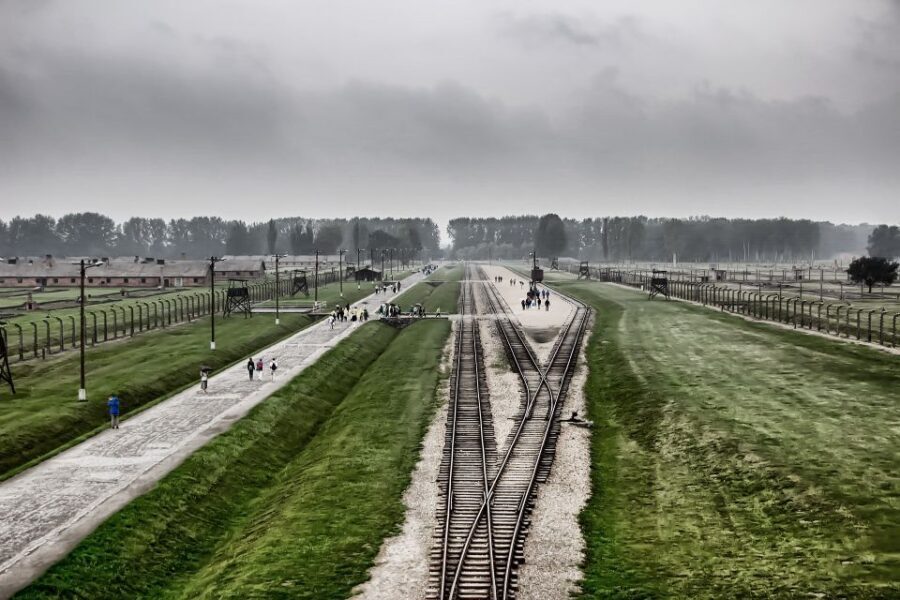
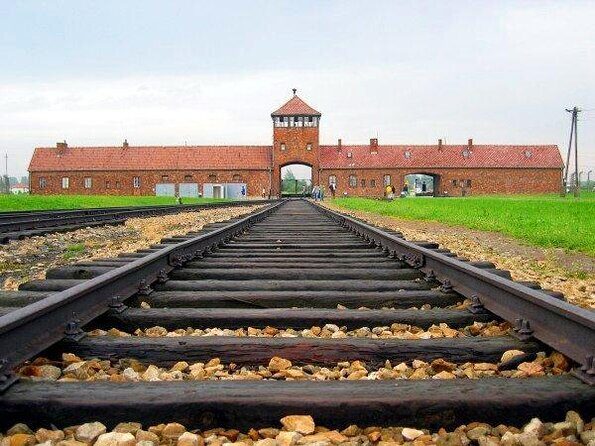
- Auschwitz covers Auschwitz I and Auschwitz II-Birkenau, with key locations like barracks and the Birkenau railway platform.
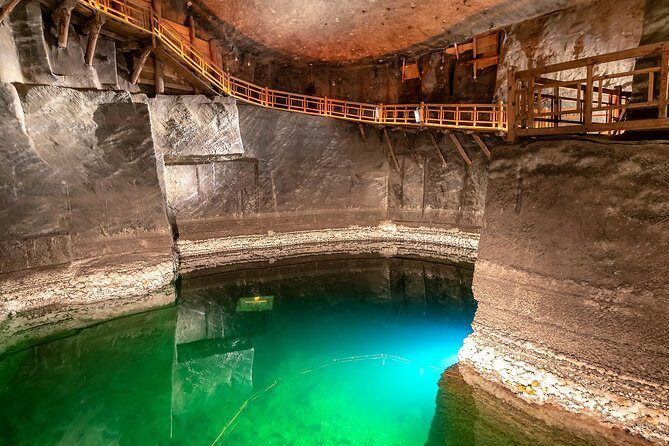
- Wieliczka is real underground architecture, including chapels, sculptures, and statues carved from rock salt.
- Hotel pickup and drop-off by air-conditioned shared transport keeps the day organized.
- Small-group transfer limits (max 14 in the vehicle) make it easier to manage than huge buses.
Why this Auschwitz and Salt Mine day trip works from Krakow
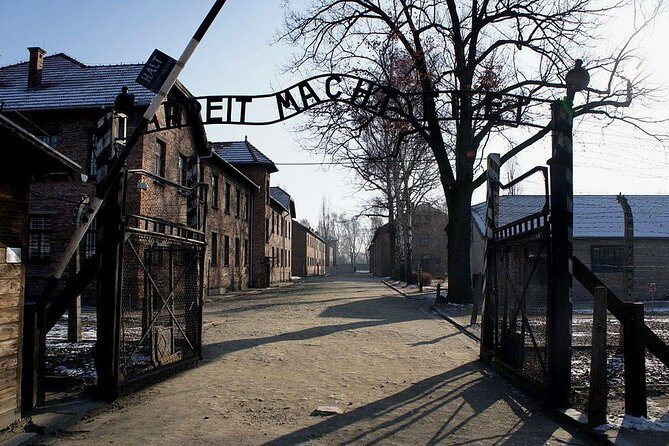
This is a “two worlds” day, and that’s exactly why it’s a smart one to book while you’re in Krakow. First you visit Auschwitz-Birkenau—part museum, part memorial—so the focus stays on context and explanation rather than wandering. Then you switch gears underground into Wieliczka, where salt has been carved into chapels and figures for centuries.
I like the rhythm of this tour because it protects your attention. The Auschwitz portion is long enough to absorb what you’re seeing, and Wieliczka is paced so you still have energy to enjoy it. It also helps that transport is handled for you, so you aren’t solving schedules or transit when the day already feels heavy.
One more practical win: admission is included. At both Auschwitz and Wieliczka, that cuts down friction. You arrive, get oriented, and move straight into the guided experience.
Other Auschwitz I and Birkenau combined tours in Krakow
Pickup from your Krakow hotel: the part that sets the day’s tone
Pickup is the first thing you’ll feel. The tour starts early, with pickup typically between 7:30 and 9:00 AM, and the exact time is confirmed by email or text the day before. You meet the group in a central location in Krakow or the Jewish Quarter, then climb into an air-conditioned minivan or bus for the shared transfer.
In real life, this is where you’ll notice how smoothly the operator runs the day. People highlight drivers like Konrad, Bartek, Daniel, Igor, and Conrad for being friendly and keeping the logistics moving. Even if your driver isn’t one of those names, the takeaway is consistent: you want clear communication and on-time departures, especially when you’re heading to places with strict entry timing.
Two practical notes:
- This is a shared ride, capped at max 14 in the transfer vehicle, though the overall tour can be up to 25 travelers.
- If you’re hoping the driver will also act as a second guide on the road, don’t count on it. This tour is set up for guided commentary at the sites themselves. If you want deeper story time while traveling, a private transport is the better match.
Auschwitz-Birkenau: what you’ll see and how the guide helps you follow it
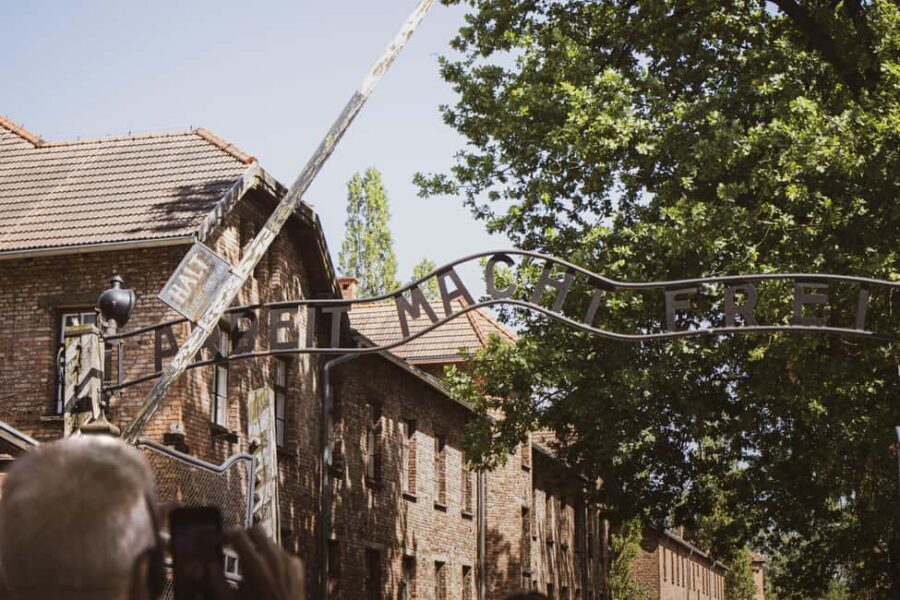
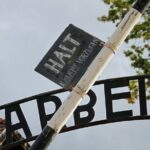
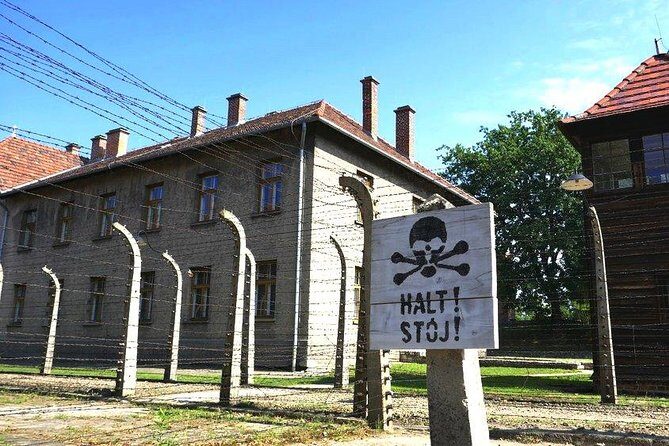
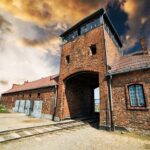
Auschwitz-Birkenau is not a “quick look” kind of place. It’s two surviving areas of a Nazi concentration camp complex: Auschwitz I and Auschwitz II-Birkenau. The Nazis created the system in occupied Poland in 1940 near Oświęcim, and after the war ended, the camps were turned into a museum by 1947. Knowing those dates doesn’t make it less painful—but it does help your brain organize what you’re standing in.
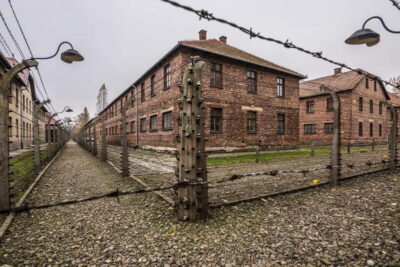
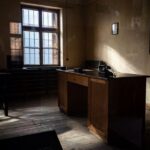
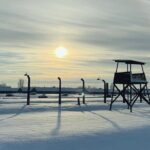
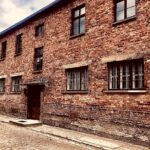
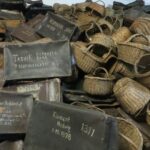
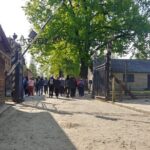
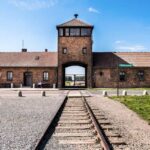
Your Auschwitz visit is guided for about 3 hours, and that matters because the site is both broad and specific. Your guide helps you connect the physical details to the human reality behind them. You’ll pass locations tied to how prisoners lived and worked, including barracks. You’ll also see ruins connected to mass murder, including the crematoria and gas chambers. In Birkenau, the tour includes the railway platform, one of the most important visual reminders of how people were brought to the camp.
What I appreciate here is that a good guide doesn’t just list facts. They explain why each location matters and how the camp system functioned. You don’t need extra drama—you need clarity.
Auschwitz practical tips: bags, sound, and staying present
This tour gives you headphones so you can hear the guide clearly. That’s a big deal because Auschwitz can be loud with crowds, and some parts of the museum are packed. Still, you can help yourself by staying close to your guide’s voice when possible.
A few practical things to plan around:
- Backpack limit: handbags or backpacks can’t exceed 30 x 20 x 10 cm. If you’re traveling light, you’ll stay stress-free.
- Comfort matters: wear shoes you can stand in for a while. Auschwitz involves walking on varied surfaces.
- Bring weather readiness: conditions outside can change fast, and you’ll be moving between outdoor paths and museum areas.
Emotionally, there’s no “best way” to do Auschwitz. But it helps to go in with a plan for your pacing: treat it like a structured visit, not a museum sprint. You’re there to understand what the site represents, and the guided format is built for that.
Also, one more detail worth flagging: the guide might be quiet in tone. People have noted that you’ll need to be close enough to hear the explanations well. So if you’re near the back, don’t be afraid to shift your position when you can.
Wieliczka Salt Mine: the underground art that makes the contrast real
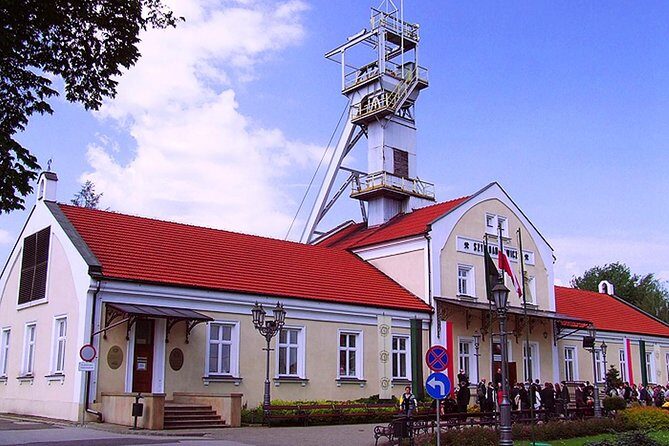
Then you head to Wieliczka Salt Mine, about 12 km (7.5 miles) from Kraków. This place is famous for a reason, and it isn’t just because it’s underground. It’s because it’s the oldest salt mine in the world that has been operating without interruption since the Middle Ages.
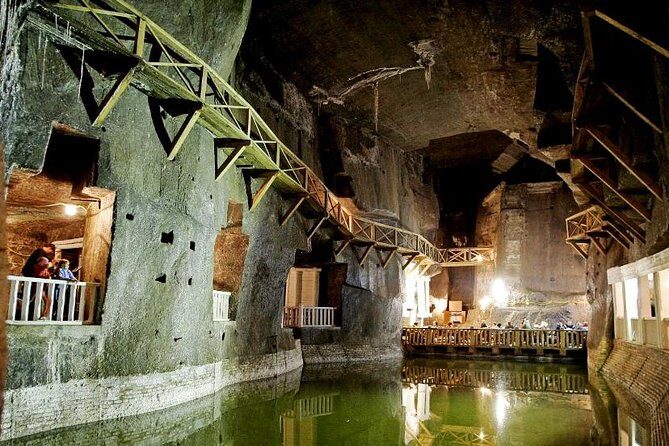
You’ll spend about 2 hours underground, moving through caves, chambers, and open spaces that feel part geology and part human craft. The mine is huge in scale: roughly 300 km of total tunnels across 9 levels, and it goes down to a depth of about 327 meters.
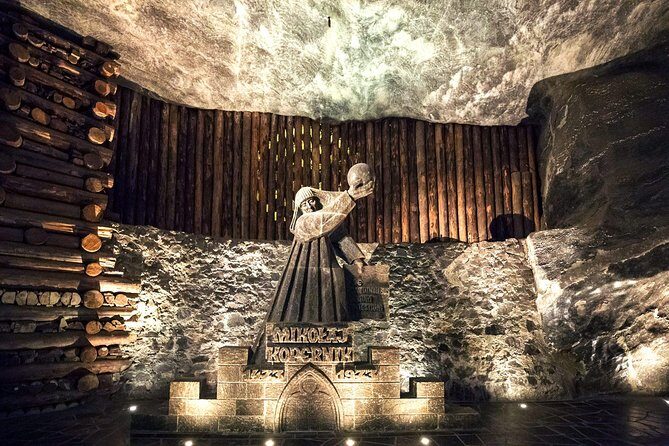
The standout here is what people carved. Wieliczka has chapels, sculptures, and statues made from rock salt. It’s a strange and memorable mix of engineering and artistry—like someone decided the mine should also serve as a place to create meaning.
A quick realism check: you’re going from Auschwitz to a guided mine tour. That contrast can feel odd, but that’s exactly what makes the day work. You get a clear emotional weight first, then you switch into a space where imagination is allowed.
Other Auschwitz and Wieliczka Salt Mine combination tours in Krakow

What it feels like to go by shared van: smooth timing, shared space
Transport is part of the experience. The tour uses air-conditioned minivan or bus shared transfer, and the vehicle carries up to 14 people. The driver experience tends to be a strong point when feedback praises drivers like Konrad and Bartek for being professional and friendly, or Daniel and Igor for keeping arrangements clear.
Still, shared transport has limits:
- You’re on a schedule, not a personal timeline.
- You may get less commentary en route than you’d expect from a private transfer.
This matters because it changes what you should want from the day. If your goal is maximum site time with clear guidance, shared transfer is perfect. If your goal is a lot of Kraków-to-camp storytelling while driving, consider private options.
Headphones, guides, and group size: the difference between a good and great day
The best versions of this kind of day trip usually have two ingredients:
- A guide who explains with clarity.
- A group flow that doesn’t break your attention.
This tour includes headphones and uses professional English-speaking guides for Auschwitz and Wieliczka. That’s a good combination for following along in both places. In addition, the vehicle size helps keep logistics sane.
Group size is capped at max 25 travelers. That’s not tiny, but it’s also not an overwhelming mob. The main thing to watch is your position during guided explanation: if you’re farther back, sound can get tougher in certain rooms or outdoor pockets.
On balance, the tour structure is meant to stop you from losing time. Instead of splitting into long lines and confusing meeting points, you stay in the guided rhythm.
Value and pricing: is $141.87 a good deal?
At $141.87 per person, this is priced like a proper full-day guided package—not a bare-bones ticket. And the value calculation is pretty clear once you add up what’s included.
You’re paying for:
- round-trip shared transport from central Krakow
- hotel pickup and drop-off
- professional English-speaking guides
- headphones for clearer listening
- admission included for Auschwitz-Birkenau and the Wieliczka Salt Mine
Food isn’t included, and that’s normal for tours like this, but it also means the price isn’t inflated to cover lunches. For many people, the included admissions are the big win. Auschwitz and Wieliczka each draw crowds, and paying for guided time plus access often costs more when you piece it together on your own.
If you’re only traveling for a short time in Krakow, or you want to avoid the stress of coordinating two major sites across different transportation schedules, this price starts to look fair.
Who this tour suits (and who should think twice)
This day trip is a solid fit if you:
- want one guided day that covers Auschwitz-Birkenau and Wieliczka
- prefer having transport handled
- need English guidance with headphones
- can handle early starts and a long day (about 11 hours total)
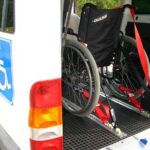
The minimum age is 6 years old, and the tour says most travelers can participate. That said, Auschwitz is physically and emotionally demanding. If you have mobility limits or expect long walking times, it’s worth thinking carefully before booking.
Also, if you hate rigid schedules, this might feel intense. You’ll have set guided blocks: roughly 3 hours at Auschwitz and 2 hours at Wieliczka. This is efficient, but it’s not flexible.
Should you book this Auschwitz-Birkenau and Wieliczka Salt Mine tour?
I’d book it if you want a straightforward plan: hotel pickup, guides at the key sites, admissions included, and transport that keeps you from worrying about timing. The Auschwitz portion is structured enough to help you understand what you’re seeing, and Wieliczka provides a real change of pace without turning the day into a random stop-and-go tour.
I’d think twice if you want a lot of storytelling during the drive, or if you’re sensitive to long, early schedules. In those cases, consider a private transport option, so you can control pace and commentary.
If you’re visiting Krakow and you want the “do it right once” version of these two sites, this tour is a strong choice.
FAQ
How long is the full-day Auschwitz and Salt Mine tour?
The tour runs about 11 hours (approx.).
What time does pickup happen in Kraków?
Pickup is usually between 7:30 AM and 9:00 AM. The exact pickup time is confirmed day before by email or text message.
Are admission tickets included for both Auschwitz-Birkenau and the Wieliczka Salt Mine?
Yes. Entry/admission to the Państwowe Muzeum Auschwitz-Birkenau and the Salt Mine in Wieliczka is included.
Do I get headphones to hear the guide?
Yes. Headphones are included so you can hear the guide clearly.
How big is the group for the transfer?
The transfer is a shared ride with a maximum of 14 people in the vehicle. The overall tour can have up to 25 travelers.
Is food included?
No. Food and drinks are not included.
What is the cancellation policy?
You can cancel for free up to 24 hours in advance of the experience start time for a full refund. If you cancel less than 24 hours before, the amount paid is not refunded.