REVIEW · KRAKOW
Auschwitz & Birkenau Guided Tour with Hotel Pickup from Krakow
Book on Viator →Operated by Hello Cracow · Bookable on Viator
Auschwitz is heavy, but the logistics help. This guided day trip from Krakow to Auschwitz I and Birkenau is built around hotel pickup and a small group setup with headsets at Auschwitz I, so you spend less time figuring things out and more time absorbing what’s in front of you. One catch: the museum controls timing, so your departure and pickup can shift if they adjust entry slots or traffic runs long.
I also like that the experience is structured in a way that keeps meaning intact: you start with Auschwitz I, take a short breather, then continue straight on to Birkenau (Brzezinka). Expect a serious amount of walking and outdoor time—up to 70%—so on cold or rainy days you’ll want to dress for the elements, not for comfort.
In This Review
- Key Details That Matter Before You Go
- Krakow Transfers: Hotel pickup that actually reduces stress
- The Rules at Auschwitz: Security, dress code, and pace
- Auschwitz I: What the gate experience is designed to do
- Short Break Logic: Coffee and a reset before Birkenau
- Birkenau (Auschwitz II) and Brzezinka: The scale hits differently
- Headsets, Group Size, and Timing: How the tour keeps you on track
- What to Pack: Weather, water, and the practical stuff people forget
- Is it good value at $35.07? Here’s what you’re really paying for
- Who this Auschwitz & Birkenau tour is best for
- Should you book this tour?
- FAQ
- Does this tour include entry to Auschwitz I and Birkenau?
- Do I need an ID or passport for the Auschwitz visit?
- What language is the tour offered in?
- Is lunch included?
- How much of the tour is outdoors?
- Can I take photos at Auschwitz and Birkenau?
- Can the pickup time change, and is cancellation free?
Key Details That Matter Before You Go
- Hotel pickup from Krakow by air-conditioned van or mini-bus, with a nearby meet point if your hotel is in a restricted area
- Licensed English guide inside Auschwitz-Birkenau (with headsets provided where needed)
- Pre-arranged entry to both Auschwitz I and Auschwitz II (Birkenau), with admission included
- Small group size capped at up to 30, which makes hearing the guide much easier
- Security check required before entering the memorial and museum
- Outdoor-heavy visit (up to 70%), so weather planning is part of the trip
Krakow Transfers: Hotel pickup that actually reduces stress
The drive from Krakow to Auschwitz/Oswiecim is about 1 hour 15 minutes one way (65 km), which means the day feels long even before you enter the camps. The value here is that transport is handled in an air-conditioned vehicle, and you’re picked up from your hotel or the address you specify.
I like that the operator works with drivers who have the required EU permissions for passenger transport, because it keeps the “is this legit?” question out of your mind. And because Krakow has traffic-restricted zones, they plan pickup from the nearest accessible point, which is more practical than making you fight city streets with a tired brain.
Pickup times are tentative until confirmed the day before (afternoon at the latest). If you get annoyed easily by last-minute changes, that’s the one planning challenge to accept up front—museum schedules can move, and your start time may follow that reality.
Other Auschwitz I and Birkenau combined tours in Krakow
The Rules at Auschwitz: Security, dress code, and pace
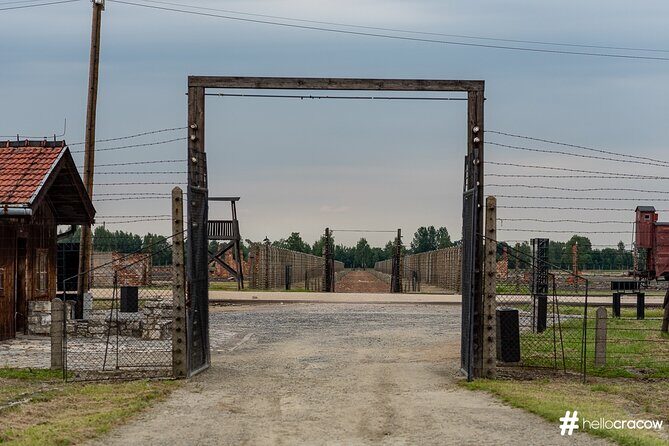
Before you even reach the exhibits, there’s an airport-style security check. This matters because it can slow down your entrance if you show up dressed like you’re going to a casual café crawl.
Inside the camps, you’ll follow a guided group format only (no individual pacing). That’s a good thing on a site like this: it prevents the day from turning into a random self-tour where you miss the emotional and historical structure the guide is trying to provide.
Bring a respectful mindset and plan for smart casual clothing. The tour notes also call out that eating, smoking, and loud behavior aren’t allowed, and photography is restricted in marked areas—flash isn’t permitted inside buildings.
Auschwitz I: What the gate experience is designed to do
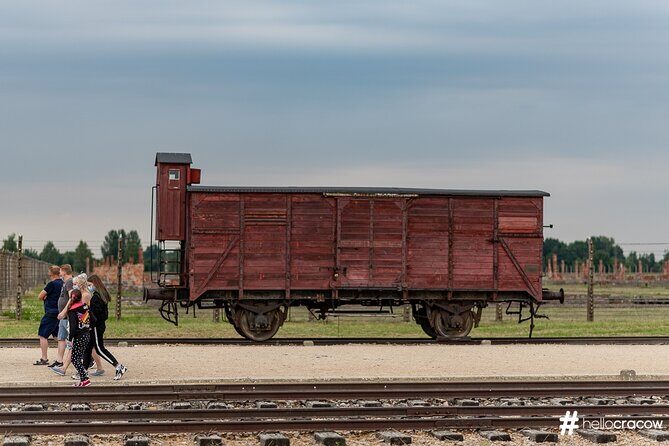
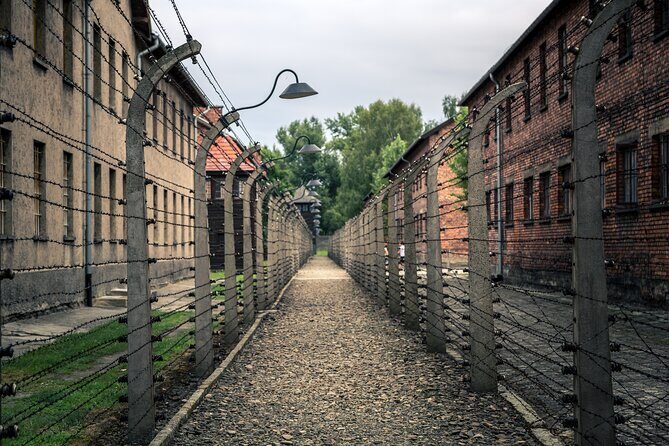
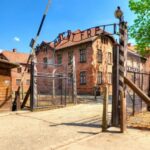
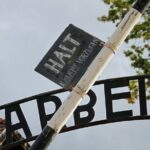
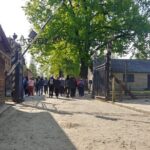
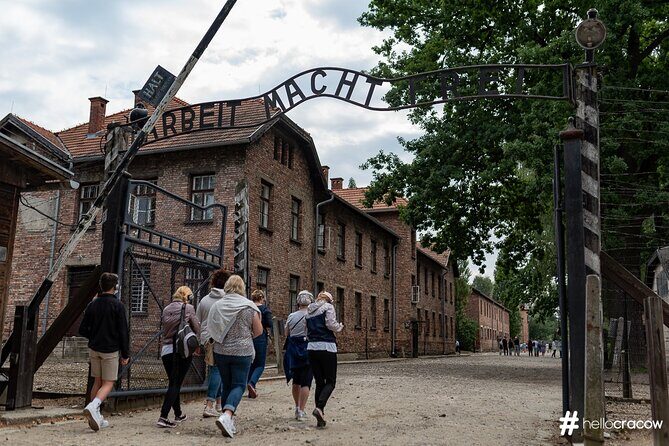
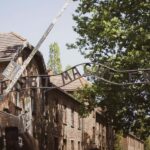
Auschwitz I is the first camp you enter, and it’s presented as the starting point of the concentration camp system used for detention of Polish citizens after Germany annexed the country in 1939. This is where you’ll encounter the iconic entrance sign Arbeit Macht Frei (Work Makes You Free), and the “built environment” hits fast.
You’ll typically spend around 2 hours here, with headsets so you can hear the English-speaking, licensed guide clearly. The group size is capped by the museum rule (up to 30), which makes it easier to stay with the guide rather than constantly craning over shoulders.
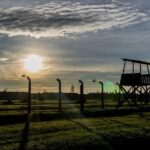
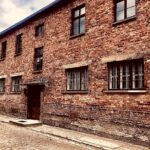
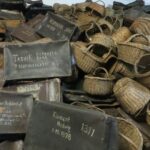
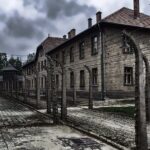
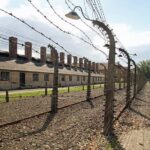
What you can expect to see includes wooden buildings, fortified walls, barbed wire, plus references to gas chambers and crematoria. This isn’t presented like a lecture hall. It’s structured so your brain understands scale—then your feelings catch up a few seconds later.
One practical consideration: Auschwitz I is where you need the most focus, because you’re seeing foundational sites and concepts. If you zone out, it’ll be harder to connect the dots before moving on.
Short Break Logic: Coffee and a reset before Birkenau
After Auschwitz I, there’s a brief stop of up to 15 minutes. Don’t treat this like a “go find a full meal” window. There’s no time for that, and on-site food facilities aren’t part of the plan.
They recommend planning around snacks. This is a small detail, but it changes your whole day. When you’re walking between two heavy sites, a stable energy level matters more than you think—especially if you’re visiting in winter or cold weather.
Birkenau (Auschwitz II) and Brzezinka: The scale hits differently
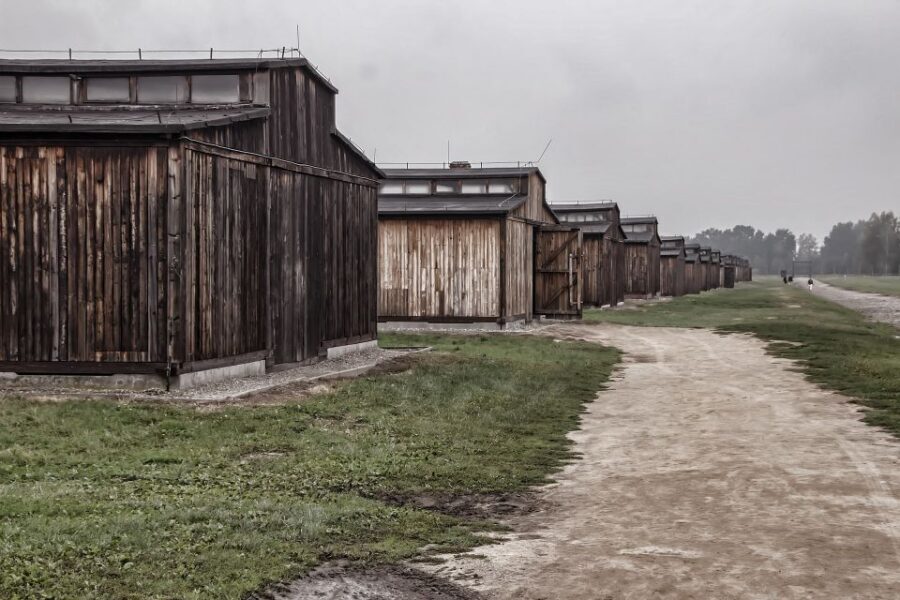
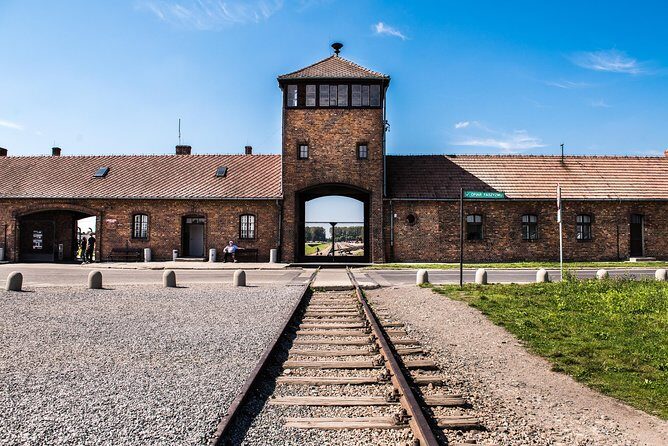
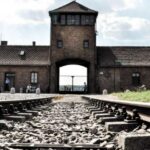
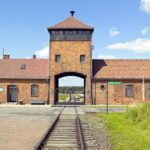
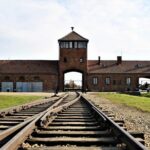
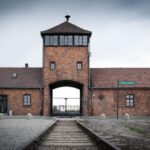
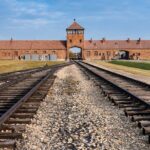
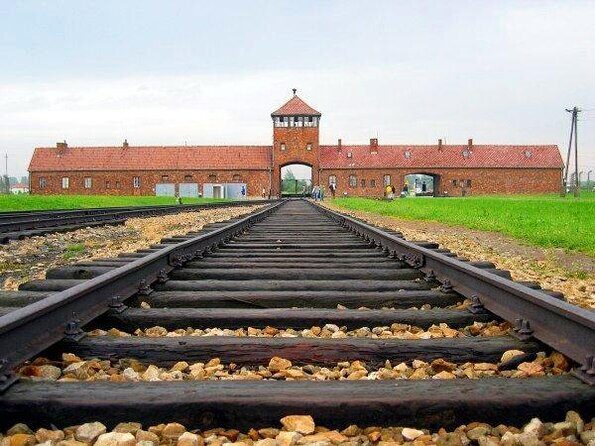
Birkenau is the second part of the tour, and the structure here is important: it’s described as the larger camp built for the Nazis’ goal of making Europe “Judenrein” (free of Jews). You’ll also learn how Brzezinka (Birkenau) became central to the camp system, constructed in 1941 under Heinrich Himmler’s orders, with capacity discussed as high as 90,000 prisoners.
Time here is shorter than Auschwitz I—about 1 hour 30 minutes—but the impact can feel longer because the setting is vast and mostly outdoors. The guide walks you through living conditions, selection processes, and the mention of pseudo-scientific medical experiments carried out by prominent Nazi doctors, including Josef Mengele.
You’ll also hear about liberation: the tour ends with context about the 60th Army of the First Ukrainian Front opening the gates on January 27, 1945. This doesn’t “fix” what happened, but it does land the day on a note of remembrance and why it must never happen again.
Other Auschwitz tours from Krakow in Krakow

Headsets, Group Size, and Timing: How the tour keeps you on track
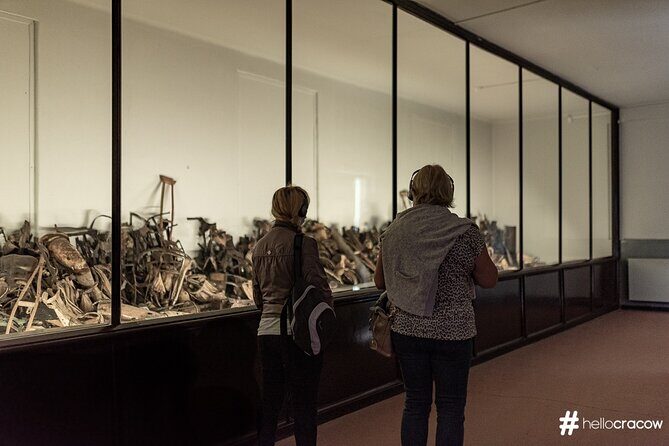
This tour uses headsets during Auschwitz I, and that’s a big deal for two reasons. First, it helps you follow the guide without constantly straining your hearing. Second, it reduces the temptation to drift, because you can stay oriented even in a busy setting.
The schedule aims for comfort: groups are kept to a max of 30, and the day is paced with transfers, entry time, and built-in breaks. Still, plan for the reality of museum days: your departure time can shift due to museum availability and traffic conditions.
Also note the “no individual pacing” rule. If you like to wander slowly or linger at specific exhibits, you may feel rushed. What you gain is a guided framework that keeps the story coherent.
What to Pack: Weather, water, and the practical stuff people forget
Up to 70% of the visit takes place outdoors, and the tour runs in all weather. That means you should dress for the conditions, not the forecast you hoped for. In cold months, a warm layer is not optional.
Bring water (especially in warmer weather) and pack a snack since lunch isn’t included and you likely won’t have time for a full meal between Auschwitz I and Birkenau. If you’re sensitive to cold or have limited mobility in winter weather, consider bringing extra layers you can add or remove easily.
For documents, take this seriously: you must provide full names for every participant exactly as on ID or passport. No nicknames. Passport or ID is mandatory and checked at entry. If your name doesn’t match, entry can fail. This is one of those rules that’s easy to ignore—until it becomes your problem.
Photography is generally allowed except in marked areas. Flash isn’t permitted inside buildings, so plan to use regular camera settings (and be ready that some spots are dim).
Is it good value at $35.07? Here’s what you’re really paying for
At $35.07 per person for a 7-hour guided day with round-trip transport from Krakow and admission for both Auschwitz sites, the price is hard to beat on pure logistics. You’re not paying just for a seat on a bus—you’re paying for a guided museum visit that includes the required museum experience structure and entry access.
Included items matter:
- Licensed English guide inside Auschwitz-Birkenau
- Entry fees for Auschwitz I and Auschwitz II Birkenau
- Headsets to hear the guide clearly
- Round-trip transport in an air-conditioned vehicle
- Insurance and taxes
What’s not included is also clear: food and drinks. That’s why your best “value move” is bringing snacks so you don’t end up short on energy during the long walk-heavy portion of the day.
If you’re traveling with limited time in Krakow, this is also a money-saver compared with piecing together transport and entry separately—especially once you factor in the stress of matching entry slots and timing.
Who this Auschwitz & Birkenau tour is best for
This tour fits best if you want a guided, structured visit without having to manage the complicated logistics yourself. It’s ideal if you:
- want English guidance with headsets
- prefer a small group capped at 30
- value hotel pickup from Krakow and a smooth return to your doorstep
You might want to think twice if you strongly dislike group pacing or you’re likely to get upset by schedule changes due to museum entry timing. Also, this is emotionally intense. If you’re not in a mental headspace for heavy history, it might be better to plan something lighter alongside it.
Should you book this tour?
Yes, I’d book it if your priority is a respectful, well-organized day with transport + museum entry + licensed guidance already handled. The price-to-structure ratio is excellent, and the headsets plus small group size make the experience easier to follow.
Before you click confirm, do three things:
1) Make sure every participant’s ID/passport full name matches the booking exactly.
2) Pack warm layers and a snack, because the day is long and outdoor-heavy.
3) Expect that your departure time can change depending on museum scheduling and traffic.
If you want less stress and more clarity on a day that deserves your full attention, this is a strong choice.
FAQ
Does this tour include entry to Auschwitz I and Birkenau?
Yes. Admission tickets for both Auschwitz I and Auschwitz II Birkenau are included.
Do I need an ID or passport for the Auschwitz visit?
Yes. Passport or ID is mandatory for each participant, and full names must match exactly what’s provided during booking.
What language is the tour offered in?
The tour is offered in English.
Is lunch included?
No. Food and drinks aren’t included, and there’s no time for a full meal between visits, so you should bring a snack.
How much of the tour is outdoors?
A large portion is outdoors—up to 70%—so you should dress appropriately for the weather and bring water on warmer days.
Can I take photos at Auschwitz and Birkenau?
Photography is allowed except in marked areas. Flash isn’t permitted inside buildings.
Can the pickup time change, and is cancellation free?
Pickup and departure times are tentative and may change due to the Auschwitz Museum schedule and traffic. Cancellation is free up to 24 hours in advance for a full refund.