REVIEW · KRAKOW
Auschwitz-Birkenau: Skip-the-Line Ticket and Guided Tour
Book on GetYourGuide →Operated by Cracow Visit Tours & Transfers · Bookable on GetYourGuide
Skip-the-line matters at Auschwitz-Birkenau. This tour makes it easier to reach the memorial on time with a pre-booked fast access ticket and a short, security-style screening before you enter. I especially like the two-part guided route (Auschwitz I museum, then Birkenau II) led by a licensed educator with a headset, and you also get time to slow down on your own at Birkenau II. One real consideration: the day includes a very short lunch break (about 10 minutes), so plan for a packed meal and keep your bag small.
You’ll make your own way from Krakow (about 1.5 hours each way), then meet a host at Auschwitz I for the first section and again at Auschwitz II for the second. The experience is heavy and stays with you, but the structure helps you follow what you’re seeing instead of just staring at signs.
In This Review
- Key Things I’d Focus On Before You Go
- Skip the Line: Auschwitz I Entrance Done the Practical Way
- Auschwitz I Museum: How the Guide Helps You Make Sense of What You See
- Birkenau II: The Scale, the Quiet Time, and Why the Second Stop Matters
- Headsets, Group Pacing, and What to Expect From the Tour Flow
- Price and Value: Is $22 Worth It for Auschwitz-Birkenau?
- What to Bring: ID, Clothing Rules, and That 10-Minute Lunch Reality
- Getting There From Krakow: Plan Your Own Transport, Then Relax
- Who Should Book This Tour, and Who Might Want Another Option
- Should You Book This Auschwitz-Birkenau Skip-the-Line Guided Tour?
- FAQ
- How long is the Auschwitz-Birkenau skip-the-line guided tour?
- What’s included in the ticket for this experience?
- Where do I meet the guide for Auschwitz I and for Birkenau II?
- Does this tour include transportation from Krakow?
- What languages are available for the live guided tour?
- Is food included during the tour?
- What should I bring for the visit?
- What items are not allowed?
- Is this tour suitable for children or wheelchair users?
- What happens if the operator cancels the tour?
Key Things I’d Focus On Before You Go
- Skip-the-line entry with a security-style check so you spend minutes at the entrance, not an extra hour in queues
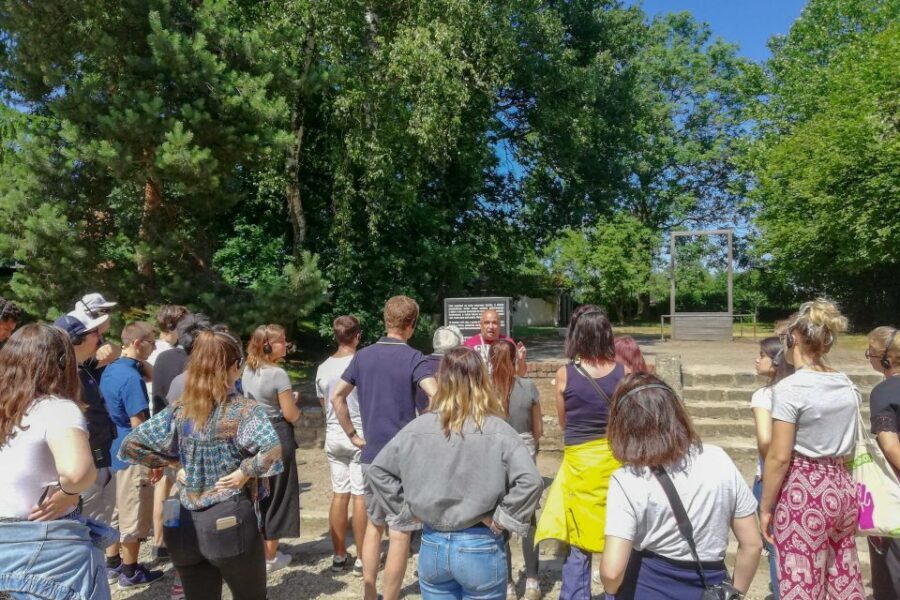
- Headsets included so the guide’s narration lands clearly even in crowded galleries and walkways
- Auschwitz I + Birkenau II split keeps the story from feeling like one long, confusing blur
- Time on your own at Birkenau II after the guided portion, for quiet reflection at the scale of the camp
- Tight pacing with short breaks means you should come ready to move, not ready to linger
- Guides named Nicholas, Damian, Magdalena, and Paweł are repeatedly praised for clear explanations and an emotionally careful tone
Skip the Line: Auschwitz I Entrance Done the Practical Way
Auschwitz-Birkenau is not the type of place where you want to gamble with timing. Even with a scheduled visit, lines can form, and that steals the one thing you can’t buy back later: attention. That’s why this tour’s skip-the-line ticket is the part you feel right away.
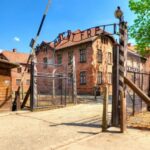
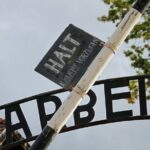
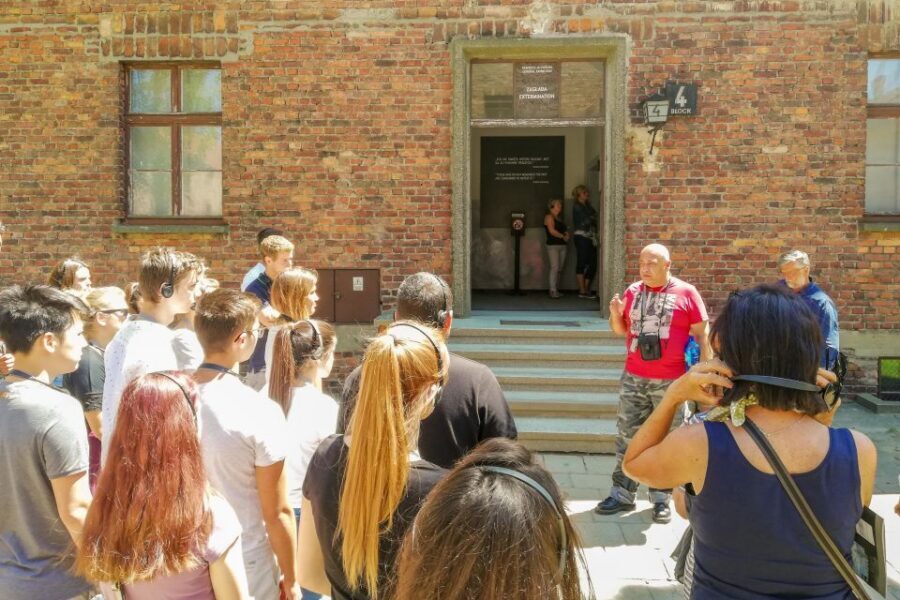
When you arrive, you meet your host at the entrance to the Auschwitz I Museum. Then comes a screening process that feels a bit like airport security before you enter. It’s the kind of check that can slow a group down if everyone arrives scattered, so having the host and pre-booked access helps you get moving in a cleaner rhythm.
The other practical win is how the entry sets expectations. You’re not walking into a museum at random; you’re stepping into an organized flow: ticket handling, screening, then guided walking. That structure matters because Auschwitz isn’t just one building or one exhibit. You’re looking at layered evidence—buildings, records, and preserved items—that only starts to make full sense once someone connects the pieces.
One note to keep you sane: fast access isn’t always “instant.” In some cases, people reported waiting anyway. It’s usually still better than arriving without a plan, but it’s good to stay flexible and build in buffer time around your meeting.
Other Auschwitz I and Birkenau combined tours in Krakow

Auschwitz I Museum: How the Guide Helps You Make Sense of What You See
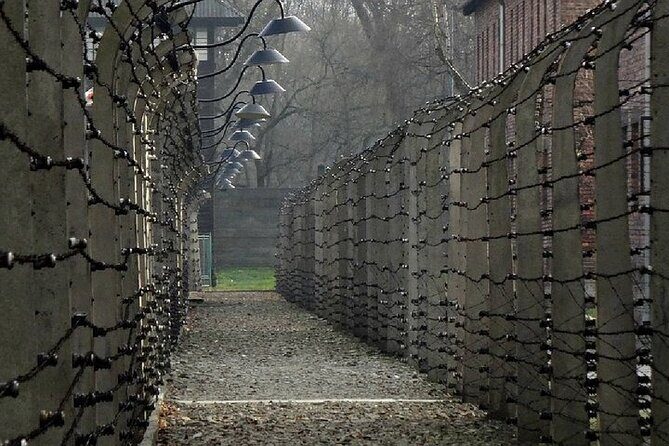
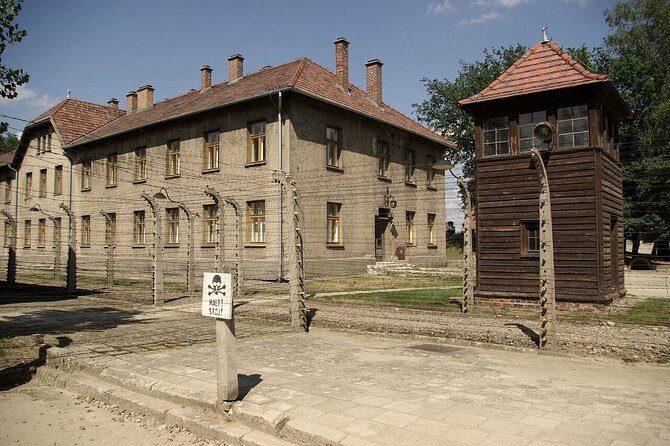
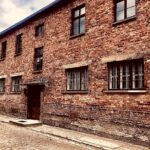
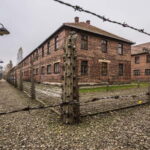
The first guided section takes roughly 1.5 to 2 hours inside Auschwitz I. This is where many visitors feel the most overwhelmed at first, because it’s more museum-like: rooms, displays, photographs, and written context. Left unguided, it’s easy to read dates and numbers and still miss the human story behind them.
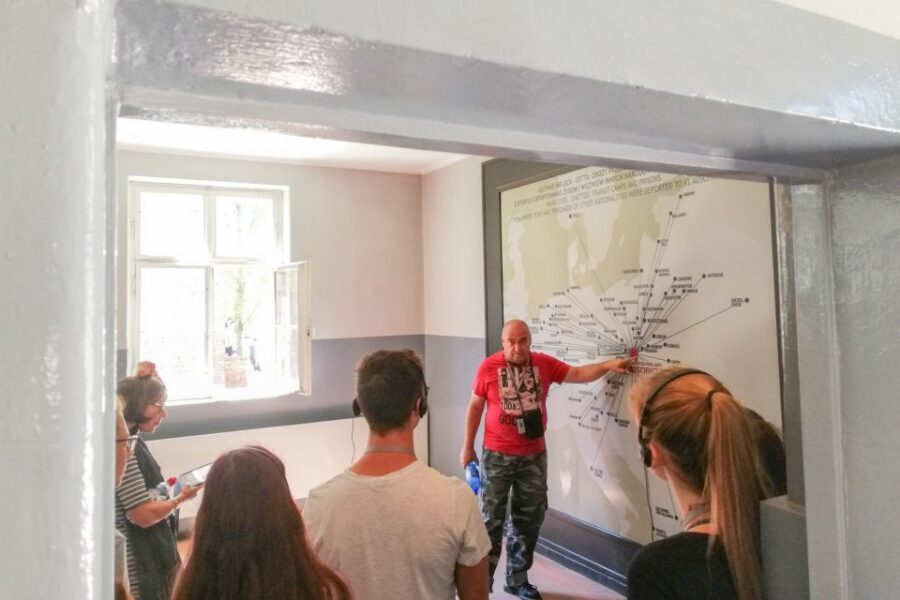
With this tour, you’re walking with a licensed guide who uses a headset so you can hear explanations without constantly turning your head or shouting over the crowd. The biggest value here is translation of facts into comprehension. Instead of treating each display as an isolated object, the guide ties what you’re seeing to the broader mechanisms of persecution and imprisonment.
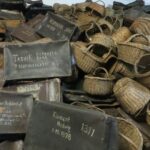
You’ll also be looking for the kind of details that stick in your mind long after the trip. The highlights specifically mention personal artifacts of victims. That’s crucial: these items aren’t presented as “props.” They’re tangible evidence of people who were stripped of identity and reduced to inventory. Even if you’ve read about the camp before, seeing preserved belongings in person hits differently.
How the timing works also helps. Auschwitz I is the part many people want to “rush through” because it’s emotionally intense. The guided pacing pushes you to keep moving just enough to stay oriented, while still spending real time where it counts.
If you’re sensitive to structured history explanations, be aware the tone can be serious and heavy. That’s appropriate for the site. It can still feel like a lot in one session, which is why the second half—Birkenau—includes a different pacing.
Birkenau II: The Scale, the Quiet Time, and Why the Second Stop Matters
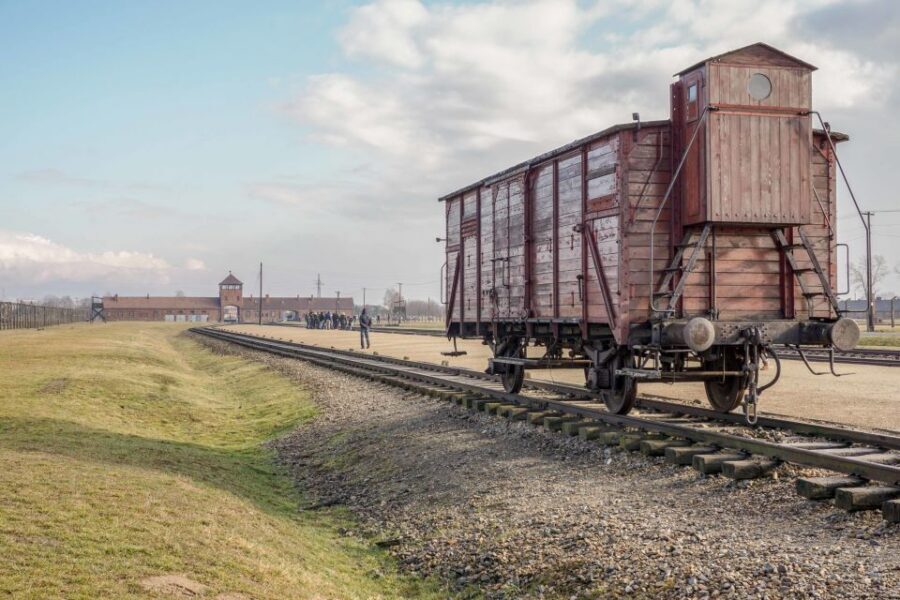
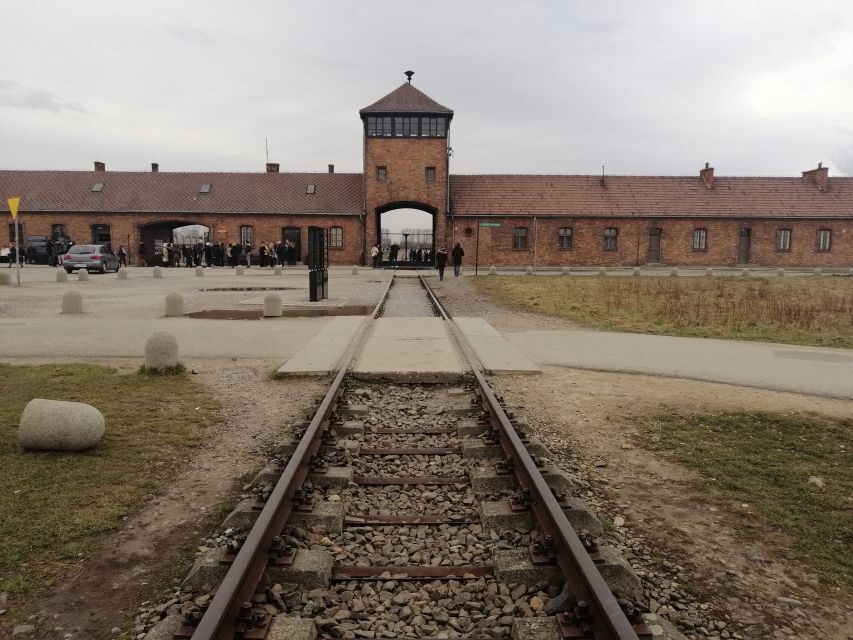
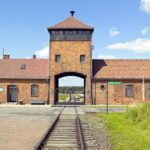
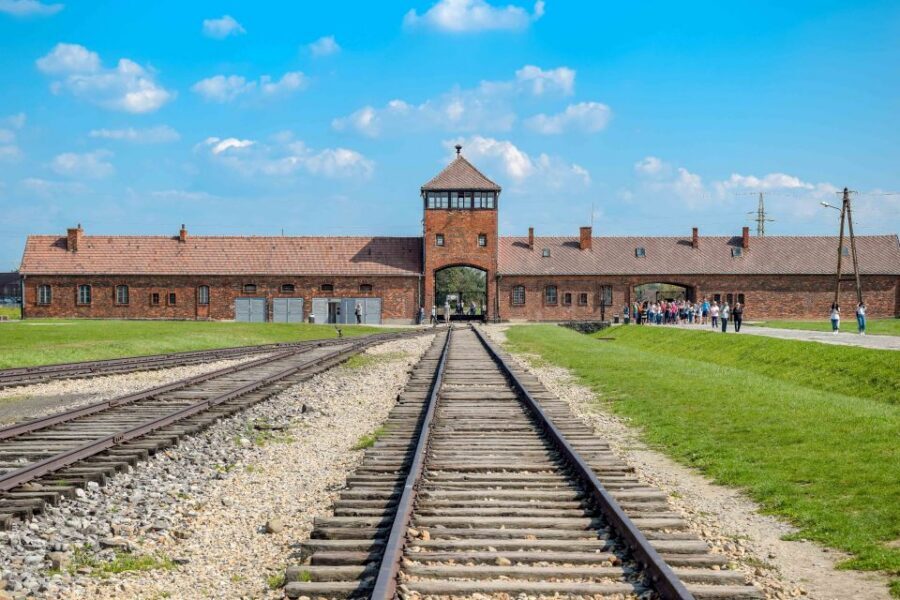
After Auschwitz I, you shift to the Auschwitz II Birkenau Memorial. The guided walking portion here runs about 1 hour, then you can spend as long as you want on your own inside Birkenau II.
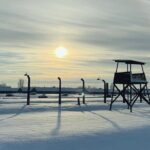
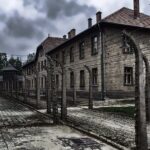
This is a big deal. Birkenau is less museum-like and more about space: rows, ruins, sightlines, and the stark geography of how a system could operate at massive scale. A guide helps you interpret distance and layout during the first hour. After that, the self-guided time lets you adjust your pace—stop when something hits you, walk when you need space, and take a break without worrying you’ll miss the “important part.”
The most useful reason to keep that free time is reflection. Photos can’t communicate how big an area can feel in real life, and you can’t predict where you’ll want to stand longer. Some people want to read everything. Others need to step away and process what the place represents.
This is also where you’ll often understand why a guided framework matters. Once you’re standing in Birkenau, you’re not just looking at structures—you’re trying to picture how deportations, forced labor, and mass murder were carried out. The guide sets that context; your time on site lets your brain catch up.
If you’re traveling with someone who needs frequent breaks, Birkenau’s open-air layout can help or hurt depending on the day. The key is that the tour includes a self-guided stretch, which is the most accommodating part of the itinerary.
Headsets, Group Pacing, and What to Expect From the Tour Flow
This tour includes headsets during the guided portions. That’s a comfort detail, but it’s also a quality detail. In places like Auschwitz, you want your attention on what’s in front of you, not on trying to hear the guide while walking in a crowd.
Group size isn’t listed on the core description, but one participant described a group around twenty people. Either way, the tour is designed to keep you together without feeling like you’re in a conga line the entire time.
The pacing is structured like this:
- Auschwitz I: guided walking for about 1.5 to 2 hours
- Birkenau II: guided walking for about 1 hour
- Birkenau II afterward: self-guided time as long as you want
The important reality check: the pace and any break timing are determined by the memorial’s visitor service, not by the operator. That’s why people experience slight schedule shifts. If your day is tightly planned around other activities in Krakow, don’t schedule something immediately after your expected return without buffer time.
Audio quality is generally part of the experience design, but there has been a complaint about audio/hardware clarity on at least one tour. If you feel the headset isn’t working well, mention it early to the guide or host.
Price and Value: Is $22 Worth It for Auschwitz-Birkenau?
At $22 per person for a timed, guided Auschwitz I + Birkenau II experience, this is typically good value—especially because it includes more than just entry. You’re paying for:
- skip-the-line entry
- a licensed guide
- headsets
- local host assistance
The skip-the-line part alone can be worth it in practical terms. Waiting outdoors or inside an entrance area is time you can’t convert into better comprehension. And Auschwitz isn’t a place where “I’ll just wander and figure it out” usually works well.
That said, you should match expectations to the reality of a memorial site. This isn’t a small, private tour where you control every minute. It’s a guided walk inside a protected, busy site with strict on-site rules.
Also, transportation isn’t included. So the true value depends on how you’re getting there from Krakow. If you already planned to go by train or bus, the package still feels efficient. If you need taxis both ways, the total day cost will rise.
Still, for what’s included—guide time across Auschwitz I and Birkenau II plus the entry benefit—$22 is a fair deal if you want context and structure.
Other skip-the-line Auschwitz tickets in Krakow

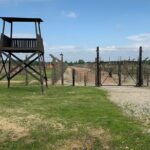
What to Bring: ID, Clothing Rules, and That 10-Minute Lunch Reality
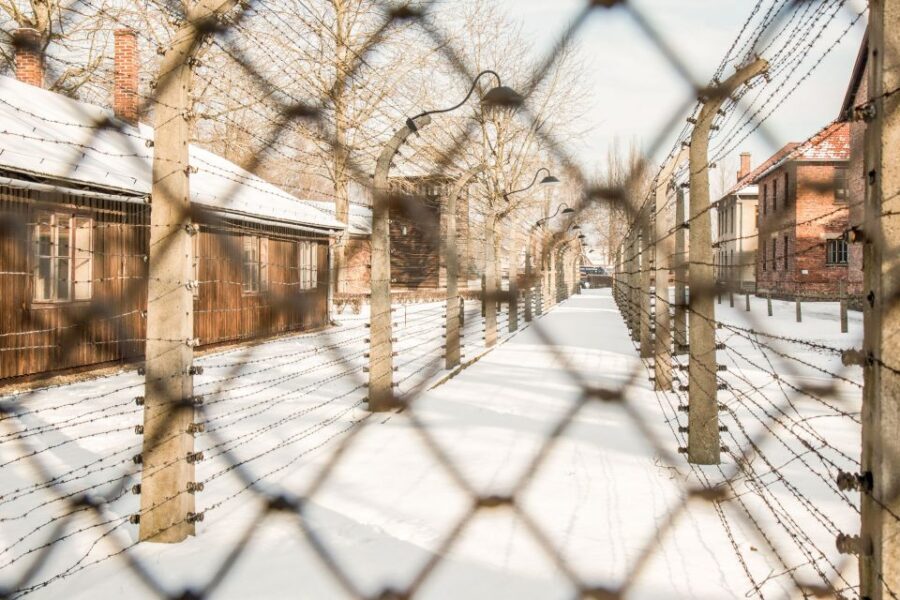
You’ll want to show up ready for the site rules. Bring a passport or ID card, and keep your clothing appropriate for a memorial setting. Sleeveless shirts aren’t allowed, and you shouldn’t plan to bring luggage or large bags. This is about security and respect, and it affects how you pack your day.
Now, the part people underestimate: the lunch break is only about 10 minutes. If you show up hungry, you’ll feel it fast. If you’re planning a packed schedule around this tour, that tiny break won’t help. I’d treat this like a “grab food and go” situation.
A practical approach:
- Bring a packed lunch and keep it easy to eat quickly
- Carry water, because hydration matters when you’re walking and standing
- Use a small day bag so you stay within the restrictions
One participant also mentioned a free shuttle bus between Auschwitz I and Birkenau, which can be useful if you’re moving around on your own during any flexible moments. Your tour schedule still drives the main walking sections, but knowing there’s an option can reduce stress.
Getting There From Krakow: Plan Your Own Transport, Then Relax
The tour doesn’t include transportation to or from Krakow. You’ll make your own way, usually by bus or train, and the trip takes about 1.5 hours.
That means the smart move is to build your day around the meet-up points rather than around your hotel checkout. You’ll meet:
- your guide/host at the Auschwitz I Museum entrance
- for the second guided part, you meet again at the Auschwitz II Birkenau Museum entrance
The good news: having fixed meeting points reduces confusion once you’re on-site. The tricky news: pickup timing can shift, sometimes anywhere from 7:30 AM to 3:30 PM depending on the start option. You choose a preferred time, but it isn’t guaranteed. The operator’s local partner confirms details by WhatsApp, email, or phone the day before.
If you’re trying to connect this day to other events in Krakow, leave wiggle room. Schedules can change based on the visitor flow at the memorial.
Parking fees can also apply if you drive. In at least one case, people found street parking nearby without paying, but don’t count on that working every time.
Who Should Book This Tour, and Who Might Want Another Option
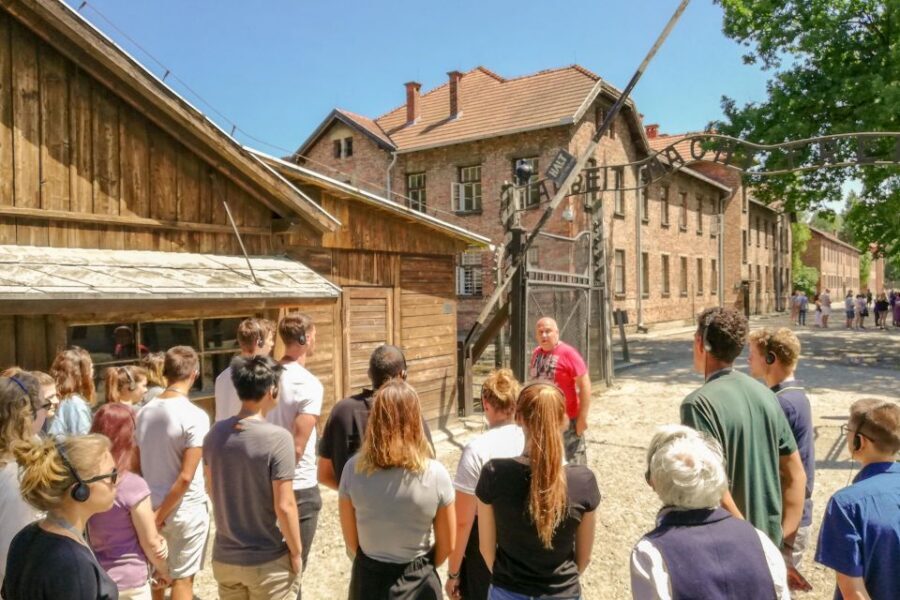
This tour isn’t for everyone. It’s listed as not suitable for children under 12 and not suitable for wheelchair users. That matters because the walking is structured and the environment is not designed like an accessible sightseeing loop.
Who it’s a great fit for:
- Adults who want a guided explanation rather than trying to piece the story together on their own
- History-focused visitors who want Auschwitz I and Birkenau II covered in one coherent day plan
- People who value headsets and structure, especially in a site with crowds
Who might consider a different format:
- Anyone who needs longer quiet time before moving into a guided segment
- Visitors who want private, slower pacing without group timing
- Travelers who hate any schedule uncertainty, since the on-site timing is constrained by visitor service rules
There’s also a practical emotional point. This isn’t a tour you “power through.” Even when the guide handles it with care, the content is heartbreaking. If you’re bringing a friend who gets overwhelmed quickly, talk about break expectations before you go.
Should You Book This Auschwitz-Birkenau Skip-the-Line Guided Tour?
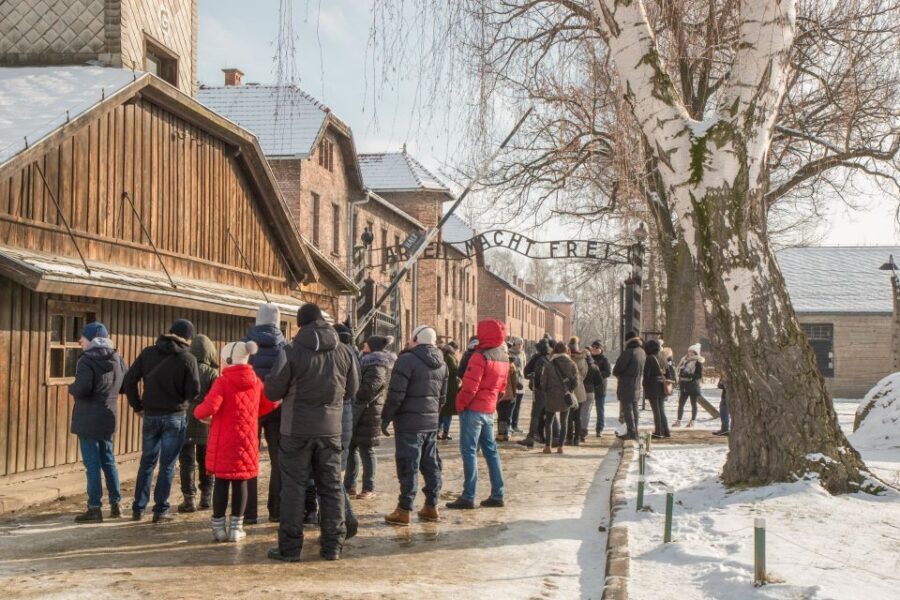
If you’re choosing between skipping the line with a guide versus trying to do it on your own, I’d lean toward booking—especially if you care about understanding what you’re seeing. The skip-the-line access, licensed guide, and headsets are the difference between wandering through exhibits and actually grasping the story behind them.
Book this tour if:
- you want Auschwitz I and Birkenau II handled in one smooth day structure
- you value a guided walking approach with clear narration
- you can handle a serious, emotional experience
Think twice (or plan differently) if:
- your schedule is too tight for timing changes
- you hate short breaks and want long meal pauses
- you’re traveling with accessibility needs that don’t match the listed suitability
If you do book, come packed with ID, a small bag, and a plan for food. Then let the guide do their job. You’ll get more meaning from the place, and you’ll spend your limited time where it counts.
FAQ
How long is the Auschwitz-Birkenau skip-the-line guided tour?
The duration is listed as 210 minutes total. The Auschwitz I guided portion is about 1.5 to 2 hours, and the Birkenau II guided portion is about 1 hour, followed by additional self-guided time at Birkenau II.
What’s included in the ticket for this experience?
You get an Auschwitz-Birkenau skip-the-line entry ticket plus local host assistance, a licensed guide, and headsets for the tour.
Where do I meet the guide for Auschwitz I and for Birkenau II?
Meet your guide at the entrance to the Auschwitz I Museum. For the second part, meet at the Auschwitz II Birkenau Museum entrance.
Does this tour include transportation from Krakow?
No. You make your own way to Auschwitz-Birkenau from Krakow by vehicle or public transport. Transportation is not included, including return to your hotel.
What languages are available for the live guided tour?
The live guide is available in French, English, Italian, and Spanish.
Is food included during the tour?
No. Food and drinks are not included. The lunch break is about 10 minutes, so it’s advisable to bring a packed lunch.
What should I bring for the visit?
Bring a passport or ID card. You should also dress appropriately for a memorial site.
What items are not allowed?
You can’t bring luggage or large bags, and smoking is not allowed. Sleeveless shirts are also not allowed.
Is this tour suitable for children or wheelchair users?
It’s not suitable for children under 12 and not suitable for wheelchair users.
What happens if the operator cancels the tour?
If the tour is canceled for reasons beyond the operator’s control, you receive a full refund.