REVIEW · KRAKOW
From Krakow: Auschwitz-Birkenau Memorial Private Tour
Book on GetYourGuide →Operated by ExploreCracow.com · Bookable on GetYourGuide
Two camps, one heavy lesson. This private round-trip transport makes it easier to focus on what matters as you head from Krakow to Auschwitz I and Auschwitz II-Birkenau, a UNESCO site tied to the Holocaust. I especially like the hotel pickup/drop-off that saves you from figuring out logistics on a tight day.
The biggest win is how smoothly the day runs: you’re set up for fast entry and a calm start, then you’re left to absorb the museum experience at a respectful pace. One consideration: the memorial visit follows strict museum rules, so you won’t have a fully private museum guide who can tailor the stops moment-by-moment.
In This Review
- Key highlights worth knowing
- Krakow to Auschwitz: the private van ride that protects your day
- Auschwitz I: what the preserved barracks and artifacts teach you
- Auschwitz II-Birkenau: why the extermination site demands your full attention
- Oswiecim lunch break: rest your body, reset your focus
- Skip-the-line value and the “private” part you actually feel
- Price at $295: is this worth it for the Auschwitz day?
- Practical rules and what to bring (so you don’t get turned away)
- Who this tour is best for (and who should think twice)
- Should you book this Auschwitz-Birkenau day trip from Krakow?
- FAQ
- How long is the Auschwitz-Birkenau private tour from Krakow?
- What sites are included?
- Is hotel pickup and drop-off included?
- Do I get a private guide?
- Is entry to Auschwitz included?
- What about lines at the ticket entrance?
- Is lunch included?
- What languages is the museum tour available in?
- What do I need to bring and wear?
- Are photos and flash allowed?
Key highlights worth knowing
- Door-to-door pickup and drop-off that keeps the day low-stress
- Auschwitz I plus Auschwitz II-Birkenau, with the main sights covered
- Skip the ticket line, so you start sooner and waste less time
- Museum-led live commentary during the visit (you’re not left on your own)
- A driver who can handle the details, including helpful timing and local tips
Krakow to Auschwitz: the private van ride that protects your day
You start in Krakow with hotel pickup, then you’re driven about 1.5 hours to the memorial area in a comfortable private vehicle. That might sound like a small thing, but it matters. Auschwitz is not a place where you want to fight traffic, hunt for parking, or guess which ticket desk you need. With this setup, you arrive with your head clear and your ID ready.
One of the smartest parts here is the role of the driver. In real-world terms, you’re not relying on local schedules or public transit that can get derailed. The experience I like best is that your day’s flow is managed. A driver named Patrick stood out for getting people to the entrance quickly and organized so the museum visit could begin without the usual waiting. Another driver, Adam, was praised for being on time and communicating what comes next, plus sharing practical suggestions around Krakow if you have energy for more after the memorial.
You’ll also appreciate the quiet realism of the route. By the time you get to Auschwitz, you’re not just “arriving”; you’re transitioning into a different kind of place—one where time feels slower and the atmosphere requires attention.
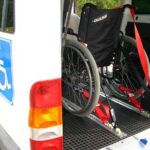
Practical note: the tour is not suitable for everyone. It’s not recommended for wheelchair users, and people with heart problems should think carefully, because the memorial visit involves a significant amount of walking.
Other Auschwitz I and Birkenau combined tours in Krakow
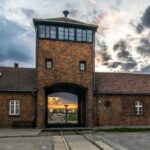
Auschwitz I: what the preserved barracks and artifacts teach you
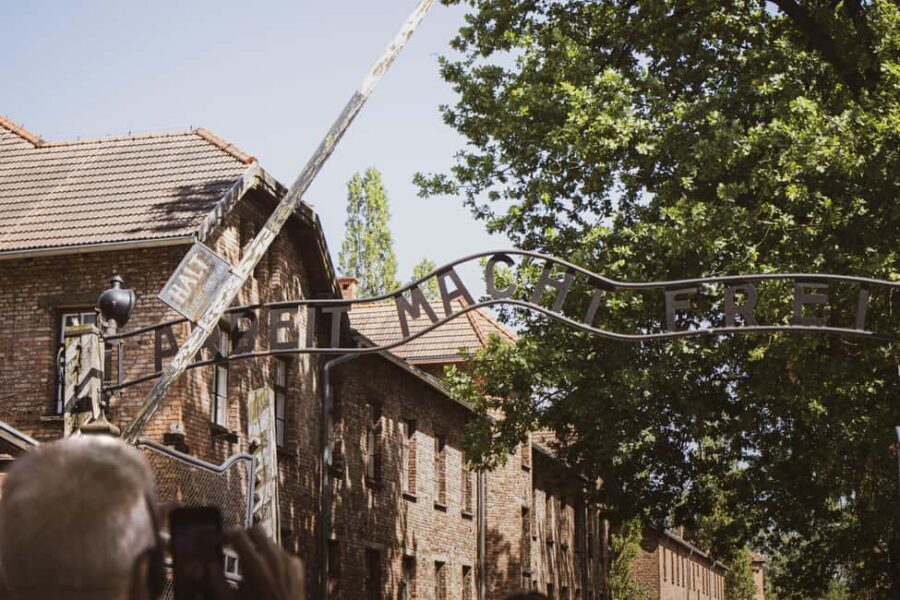
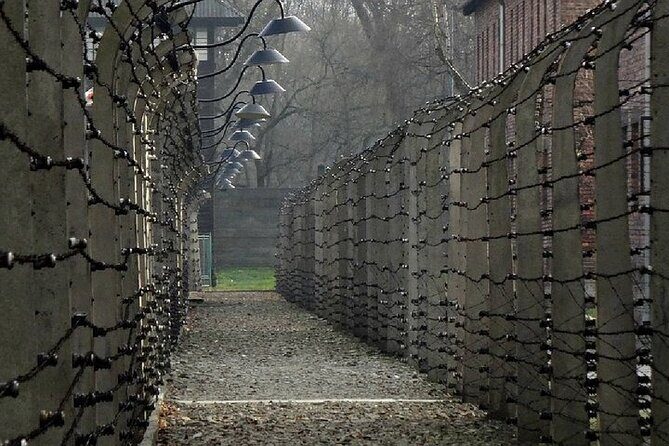
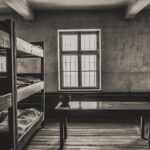
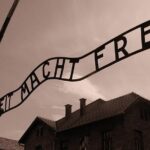
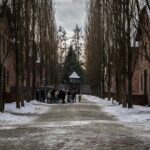
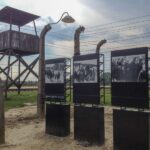
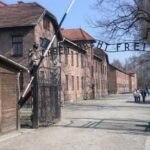
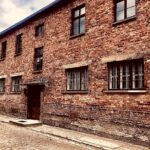
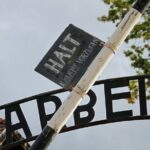
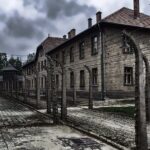
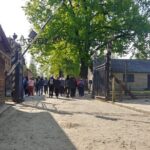
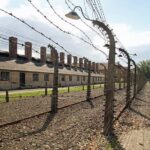
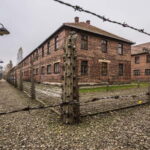
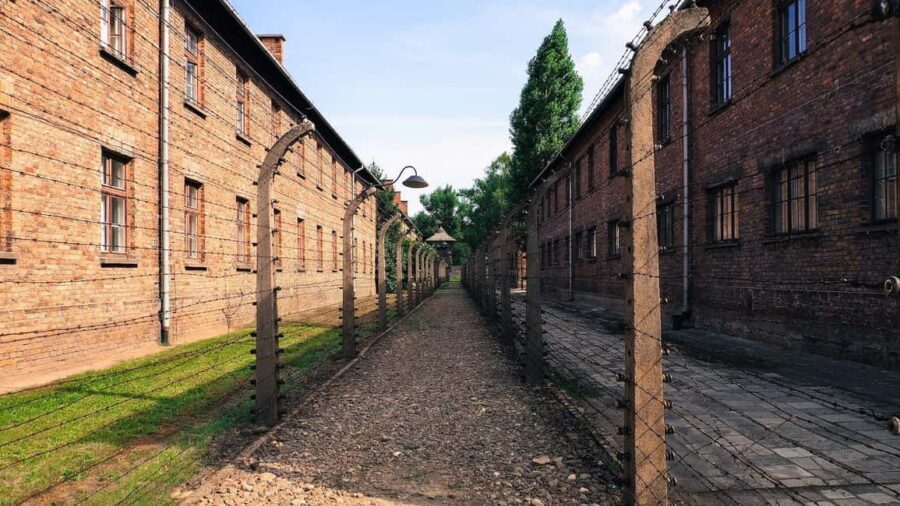
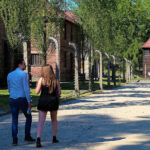
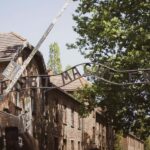
Your first major stop is Auschwitz I. Plan on about two hours here with a guided visit inside the memorial grounds. Auschwitz I is where the story connects to the camp’s origins—buildings and preserved areas that help you understand how the Nazi camp system was built and run. Even if you’ve read about it, being in the spaces changes the scale. The camp is not behind glass. You’re walking where prisoners were processed, housed, and worked under unimaginable conditions.
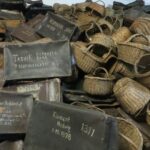
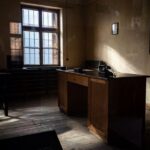
What makes Auschwitz I hit is the combination of structure and detail: the preserved layout, the barracks, and the way exhibits present personal belongings and documented history. A good guide helps you follow what you’re seeing without turning it into trivia. You’re not just collecting facts; you’re learning how policy became daily reality.
A key value of this tour format is that it’s still guided by the museum’s live team during the actual memorial visit. That’s important because Auschwitz is heavily regulated and the museum sets the pace and boundaries. You still get the advantage of a private transport day, but inside the memorial you’re working within the official experience.
Photography rules are strict inside buildings—flash photography is not permitted. That’s not just about policy; it’s part of the respect. If you’re the type who likes to document everything, you’ll still be able to take photos, just without flash where prohibited.
Auschwitz II-Birkenau: why the extermination site demands your full attention
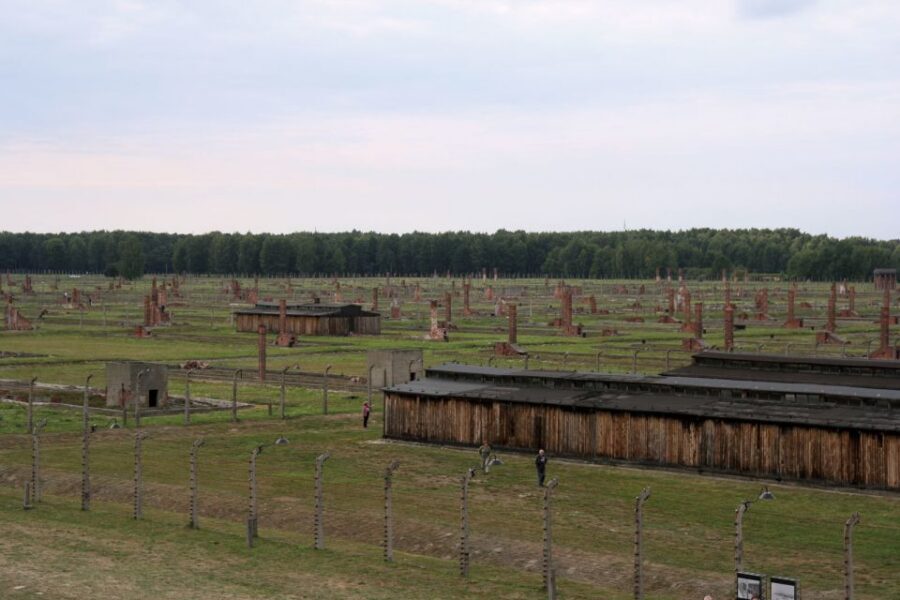
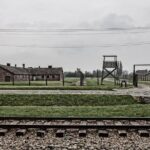
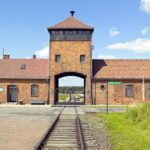
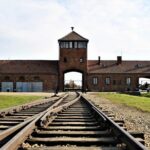
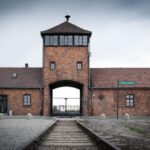
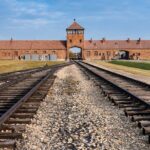
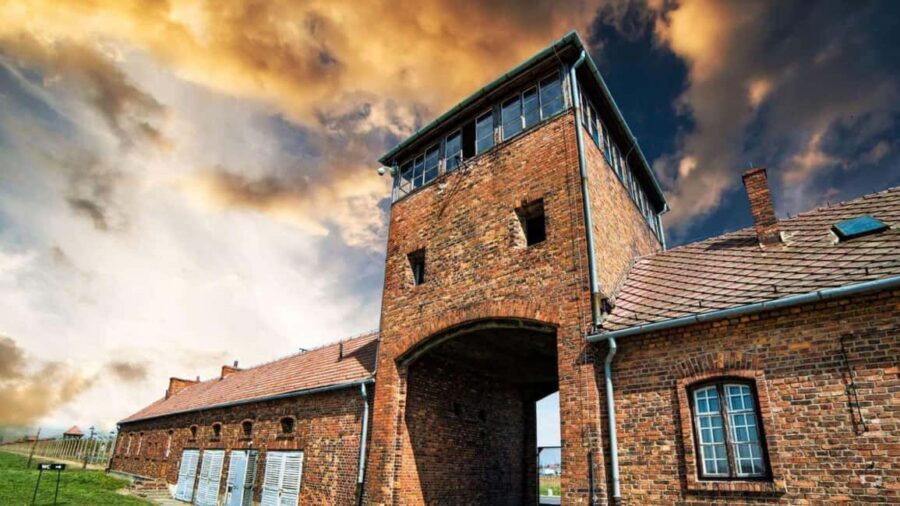
Then you move to Auschwitz II-Birkenau, the primary extermination site. This part typically takes about 75 minutes guided. If Auschwitz I helps you grasp the camp system’s structure, Birkenau forces you to confront its operational scale.
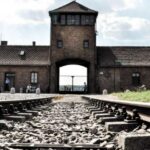
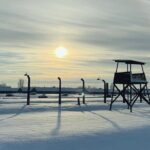
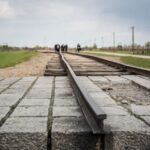
You’ll see remnants of gas chambers and crematoria, plus the larger campgrounds where thousands were held. And you’ll also notice the iconic railway tracks that brought victims into the camp system. Those tracks are one of the most direct “timeline makers” in the entire experience: your brain can’t help connecting arrival, selection, and what followed.
Birkenau’s layout also creates a strange feeling of distance. Paths, open areas, and long sightlines can make it harder to understand crowd size just by looking. That’s where the guide’s context matters. The goal isn’t shock for shock’s sake. It’s understanding how a system was planned and executed, and why it left behind such massive loss.
You’ll likely feel a shift after the Birkenau portion. Many people come expecting a “tour,” but they leave with a different mental image: the machinery of genocide made visible through place. It’s solemn work, so give yourself a little mental space. If you feel overwhelmed, it’s okay to slow down and let the moment land.
As for the “pace,” this tour is described as personalized in the sense that your transport is private and your day is arranged around you. Inside the memorial, the museum handles how the guided groups move. That keeps things organized and respectful.
Oswiecim lunch break: rest your body, reset your focus
After Birkenau, you head to Oswiecim for lunch, with about one hour set aside. This is a smart inclusion. Even if you’re not hungry, you’ll probably want a chance to step back from the intensity. A planned break helps you avoid the common mistake of running on empty and then feeling wiped out before you can process what you just saw.
Food and drinks are not included, so this is a good moment to choose something simple and filling. Keep it practical: you’re about to drive back to Krakow, so you want energy that won’t make you sleepy.
Also, remember the mental rhythm here. The memorial isn’t a one-hour stop you can “fit in.” Taking a real break helps you carry the day safely out of your body and back into normal life.
Skip-the-line value and the “private” part you actually feel
This experience is often priced for what it saves you: time, stress, and the coordination headaches of going independently. The memorial itself operates with museum rules and procedures, so you should expect the guided portion to run according to those guidelines.
Still, the private side of the tour is very real in day-to-day terms:
- Hotel pickup and drop-off means you don’t need to gamble on schedules.
- The driver handles timing so you can get to the entrance and start with less waiting.
- You’re guided by the museum during the visit, but your overall day is managed by the transport provider.
That “managed day” matters most if you have limited time in Krakow. It also helps if you’re trying to avoid last-minute decision stress on a city holiday or busy day. In one praised case, Patrick was noted for booking the museum tour so people could go straight in, then arranging a bus-saving pickup step at the end. That kind of timing isn’t flashy, but it can be life-saving when you’re trying to keep the day from turning into a scramble.
One more note: the museum visit is not advertised as a private museum guide. The memorial tour happens with groups roughly 5 to 20 people. That’s a normal structure for the site, and it’s part of why the experience stays consistent and organized.
Other Auschwitz tours from Krakow in Krakow

Price at $295: is this worth it for the Auschwitz day?
At $295 per person for a 390-minute experience, the price isn’t cheap. But the value isn’t just the memorial ticket. You’re paying for the full round-trip setup from Krakow: private transportation plus hotel pickup/drop-off, plus the coordination that helps you avoid lining up and wasting time.
So where does the value land?
- If you’re trying to do this day with public transit or multiple connections, you’ll likely spend time and mental energy. That’s hard to price, but it’s real.
- If you prefer a driver who keeps things predictable (on time, clear about the next steps), that reduces risk.
- If you’re trying to protect a tight schedule, skip-the-line access and a controlled timeline are worth real money.
That said, if you’re comfortable planning logistics yourself and you don’t mind waiting, you may decide the memorial portion alone is enough. This tour is best for people who want the day to feel organized and respectful, not improvised.
Also, consider the human cost. This is a heavy experience. Anything that reduces hassle—like not having to track transport—lets you spend more energy on remembrance and understanding instead of logistics.
Practical rules and what to bring (so you don’t get turned away)
Auschwitz has strict rules, and they’re not meant to be picky—they’re meant to keep visitors safe and the experience respectful. Here’s what you should plan for:
Bring
- A passport or ID card
- Comfortable shoes (there’s lots of walking)
Wear
- Avoid short skirts
- Avoid sleeveless shirts
Know before you go
- Large bags and backpacks are not allowed inside the memorial
- Flash photography is not permitted inside the buildings
- The tour is not recommended for children under 12 years old
A small but useful mindset: set yourself up like you’re going to a formal site with rules, not like a casual city attraction. If you arrive dressed appropriately and with the right items, you stay focused on the reason you came.
Who this tour is best for (and who should think twice)
This works especially well if:
- You want door-to-door transport from Krakow.
- You care about minimizing waiting and confusion at the entrance.
- You want the memorial experience with museum-led guidance, not a self-guided wander.
It may not fit as well if:
- You use a wheelchair or need accessibility accommodations, since it’s not suitable for wheelchair users.
- You have heart problems and anticipate difficulty with walking.
- You’re traveling with young children under 12, since it’s not recommended.
If you’re a solo traveler, this still makes sense because you’re not alone on the road—you’re with a driver and within museum group structure. If you’re a couple or small party, the private transport can feel like a helpful buffer against stress.
Should you book this Auschwitz-Birkenau day trip from Krakow?
If your priority is a well-run, low-hassle day with the core sites covered, I think this booking makes sense. The price is easier to justify when you break it down: you’re buying a smooth Krakow-to-memorial-to-Krakow experience, including pickup/drop-off and help getting in without wasting time.
If you’re okay with managing transit yourself and you’re confident you can handle the site rules, you could choose a cheaper approach. But if you want to arrive calm, follow the museum pacing, and focus your attention on Auschwitz I and Birkenau without logistical friction, this private transport setup is a strong match.
One last practical thought: don’t pack the rest of your day tightly afterward. Keep some margin for emotions and fatigue. You’ll probably need it.
FAQ
How long is the Auschwitz-Birkenau private tour from Krakow?
The total duration is 390 minutes.
What sites are included?
You visit Auschwitz I and Auschwitz II-Birkenau (the Auschwitz-Birkenau Memorial).
Is hotel pickup and drop-off included?
Yes. Hotel pickup and drop-off are included.
Do I get a private guide?
No. The driver is included for transportation, but the visit at the memorial is guided by a live museum guide and follows museum rules for groups of 5 to 20 people.
Is entry to Auschwitz included?
Yes. Entry to the Auschwitz-Birkenau Memorial is included, with a visit that includes the live tour guide.
What about lines at the ticket entrance?
The tour includes skipping the ticket line.
Is lunch included?
Lunch is not included. You’ll have time for lunch in Oswiecim (about 1 hour), but food and drinks are on you.
What languages is the museum tour available in?
The live museum guide languages listed are English, French, Russian, German, and Polish.
What do I need to bring and wear?
Bring a passport or ID card and comfortable shoes. Avoid short skirts and sleeveless shirts.
Are photos and flash allowed?
Photography is allowed, but flash photography is not permitted inside the buildings.